
Listen to this article
Estimated 3 minutes
The audio version of this article is generated by AI-based technology. Mispronunciations can occur. We are working with our partners to continually review and improve the results.
The Yukon government has repealed legislation that set targets to reduce greenhouse gas emissions, and required the territory to report its progress in meeting those goals.
The Clean Energy Act was introduced in 2022 by the previous Liberal government to establish a legal framework for the territory to reach net-zero emissions by 2050. It was billed at the time as the territory’s first energy and climate change legislation.
On Monday, the Yukon Party government passed new legislation to repeal the act. Premier Currie Dixon said it’s about reducing demand for electricity.
Along with emissions reductions, the Clean Energy Act set targets for the number of zero-emission vehicles in the Yukon. Dixon said it’s all put extra demand on the territory’s strained power grid.
“We know that we are coming dangerously close to the edge with our energy grid,” Dixon said on Monday. “We need to reduce the growth of demand in the Yukon.”
Along with repealing the act, the government is also scrapping rebate programs for electric vehicles (EVs), EV chargers, and e-bikes. Under those programs, Yukoners could apply for rebates worth up to $5,000 for some EVs and hybrid vehicles, and up to $1,500 for some e-bikes.
According to Dixon, getting rid of those programs is an unfortunate necessity.
“I would love to keep EV subsidies in place. I like EVs, I think they work well in some conditions, but what we need to do is drive our demand growth down,” he said.
“We cannot end up in a situation like we did in December where we came very close to rolling blackouts.”
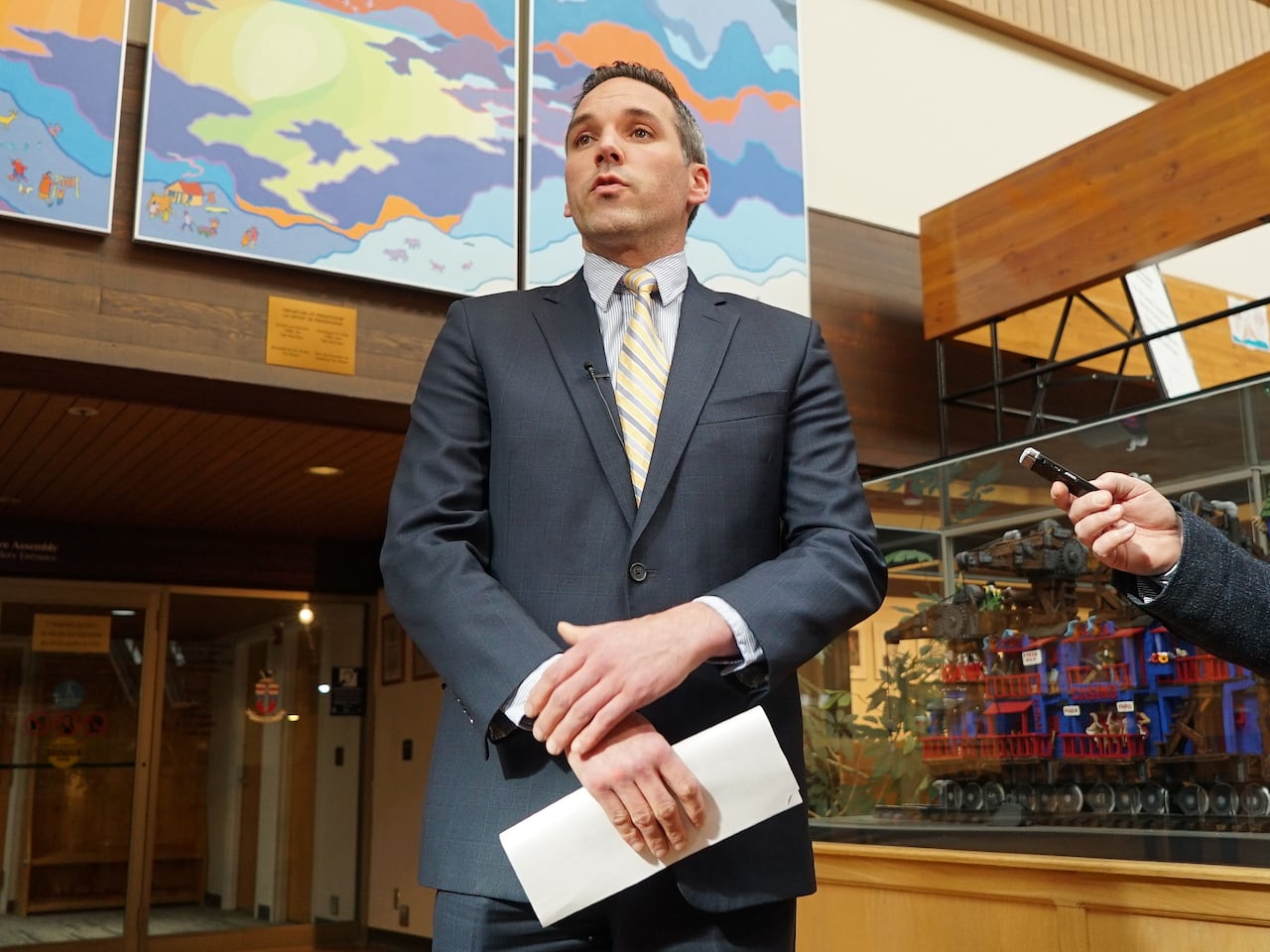 ‘I would love to keep EV subsidies in place … but what we need to do is drive our [energy] demand growth down,’ said Premier Currie Dixon. (Chris Windeyer/CBC)
The government said in a news release that instead of rebates for electric vehicles, it would use that money for programs intended to “encourage Yukoners to fulfil their home electricity needs in a way that does not strain the grid.”
That includes offering incentives for homeowners to install propane or oil-fired furnaces and hot water systems, among other things.
“Those are the kind of measures that we want to ensure Yukoners have access to, as opposed to driving demand growth up which is what we’ve seen previously,” Dixon said.
Official Opposition Leader Kate White said Monday that she was upset to see the Clean Energy Act scrapped with little debate or discussion. She also said there was no need to repeal the entire thing.
“Everything was able to be changed, including emission targets,” she said.
“Instead of doing that hard work, this government chose just to repeal the whole thing.”