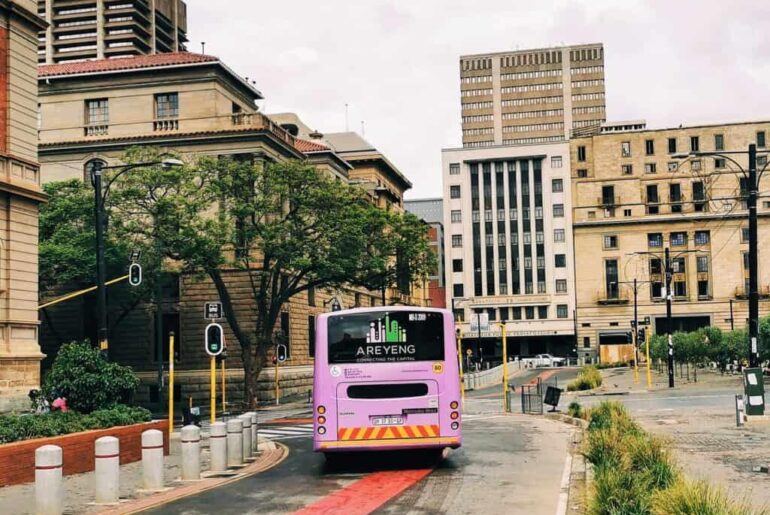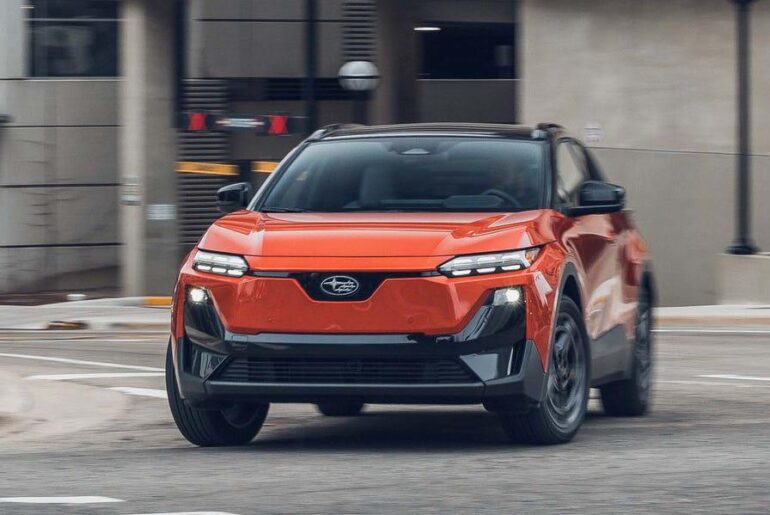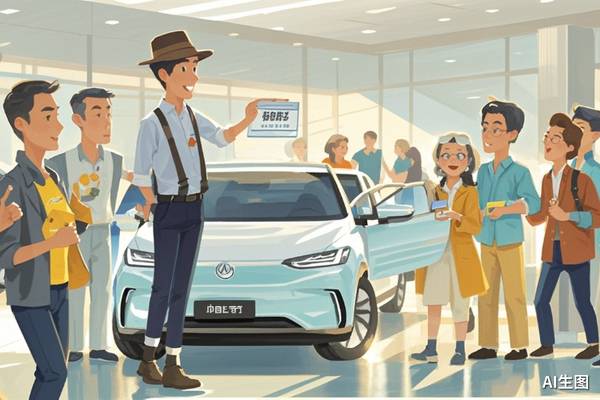
Recently, Hong Kong people have been snapping up domestic electric vehicles, and even the display cars have to be grabbed, shocking the market. A major reversal of the times is taking place in the Hong Kong automobile market.
Looking into the background, it has become a trend for Hong Kong people to consume on the Chinese mainland. Mainland enterprises have been increasing their efforts in the Hong Kong market, ushering in an era of in – depth two – way integration of Hong Kong people’s consumption on the mainland and the development of mainland enterprises in Hong Kong.
01 Hong Kong People Snap Up Domestic Electric Vehicles
In the Greater Bay Area, it has long been normal for Hong Kong – registered vehicles to travel to the mainland. It is common to see vehicles with Guangdong – Hong Kong license plates or Hong Kong license plates on the road. In the past, the Hong Kong – registered vehicles traveling to the mainland were mostly fuel – powered vehicles, but now more and more of them are electric vehicles.
At first, most of the electric vehicles traveling to the mainland were Tesla. However, in the past one or two years, more and more domestic electric vehicle brands have been seen on the road and have become the main players.
Models of domestic automobile brands such as NIO, XPENG, BYD, and ZEEKR have become the main vehicles for Hong Kong – registered cars traveling to the mainland. When these models are registered with Hong Kong license plates, they do look more high – end.
More and more Hong Kong people are starting to choose and buy domestic electric vehicle brands. Domestic electric vehicles are selling better and better in Hong Kong every year. Recently, a hot scene has been staged: Hong Kong people are snapping up domestic electric vehicles.
According to Jiemian News, on February 25, the Hong Kong Special Administrative Region Government announced that the “one – for – one” subsidy policy for electric private cars, which has been in effect for eight years, will not be renewed after the end of March.
Under this policy, after a car owner scraps an old fuel – powered vehicle and purchases an electric vehicle, the first – registration tax can be reduced by up to HK$172,500.
Calculated, this is a significant price difference, which quickly pushed potential car buyers who were still on the fence to the stores. On the night when the policy was announced, many new – energy vehicle stores were open until midnight, with customers looking at orders, signing orders, and locking in orders all at the same time.
A Hong Kong consumer said that if they placed an order that day, they still had a chance to pick up the car before the policy ended and enjoy the discount. At present, the electric vehicles in the Hong Kong market have almost been snapped up.
For example, in a ZEEKR store in Hong Kong, among the four or five display cars originally placed in the showroom, only the ZEEKR X and ZEEKR 7X are left, and a notice saying “sold” has been posted on the ZEEKR X.
A similar scene is also taking place at the XPENG Motors flagship store in Hong Kong. On weekdays, there are still three or four groups of consumers consulting about car purchases. The store displays models such as the XPENG P7 and XPENG G6, and the booth for the XPENG X9 is already empty.
The sales staff at the BYD showroom are also swamped. A BYD staff member said that there are still a small number of in – stock cars of the BYD Dolphin standard version and the BYD Sea Lion 07 top – end version. If you place an order now, you have a chance to pick up the car in May.
Although the key factor influencing this scene of Hong Kong people snapping up domestic electric vehicles is the end – effect of the above – mentioned policy, in fact, more and more Hong Kong people are buying domestic electric vehicle brands instead of mainly choosing Tesla as in the past.
In the view of “Xinpinlue Finance”, when more and more Hong Kong people start to buy domestic electric vehicle brands, this wave of automobile consumption is worthy of in – depth research, and the reasons behind it are even more worthy of observation and in – depth study.
02 A Major Reversal of the Times
Many people may have become aware of Japanese automobile brands through Hong Kong movies. In particular, in Jackie Chan’s movies, his car is a Mitsubishi.
Hong Kong is an international market. Japanese cars entered the Hong Kong automobile market early. Both Japanese and Hong Kong cars have right – hand drive. Japanese cars attract Hong Kong automobile consumers with advantages such as cost – effectiveness, fuel efficiency, durability, and low maintenance costs.
Japanese automobile brands such as Toyota and Honda are the main brands sold in the Hong Kong market. In particular, Japanese luxury minivans such as the Toyota Alphard and Vellfire, which are favored by many Hong Kong celebrities, are very popular in the Hong Kong market. This has also influenced the Alphard to become a luxury car that requires a premium and has a selling price of over one million yuan in the Chinese mainland market for many years.
The taxis in Hong Kong are all Toyota Crowns. This model is still shuttling on the streets of Hong Kong and has become an emblem of Hong Kong.
Japanese cars have held the absolute top position in the Hong Kong automobile market for many years.
In the era of fuel – powered vehicles, Japanese cars are still the main players in the Hong Kong automobile market even today. However, now that the era of new – energy vehicles has arrived, this situation is quietly and rapidly changing.
China is at the forefront of the global new – energy vehicle industry. Many automobile brands have started to expand overseas, and a key international market for them is Hong Kong.
Domestic electric vehicles are fully equipped with advanced three – electric technologies and features such as refrigerators, color TVs, and large sofas. They have outstanding vehicle designs. Most importantly, they have the advantages of high cost – effectiveness and low usage costs.
Many mainland electric vehicle brands have flocked to Hong Kong, gradually changing the views of many Hong Kong people on domestic electric vehicles. This has attracted more and more Hong Kong people to open their wallets to buy domestic electric vehicle brands.
According to data from Autohome, the penetration rate of new – energy vehicles in Hong Kong has risen from 1% in 2018 to 70% in 2024, second only to Norway and ranking among the top in the world.
According to data from the Hong Kong Transport Department, in 2025, BYD surpassed Tesla with 9,751 new car registrations and became the sales champion of all brands in Hong Kong for the first time. The BYD Sea Lion 07 EV became the best – selling model in the local area with 5,680 units sold. Chinese brands such as ZEEKR, XPENG, and MG also made it into the top ten in sales.
In particular, MPVs, which were long dominated by the Alphard and Vellfire in Hong Kong, are now seeing increasing popularity of domestic MPVs such as the SAIC MAXUS Mifa 7, Denza D9, ZEEKR 009, and XPENG X9.
For example, XPENG Motors attaches great importance to the development of the Hong Kong market. In April last year, it held its first global brand event in Hong Kong – XPENG Global Love Night, and launched the XPENG X9 MPV.
Another example is that in the high – end luxury pure – electric vehicle segment, NIO is selling well. It is common to see NIO vehicles with Hong Kong license plates traveling to the mainland on the road.
Overall, Japanese cars used to dominate the Hong Kong automobile consumption market for a long time, but now more and more Hong Kong people are buying domestic electric vehicles, which is like a major reversal of the times.
03 An Era of In – Depth Two – Way Integration
“Xinpinlue Finance” has been closely following the trend of Hong Kong people’s consumption on the Chinese mainland. Especially in 2024 and 2025, the trend of Hong Kong people’s consumption on the mainland has become extremely popular, with scenes such as Hong Kong people snapping up goods at Sam’s Club in Shenzhen.
A survey report on Hong Kong people’s consumption on the mainland shows that about 45% of Hong Kong people consume on the mainland mainly because the prices on the mainland are significantly lower than those in Hong Kong. The prices of catering, daily necessities, and services are only one – third or one – half of those in Hong Kong.
Hong Kong people are significantly different from many mainland consumers in terms of consumption. They pay more attention to practicality and cost – effectiveness and do not blindly pursue big brands. For example, in terms of clothing consumption, Hong Kong people pursue a simple and sporty style and usually carry a backpack.
Hong Kong people’s consumption on the mainland shows characteristics of tourist – style consumption and “budget – conscious” consumption, which directly reflects their rational consumption and pursuit of high cost – effectiveness.
Many Hong Kong people prefer the upgraded consumption experience and interest – based consumption on the mainland. More and more Hong Kong people are turning to service consumption, such as dental treatments, foot massages, skiing, and concerts.
As the urbanization level and medical level on the mainland gradually improve, more and more Hong Kong people are starting to live on the mainland for a long time. For example, they are buying houses, settling down, and retiring in cities in the Greater Bay Area such as Shenzhen, Zhongshan, Foshan, and Guangzhou. Many Hong Kong celebrities have bought houses and settled on the mainland.
Hong Kong people’s consumption on the mainland, especially that of young Hong Kong people and Generation Z Hong Kongers, shows characteristics of experience – based and social consumption. For example, a large indoor ski resort in Shenzhen Qianhai has attracted many Hong Kong people, especially young Hong Kongers, to come to Shenzhen for skiing.
Mainland enterprises and businesses have benefited from the business opportunities brought by Hong Kong people’s consumption on the mainland. One representative is Sam’s Club, and the topic of Hong Kong people snapping up goods at Sam’s Club has hit the hot search many times.
For example, the Sam’s Club store in Zhongshan, which opened last September, and the upcoming Sam’s Club stores in Shunde and Chancheng in Foshan will provide more convenient shopping options for Hong Kong people traveling to the mainland.
Meanwhile, in recent years, more and more mainland enterprises have been increasing their efforts in the Hong Kong market, bringing new choices and experiences to Hong Kong consumers.
For example, catering enterprises such as Nayuki, HEYTEA, Cha Ba Wang, and MIYUE have all opened stores in Hong Kong. E – commerce giants such as JD.com, Alibaba, and Taobao are also accelerating their development in the Hong Kong market. For example, JD.com acquired the well – known Hong Kong supermarket Jialian last year.
In particular, e – commerce enterprises and platforms can provide Hong Kong consumers with a wider range of shopping options and a more efficient and fast logistics experience.
As mentioned in the previous sections of this article, domestic new – energy vehicle startups and local automobile brands are increasing their efforts in the Hong Kong automobile market, which is also influencing and changing the existing pattern of the Hong Kong automobile market.
Domestic electric vehicle brands and products can quickly respond to the needs of Hong Kong consumers. They lead international automobile brands in terms of technological updates and model replacements. Winning the Hong Kong market is a touchstone for domestic automobile brands to go global.
“Xinpinlue Finance” believes that in the future, the trend of Hong Kong people traveling to the mainland for consumption will continue, and mainland enterprises will also accelerate their development in the Hong Kong market. These two trends do not conflict but instead will accelerate the arrival of an era of in – depth two – way integration of Hong Kong people’s consumption and life on the mainland and the development of mainland enterprises in Hong Kong.
This article is from the WeChat official account “Xinpinlue Finance”. Author: Wu Wenwu. Published by 36Kr with authorization.