The world is undergoing rapid transformation. The Iran–U.S.–Israel conflict that escalated in February 2026 has significantly disrupted global energy security. Iran’s missile and drone strikes on U.S. bases in the Gulf, the effective closure of the Strait of Hormuz, and threats by Yemen’s Houthi forces to the Bab el-Mandeb Strait in the southern Red Sea have led to a substantial contraction in international oil supply. With Gulf Arab oil exports largely curtailed, global supply is estimated to have declined by approximately 20–25%. These developments have driven oil prices sharply upward, potentially marking a turning point that could accelerate the transition from conventional internal combustion engine vehicles to electric mobility.
CONTRACTION IN OIL SUPPLY AND PRICE SHOCK
Iran’s attacks on U.S. military assets in the Gulf have not only targeted strategic infrastructure but have also indirectly affected regional oil-exporting countries. The Strait of Hormuz, a critical chokepoint through which roughly 20% of global oil trade passes, has become effectively inaccessible due to security risks, including mining threats and insurance constraints. As a result, oil and LNG shipments from the Gulf have nearly come to a halt. Simultaneously, Houthi attacks in the Bab el-Mandeb Strait have jeopardized a key maritime route between Asia and Europe, forcing vessels to reroute around Africa. This dual chokepoint disruption has directly impacted global oil supply, triggering sharp price increases.
ACCELERATED SHIFT FROM INTERNAL COMBUSTION TO ELECTRIC VEHICLES
Rising oil prices have significantly increased the operating costs of gasoline and diesel vehicles. This shift enhances the relative economic attractiveness of electric vehicles (EVs), particularly when assessed on a total cost of ownership basis. Given that a large share of global oil demand is concentrated in the transportation sector, the transition to EVs offers a pathway to reduce dependence on oil. Moreover, electrification necessitates a shift toward non-oil energy sources for power generation. The current crisis has once again underscored the geopolitical vulnerabilities of fossil fuels and is likely to accelerate the long-term transition toward a more sustainable energy system.
GROWING DEMAND FOR RENEWABLE ENERGY AND ELECTRICITY GENERATION
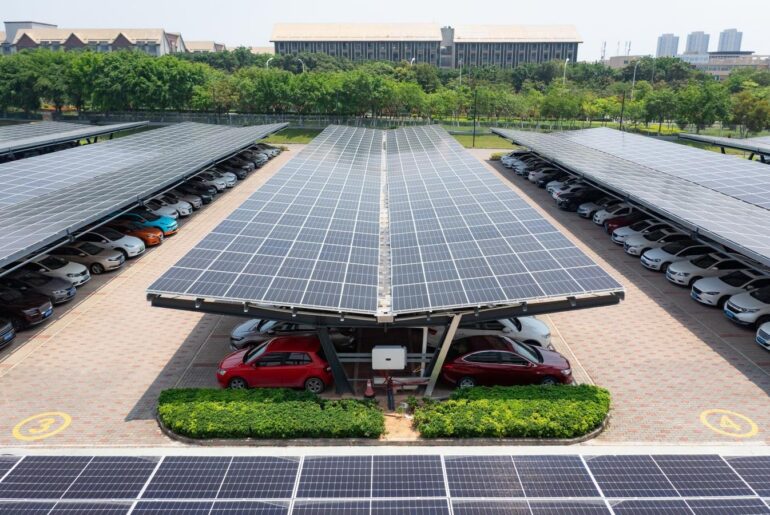
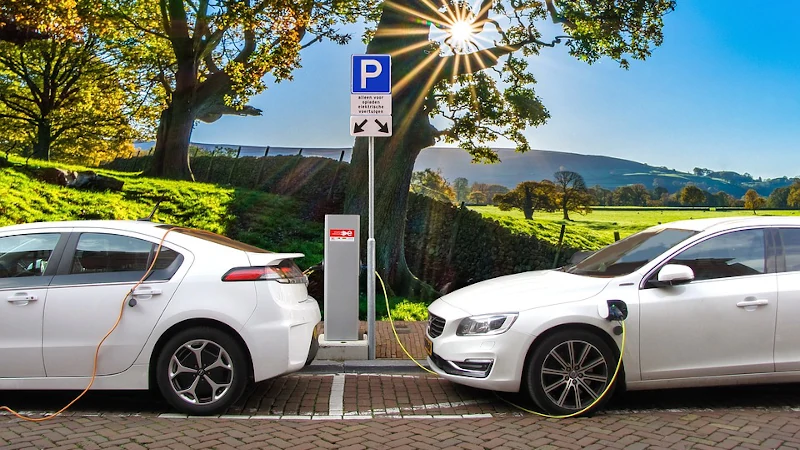
The widespread adoption of electric vehicles will require significant expansion in electricity generation and charging infrastructure. This is expected to drive increased investment in nuclear power, hydropower, wind, and solar energy. In parallel, smart grids, battery storage systems, and widespread charging networks will become increasingly critical. Markets and investors may need to shift focus from short-term oil price speculation to long-term energy transition strategies. Governments, in turn, are expected to align policies with this new reality by strengthening incentives and accelerating infrastructure development.
IMPLICATIONS AND OPPORTUNITIES FOR TÜRKİYE
As a net energy importer, Türkiye is directly exposed to the impacts of this crisis. Elevated fuel and electricity costs may intensify inflationary pressures. However, the country’s existing renewable energy capacity, progress in nuclear energy projects, and growing domestic manufacturing capabilities provide important advantages.
Key policy priorities for Türkiye include:
• Promoting the production and adoption of electric vehicles, rapidly expanding the nationwide charging infrastructure, and supporting domestic battery and motor manufacturing.
• Accelerating nuclear energy projects, advancing wind and solar targets, and making more effective use of the Renewable Energy Resource Area (YEKA) model.
• Enhancing energy efficiency standards, managing strategic reserves prudently, and diversifying energy import sources.
• Leveraging the crisis as an opportunity to position Türkiye as a regional energy hub.
A CRITICAL WINDOW FOR SUSTAINABLE ENERGY TRANSFORMATION
While the Gulf crisis presents short-term economic challenges, it may also serve as a catalyst for reducing dependence on fossil fuels and building a more resilient energy system less exposed to geopolitical risks. Elevated oil prices are making electric vehicles and renewable energy increasingly indispensable. Alignment by investors and policymakers with this emerging paradigm will not only enhance economic resilience but also contribute to a cleaner and more sustainable future.
Developments should be closely monitored. Even in the event of a ceasefire, the risk premium in energy markets may persist. Proactive, long-term strategies will be essential for Türkiye to navigate this global transition with minimal disruption—and potentially emerge with strategic advantage.