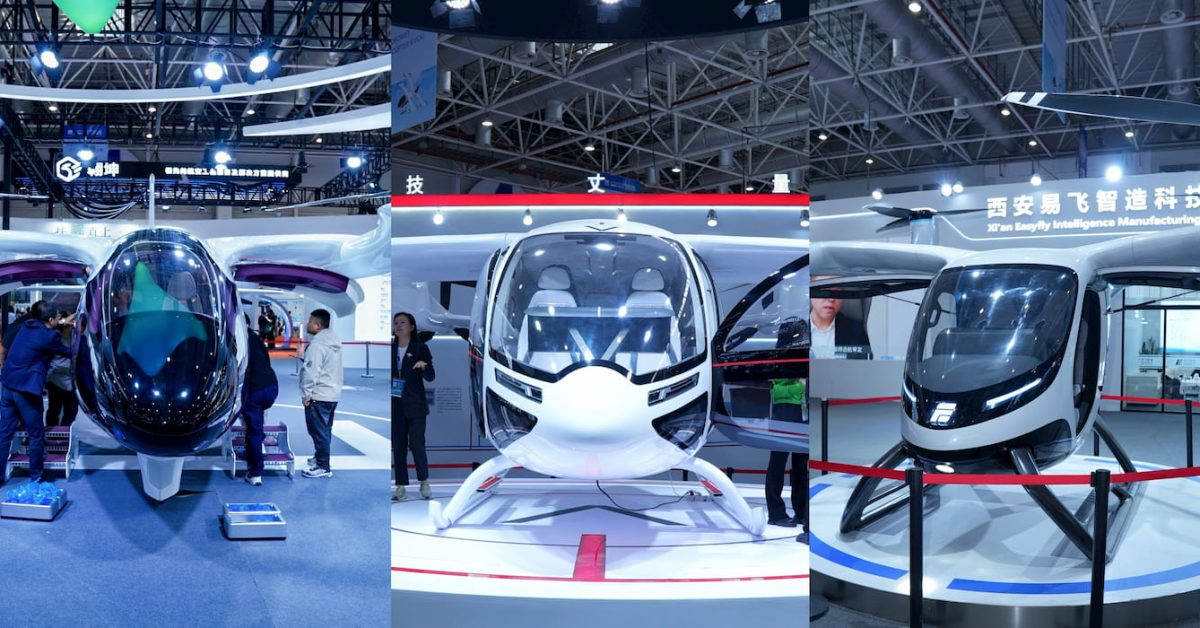
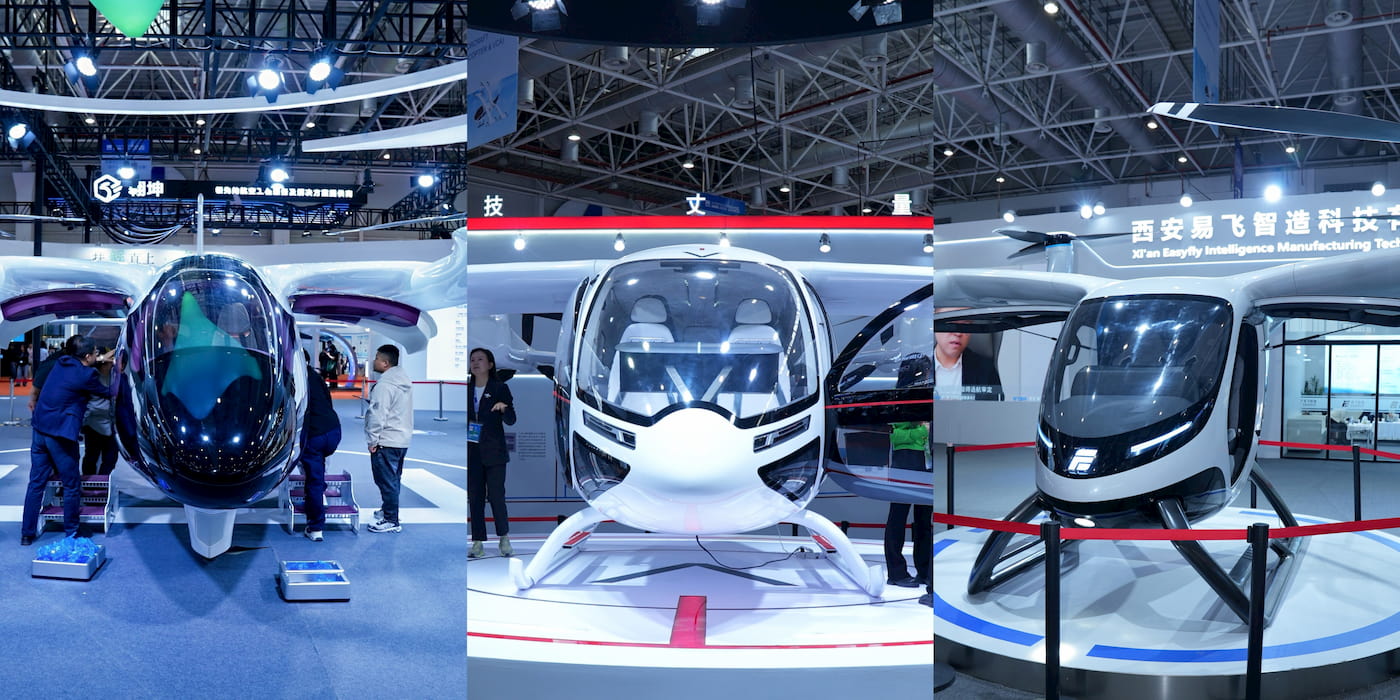
Semi-solid-state batteries are already expanding from the first passenger EVs to new segments, including flying cars and light trucks.
New battery chemistries, such as semi-solid, all-solid-state, and sodium-ion batteries, are quickly moving from the lab to reality.
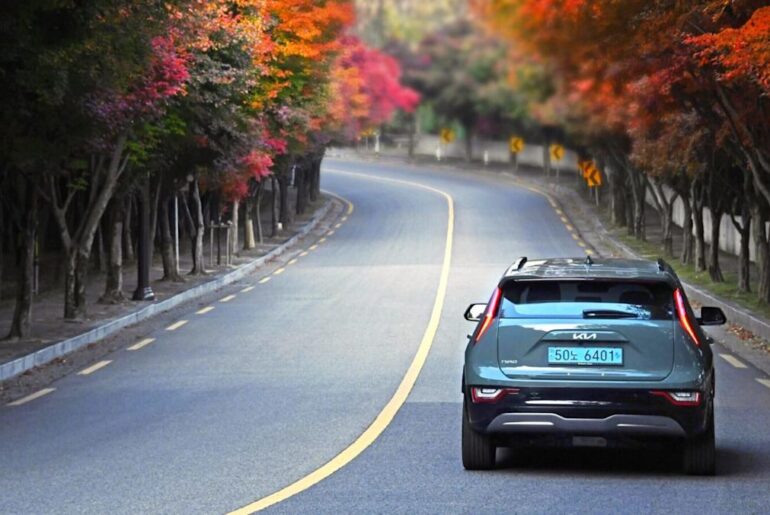
At the Chengdu Motor Show last year, SAIC Motor launched the new MG4, deeming it “the world’s first mass-produced semi-solid-state” EV.
As the first to achieve mass production of the new battery tech, SAIC said it was “setting a new benchmark,” enabling longer driving ranges, faster charging, enhanced efficiency, and improved safety and performance in cold weather.
Advertisement – scroll for more content
SAIC’s British sub-brand, MG Motor, introduced the MG SolidCore Battery last week, its semi-solid-state battery tech that will be used in upcoming EVs in Europe, such as the new MG4 EV Urban.
While the company didn’t reveal any battery specs or other details, the new MG4 in China uses a 53.95 kWh semi-solid manganese-based lithium-ion battery, delivering a CLTC range of 530 km (330 miles). It starts at just 102,800 yuan ($14,500).
In Europe, it will likely use the same battery, but the driving range will likely drop to around 400 km (248 miles) under WLTP conditions.
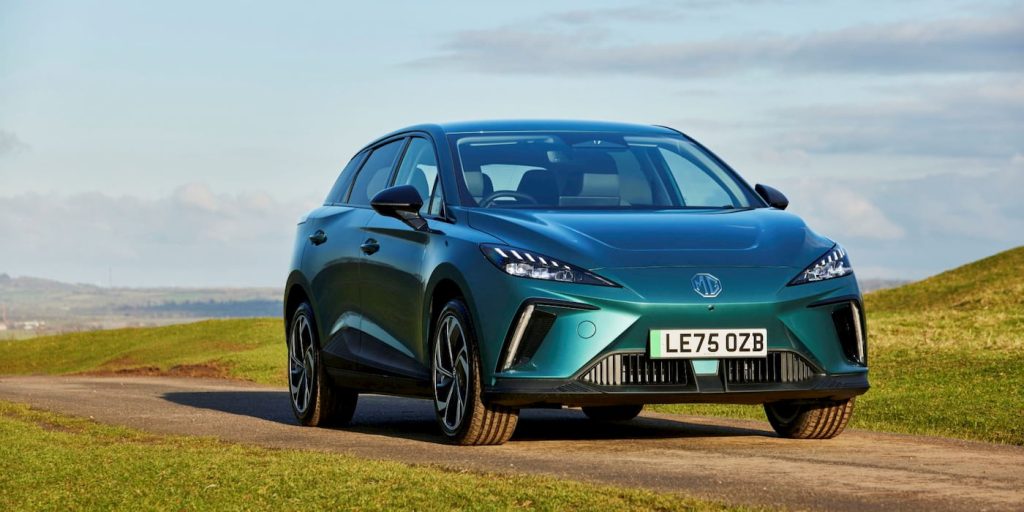 MG4 EV Urban (Source: MG Motors)
Semi-solid-state EV batteries power up trucks, flying cars
While semi-solid-state batteries are rolling out in passenger EVs, the new battery tech is now expanding into the commercial segment.
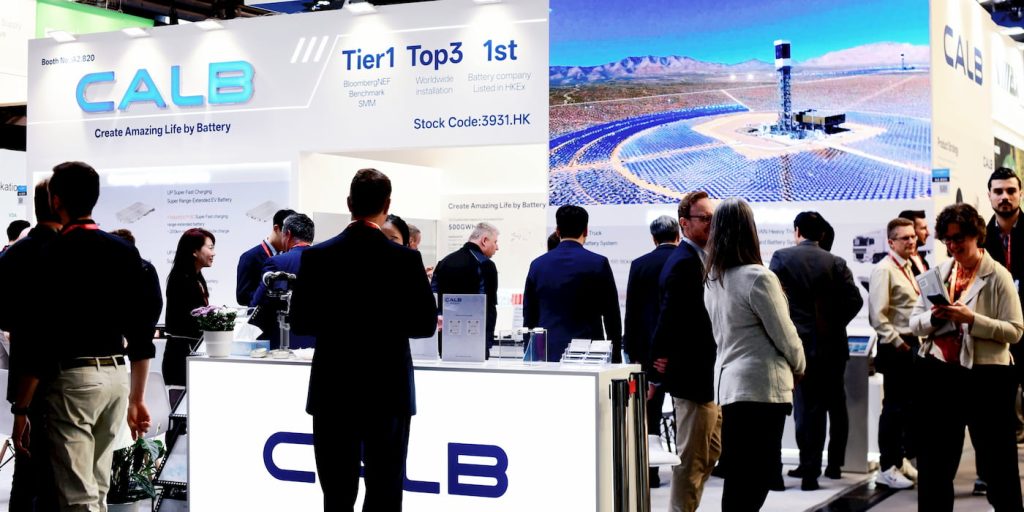
After releasing its 2025 annual report on March 28, China’s CALB highlighted its latest battery achievements and upcoming technologies.
CALB said it was the first to deploy semi-solid-state batteries in new energy commercial vehicles on a large scale. The company has achieved mass production, and the new battery tech is now being used in Chery Automotive’s light trucks.
 (Source: CALB)
The semi-solid-state battery boasts an energy density of 400 kW/kg, making it an ideal fit for commercial use. Not only does it provide a longer driving range, but it’s also significantly lighter.
With 2C fast charging, the battery can recharge from 30% to 80% in about 15 minutes. In temperatures as cold as -25°C (-23°F), it retains 20% more range than traditional lithium-ion batteries. The batteries successfully passed 44 safety tests, exceeding China’s battery standards.
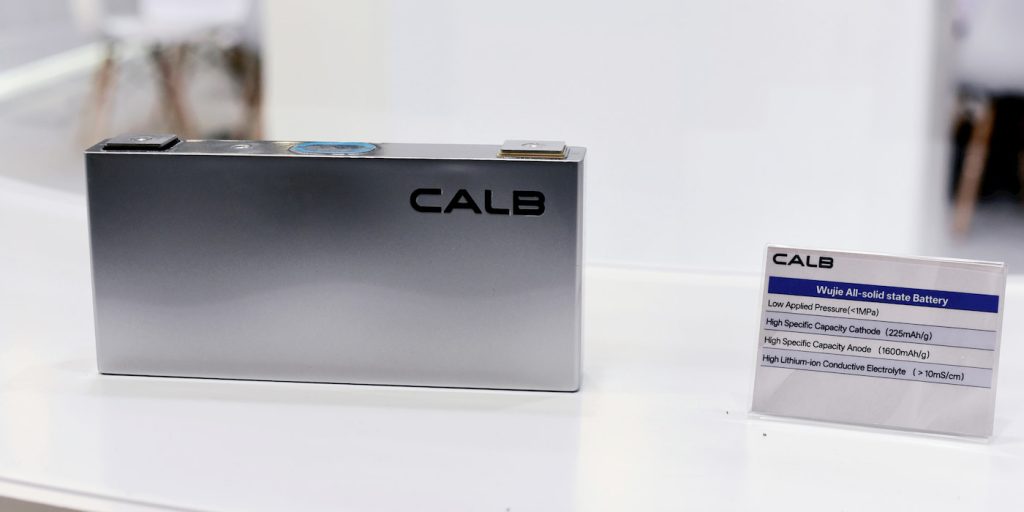 CALB Wujie all-solid-state battery (Source: CALB)
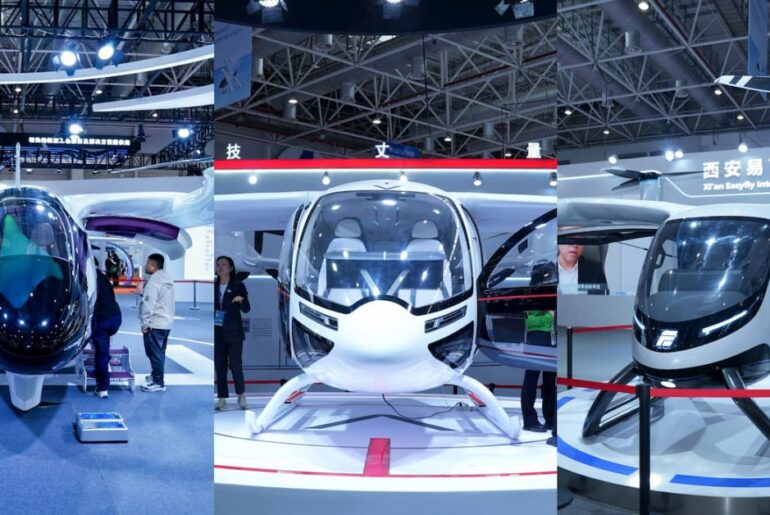
CALB also announced that its R46 cylindrical battery has entered mass production. The aviation-grade batteries will be supplied to leading eVTOL companies, including XPeng’s Aridge, to power flying cars.
Using a hybrid solid-liquid electrolyte, the battery achieves an energy density of up to 350 Wh/kg, making it suitable for eVTOLs such as the XPeng AEROHT X3.
In addition, CALB is developing an all-solid-state battery “WUJIE” with an energy density of 430 Wh/kg. The company completed an all-solid-state battery production line in October.
CALB ranked fourth globally in EV battery sales last year, with a 5.3% market share, according to SNE Research. CATL widened its lead, accounting for 39.2% of the market, followed by BYD (16.4%) and LG Energy Solution (9.2%).


FTC: We use income earning auto affiliate links. More.