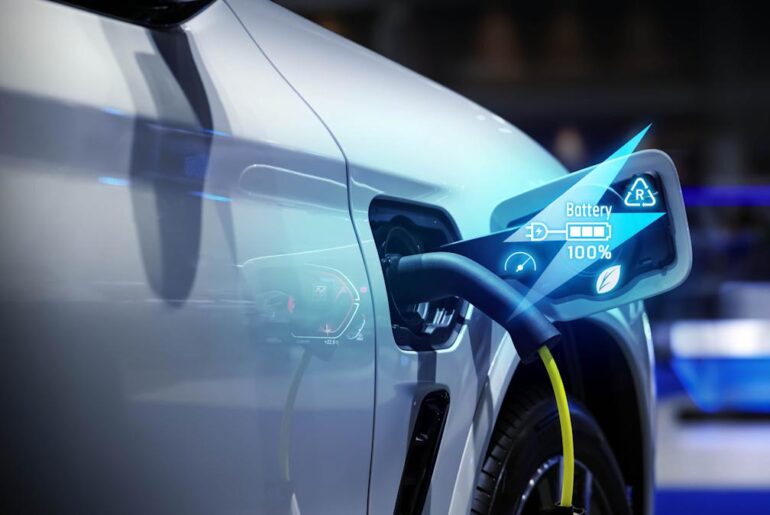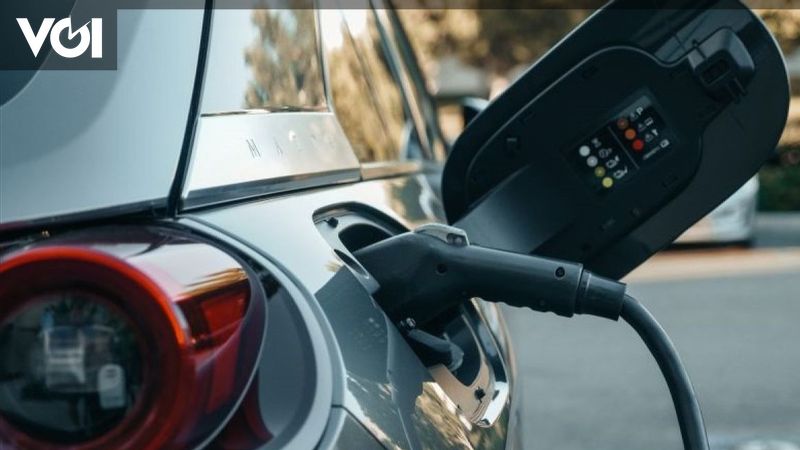
JAKARTA – The acceleration of the adoption of electric vehicles (electric vehicles/EV) is considered a strategic step to reduce the pressure of the global oil price surge on the state’s revenue and expenditure budget (APBN) by reducing dependence on oil imports.
“Every increase in global oil prices will push the inflation of energy subsidies and compensation. This risks reducing fiscal space for productive spending such as infrastructure, education, and health,” said automotive observer Martinus Pasaribu, quoted by Antara, Monday, March 30.
According to him, around 60-70 percent of the national oil needs are still met by imports, while domestic oil lifting continues to decline and is in the range of 600 thousand barrels per day.
This condition, he continued in his statement in Jakarta, Monday, makes the state budget very vulnerable to fluctuations in world oil prices, especially in the midst of escalating geopolitical conflicts such as in the Strait of Hormuz.
Martinus explained that in the macro assumption of the State Budget, an increase in oil prices of 1 US dollar per barrel could increase the burden of energy subsidies and compensation by around Rp8 – 10 trillion.
With the realization of world oil prices that can penetrate 90 – 100 US dollars per barrel, the total energy subsidy spending has the potential to swell again to approach or even exceed Rp300 trillion per year, as has happened in recent years.
Regarding this, he added, electric vehicles are a long-term solution because they can significantly reduce fuel consumption, because in addition to reducing imports, the switch to electricity also helps reduce the need for fuel subsidies, which have been largely enjoyed by the transportation sector.
In terms of efficiency, he explained, electric vehicles are much more economical. The average energy cost of electric vehicles is only around Rp300 – 500 per km, compared to gasoline-powered vehicles that can reach Rp1,000 – 1,500 per km, depending on the type of vehicle and fuel prices, so there is a potential for operational cost savings of up to 60 – 70 percent for users.
“It is estimated that the use of 1 million electric cars can save around 1.25 million kiloliters of fuel per year, while 5 million electric motors have the potential to save up to 1.75 million kiloliters,” said Martinus.
He said that if converted, the total savings would be around 3 million kiloliters of fuel per year, which comes from the combination of the use of 1 million electric cars and 5 million electric motors, equivalent to a significant reduction in oil imports.
Assuming the global oil price is in the range of US$90-100 per barrel and the current rupiah exchange rate, according to him, the reduction in imports can save foreign exchange of around Rp30-40 trillion per year.
In addition, the reduced domestic fuel consumption also has the potential to reduce the burden of energy subsidies and compensation, which have been one of the largest components of state spending, so that the government’s fiscal space can be more focused on productive sectors such as infrastructure, education, and health.
He emphasized that transportation electrification also has a double effect, ranging from strengthening the domestic battery industry, increasing investment, to creating new jobs in the manufacturing and clean energy sectors.
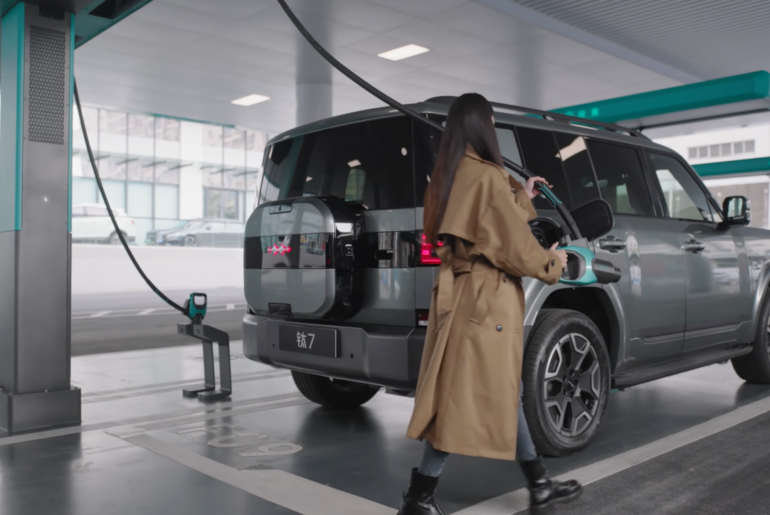
For this reason, he continued, the government needs to accelerate the adoption of electric vehicles through integrated policies, ranging from fiscal incentives, the development of charging infrastructure (SPKLU), to strengthening the national electric vehicle industry ecosystem.
“The transition to electric vehicles is not only a step towards clean energy, but also a concrete strategy for foreign exchange savings, maintaining fiscal resilience, and strengthening national energy sovereignty in the midst of global uncertainty,” he said.
The English, Chinese, Japanese, Arabic, and French versions are automatically generated by the AI. So there may still be inaccuracies in translating, please always see Indonesian as our main language.
(system supported by DigitalSiber.id)