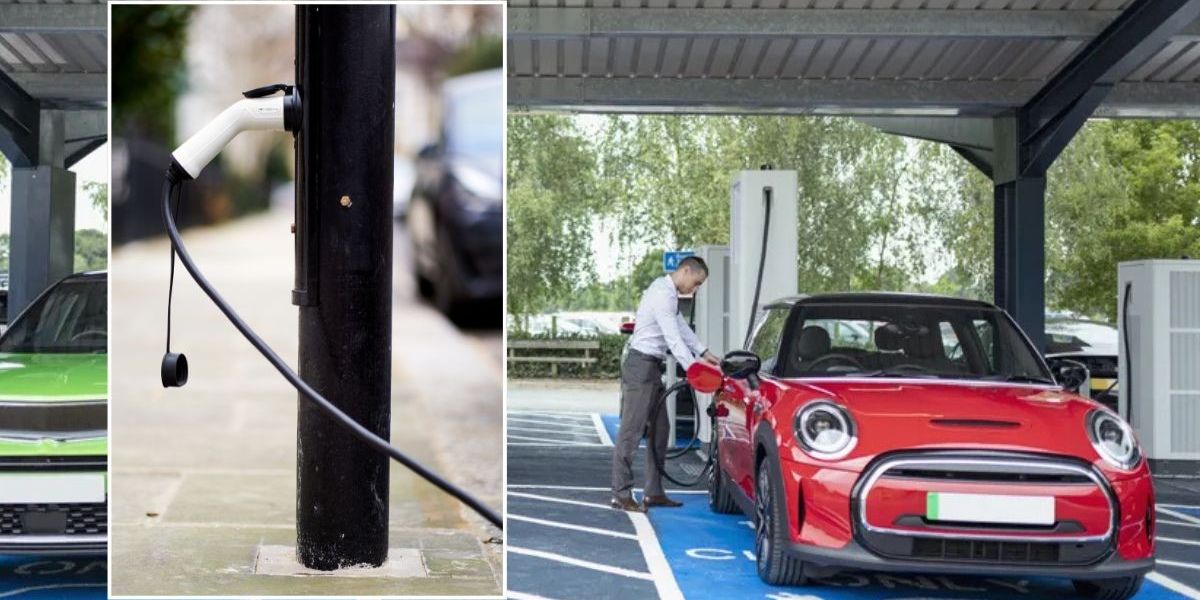
Some electric car charging operators are facing enormous costs as energy prices soar in response to the oil crisis in the Middle East.
While much of the attention has been on petrol and diesel prices rising to their highest rates in more than two years, electric car drivers are also feeling the pinch.
Chargepoint operators have faced expensive costs as a result of soaring energy prices, warning that they may need to hike costs for drivers.
The Telegraph reported that Osprey claimed its charging costs had jumped from £87 a year to £33,651 a year at a site in Wolverhampton.
This staggering 38,579 per cent jump in costs is further evidence of soaring energy costs across the UK, with motorists potentially facing increases when charging.
Similarly, chargepoint operator Fastned said it was paying £41,000 every year to maintain a site in Hamilton, South Lanarkshire.
In recent years, the Government has been urged to support chargepoint operators with support towards high energy costs and ensure uptake of EVs continues.
Millions of drivers will rely on public charging points over the coming years and may delay their decision to ditch petrol and diesel if prices are not competitive.
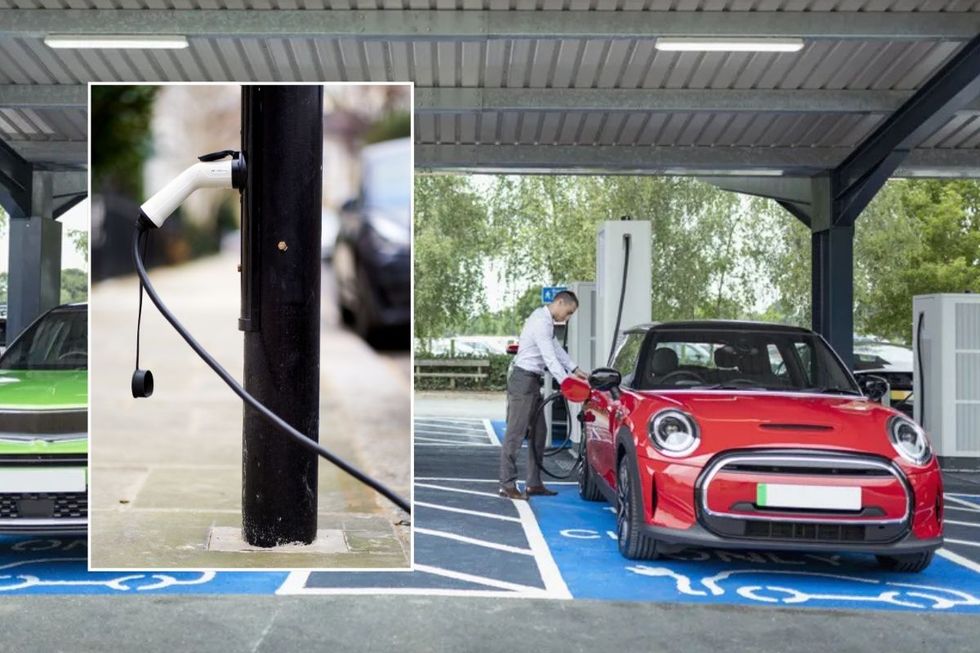
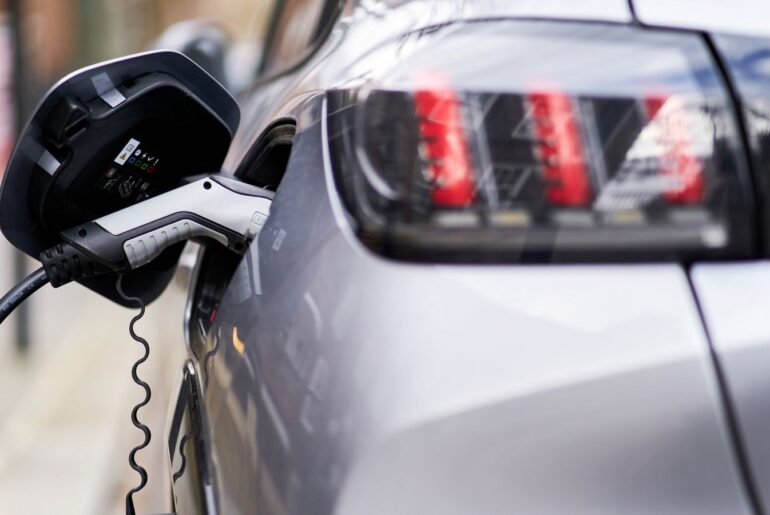
Some operators are facing huge costs to keep public EV chargers running
| PA/GETTY
Industry body ChargeUK explained that changes introduced in 2023 now set prices based on the size of a site’s grid connection, rather than power use.
It added that chargepoint operators were facing the consequences of building first and allowing the demand to catch up.
While there is not a set target for the number of chargers installed by the end of the decade, the Johnson government suggested that around 300,000 chargers would be installed by 2030.
However, recent estimates now put this at between 250,000 and 550,000 public chargers by the end of the decade.
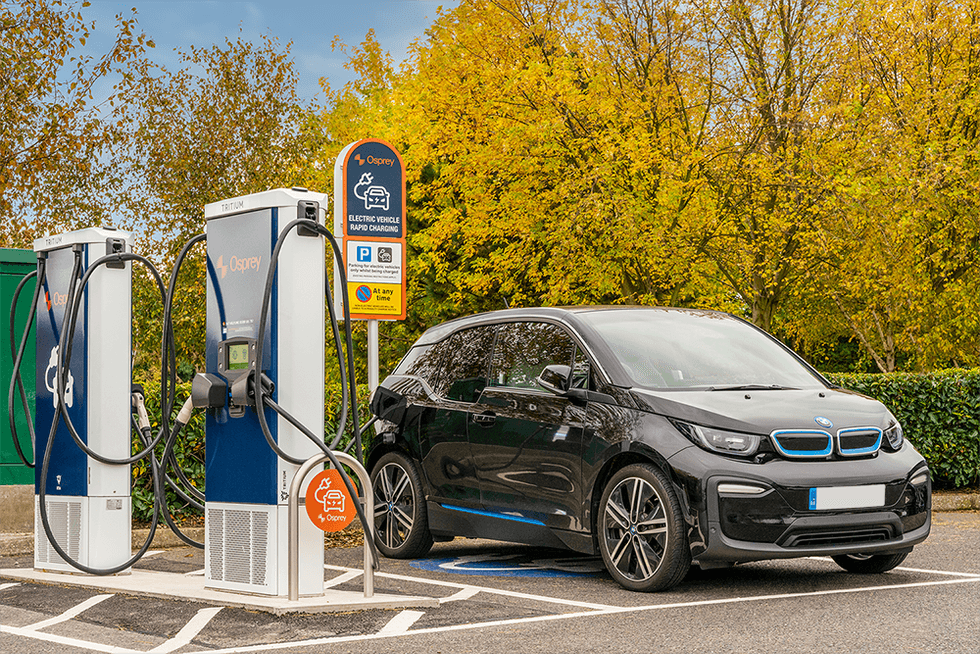
Osprey said it had seen its energy costs soar in recent years
| OSPREY CHARGING
The latest data from Zapmap shows that the UK has 118,321 EV chargers across 45,561 locations, as of the end of February 2026.
Asif Ghafoor, chief executive of Be.EV, said the company may abandon plans to build a new charging hub in North Yorkshire, as it would face costs of around £30,000.
He said operators were now dealing with situations where they have to take alternative measures, including installing batteries, to reduce annual costs.
Mr Ghafoor said: “We need to build enough charging infrastructure so that buying an EV becomes the obvious choice to most drivers.
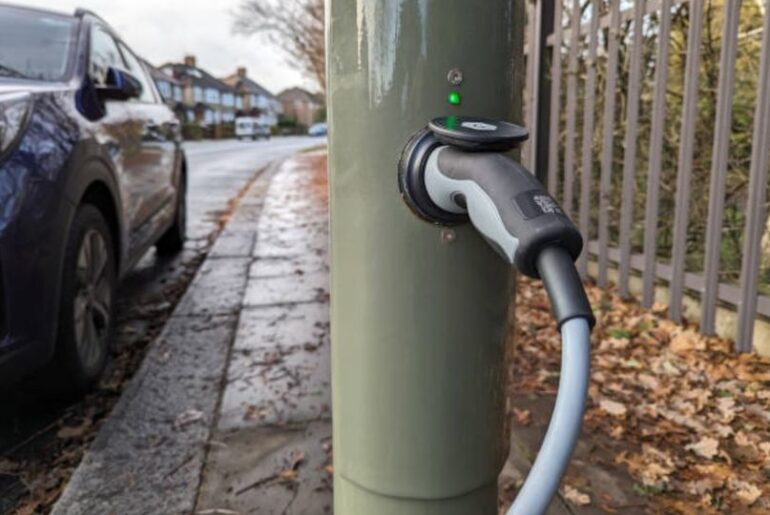
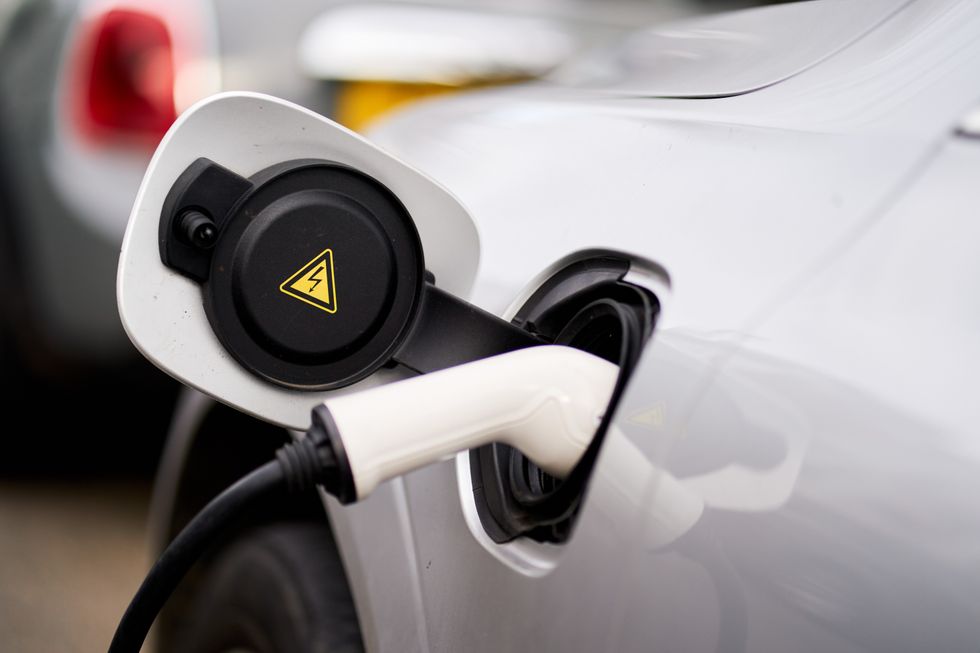 There are more than 118,000 electric car chargers across the UK | PA
“And these chargers are subject to high standing charges, regardless of how much they’re being used. At the moment, we simply absorb them, but that is not sustainable,” he told The Telegraph.
Chancellor Rachel Reeves confirmed that the Government would provide an extra £100million for public EV chargers in the recent Autumn Budget.
This is alongside £400million committed in the 2025 Spending Review to accelerate the rollout of charging devices.