Tesla Inc.‘s ride-hailing service in the state of California isn’t classified as an autonomous vehicle service or Robotaxi, according to a statement by an official from the California Public Utilities Commission (CPUC) on Wednesday.
In an appearance on the Driverless Digest podcast on Monday, Pat Tsen, who serves as the Deputy Executive Director for Consumer Policy, Transportation, and Enforcement at the CPUC, confirmed that the EV giant holds the same permit by the Department of Motor Vehicles that is issued to limousine operators in the state.
Don’t Miss:
“Tesla is not operating an autonomous vehicle service,” Tsen confirmed, adding that the CPUC classified vehicles based on the Society of Automotive Engineers (SAE) system, with autonomous vehicles being defined as an SAE Level 3, which illustrates that “the onboard AI system is capable of navigating designated road conditions within an operational design domain on its own,” she added.
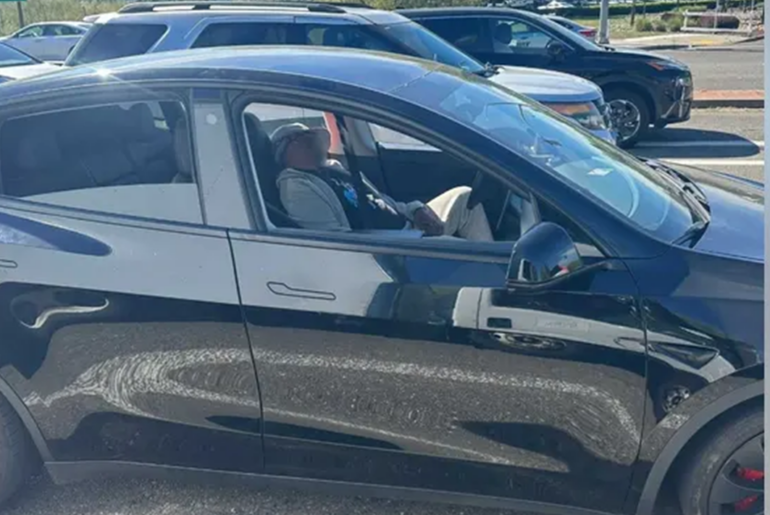
Tesla was at level 2 and featured a safety driver, which is classified as a driver, even if they do not engage with driving operations, by CPUC rules. This also means that it was exempt from reporting any data to the CPUC, she confirmed. Tsen shared that the automaker was “not subject to the autonomous vehicle program reporting requirements” under the rules.
The comments come as Tesla is gearing up to launch its Cybercab, which will retail for $30,000 and feature neither pedals nor a steering wheel. The Cybercab will also be ramping up production in April, as confirmed by Musk, who shared that production would be slow initially.
See Also: What If Tires Didn’t Need Air — Or Replacing? This Startup Says It’s Possible
However, Tesla’s Full Self-Driving (FSD) system has been under scrutiny by NHTSA, with a potential recall looming over the technology that serves as the cornerstone for the automaker’s self-driving efforts, as well as its Robotaxi. However, the agency has proposed amendments to the Federal Motor Vehicle Safety Standards (FMVSS), which could boost development of the Cybercab.
A recent analysis by investment bank Jeffries confirmed that while the Robotaxi in Austin was cheaper when compared to its rival, Alphabet Inc.‘s Waymo, the service had an onboard safety operator on almost all the rides and grappled with availability issues.