March 27, 2026
By Nehal Malik
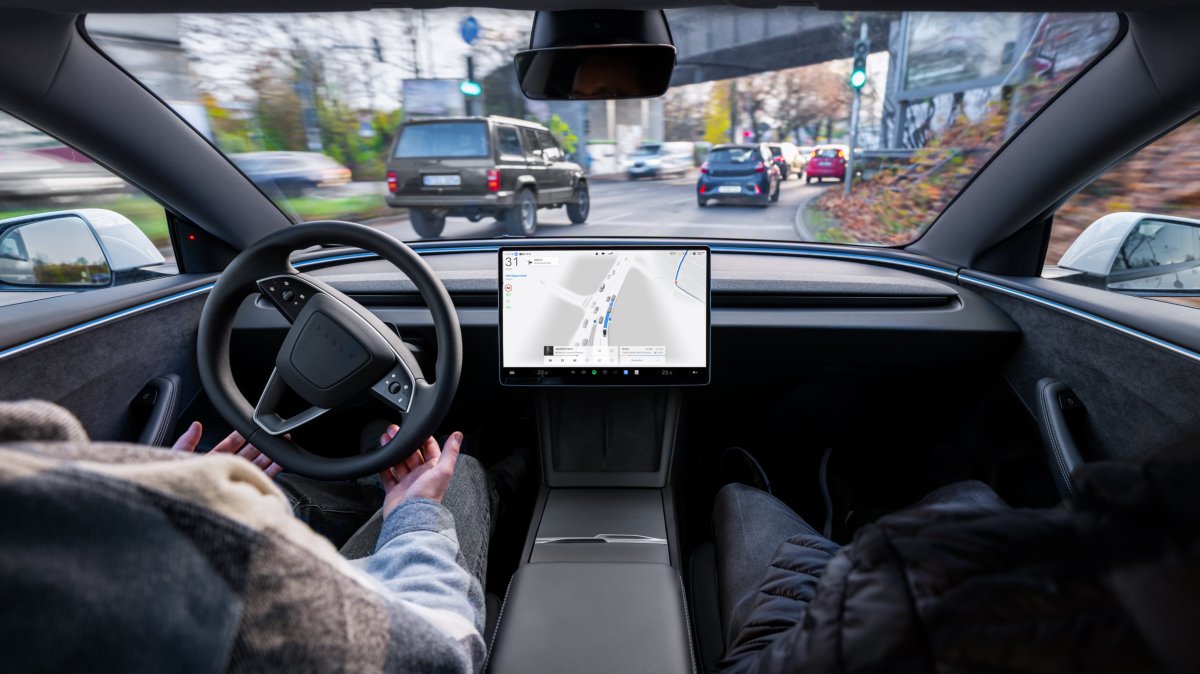
Tesla’s Full Self-Driving (FSD) software is on the verge of a major Middle Eastern expansion. After months of regulatory reviews and mounting pressure from local owners, Israel’s Minister of Transport, Miri Regev, has all but confirmed that the technology is finally crossing the finish line.
The confirmation came in a brief but powerful response on X. After Elon Musk shared a video of FSD expertly navigating a cramped street with a parked truck and oncoming traffic in the next lane, encouraging users to try the software, Minister Regev replied with two simple words: “Coming soon…”
Just squeezing through pic.twitter.com/RmxoKsSCwk
— Tesla (@Tesla) March 25, 2026 The Petition That Sparked a Movement
This development is a massive win for the local Tesla community. Israeli owners have been vying for FSD approval for some time, even launching a petition that amassed over 1,000 verified signatures. The group argued that the software, which is already live in the U.S., Canada, Mexico, China, Australia, New Zealand, and South Korea, could significantly improve road safety in a country known for high traffic density.
Minister Regev’s proactive stance suggests that the Israeli government sees the potential for autonomous tech to reduce accidents. Tesla already has a strong footprint in the “startup nation,” having officially entered the market in 2021 and adding Hebrew language support in 2023. Because many Teslas in Israel are newer models equipped with AI4 (Hardware 4), most vehicles on the road are already physically capable of running the latest FSD versions.
A Race for International Expansion
Israel is now locked in a friendly race with Europe to see who joins the FSD club next. While the Netherlands is set for a landmark approval next month — which would open the doors for the rest of the EU — Israel’s small, tech-forward market could potentially beat them to a wide rollout.
Tesla is currently moving toward unsupervised FSD, and adding Israel to the map provides the company with vital data on unique Middle Eastern driving scenarios. This regional data is crucial for training the neural networks to handle local infrastructure and driving habits, much like the company did for Australia’s unique “hook turns.”
What to Expect at Launch
Based on how Tesla handled the rollout in other international markets, we expect the software to cost roughly 25,000 ILS (~$8,000 USD) as a one-time purchase, or approximately 300 ILS (~$99 USD) as a monthly subscription. That said, with Tesla already discontinuing one-time FSD purchases in North America, there’s a chance the company will leave that option out entirely and instead launch FSD as a subscription-only software service in Israel. The rollout will likely be staggered, with Hardware 4 owners getting access first to ensure the system is tuned perfectly for Israeli roads.
With Elon Musk recently confirming that FSD v14.3 is in testing, Israeli owners might even get to skip straight to the latest and greatest version of the software. As the Minister’s “Coming soon” tease suggests, the “flick of the switch” for Israeli autonomy is likely just weeks away.
Subscribe to our newsletter to stay up to date on the latest Tesla news, upcoming features and software updates.
March 27, 2026
By Nehal Malik
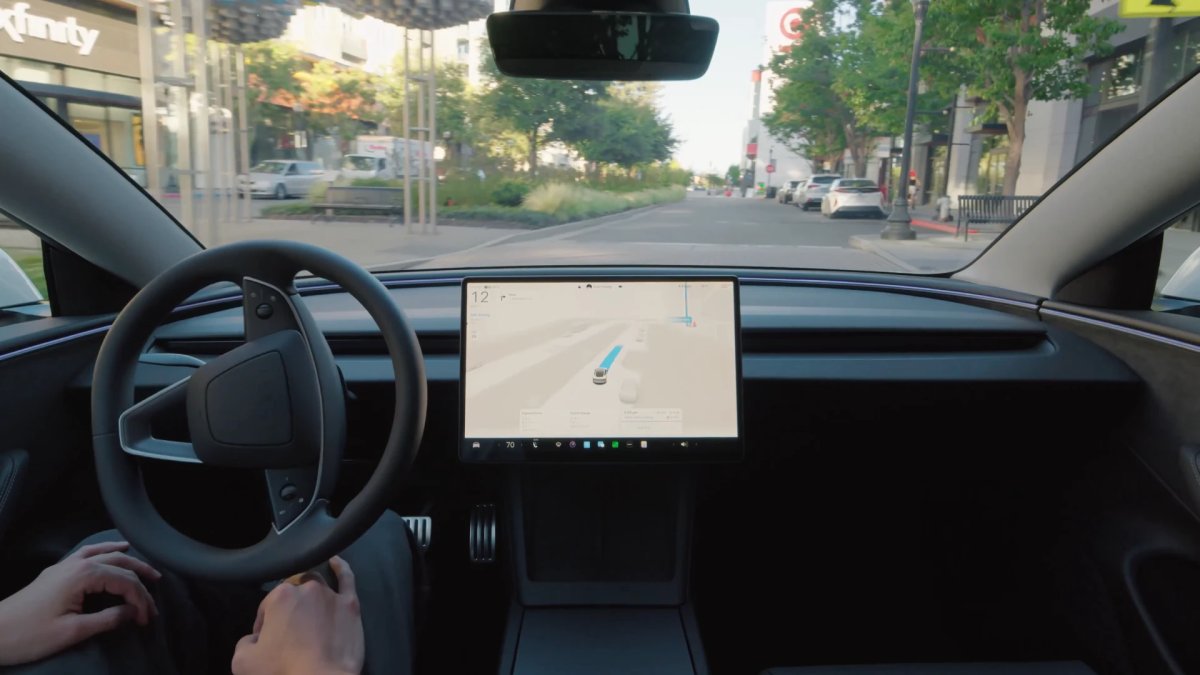
Tesla is highlighting the real-world power of its autonomy software through the eyes of a customer who recently did the unthinkable. David Moss, a Model 3 owner, successfully completed a coast-to-coast trip across the United States last December using Full Self-Driving (Supervised) with absolutely zero interventions.
According to a new customer story shared by Tesla, Moss traveled from the Tesla Diner in Los Angeles all the way to Myrtle Beach, South Carolina. The journey covered 2,732 miles in just 2 days and 20 hours. During that entire window, the car handled every turn, stop sign, and even navigated the Supercharger stops without David having to touch the steering wheel or pedals.
Tesla has released a new video with @DavidMoss, highlighting his recent cross-country trip on FSD (Supervised) with zero disengagements.
“Moss’s Model 3 handled every road sign, turn and Supercharger stop, traveling over 2,700 miles in 2 days and 20 hours. Part of his over… pic.twitter.com/BirpgsrS7R
— Sawyer Merritt (@SawyerMerritt) March 26, 2026 Crossing the 10,000-Mile Threshold
This cross-country sprint was actually part of a much larger mission. David managed to reach a record-breaking streak of 12,961 miles without a single intervention. For nearly eight weeks, he traveled through 30 different states, trusting the car to navigate complex urban environments and long highway stretches alike.
David himself shared his excitement on X after reaching the Atlantic coast, stating, “This was accomplished with Tesla FSD V14.2 with absolutely 0 disengagements of any kind even for all parking including at Tesla Superchargers.”
The streak only came to an end due to the weather. While driving through rural Wisconsin in January, David encountered snow-covered roads and freezing temperatures that obscured lane lines. Choosing safety over the streak, he took over manually to navigate the icy conditions. It’s a reminder that while FSD (Supervised) is incredibly capable, extreme edge cases like blizzards still provide a challenge for neural networks.
The Road to Global Autonomy
David’s journey took place on FSD version 14.2, but the software is moving fast. Elon Musk recently confirmed that version 14.3 is already in testing and should see a wide release shortly. Each update aims to further close the gap on those tricky weather scenarios that David encountered and move Tesla closer to its goal of unsupervised autonomy.
Tesla sharing the success of FSD’s long-distance runs is perfectly timed with the company’s global ambitions. The software is finally set for European approval in the Netherlands next month, which will open the door for a massive expansion across the EU.
What David Moss proved is that the “coast-to-coast” self-driving dream Elon Musk talked about a decade ago isn’t just a promise anymore — it’s a verified reality and inching closer to an everyday occurrence. As Tesla continues to refine the system, these intervention-free streaks will likely become the standard rather than the exception. We’re moving closer to a world where “driving” across the country simply means picking a destination and enjoying the ride.
March 26, 2026
By Nehal Malik
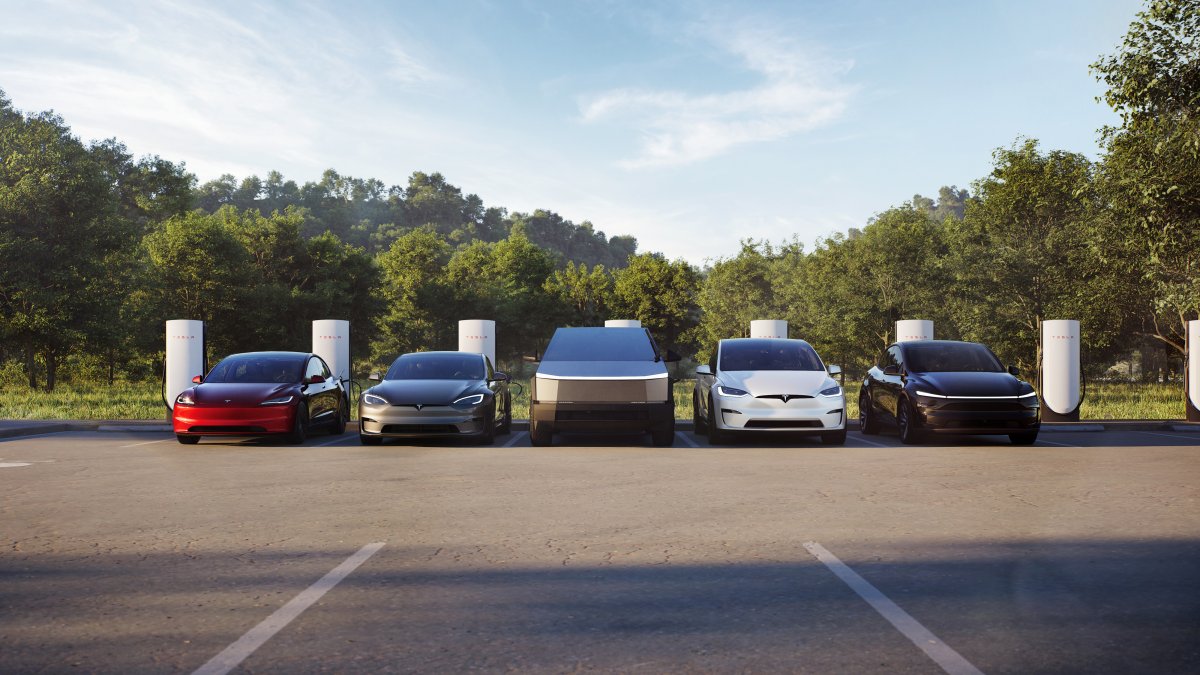
Tesla has officially released its company-compiled analyst delivery consensus for the first quarter of 2026, giving us a clear look at what Wall Street expects when the final numbers drop next week. According to the data, which includes estimates from 23 top-tier firms like Goldman Sachs, Morgan Stanley, and JP Morgan, the bar has been set for both vehicle deliveries and energy storage deployments.
Analysts expect Tesla to deliver 365,645 vehicles in Q1 2026 and deploy 14.4 GWh of energy storage this quarter. While Tesla released these figures, the company made sure to include a disclaimer in its investor relations press release, stating that it “does not endorse any information, recommendations or conclusions made by the analysts.”
Breaking Down the Numbers
If Tesla hits the consensus of 365,645 deliveries, it would represent a healthy year-over-year increase. For comparison, the company reported delivering 336,681 vehicles in Q1 2025. However, it would be a step down from the 418,227 units delivered during the massive holiday push in Q4 2025. This seasonal dip is pretty common in the auto industry, as the first quarter is usually the slowest for new car sales.
The bulk of these deliveries will inevitably be the Model 3 and Model Y, which analysts expect to account for 351,179 units. The “Other Models” category — which includes the Cybertruck, Semi, and the outgoing Model S and X — is expected to chip in about 13,946 units.
Energy Storage: The Rising Star
While vehicle growth is steady, Tesla’s energy division is looking like the real standout. The consensus of 14.4 GWh in energy storage deployments would set a brand-new record for the company, barely beating out the 14.2 GWh reported last quarter.
Tesla Energy is quickly becoming a massive bright spot as the company prepares to start shipping its next-gen Megapack 3 and Megablock products. To support this growth, Tesla recently signed a $4.3 billion deal with LG for a new LFP battery factory in the U.S. This vertical integration is helping Tesla maintain its lead even as the broader EV market faces some headwinds.
Tesla is expected to report its actual final delivery and deployment numbers next week on Thursday, April 2. These reports are usually the biggest catalyst for the stock in any given month, so all eyes will be on whether Elon Musk and his team can beat the “wisdom of the crowd.” Stay tuned for our coverage of Tesla’s Q1 delivery numbers when they officially drop.