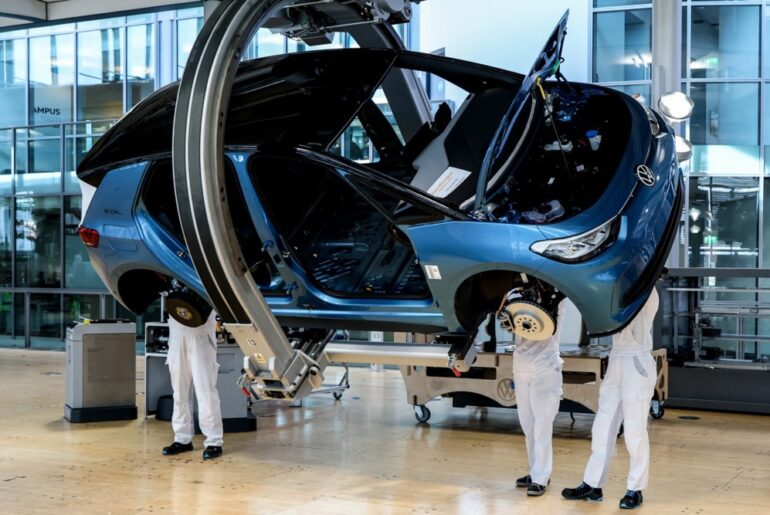
The electrification of corporate fleets across Europe is gaining momentum. More than half of companies intend to add additional fully electric vehicles over the next two years. At the same time, fleet managers are dealing with significant challenges – especially rising costs, increasing sustainability requirements and a public charging network that many still consider insufficient. These are the findings of the latest DKV Mobility E‑Mobility Study, based on a survey of 1,732 fleet and mobility managers across Europe.
“Our report clearly shows that electrification in European companies is accelerating. At the same time, it becomes evident that transforming corporate fleets remains a complex strategic task for many businesses,” says Sven Mehringer, Managing Director at DKV Mobility and responsible for Energy & Vehicle Services.
While the study was conducted across Europe, the findings are strongly reflected in the UK market, where fleet electrification is gaining momentum. The UK is one of Europe’s largest electric vehicle markets, with battery electric vehicles accounting for around 16% of new car registrations in 2024. “In the UK, we see strong momentum towards electrification, driven by regulation and corporate sustainability targets,” says Neil White, Country Manager UK at DKV Mobility. “At the same time, fleet managers are facing rising costs, increasing electricity prices and ongoing concerns about public charging infrastructure. As a result, companies are focusing more on controlling total cost of ownership and investing in their own charging infrastructure to ensure reliable operations.”
The study highlights that the transformation of corporate mobility is shaped by several structural factors. Three themes stand out as the biggest challenges for fleet management: rising cost pressure, increasing sustainability requirements, and the electrification of fleets. Larger companies and the transport sector in particular feel these pressures most strongly.
At the same time, many companies are planning significant changes to their fleet structures in the coming years. Around 56 percent of surveyed companies intend to purchase more fully electric vehicles, while only a small proportion expect a decline. Plug‑in hybrids also remain an important part of many companies’ fleet strategies. Traditional combustion engines, by contrast, are expected to play a diminishing role over time.
Companies identify three main barriers to further electrification: high purchase costs, rising electricity prices, and the perceived limited range of electric vehicles. Many respondents also point to a still insufficiently developed public charging infrastructure. “Many companies have clearly committed to electrifying their fleets. The decisive factor now will be whether key framework conditions, such as costs, energy prices and infrastructure can keep pace with this momentum,” says Mehringer.
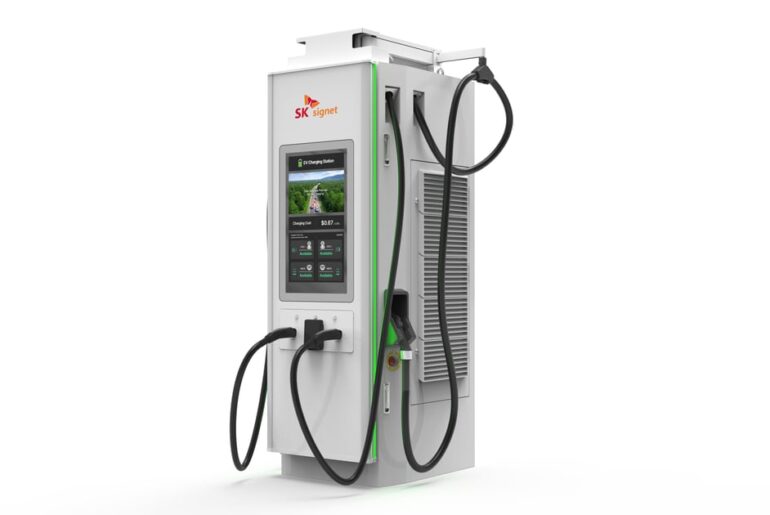
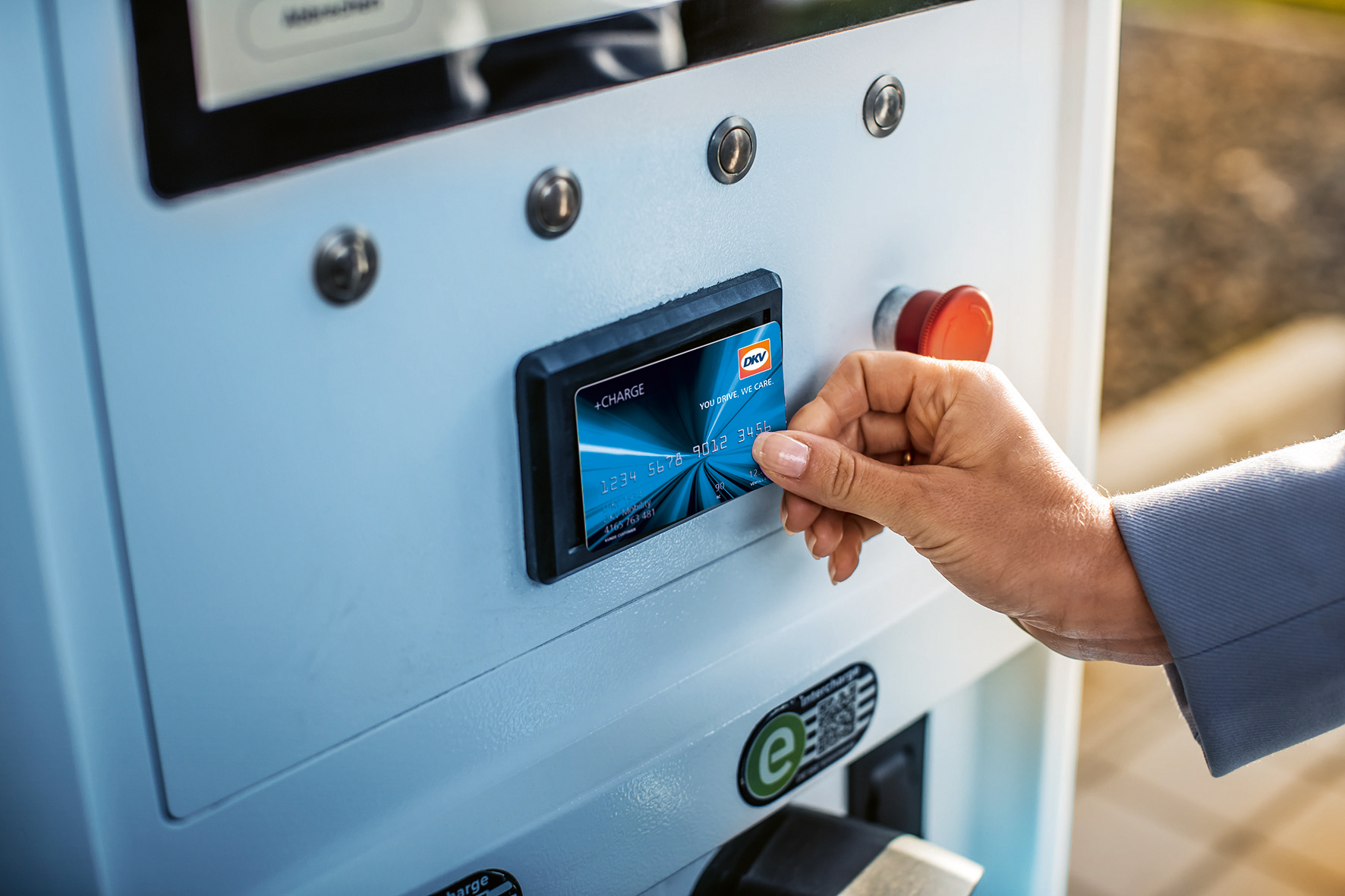
At the same time, many companies are investing in their own charging solutions. Today, around nine out of ten companies with electric vehicles already operate charging infrastructure on their premises. A clear majority also plans to further expand this infrastructure over the next two years.