Your support helps us to tell the story
From reproductive rights to climate change to Big Tech, The Independent is on the ground when the story is developing. Whether it’s investigating the financials of Elon Musk’s pro-Trump PAC or producing our latest documentary, ‘The A Word’, which shines a light on the American women fighting for reproductive rights, we know how important it is to parse out the facts from the messaging.
At such a critical moment in US history, we need reporters on the ground. Your donation allows us to keep sending journalists to speak to both sides of the story.
The Independent is trusted by Americans across the entire political spectrum. And unlike many other quality news outlets, we choose not to lock Americans out of our reporting and analysis with paywalls. We believe quality journalism should be available to everyone, paid for by those who can afford it.
Your support makes all the difference.Read more
Drivers without access to a driveway are being held back from switching to electric cars by council red tape and planning rules, according to new research.
A survey of EV drivers and prospective buyers who rely on on-street parking suggests that home charging remains a key factor in the decision to go electric. More than four in 10 respondents (43.7 per cent) said they would only consider buying an EV if they could charge it at home, while a further 33 per cent said access to home charging would make them more likely to switch.
However, planning restrictions appear to be a significant barrier. More than eight in 10 (84 per cent) said the requirement to apply for planning permission for a home charger would deter them from buying an electric car, with 42.8 per cent saying it would prevent them from doing so altogether.
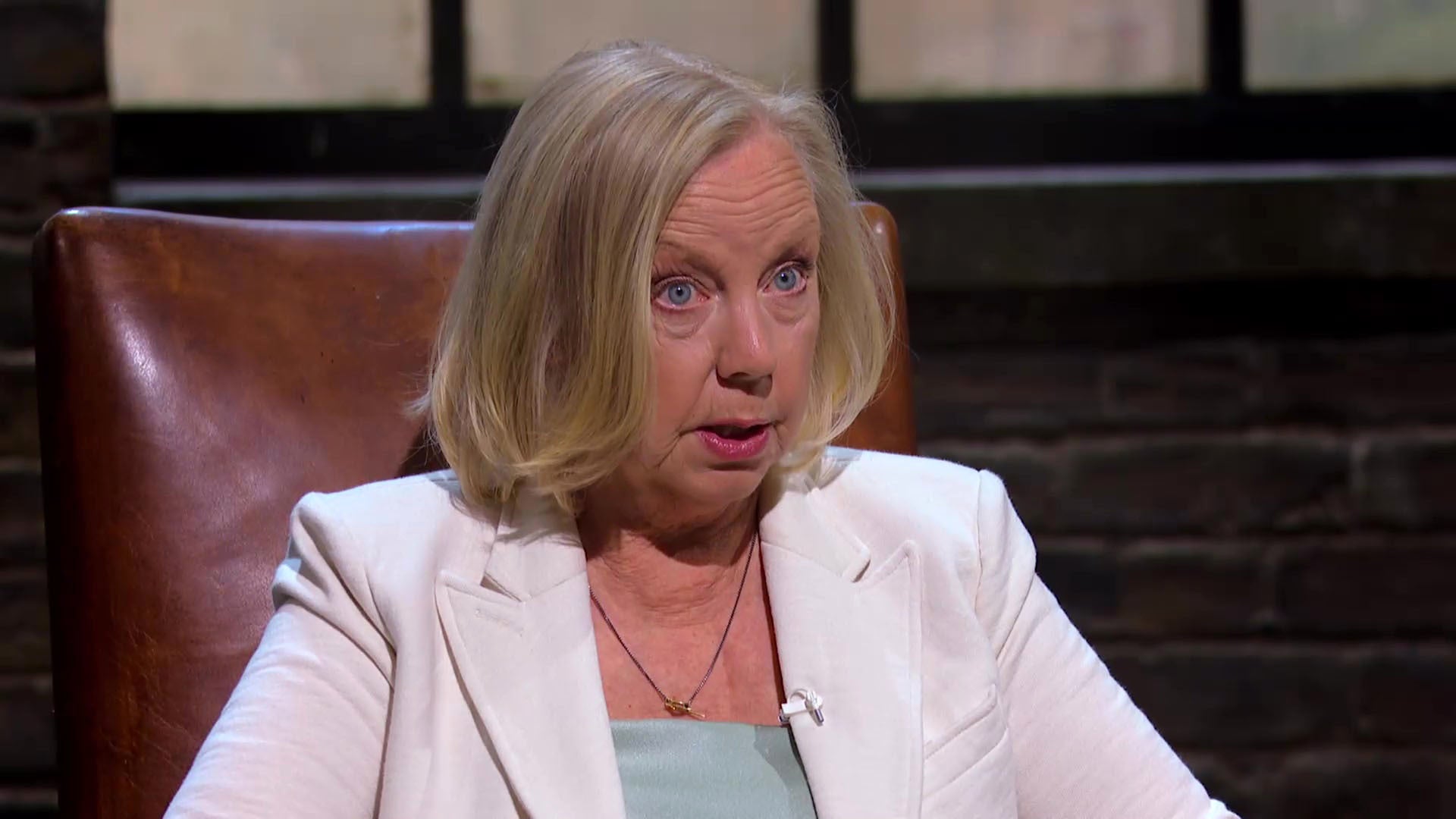 Dragons’ Den star Deborah Meaden backed Kerbo Charge after the brand was featured on the hit TV show (BBC)
The findings highlight the challenges faced by households without off-street parking, who are often reliant on public charging infrastructure. The research points to frustration over both the cost and availability of public chargers, with some respondents highlighting the practical difficulties of running cables across pavements.
One potential solution is the use of cross-pavement charging channels, which allow a cable to run safely between a home and a parked car. These systems, which sit flush with the pavement and can be covered when not in use, have been described by users as a “game-changer” for enabling EV ownership without a driveway.
Dragon Den’s star Deborah Meaden, an investor in Kerbo Charge following the brand’s appearance on the hit TV show, said: “There is a real problem to solve here: how to make EV charging fair and equitable for everyone, not just those with driveways.
“This research shows the scale of that challenge, and I’m delighted the government has recently announced £25 million of funding for cross-pavement charging, as well as a consultation on changing permitted development rights for home chargers.”
Michael Goulden, CEO of Kerbo Charge, said: “Charging from home is five to 10 times cheaper than public charging and much more convenient. We therefore need to make it easy for all residents to charge from home if we’re going to get mass adoption of EVs in the UK.”
Campaigners argue that simplifying council processes for installing pavement charging channels, as well as removing the need for planning permission for certain home charging solutions, could unlock EV ownership for a much wider group of drivers.
The government has recently completed a consultation on proposals to relax planning rules, including allowing residents with on-street parking to install a charger without needing additional permission if a cross-pavement channel has already been approved.
The survey data suggests that while interest in electric cars remains strong, practical barriers around charging continue to influence purchasing decisions. For many drivers, particularly those without driveways, the ability to charge conveniently and affordably at home could be the deciding factor in making the switch.