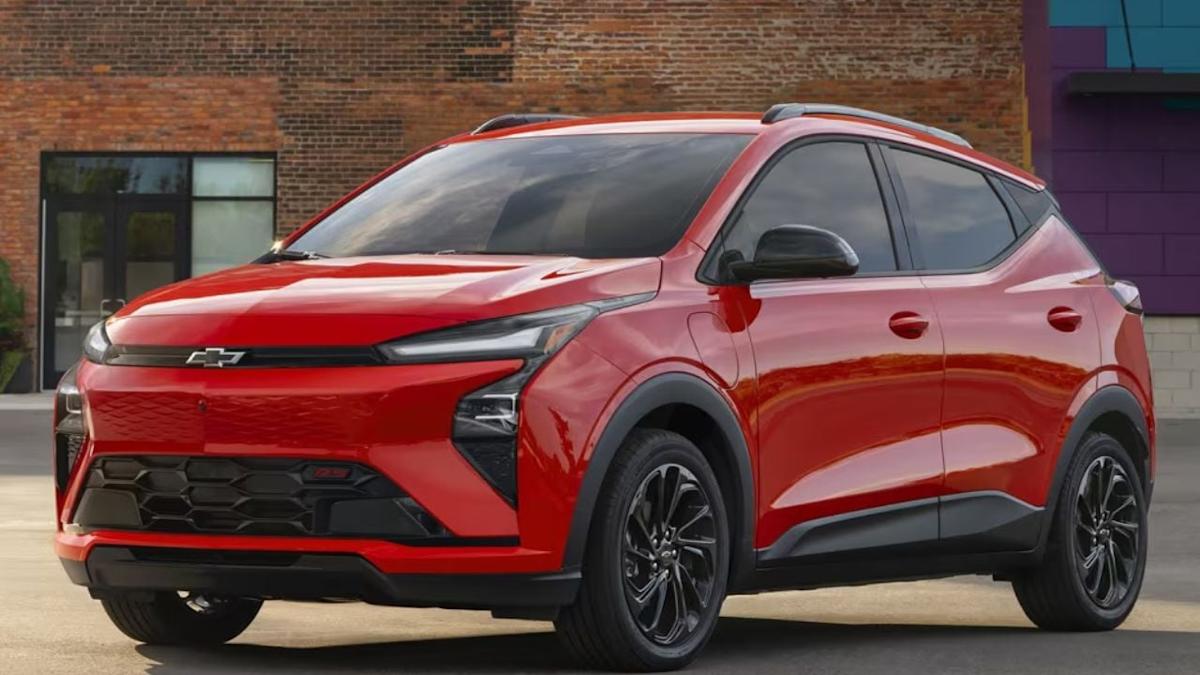
General Motors’ plan to keep the 2027 Chevrolet Bolt in production for only about 18 months looks like a missed opportunity at a moment when the market is still desperate for a truly affordable electric car. That is exactly why The Drive went looking for answers from Bolt executive chief engineer Mandi Damman, trying to find out whether there is any real chance the car’s production life could be extended.
The response was brief and somewhat open-ended. “In theory, yes,” Damman said, without offering anything close to a firm commitment. Even so, she made clear that two key factors drove the Bolt’s return in the first place: affordability and unusually strong customer loyalty. According to Damman, Bolt owner loyalty is even stronger than Corvette loyalty, which is a remarkable claim given Chevrolet’s history with that nameplate.
The Bolt Still Has A Strong Case In The Market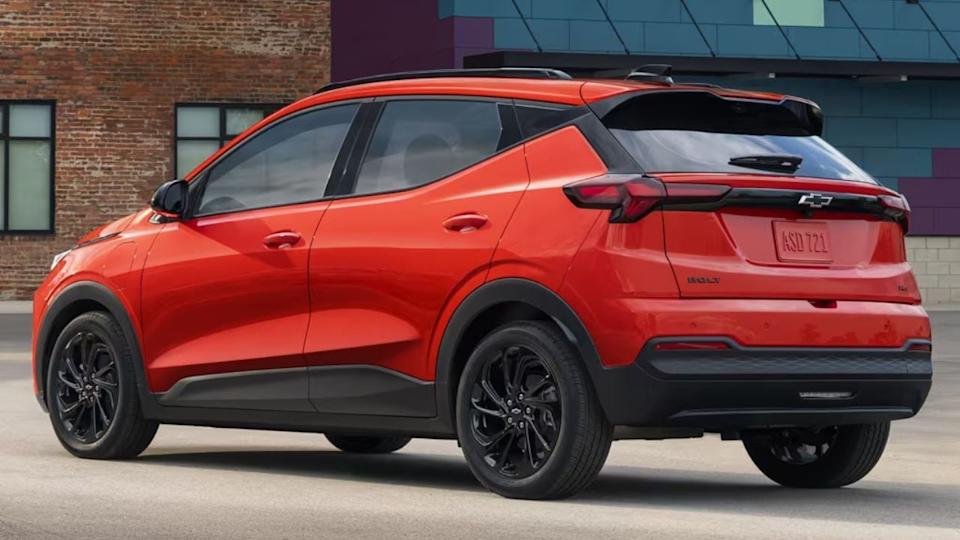
Photo Courtesy: Autorepublika.
The Bolt returns with a starting price of $27,600 before destination, which makes it the cheapest new EV currently listed in the U.S. Chevrolet’s own site now shows the model starting at that number, with an EPA estimated range of 262 miles. That gives it a meaningful advantage in a market where low-cost EV choices remain limited.
That low price does not mean Chevrolet had to strip away technology or equipment to make the numbers work. The Drive noted that the revived Bolt benefits from GM’s broader parts and engineering resources, which helped keep development costs down while still allowing the car to return with a modernized package. That is a big part of why the Bolt remains such an important product even in a short production run.
The Short Production Run Has A Clear Strategic Reason
Photo Courtesy: Autorepublika.
Still, the Bolt’s limited lifespan is not random. Production is taking place at GM’s Fairfax Assembly plant in Kansas City, Kansas, but that facility is already earmarked for other products. Reuters reported that beginning in 2028, the next-generation Buick Envision, currently built in China, will move to Fairfax. GM is also shifting production of the gas-powered Chevy Equinox there in 2027. That leaves the Bolt in a very tight window.
That context explains why GM has described the Bolt from the start as a limited-run model. The company brought it back because there was clear customer demand and because it still fills an important affordability gap in the EV market. But with the plant needed for reshoring gas-powered production and the next Buick compact crossover, the Bolt does not have a guaranteed long-term home.
Rivals Are Coming, But The Bolt Has A Head Start
Photo Courtesy: GM.
Chevrolet may be slowing its affordable EV ambitions for now, but the competition is not standing still. Reuters reported last year that Ford’s new family of lower-priced EVs is expected to start at about $30,000, while startup Slate was aiming for a price in the mid-$20,000 range for its electric pickup. That means the Bolt’s current role as the lowest-priced new EV in America may not last forever.
For now, though, the Bolt still occupies a uniquely valuable position. If GM sticks with the current plan, buyers who want one of the few genuinely affordable new EVs on the market may need to move quickly. Production is already underway, deliveries began earlier this year, and the end of production is currently expected in 2027. That gives the Bolt a short but potentially very meaningful second life in the American EV market.
This article originally appeared on Autorepublika.com and has been republished with permission by Guessing Headlights. AI-assisted translation was used, followed by human editing and review.
Read More
Four Things You Should Never Use WD-40 On