The Middle East war is having a grave effect on global fuel prices, including in South Africa. According to the Central Energy Fund’s latest data, petrol and diesel prices could rise to more than R26/l in April.
According to a March survey by market research company Yazi, many South Africans say the global conflict is already affecting their monthly budgets, with fuel costs emerging as a key pressure point. Because of this, some buyers may be considering swapping their petrol or diesel cars for plug-in hybrid electric vehicles (PHEVs), which are becoming more plentiful in South Africa with a growing number of alternatives.
South Africa’s uptake of PHEVs has been slow but is increasing more than conventional hybrids that self-charge the battery on the move. Like traditional hybrids, PHEVS recharge while driving but have the additional convenience of being able to be juiced up at home or by using public charging infrastructure.
PHEVs also have the duality to switch between their combustion engines and electric motors for different scenarios, with some of the latest models being able to drive more than 100km on electricity alone — and if your daily commute is less than that, you could get away with driving solely on electric power.
PHEVs are more expensive than combustion-engine cars but are generally cheaper and more practical than fully electric cars, which have the disadvantages of range anxiety and slow charging.
PHEV prices are also falling, with several models priced below R600,000.
Here are the five most affordable PHEVs on sale in South Africa, all of them Chinese.
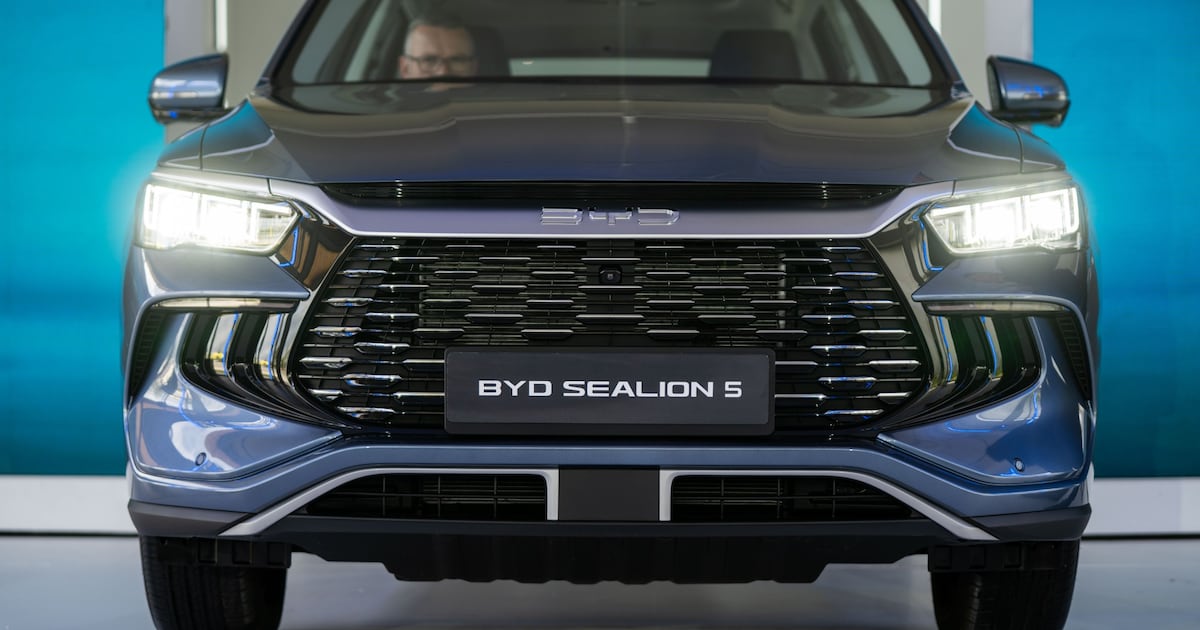
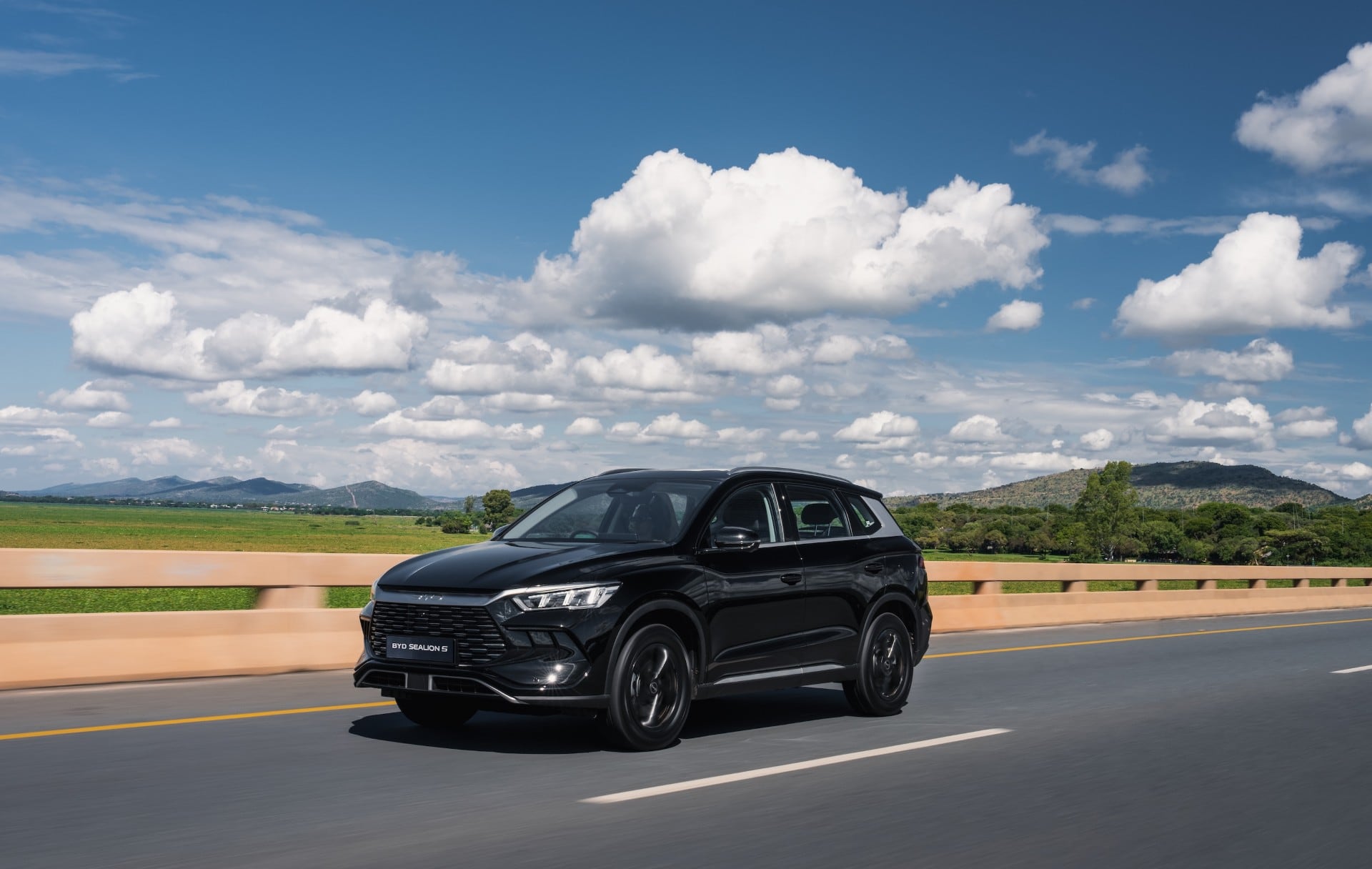 The Sealion 5 kicks off at a snip under R500,000. (Supplied)
BYD Sealion 5 Comfort PHEV — R499,900
The Sealion 5 is a sub-R500,000 plug-in hybrid family crossover with a segment-satisfying list of amenities and safety equipment. It’s powered by a naturally aspirated 1.5l four-cylinder petrol engine paired with a battery and CVT driving the front wheels.
Total system output is 156kW/300Nm and rated with 52km of pure electric drive and a combined 1,001km of total driving range.
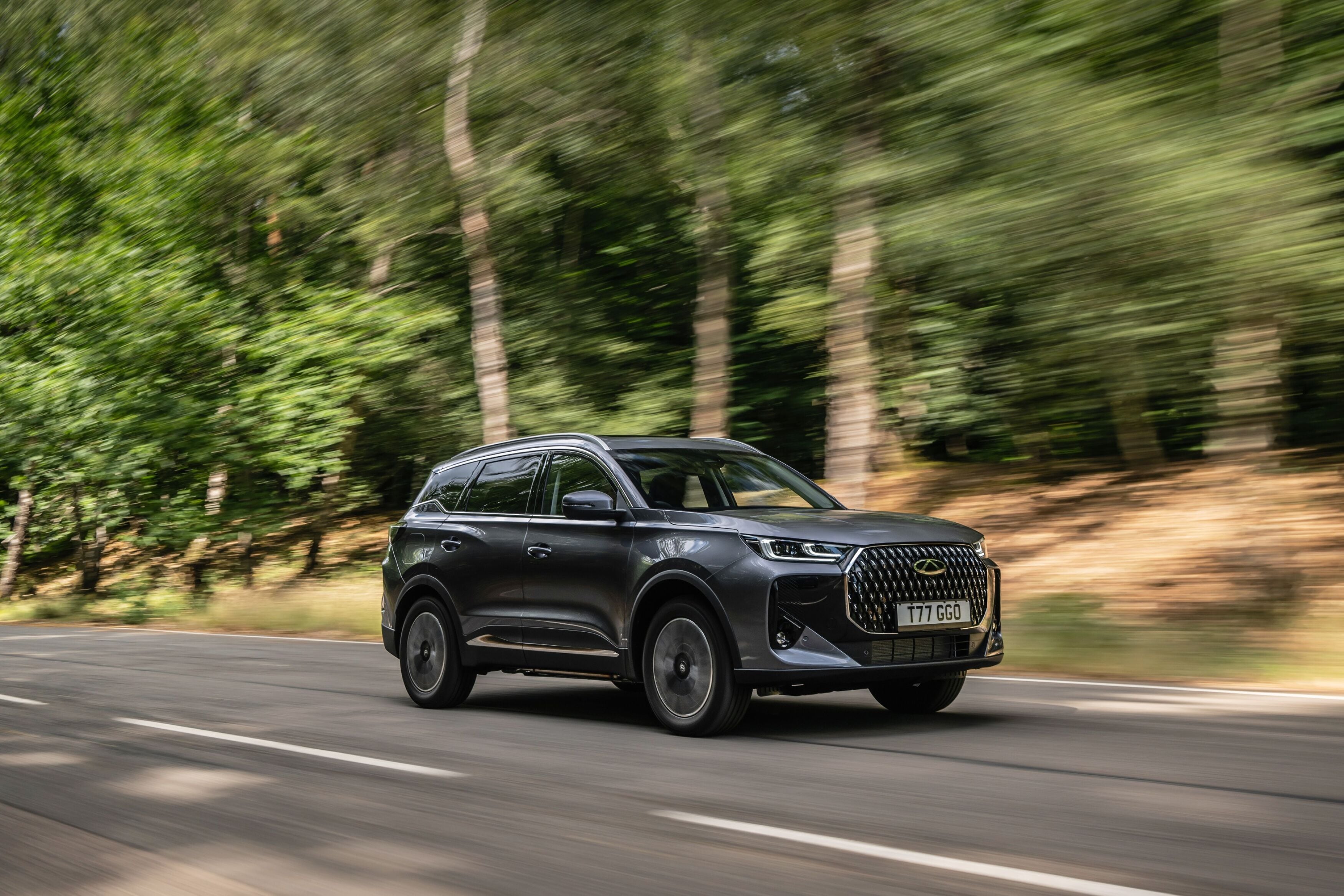 Like the smaller Tiggo 4, Chery’s Tiggo 7 is easy on the eye. (Chery)
Chery Tiggo 7 CSH Plus — R599,900
Chery accelerated the Chinese car revolution in South Africa with well-priced and specified offerings. The Tiggo 7 is the mid-level five-seater model that recently gained a plug-in hybrid powered by a turbocharged 1.5l four-cylinder petrol engine with an electric motor.
Outputs are 265kW and 530Nm, and it’s rated with a 93km electric range and a combined 1,200km.
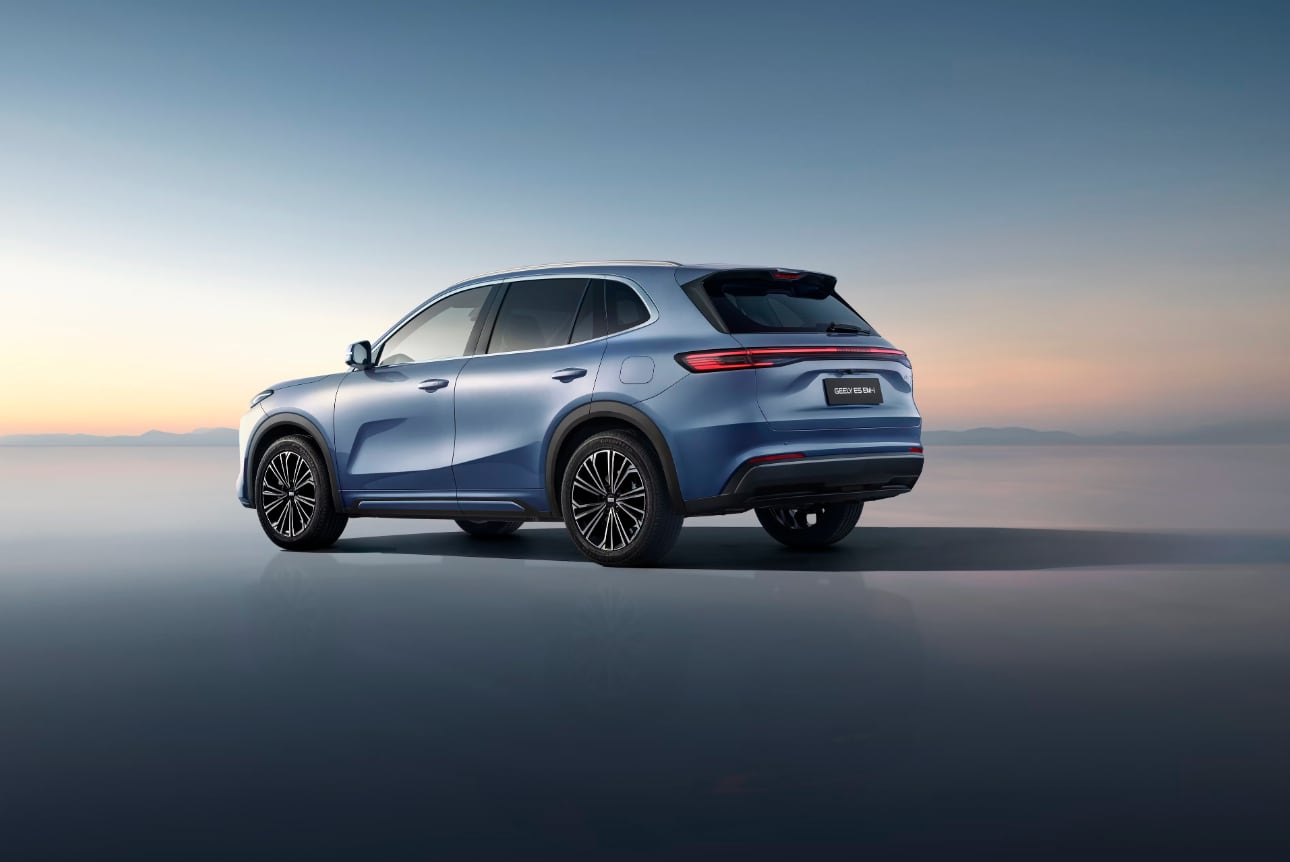 The E5 EM-i PHEV has an electric range of up to 83km. (Geely)
Geely E5 EM-i Aspire — R599,999
The Chinese Geely brand returned to South Africa in 2025 with the E5 crossover range, offering plug-in hybrid and fully electric models.
The E5 EM-i Aspire is the PHEV entry point that offers good features and space, powered by a non-turbo 1.5l petrol engine and electric motor. Combined total outputs are 160kW and 262Nm, and you can expect it to drive 83km in electric mode and 943km combined.
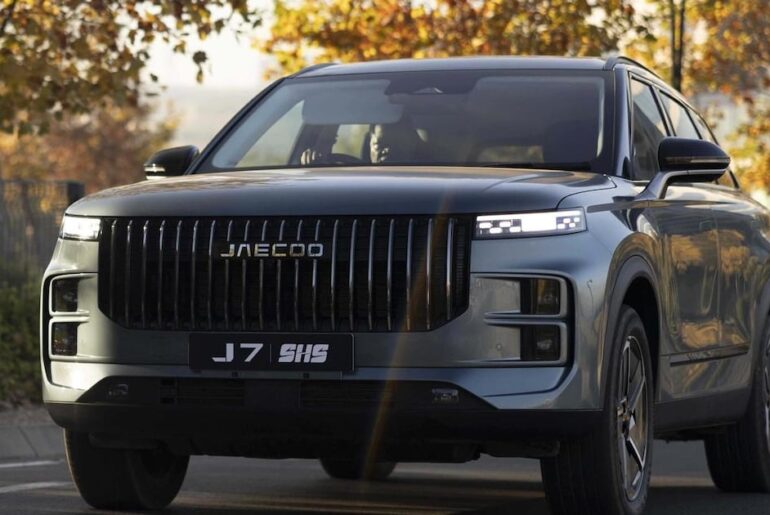
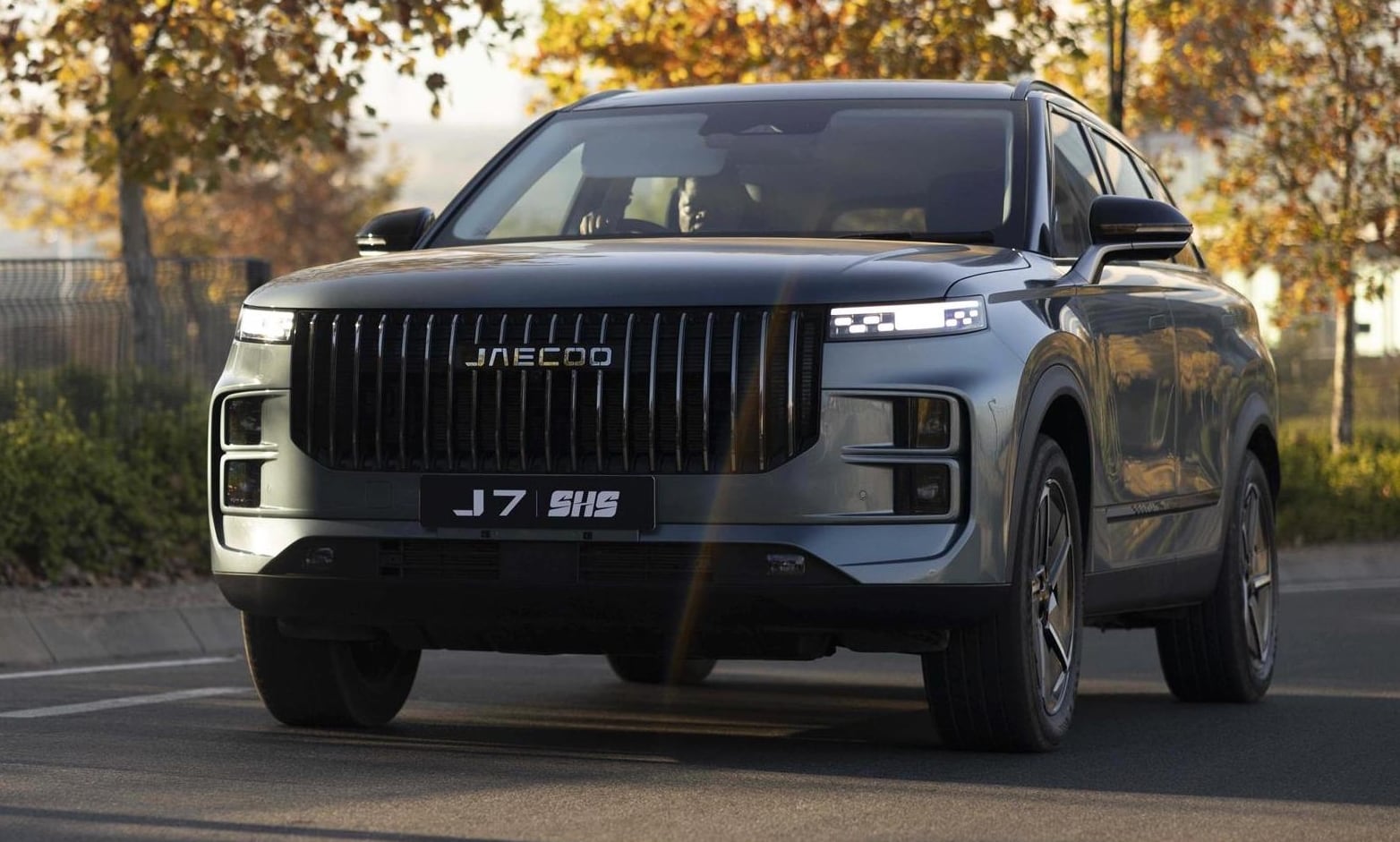 Priced at R689,900, the Jaecoo J7 SHS is one of SA’s more affordable plug-in hybrid models (JAECOO)
Jaecoo J7 SHS — R689,900
Chery subsidiary Jaecoo has been expanding its offerings and introduced the J7 Super Hybrid System (SHS) in 2025.
The family crossover, aimed at urban and mild off-road sojourns, is powered by the Chery family’s standard turbocharged 1.5l plug-in hybrid system with a combined system output of 255kW and 525Nm. The company promises 90km of pure electric range and 1,200km combined.
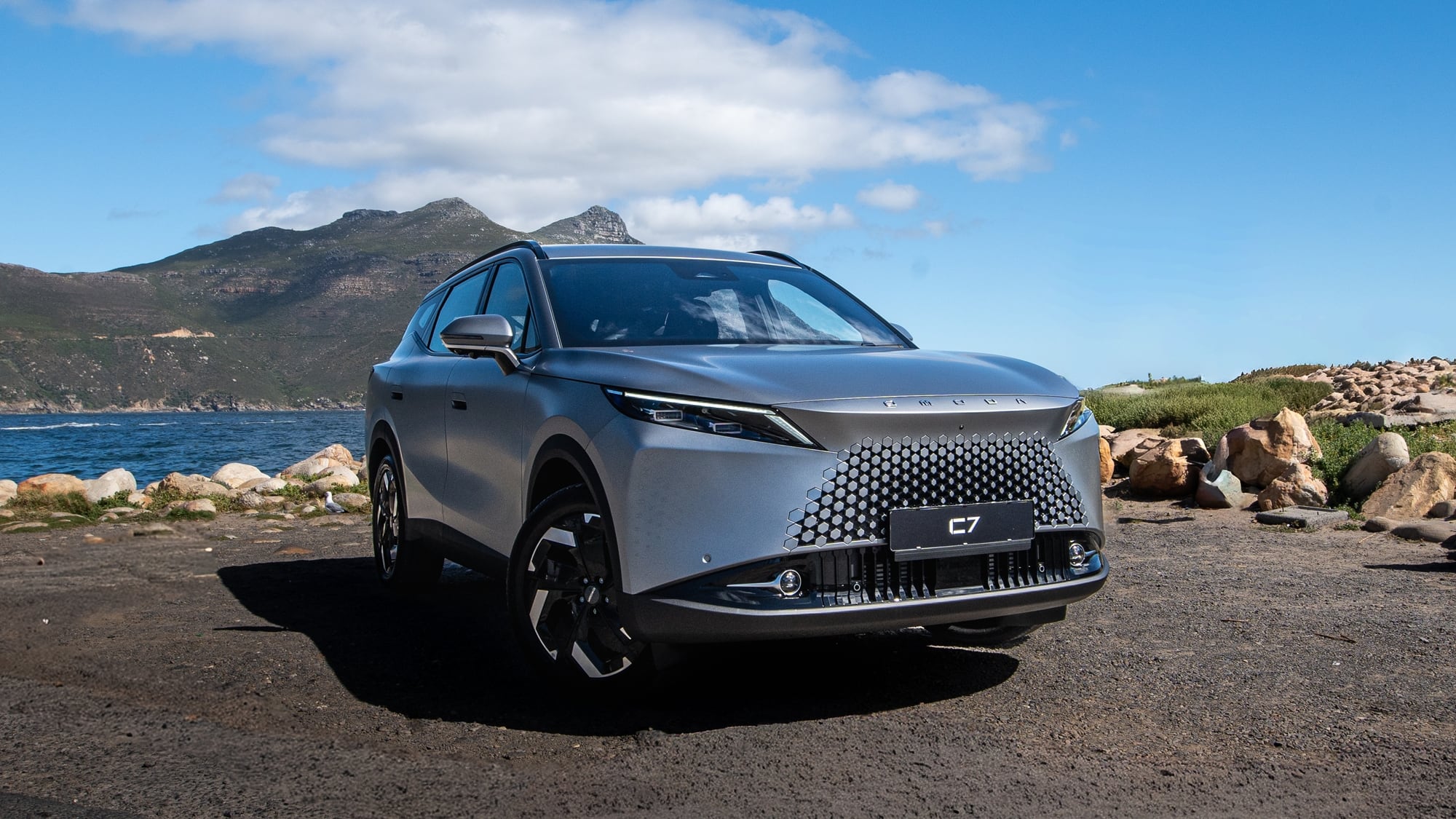 Featuring a prominent frameless X-shaped grille, the Omoda C7 is designed to turn heads. (Chery)
Omoda C7 SHS — R689,900
Chery’s sub-brand Omoda also joined the plug-in-hybrid fray with the new C7 SHS. It offers more expressive styling and one of the largest cabins in the segment, with top-tier luxuries.
The PHEV drivetrain produces 255kW and 525Nm, yielding a 90km electric range and 1,200km combined.