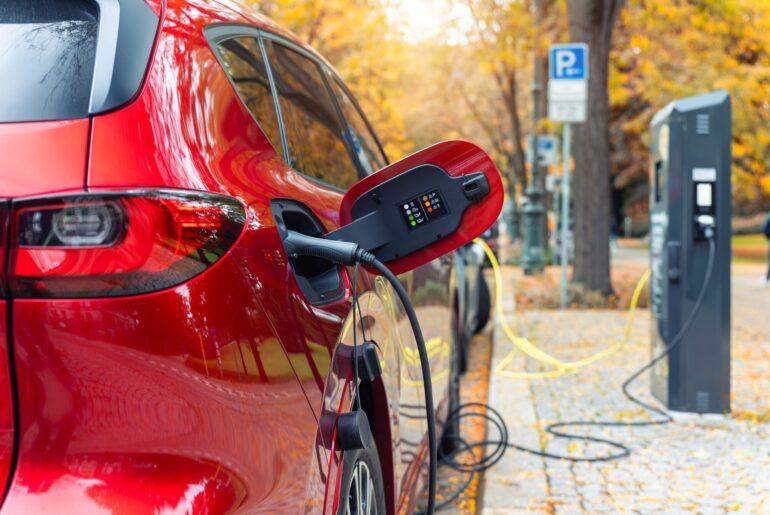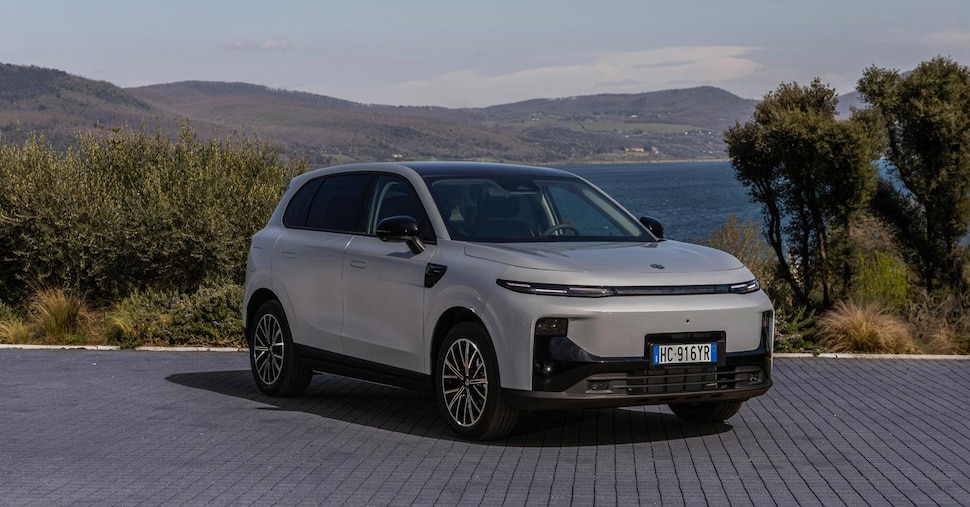
Travelling electrically but with the serenity of a fuel tank. This is the main added value of the Leapmotor B10 Reev hybrid, the range extender version of the Chinese SUV from the Stellantis group brand. The recipe is simple: take the electric version, fit it with a 1.5-litre four-cylinder engine, a 50-litre petrol tank and a smaller 18.8 kWh battery as opposed to the 56.2 or 67.1 kWh accumulator of the Bev version. All this with an electric car operating scheme, with the combustion engine used exclusively to charge the battery and not to provide traction to the wheels. The battery can also be recharged by cable, like all plug-in hybrid cars.
New Leapmotor B10 hybrid
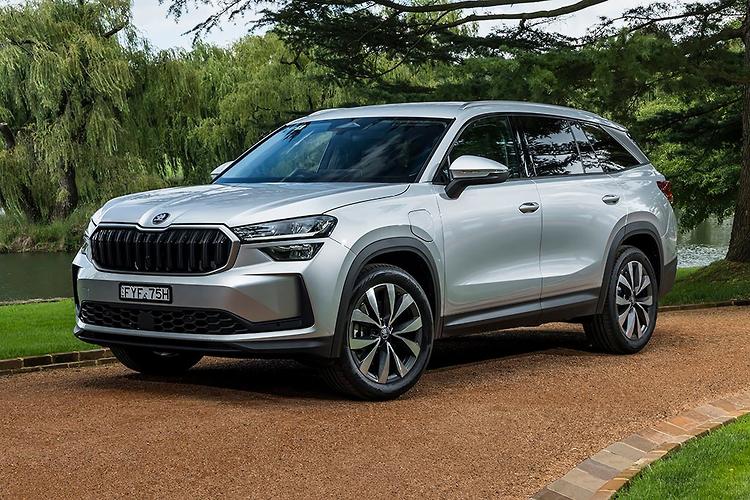
The dimensions of the Leapmotor B10 place it in the middle of the C-Suv segment, with a length of 4515 mm, a width of 1885 mm and a height of 1655 mm. The styling does not shine in terms of originality, as is very often the case with SUVs designed in China, and the rear is the least successful due to proportions that need to be revised and the strong resemblance to a premium German SUV no longer on sale in Europe.
Leapmotor B10 hybrid interior
Climbing aboard the B10 hybrid one finds oneself in the same environment already appreciated on the electric version, being 100% the same. Upgraded on the infotainment front (now with Apple CarPlay and Android Auto) thanks to the recent over-the-air update, they are convincing in terms of quality and build quality. The car’s entertainment system and main functions are also praised, despite a few aspects to be reviewed such as the function that eliminates the navigator from the central screen when the arrow is put in to make room for the 360-degree video cameras with the car in transparency on the monitor; tried several times during the test drive, it adds no advantage on the safety side but, on the contrary, is distracting due to the temporary loss of navigation. Also noteworthy is the lack of a rear windscreen wiper, and overall the hope is that on future Leapmotor models there will be more on-board controls, such as air conditioning (a choice also indicated by the new Chinese rules) and controls for adjusting the mirrors.