 Photo Courtesy: Autorepublika.
The global race for dominance in electric vehicle battery production reached a very clear outcome in 2025, and it came with very little surprise. China strengthened its lead even further. According to data cited by Nikkei Asia, Chinese battery makers controlled about 70% of the global market last year, a dramatic jump from less than half of the total share in 2021.
That kind of growth is not just another industry statistic. It is one of the clearest signs yet that China now sits at the center of the global EV supply chain. In a market where battery costs still play a major role in determining how affordable electric vehicles can become, that level of control carries enormous weight for automakers, suppliers, and consumers alike.
 Photo Courtesy: Autorepublika.
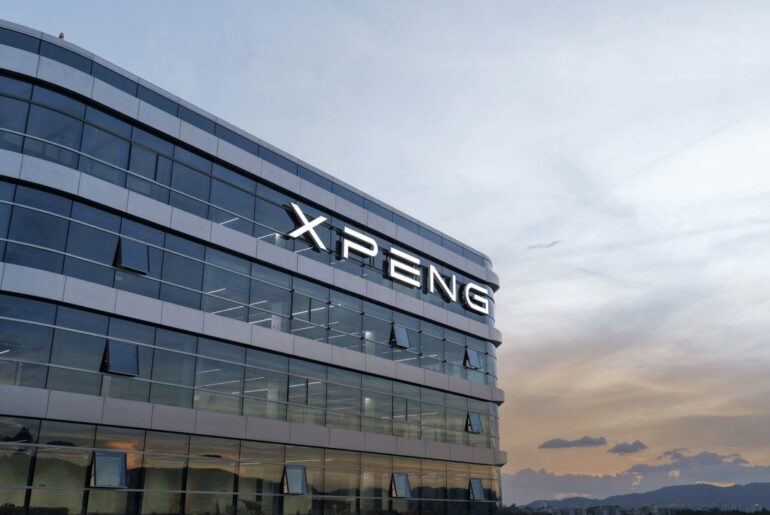
At the front of this industrial push is Contemporary Amperex Technology Co. Ltd., better known as CATL, which continues to hold its position as the sector’s undisputed leader.
The company, which supplies batteries to automakers around the world, posted a record net profit of 72.2 billion yuan in 2025, which works out to about $10 billion. That represented a 42% increase from the previous year. China’s dominance was reinforced even more by the fact that Chinese firms claimed six of the top ten spots globally when ranked by installed battery capacity.
That matters because it shows China’s advantage is no longer limited to one giant player. CATL may still lead the field, but the broader strength of Chinese battery production now stretches across multiple companies. That gives China not only scale, but also depth, making it much harder for rivals to close the gap quickly.
Photo Courtesy: Autorepublika.
One of the more revealing parts of this story is that Chinese battery makers were largely spared from the slowdown in the U.S. electric vehicle market, mainly because their direct exposure there has remained relatively limited. South Korean companies, on the other hand, including LG Energy Solution and SK On, felt a much stronger impact.
Changes in government subsidies and broader policies supporting electrification forced both companies into restructuring. SK On cut nearly 1,000 jobs at its plant in Georgia, while LG Energy Solution moved to reorganize operations through changes to its joint venture with Honda in Ohio.
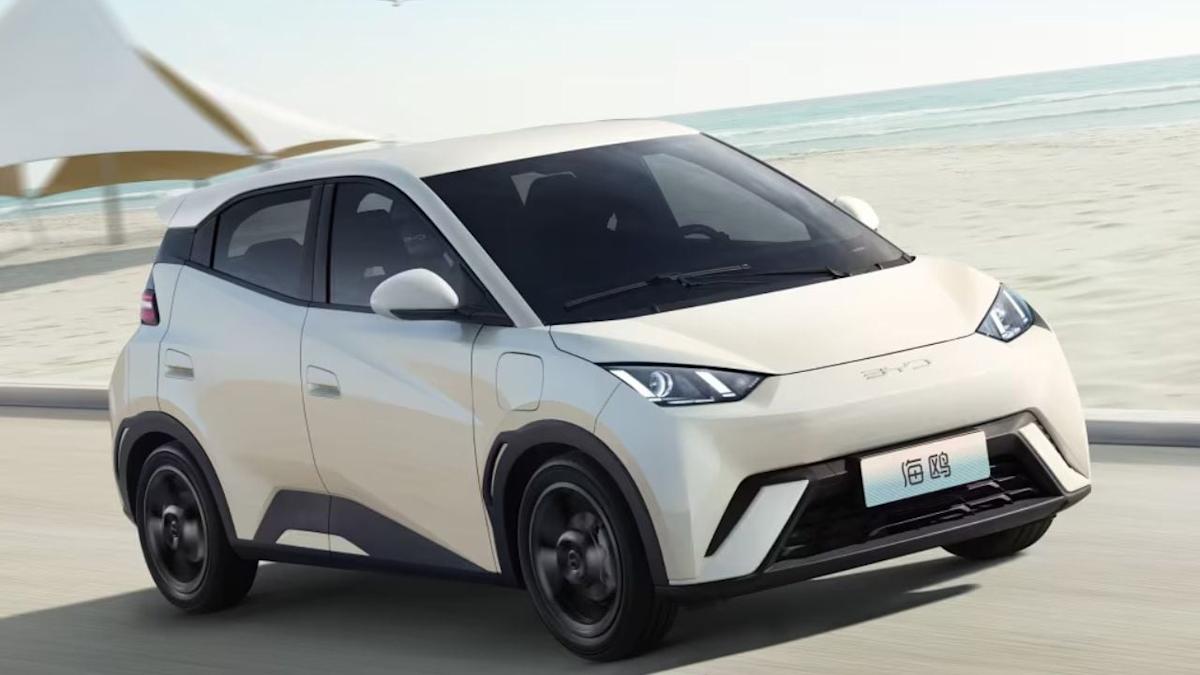
While those competitors are dealing with growing pressure, Chinese companies continue expanding aggressively outside the United States. BYD, which ranked second globally behind CATL, is rapidly increasing its manufacturing footprint in Europe, including projects in Hungary and Turkey. BYD is no longer focused only on producing batteries for its own vehicles. It is also increasingly becoming a supplier to other automakers, including Stellantis and Xiaomi.
That wider expansion is important because it shows Chinese battery makers are not simply defending their home market. They are turning production scale into global influence.
Photo Courtesy: Autorepublika.
Even with their impressive 2025 results, Chinese battery makers are not heading into a completely calm future. The first two months of 2026 brought a 28% drop in electrified vehicle sales after changes to state subsidies. That trend could push weaker players out of the market and further consolidate the sector in favor of the most efficient and most profitable companies. At the same time, it also introduces risk across the broader supply chain.
If China continues to widen its advantage, it could effectively dictate minimum battery prices worldwide. In that scenario, American manufacturers and their partners would face a serious challenge if they fail to raise their own capacity quickly enough. The result could be higher production costs, which would directly affect the availability of affordable electric vehicles.
Models like the Chevrolet Bolt and Nissan Leaf already remain among the few options that come close to the $30,000 threshold. That alone shows how central battery economics have become to the future of mass market electrification.
China’s lead in battery production is no longer just an industrial advantage. It is becoming one of the defining power centers of the global EV economy and one that could play a major role in deciding how affordable electric mobility really becomes in the years ahead.
This article originally appeared on Autorepublika.com and has been republished with permission by Guessing Headlights. AI-assisted translation was used, followed by human editing and review.
Read More