Autoblog and Yahoo may earn commission from links in this article.
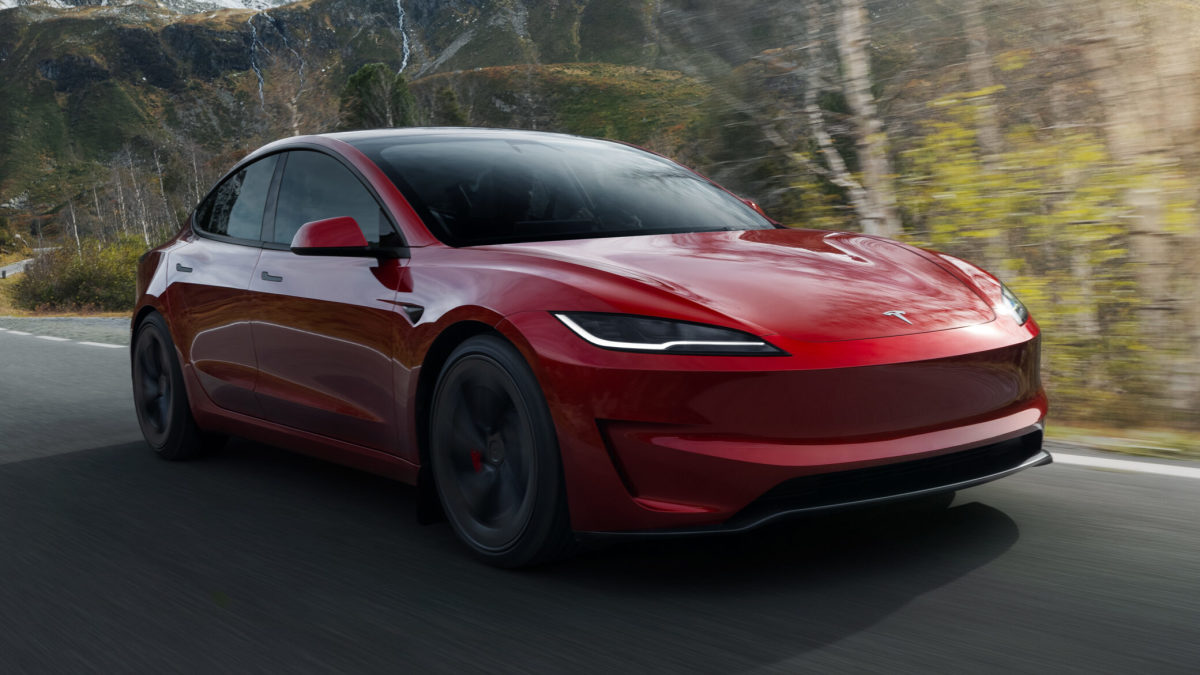
The Tesla Model 3 is the most energy-efficient vehicle in Tesla‘s lineup. It uses less electricity per mile than the Model Y, costs less to buy, and costs less to maintain. On paper, it should be the clear winner in any cost-per-mile conversation. And on the electricity line alone, it is. But car ownership doesn’t happen on a single line of a spreadsheet. Once depreciation, insurance, tires, and the realities of where and how the car gets charged enter the equation, the story gets more complicated.
Tesla (Tesla)
The electricity math: genuinely impressive
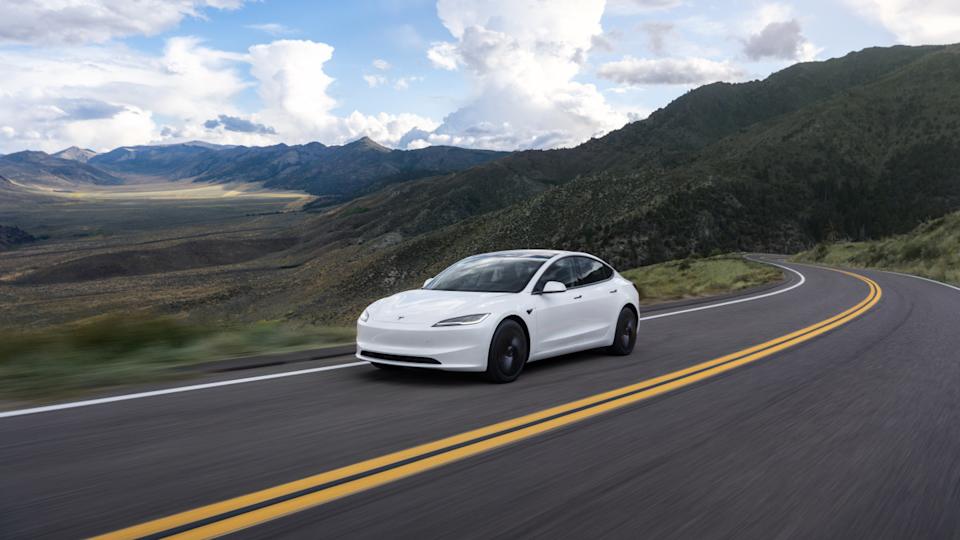
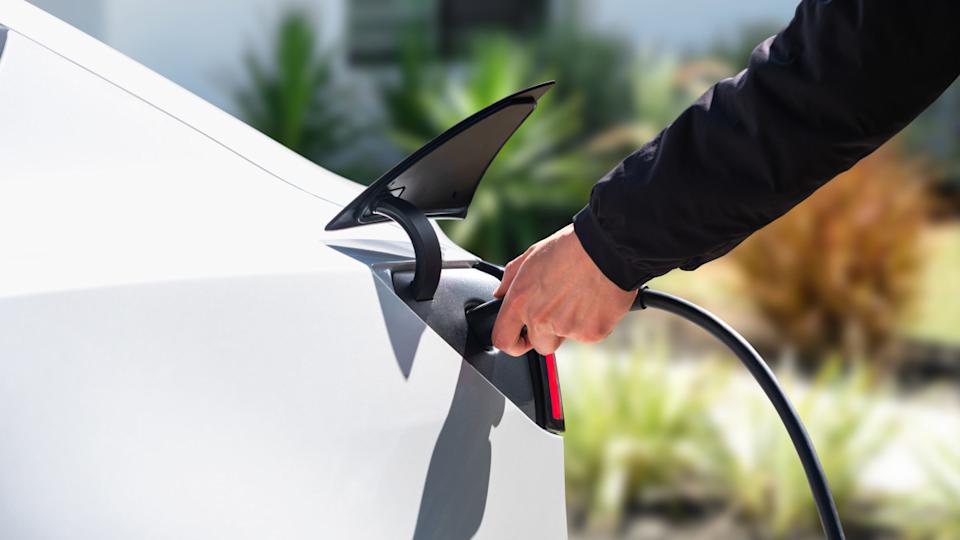
The 2026 Model 3 Premium RWD delivers approximately 4.1 miles per kilowatt-hour, which translates to roughly 246 watt-hours per mile. The Premium AWD is slightly less efficient at about 3.8 miles per kWh (263 Wh/mile), and the Performance model, with its dual motors and larger wheels, drops to 3.4 miles per kWh (296 Wh/mile). For most buyers, the RWD and AWD figures matter most. Using the 250 Wh/mile ballpark for the most popular configurations and the national average electricity rate of $0.17 per kWh, the Model 3 costs approximately 4.3 cents per mile to fuel at home.
Tesla Model 3 StandardTesla (Tesla)
At $0.15 per kWh, common in many parts of the country, that drops to about 3.8 cents per mile. Owners in states like Washington, where electricity runs around $0.11 per kWh, can push that figure under 3 cents. For a driver covering 13,500 miles annually, that’s roughly $500 to $580 in electricity costs. About $42 to $48 per month. The average American spends $150 to $200 per month on gasoline. A comparable gas sedan like a Honda Accord at 33 mpg and $3.08 per gallon costs about 9.3 cents per mile, more than double the Model 3’s home-charging figure.
The Supercharger tax
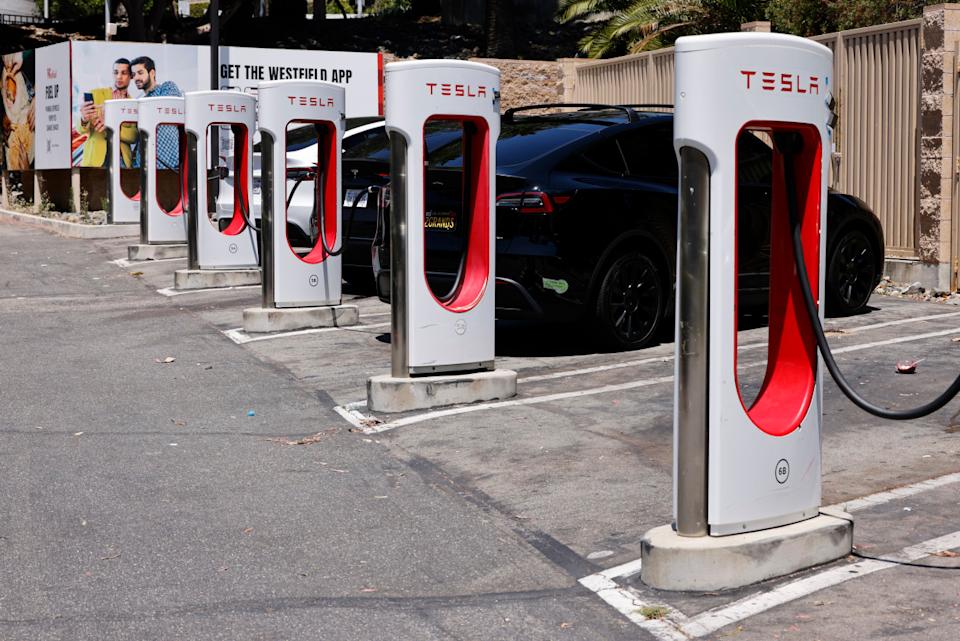
Home charging makes the Model 3 a bargain. Supercharging makes it merely competitive. Tesla Supercharger rates average around $0.40 per kWh in most U.S. markets, with variation by time of day and congestion. At that rate, the Model 3’s cost per mile jumps to roughly 10 cents. That’s still cheaper than most gas cars, but the margin shrinks considerably. For the Performance variant at 296 Wh/mile, supercharging during peak hours can push the per-mile cost to 12 cents or more, at which point a fuel-efficient hybrid like a Toyota Camry at 52 mpg and $3.08 per gallon ($0.06/mile) is genuinely cheaper to operate.
Getty Images (Getty Images)
Depreciation: The number that dwarfs everything else
The 2026 Model 3 RWD starts at $36,990 ($38,630 including destination). Kelley Blue Book estimates the five-year cost to own at $61,704, with depreciation accounting for $24,567 of that total, leaving a residual value of roughly $13,813 after five years. CarEdge data indicates that the Model 3 retains approximately 41% of its value after five years, ranking 196th among luxury vehicles. Over 67,500 miles (five years at 13,500/year), that depreciation translates to roughly 36 cents per mile. That’s nearly nine times the electricity cost. For every cent saved on fuel, the Model 3 loses nine cents to depreciation.
Maintenance: The genuine bright spot
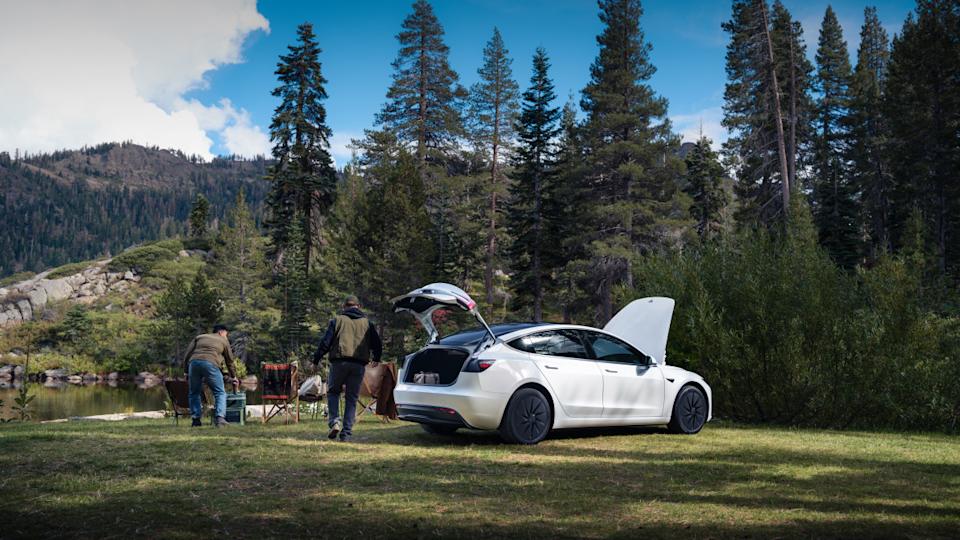
The Model 3 is the cheapest Tesla to maintain. CarEdge estimates $237 per year on average over the first five years, totaling roughly $1,183. Third-party data from Recharged suggests $400 to $500 per year for combined repairs and maintenance, with most costs occurring in years four and five. Either way, the Model 3 costs about 50-60% less to maintain than a comparable gas sedan. The maintenance schedule is minimal: tire rotations every 6,250 miles, cabin air filter replacement every two years, brake fluid check every four years, and wiper blades as needed. No oil changes, no transmission service, no exhaust system repairs. Regenerative braking extends brake pad life to 80,000-100,000 miles in most driving conditions.
Tesla (Tesla)
Insurance: The cost that keeps climbing
Full-coverage insurance on the Model 3 averages $2,000 to $3,500 per year, depending on the source. CarEdge estimates $3,022 annually. MoneyGeek puts the 2025 model at $284 per month for full coverage, roughly $3,408 per year. Recharged’s analysis ranges from $2,000 to $3,500 depending on state, age, and insurer. The Model 3 ranks 131st out of 199 sedans for insurance affordability, which places it in the more expensive half of its class. It’s cheaper to insure than the Model Y or Model S, but more expensive than most mainstream sedans it competes with. A Honda Accord or Toyota Camry with comparable sticker prices typically costs $1,500 to $2,000 per year for full coverage, roughly $1,000 to $1,500 less than the Honda Accord or Toyota Camry.
The full picture: What a mile actually costs
For a Model 3 owner who charges at home, drives 13,500 miles per year, and keeps the car for five years, the math looks roughly like this: Electricity: about 4 cents per mile. Depreciation: about 36 cents per mile. Insurance: about 22 cents per mile. Maintenance and tires: about 4 cents per mile. Financing, taxes, and registration vary, but figure another 5 to 8 cents per mile. Total cost of ownership: approximately 71 to 74 cents per mile. A comparable gas sedan? AAA figures a midsize ICE sedan at roughly $9,956 per year, or about 66 cents per mile at 15,000 annual miles. The Model 3 is slightly more expensive on a total-cost basis in many configurations, primarily due to steeper depreciation and higher insurance costs. The fuel savings are real but not large enough to overcome those two categories on their own.
Tesla (Tesla)
The honest verdict
The Tesla Model 3 is one of the cheapest vehicles in America to fuel and maintain. At 4 cents per mile for electricity and $237 per year in maintenance, it crushes every gas sedan on operating costs alone. These numbers aren’t spin. They’re verified across multiple independent sources and reflected in the real-world experience of hundreds of thousands of owners. But the Model 3 is not among the cheapest vehicles to own in America. Depreciation and insurance eat the fuel savings and then some, pushing the total cost of ownership to roughly the same level as a well-equipped Honda Accord or Toyota Camry, and sometimes slightly above.
This story was originally published by Autoblog on Mar 23, 2026, where it first appeared in the Car Buying section. Add Autoblog as a Preferred Source by clicking here.