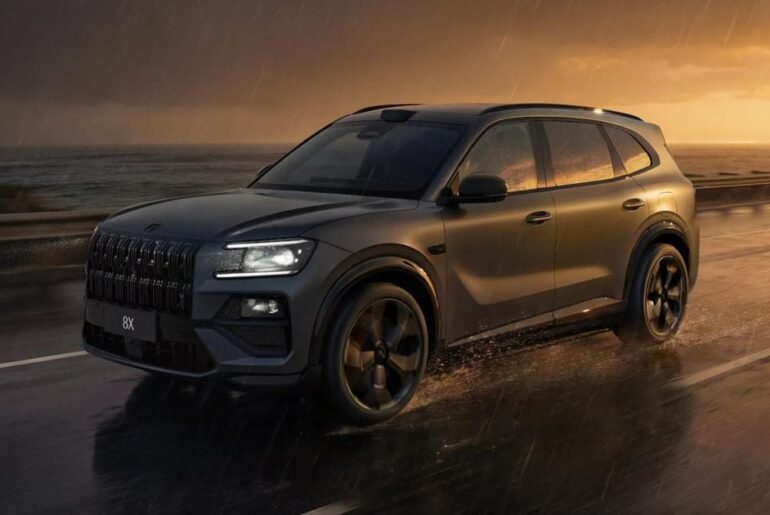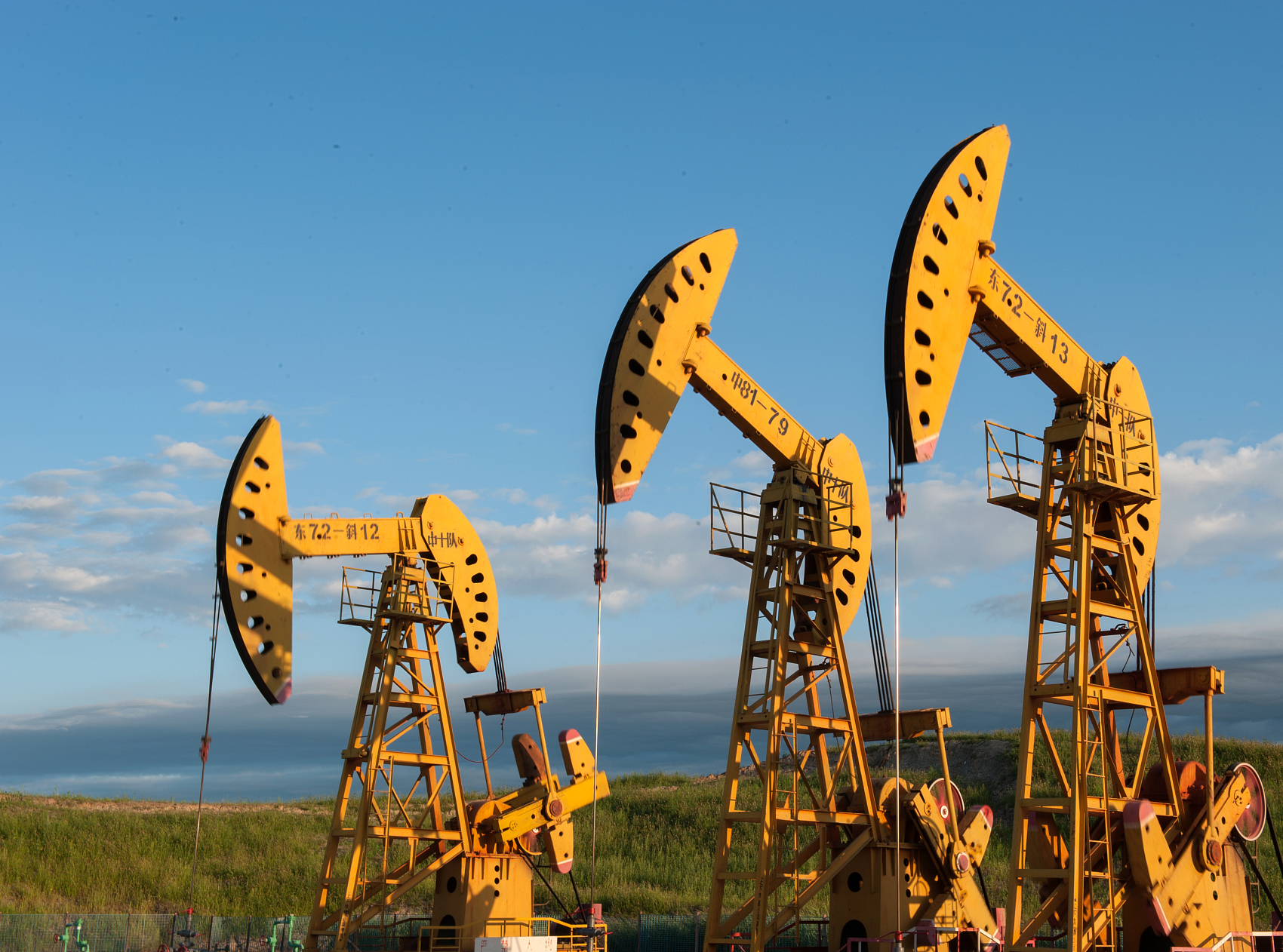
As geopolitical tensions in the Middle East continue to escalate, domestic refined oil prices are set to experience a new round of increases. Multiple institutions predict that on March 23 at 24:00, the price of grade 92 gasoline will rise by 1.6 yuan per liter, with most regions nationwide returning to the ‘9-yuan era.’ This implies that filling up a full tank of fuel will cost nearly 100 yuan more than before.
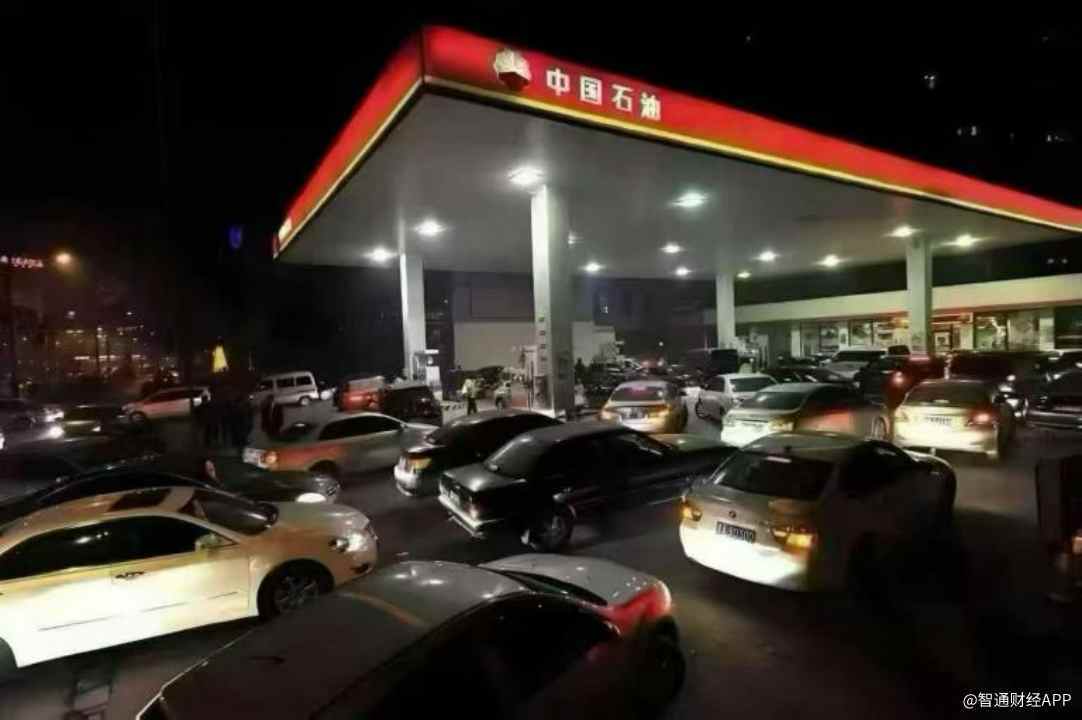
Photographed on the evening of March 22, 2026
 Facing skyrocketing oil prices, owners of fuel vehicles are lamenting the costs, whereas BYD plug-in hybrid owners remain exceptionally calm—because the answer provided by BYD’s fifth-generation DM technology is: both fuel and electric, saving regardless of how it’s driven.
Electricity for urban commuting: charge once a week, with a commuting cost of 5 cents per kilometer. For daily commuting, BYD’s large-battery DM-i models offer a solution of ‘electricity freedom.’ Models like the 2026 Qin PLUS DM-i have increased their CLTC-rated pure electric range to 210 kilometers, directly entering the 80,000-yuan market segment. This means that with an average daily commute of 30 kilometers, one charge can cover an entire week’s travel needs. For users with home charging stations, the electricity cost is only 0.5 yuan per kWh, making the annual energy cost less than 4,000 yuan. In contrast, fuel consumption of comparable fuel vehicles is generally around 7.5 liters per 100 kilometers, resulting in yearly fuel costs exceeding 13,000 yuan under a 9-yuan-per-liter price scenario. With this alone, plug-in hybrid owners can save nearly 10,000 yuan annually.
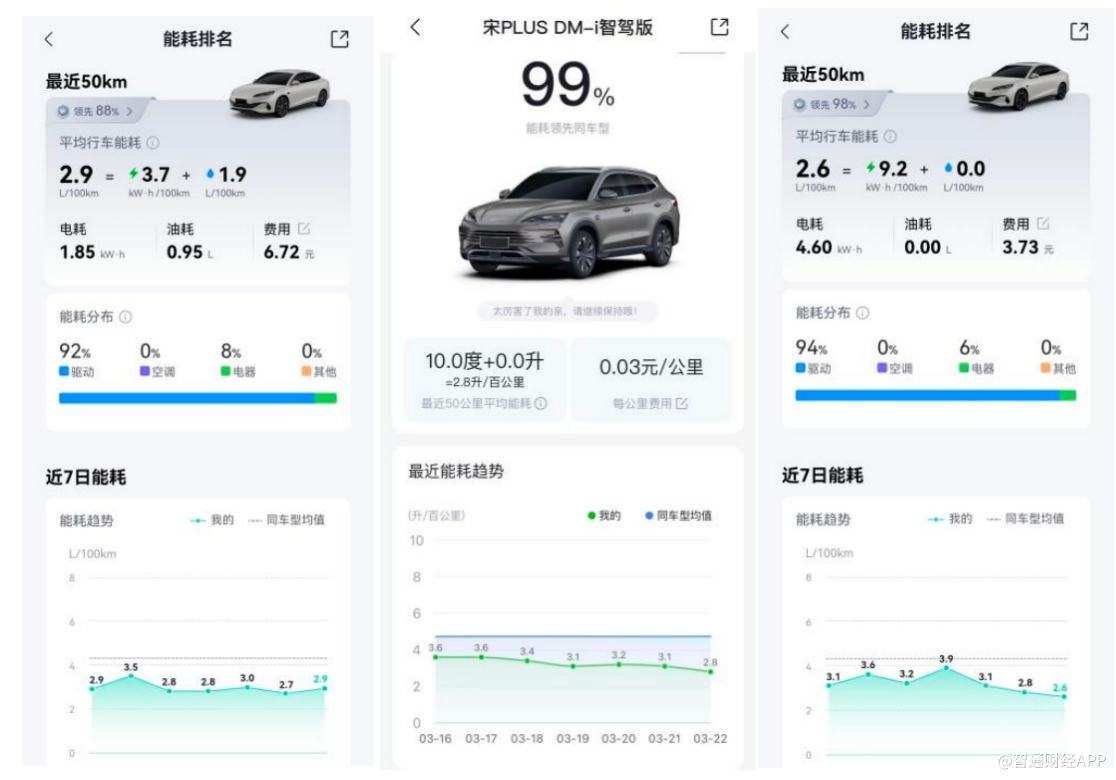
Real-world fuel consumption reported by car owners
For scenarios where fuel use is unavoidable, BYD also provides a solution. After an OTA update, fuel consumption has been reduced to 2.6 liters per 100 kilometers, making refueling painless. Even when long-distance driving necessitates fuel use, BYD’s plug-in hybrids remain highly confident. The fifth-generation DM technology, through OTA updates, has optimized fuel consumption in battery-depleted conditions to 2.6 liters per 100 kilometers, setting a new global low for plug-in hybrids. This means that even when driving in a depleted state, the fuel cost per kilometer is approximately 0.23 yuan.
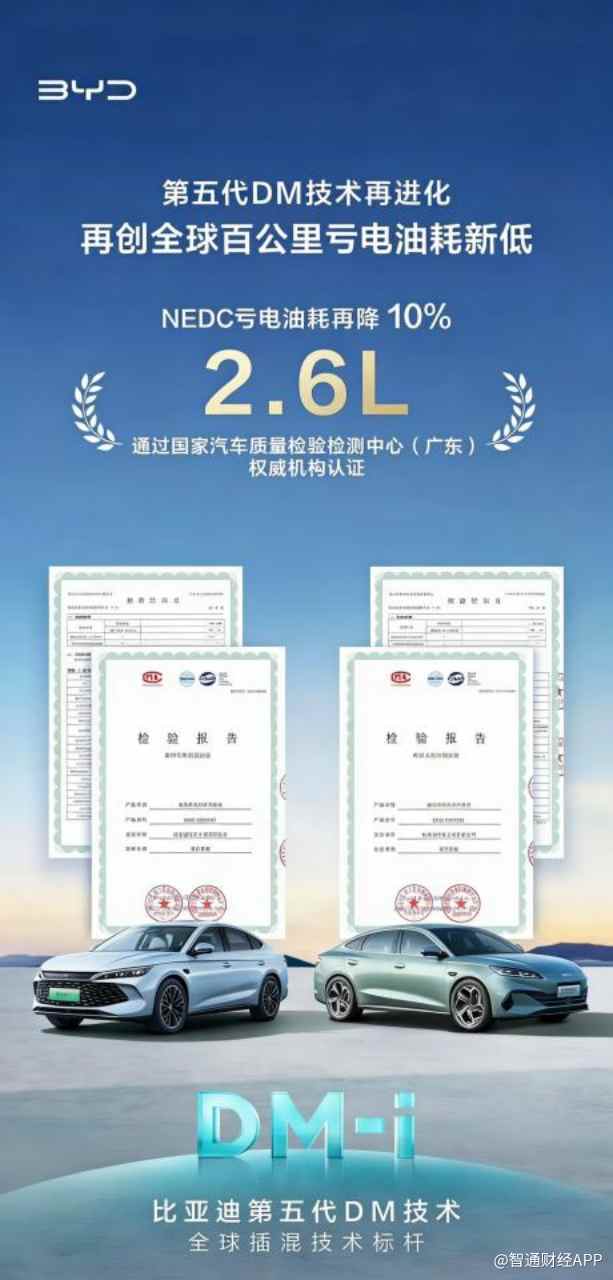
More impressively, the comprehensive range with a full tank and full charge exceeds 2,148 kilometers, representing a significant increase in total range. Taking the Qin L DM-i as an example, traveling from Beijing to Shanghai requires no mid-route refueling—one tank of fuel suffices for a seamless journey. Such range performance minimizes the impact of fluctuating fuel prices on everyday travel.
The core advantage of BYD’s plug-in hybrid is not simply electricity or fuel alone, but the dual freedom of being ‘both fuel and electric’:
– When charging is convenient, use pure electric mode and enjoy ultra-low costs of just a few cents per kilometer.
– When in a hurry or on a long trip, the hybrid mode with an ultra-low fuel consumption of 2.6L is equally worry-free.
– If there’s a queue at the charging station, turn around and refuel; if fuel prices are too high, switch to charging — either choice remains cost-effective.
As fuel prices return to the 9-yuan era, BYD’s plug-in hybrid offers users a flexible ‘fuel or electric’ option, delivering a composed solution.