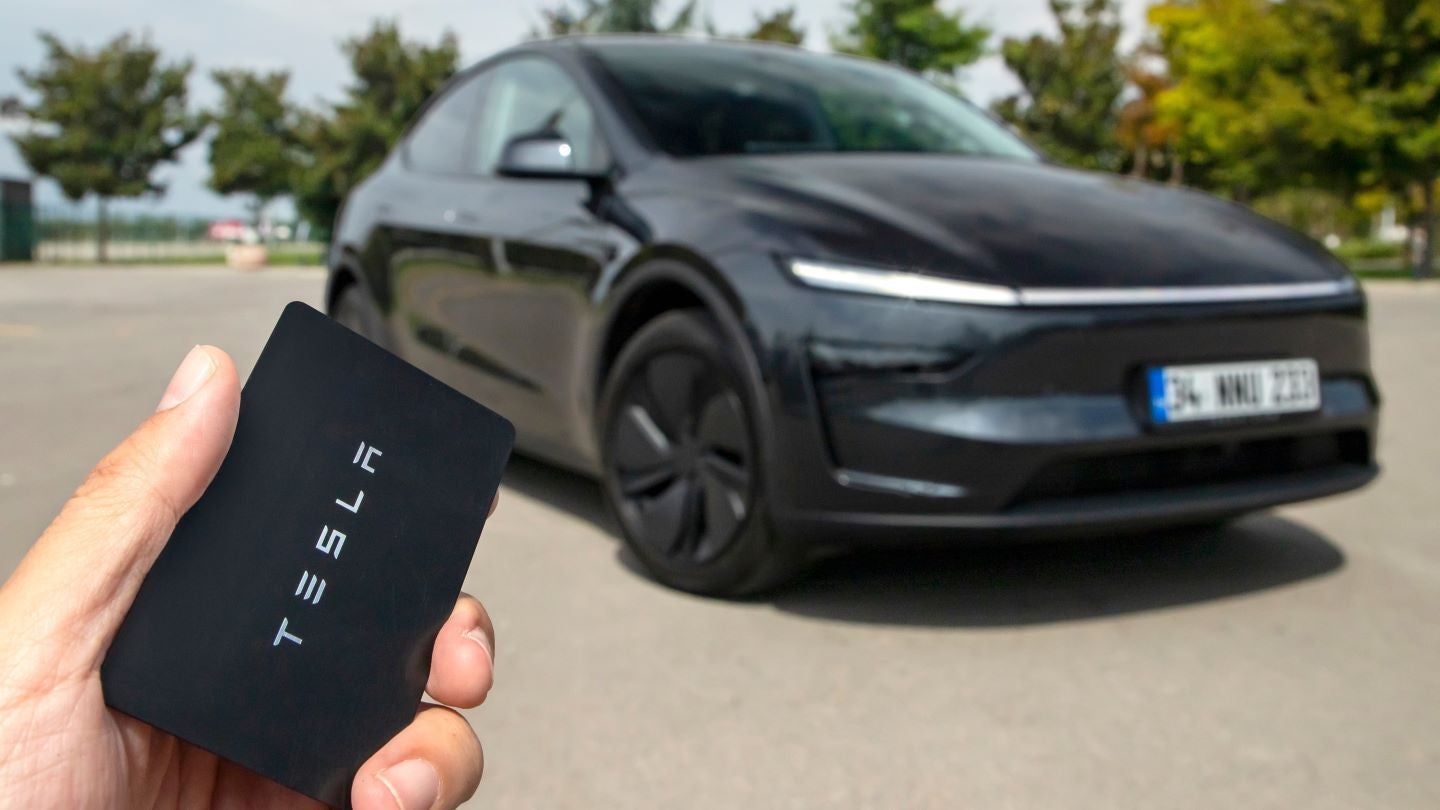

Musk said the project was being driven by concerns over future chip availability. Credit: emirhankaramuk/ shutterstock.com
Elon Musk has said that Tesla and SpaceX plan to jointly build an advanced chip manufacturing project in Austin, Texas, which he has labelled “Terafab”.
He said the complex is intended to include two chip factories at the site, each dedicated to a single chip design.
 Discover B2B Marketing That Performs
Combine business intelligence and editorial excellence to reach engaged professionals across 36 leading media platforms.
“Terafab will technically be two fabs, each making only one chip design,” Musk wrote in a post on X.
Musk said one chip would be used in Tesla vehicles and Optimus humanoid robots. The second would be designed for AI satellites and space-based artificial intelligence data centres.
“We need a high powered chip designed for space that takes into account the harsher environment,” Musk said, adding it would need to operate at higher temperatures.
Musk has previously said Tesla would need to build its own AI chip plant, but he had not earlier disclosed SpaceX’s involvement.
SpaceX, which is preparing for a public listing that could value the company at around $1.75 trillion, recently merged with Musk’s social media and artificial intelligence firm xAI.
Speaking during a presentation at an Austin facility, Musk said the project was being driven by concerns over future chip availability.
“We either build the Terafab or we don’t have the chips,” he said, arguing that current global chip production would cover only a small part of his companies’ projected needs.
He did not provide a timeline for Terafab. Musk has previously announced large projects, though several have later been delayed or not completed.
Musk said he remained thankful for current chip suppliers, naming Samsung, TSMC and Micron, but argued that demand from his businesses would eventually exceed total global output.
He said Terafab would eventually produce one terawatt of computing capacity per year, compared with about half a terawatt currently generated across the United States.

Sign up for our daily news round-up!
Give your business an edge with our leading industry insights.