At Tim Palmer’s bicycle shop in Braddon in Canberra’s north, business has been busier than usual amid recent petrol price hikes.
“We’ve definitely [seen] an increase in sales over the last few weeks,” Mr Palmer said.
“People starting to think about saving money on petrol, parking, all that.
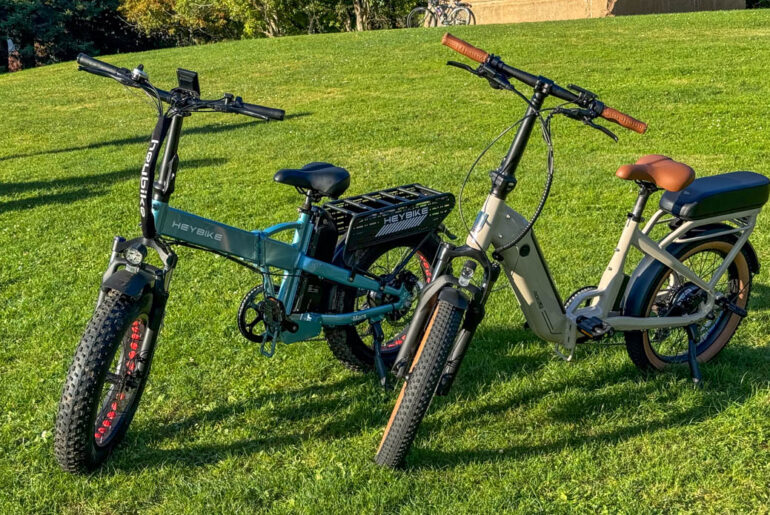
“Servicing, people digging out old bikes, doing them up, getting them going; E-bikes — more interest there.”
Mr Palmer has run his store for 23 years, and says this time of year often results in increased bicycle sales due to university students moving to Canberra to study.
This year, though, it has been even busier.
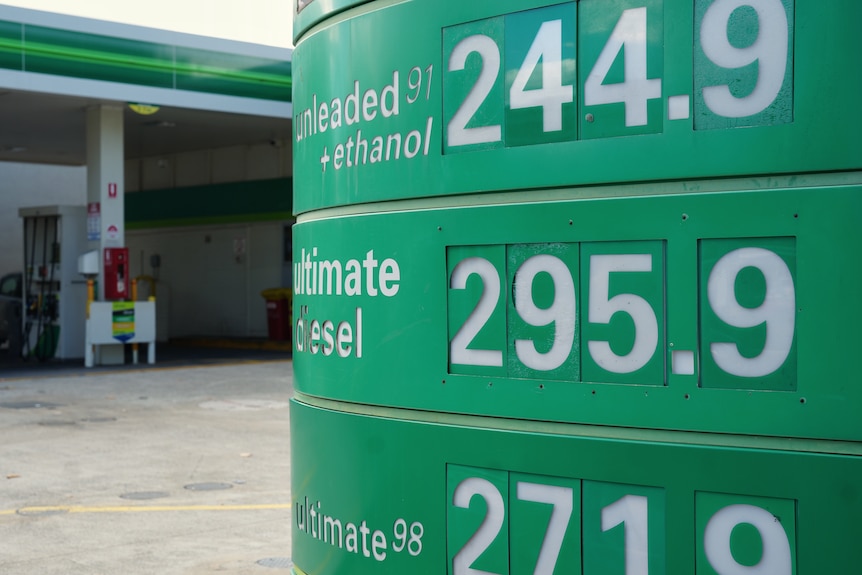
Disruption to global supply chains has hit the cost of petrol around Australia, including in Canberra. (ABC News: Adam Kennedy)
“We’ve booked out about a week and a half ahead at the moment [for servicing], which for this time of year is a bit above normal,” he said.
“We’re busy, I think our customer numbers are up.”
Mr Palmer said his patrons come from a wide range of backgrounds, often citing mounting cost-of-living pressures for bringing them in.
How the Middle East war spiked Australia’s fuel prices
“Riding to work, you’re saving petrol, parking, insurance, depreciation — all those things,” Mr Palmer said.
“The way things are going in the Middle East, I think … it’s going to get worse before it gets better.”
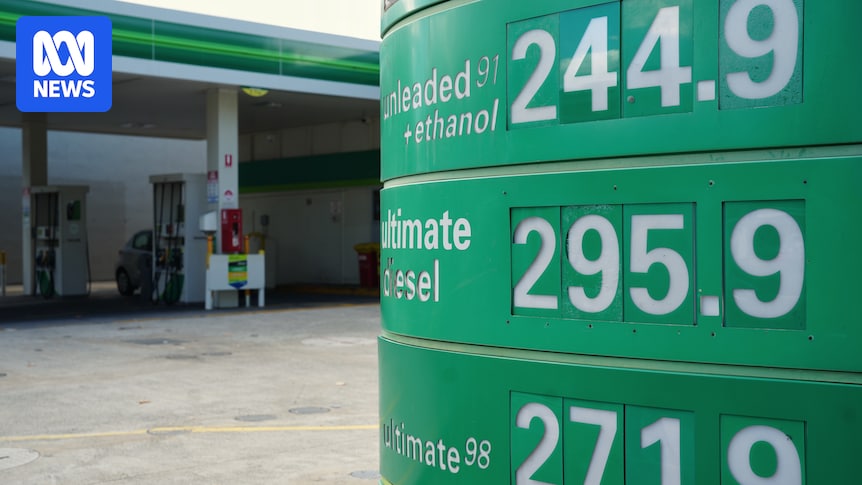
Authorities have pointed to panic buying in response to the war in the Middle East and the disruption to global supply chains as the cause of the petrol price hikes.
Last week, ACT Energy and Water Minister Suzanne Orr told the Legislative Assembly she had been advised Canberra’s fuel stocks were not at a level that would require rationing — though legislative arrangements existed if needed.
But as the cost of petrol rises amid the war, Transport Minister Chris Steel says there has “never been a better time” to consider alternative transport modes.
Switching to EVs, public transport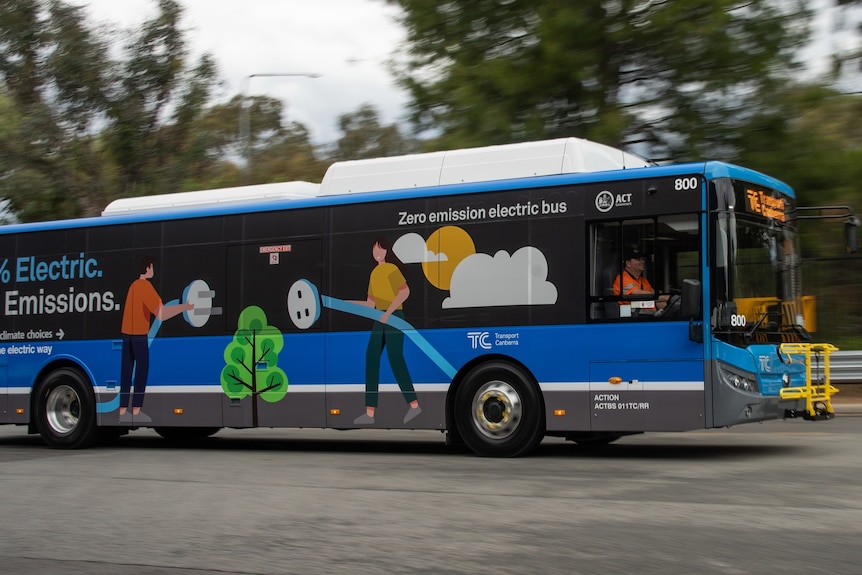
There are currently 106 electric buses in the ACT’s fleet, and the government in in the process of acquiring another 30. (Facebook: Transport Canberra)
Mr Steel urged Canberrans “who have the means” to consider purchasing an electric vehicle.
“It’s one that we want to encourage because we want to shift people into electric vehicles to support our climate goals, but it’s a really good way of saving money as well,” he said.
But he also touted public transport as the best way to get around.
“What I’d say to Canberrans is that public transport is a really good affordable option to avoid the high and increasing costs of fuel,” Mr Steel said.
“It costs potentially around $20 to fill up your battery with electricity, compared to $170-plus depending on your vehicle and increasing over time for petrol — so [public transport] is a really good option.”
More services promised
Announcing the completion of the new public transport interchange at Woden today, Mr Steel said there would be additional bus services across Canberra from school term three of this year.
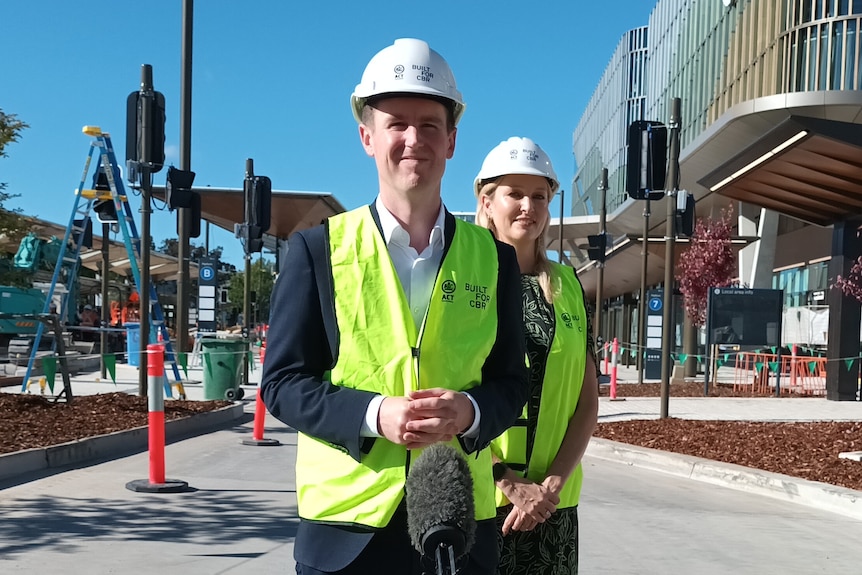
Chris Steel says the new Woden Interchange will not have a significant impact on bus travel times. (ABC News: Ruby Thomas)
“That’s part of the work that we need to do to adapt to the new road conditions and make sure that we’ve got as many bus services that can run as possible,” he said.
“We’ve also funded the purchase of 30 new electric buses in addition to the 106 on the road and so we’re in the procurement process at the moment for those.
“Once those arrive, then we’ll be able to deliver on the commitments that we’ve made to the community this term to increase bus services even further.”
Mr Steel said the new interchange, which would begin operations on April 20, would not have much of an impact on bus travel times, but said commuters should check whether the platform they used would change.
“You’ve got to balance capacity in the network,” Mr Steel said.
“If we had everyone jumping on board tomorrow, we’d have completely full buses around the clock.
“But for those who already use it: it’s there and it’s already very affordable.”
Mr Steel said public transport fare reductions were not currently planned.
Loading…