Autoblog and Yahoo may earn commission from links in this article.
The NHTSA officially rejected a petition that had been pushing for a recall of 2.26 million Tesla vehicles over concerns about one-pedal driving. The original complaint, filed back in 2023, argued that Tesla’s regenerative braking system confused drivers and led to unintended acceleration. NHTSA found no evidence of a defect or safety risk, citing very few relevant incidents and data showing vehicles responded as intended. One-pedal driving, regulators pointed out, is a standard feature of electric vehicles broadly, not a Tesla-specific problem. A clean win on paper, except it came on the same week that Tesla’s real regulatory headache got significantly worse.
Tesla (Tesla)
FSD’s Blind Spot Problem Is Now a Federal Case
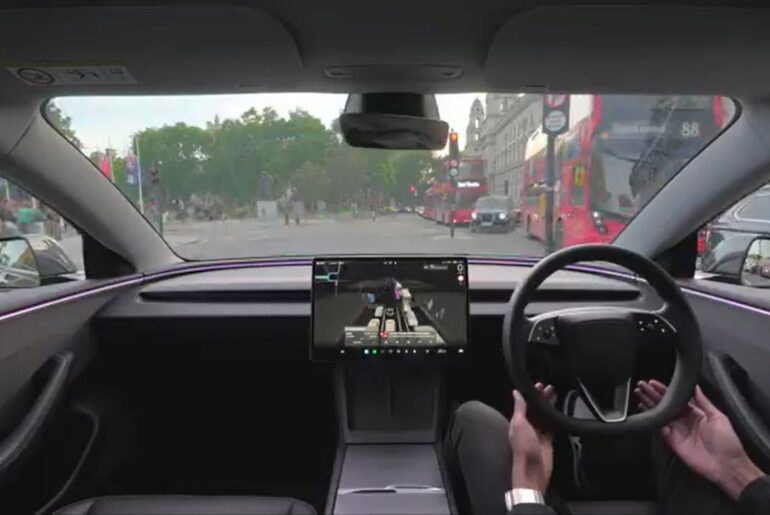
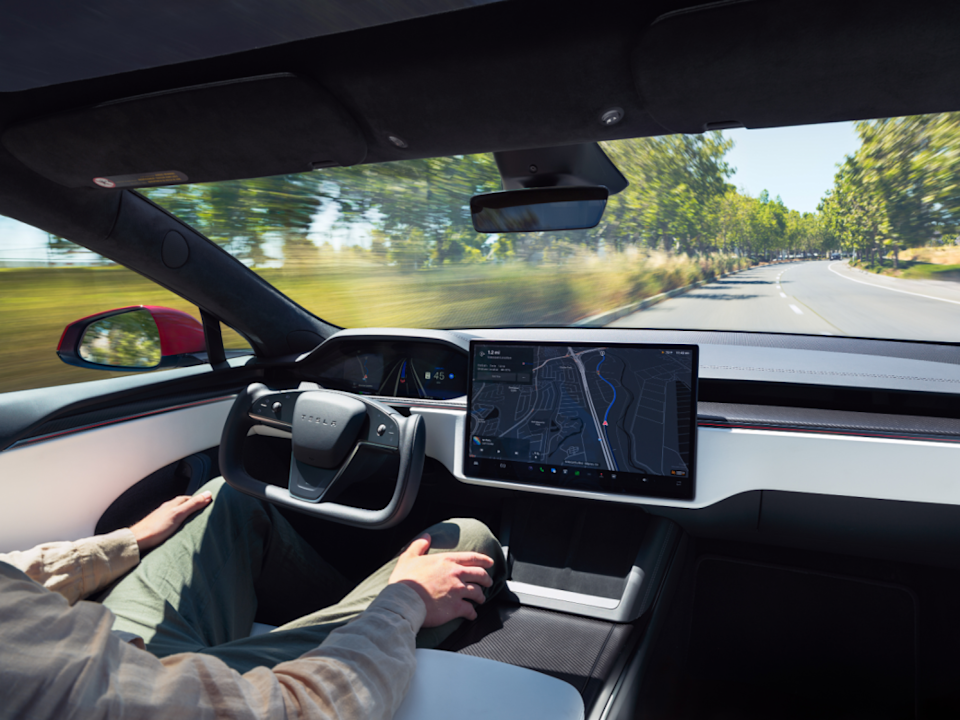
Almost simultaneously, NHTSA upgraded a separate investigation into Tesla’s Full Self-Driving software to an engineering analysis, which is the final stage of scrutiny before the agency can push for a mandatory recall. The probe now covers an estimated 3.2 million vehicles, and the central finding is damning for Tesla’s camera-only approach.
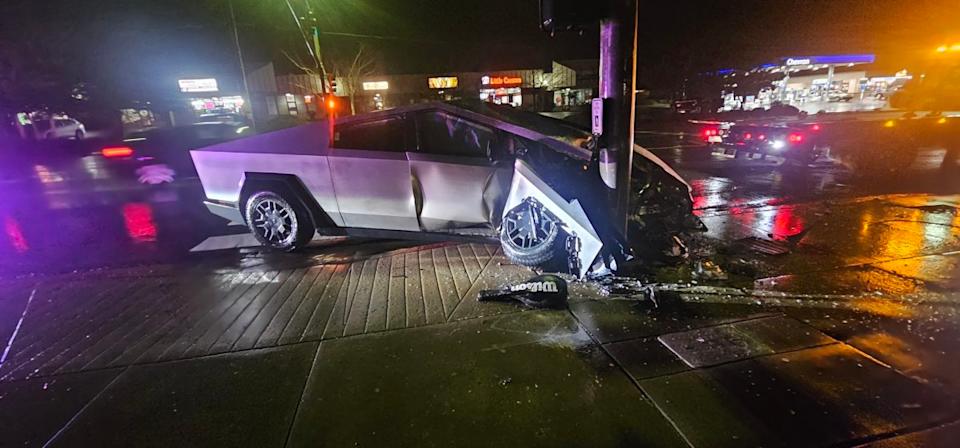
Tesla’s system may fail to detect hazardous situations and alert the driver as it should when camera functionality is impaired. In some cases, it only gives a warning seconds before an accident, or fails to do so entirely. Sun glare, dust, and fog are common failure points for Tesla’s FSD. The NHTSA has identified nine accidents connected to the problem, including one death, and is reviewing six other possible related incidents. This is also not Tesla’s only active FSD investigation. A separate probe covers 2.88 million vehicles over more than 50 reports of traffic safety violations, with findings that FSD has induced vehicle behavior that violated traffic safety laws.
Jonathan Challinger (Jonathan Challinger)
What Happens Next and Why It Matters
The engineering analysis phase typically concludes within 18 months, after which NHTSA either closes the case or moves toward a recall. Given Tesla’s history with regulators, the most likely outcome if a recall is ordered is an over-the-air software update pushed directly to affected vehicles.
But the bigger picture goes beyond a software patch. Tesla has staked much of its future valuation on autonomous driving, particularly the promise of a robotaxi fleet, and every new investigation chips away at that. Escaping the recall petition was the “easy” part. What comes next is the part that could change everything.
This story was originally published by Autoblog on Mar 22, 2026, where it first appeared in the News section. Add Autoblog as a Preferred Source by clicking here.