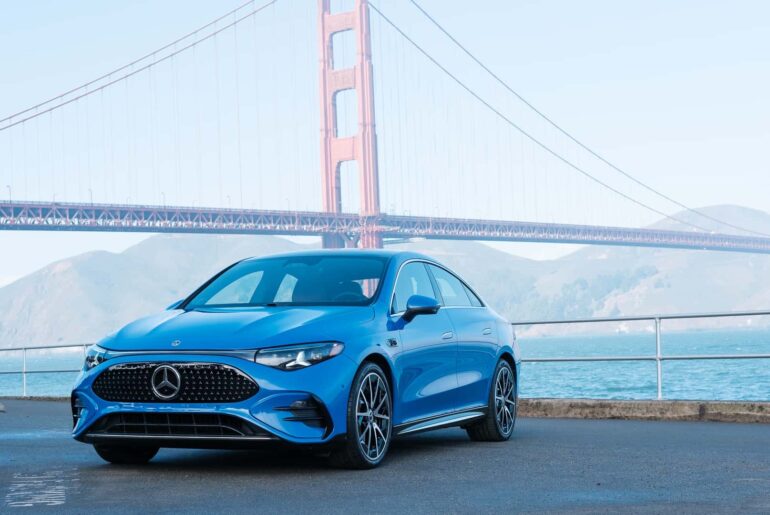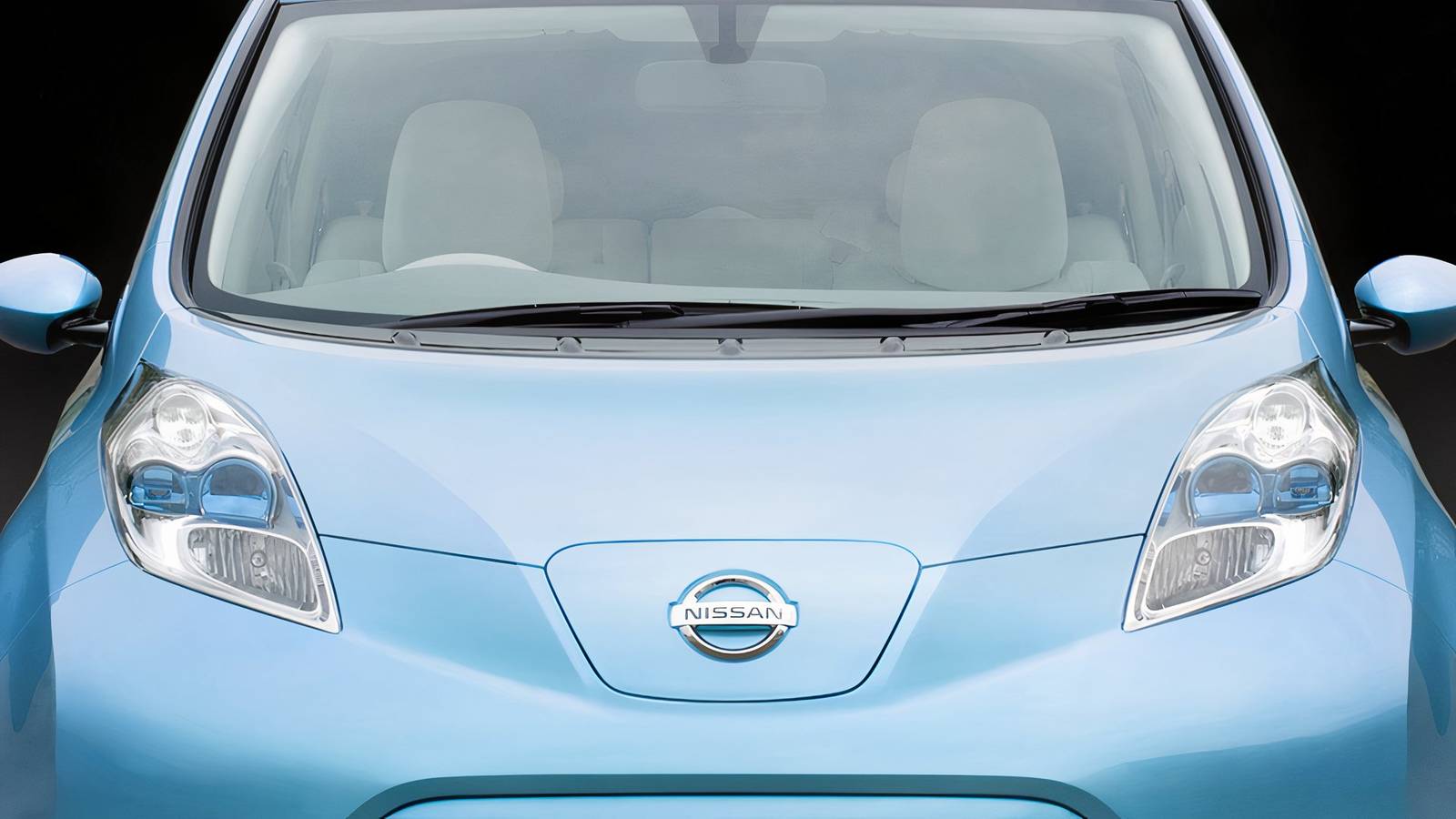
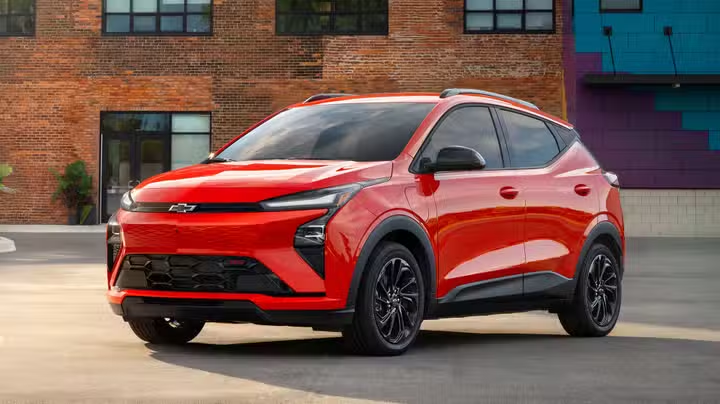
The headlines containing quips about electric vehicle owner satisfaction and failure rates certainly catch our eye, sending us into a research frenzy about what cars are actually the most reliable and not just glazed in high reported satisfaction rates. EVs have substantially fewer moving parts, which means a Chevrolet Bolt has a lower chance of failure than a Trax, right? Well, the bits they share with conventional ICE cars have been prone to failure, resulting in costly repairs over the years to keep them on the road. We wanted to know which was the most reliable of the early EVs and check up on the five we remember.
Base Trim Engine
Single-Motor Electric
Base Trim Transmission
Single-speed Automatic
Base Trim Drivetrain
Front-Wheel Drive
Related
What 10-Year-Old Used EVs Sell For In 2025
Buying a new EV can be a strain on your bank account, so this is how much a ten-year-old used example will cost on the secondhand market.
All information was sourced from outlets that rate vehicles in terms of quality and collect owner reviews, as well as the NHTSA.
Early EVs: 2012–2015
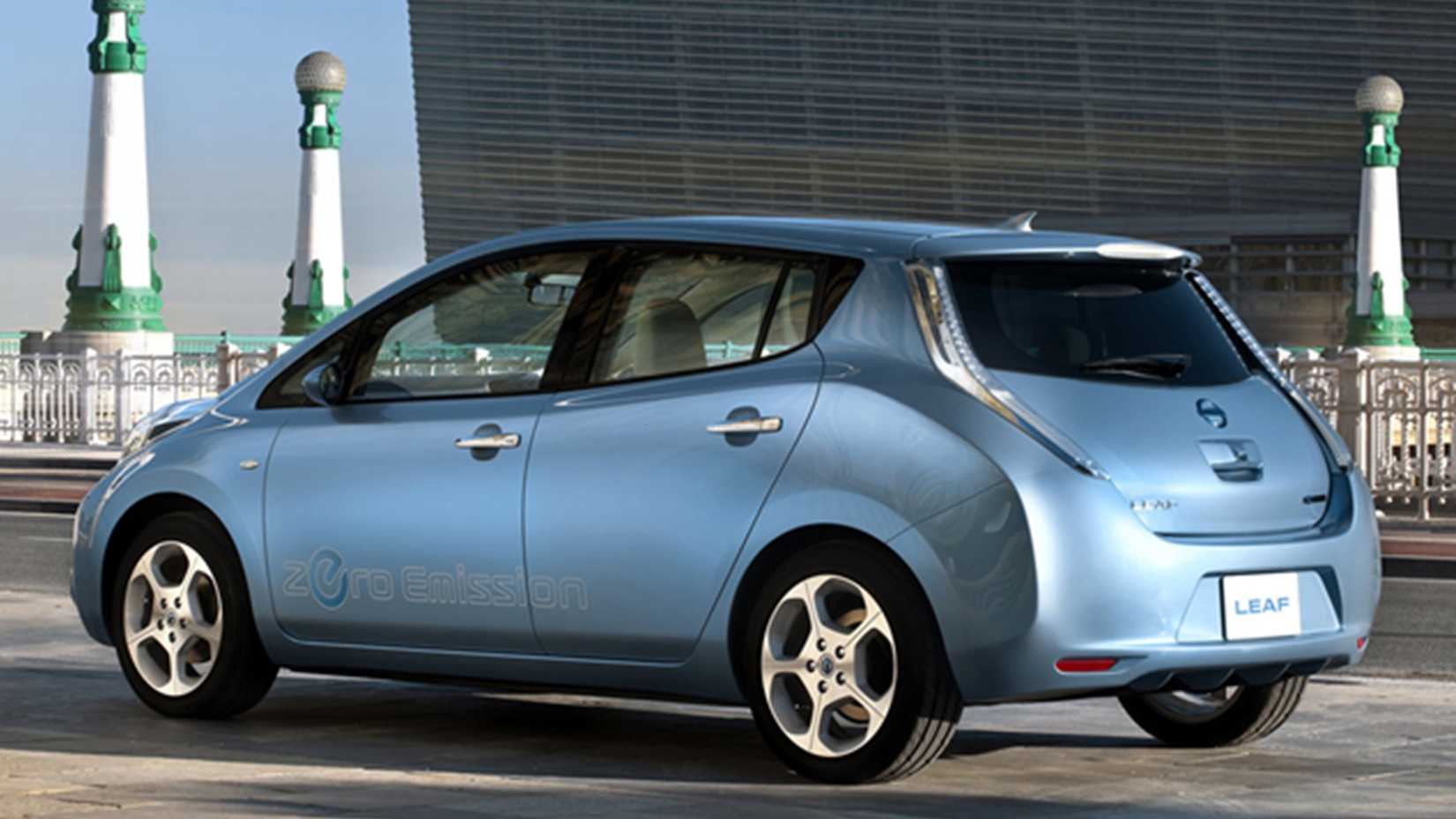
Blue 2011 Nissan Leaf rear endNissan
The era of electrification was upon us soon after the decade began. Nissan gave the world the Leaf, with a sub-100-mile range, but just a year later, Tesla launched the Model S and took the industry by storm, with the ability to cover more than twice the range of the little Nissan. Nobody else was offering a full-size sedan like Tesla was, though there were a few small compacts that used tiny electric motors puttering about. Cars like the Chevy Spark EV, BMW i3, and Volkswagen e-Golf conjure up memories of the dawn of the EV revolution, but after these cars crawled, their replacements ran. Let’s see how they’ve held up after all these years.
Model
JD Power
Cars.com
Active Recalls*
2012 Nissan Leaf
84
4.2
0
2012 Tesla Model S
—
4.6
7
2014 Chevrolet Spark EV
78
4.9
8
2014 BMW i3
—
4.8
4
2015 Volkswagen e-Golf
78
4.7
3
*According to the NHTSA
/100
/5
The Results
2015 Chevrolet Spark Green Front Angle Parked in City EnvironmentChevrolet
Least Reliable: Chevrolet Spark EV
Motor
Horsepower
Torque
Battery Capacity
EPA Est. Range
Current Range*
105 kW single-motor
140
400
21.3 kWh
82 miles
50–70 miles
*As gathered from owner reports
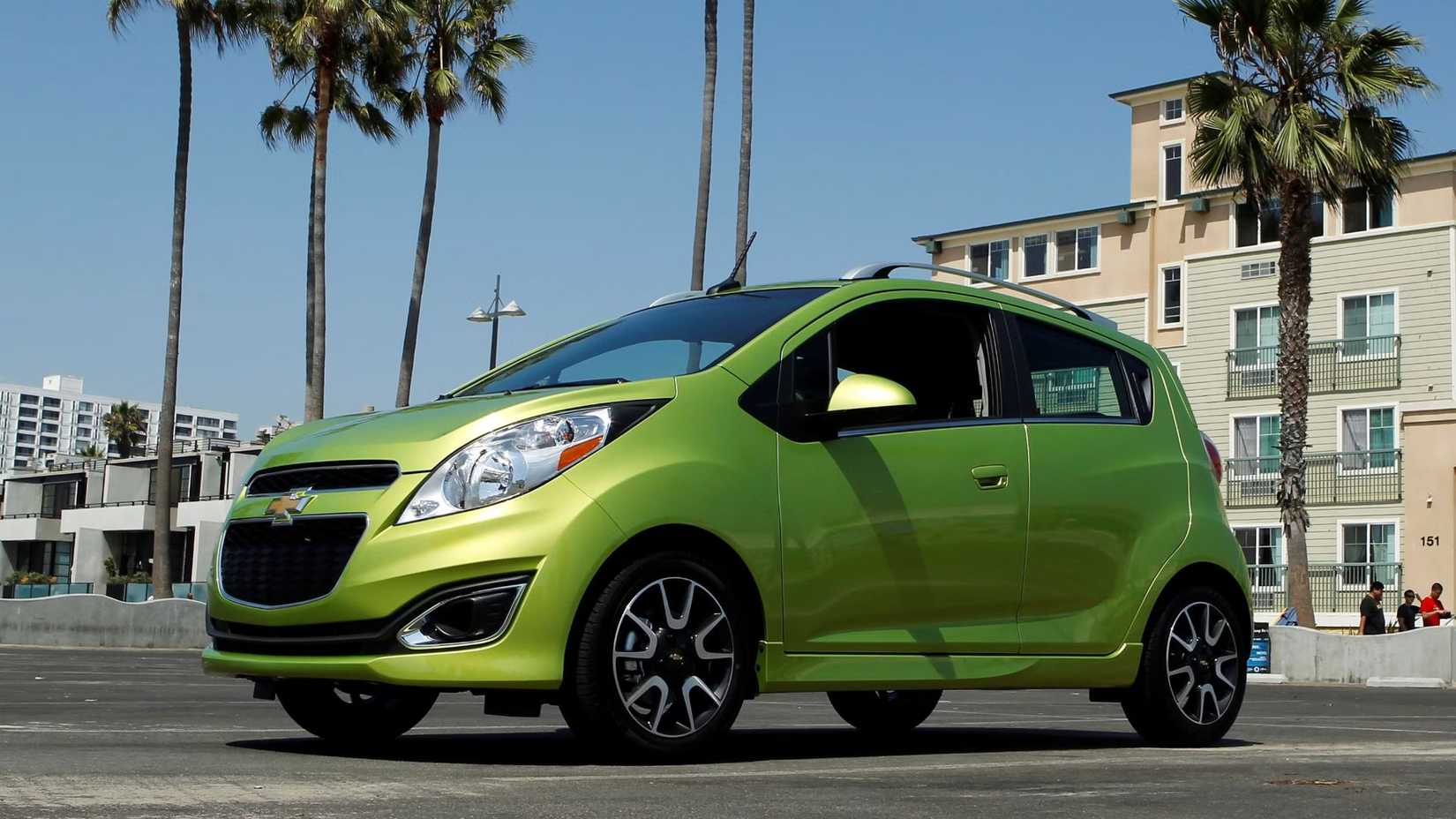
Aside from normal battery degradation, which all EVs face, the Spark EV has fared quite decently over the last dozen years. The most recent recall issued by the NHTSA was in 2022 for secondary hood latch corrosion, amongst others from 2014–2017, which included airbag recalls and software issues. Only one recall was earmarked as a “do not drive warning” due to a manufacturing error that affected the lower control arm bolts. The Spark EUV is in the works and looks to build atop the original’s spunky means of meandering around town.
The electric powertrain hasn’t suffered terrible losses; the battery seems to hold up well against others on the market, but the number and nature of the open recalls has us skeptical of what ownership has been like over the years. The little electric motor provides torque in one big lump, which GM boasted as “having more torque than a Ferrari 458” at its press drive event. The small stature didn’t provide a livable cabin for most, but its stumpy frame provided good headroom and a wide enough cabin, narrowly preventing any shoulder bumping with your passenger. It’s still one of GM’s pioneering EVs that did its best to help bring electrification to the masses.
Fourth Place: Tesla Model S
2012-2016 Tesla Model S – ExteriorTesla
Motor
Horsepower
Torque
Battery Capacity
EPA Est. Range
Current Range*
270/310 kW single-motor
362/416
325/443
40/80 kWh
208/265 miles
180–230 miles
*As gathered from owner reports
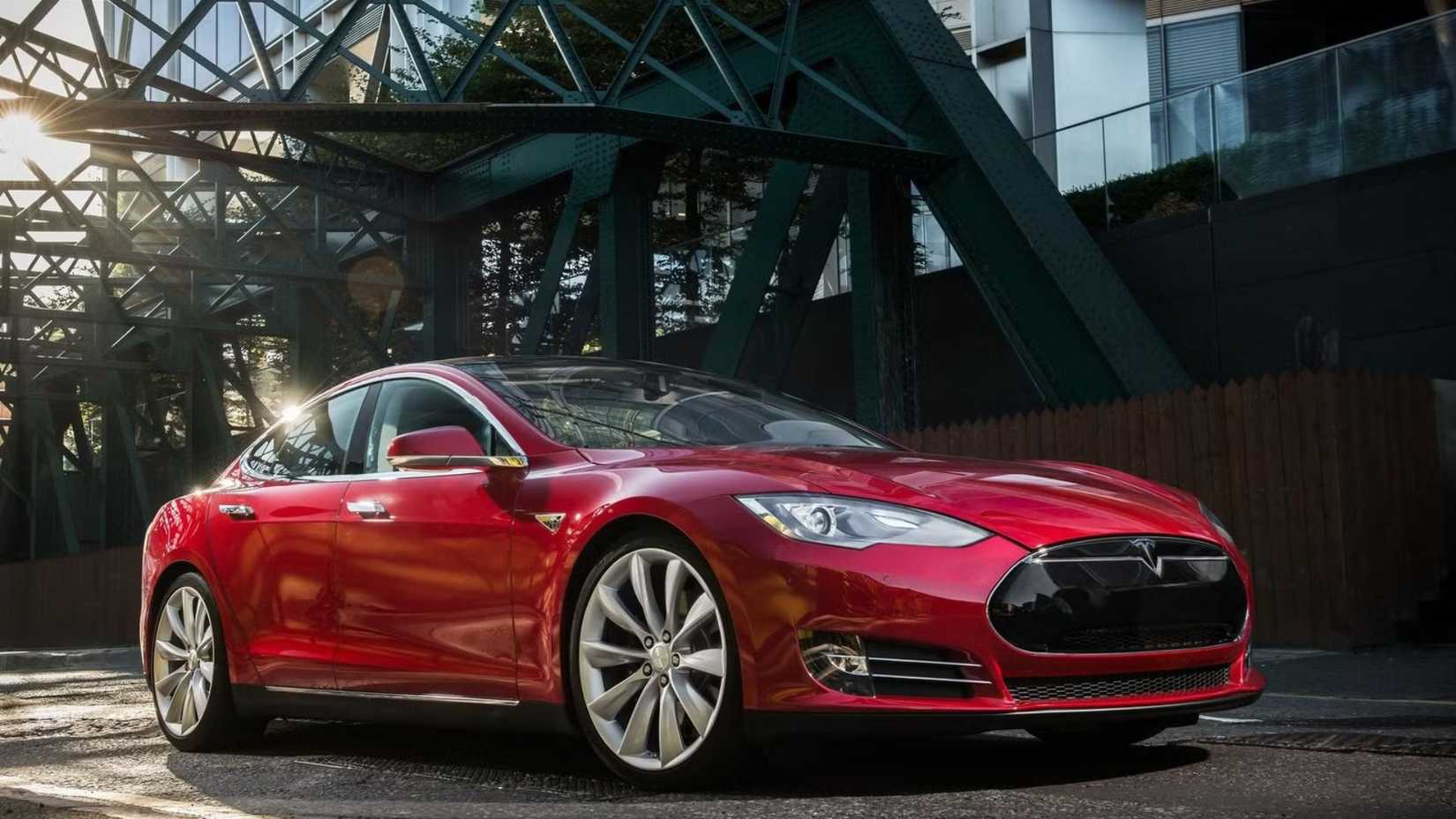
When the Model S first launched, it created a whole new benchmark for electric cars. Offering some of the most innovative technology at the time, Tesla absolutely killed it with its first of many offerings that put the company at the forefront of electrification (which is probably why the latest models still use the platform). After all this hubbub died down, a few notable issues arose. The first recalls to be issued involved seatbelts and airbags, with mechanical issues reported involving the battery and other powertrain features. In 2024, a recall was opened regarding a seatbelt warning system malfunction.
Roughly 15% of vehicles built in the first year experienced some sort of failure, the highest number reported by the company in its history. Most of the non-battery issues have been resolved, and Tesla offered a generous battery warranty for the time. Some owners have been able to travel great distances with their early Model S cars, granted they aren’t running on the original battery. Most of the vehicles on this list can still be found with their original batteries, save for the Spark and the Model S, and, ironically, the car in first place, but we’ll talk about that later.
Third Place: BMW i3
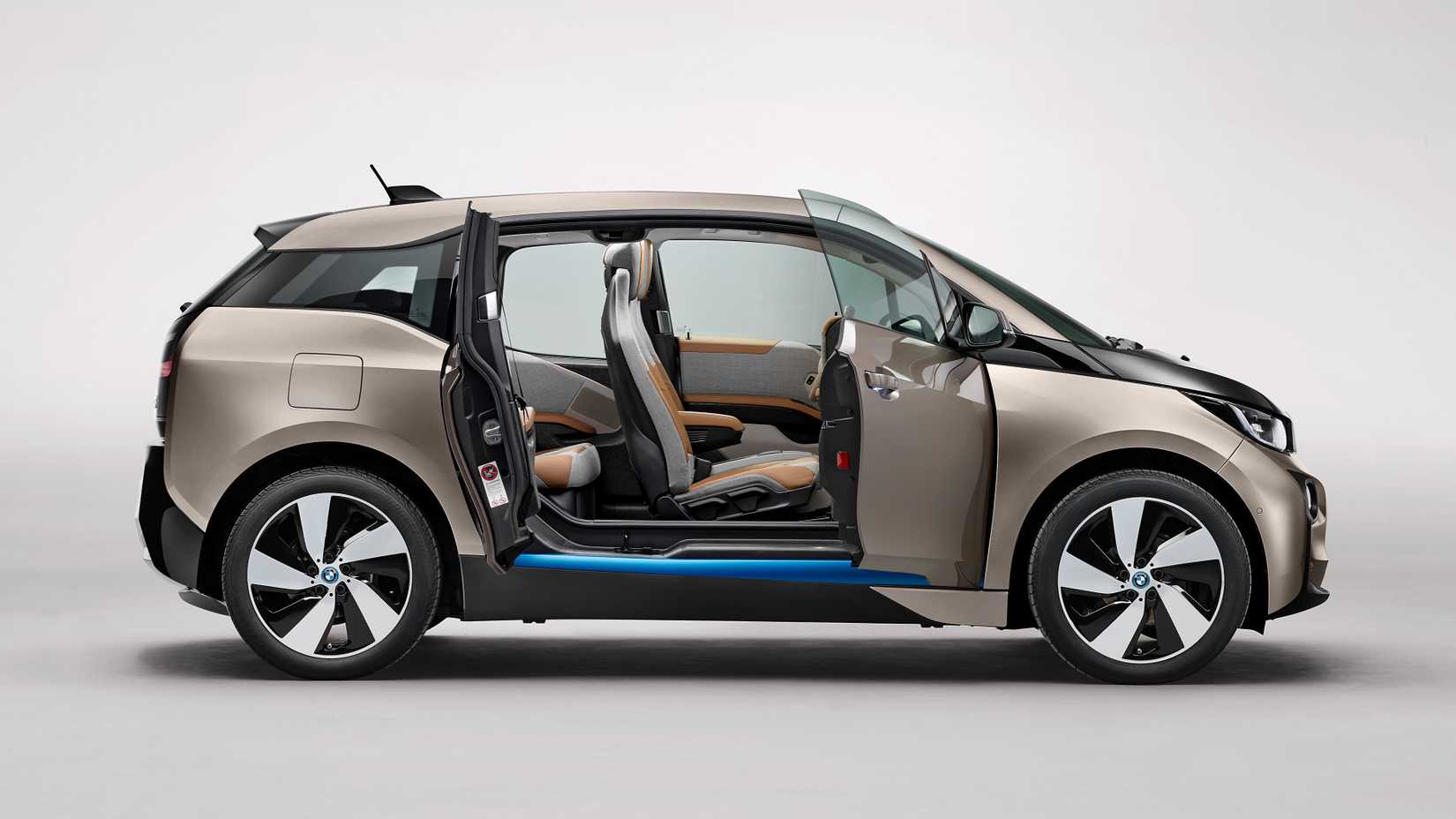
2014 BMW i3 Exterior with doors openBMW
Motor
Horsepower
Torque
Battery Capacity
EPA Est. Range
Current Range*
125 kW single-motor
170
184
22 kWh
81 miles
72–81 miles
*As gathered from owner reports
The i3 has no open recalls affecting the powertrain, garnering it some more clout in the reliability department than some others listed. The most recent comes by way of an excessive neck tension-extension force that an unbelted passenger might experience in the event of a collision. That jumble of words was posted in November 2017 for all i3 models.
It appears the i3 has suffered the least when it comes to battery degradation amongst all the EVs listed. It’s lightweight carbon fiber construction helped to keep stress off the powertrain, along with the mostly city driving that owners did in these cars, keeping the distances short. The considerably beefy-for-the-class 125-kW motor was seldom strained with that kind of driving, either. Battery failure rates for these are low, with owners reporting high satisfaction paired with its low number of open recalls.
Second Place: Volkswagen e-Golf
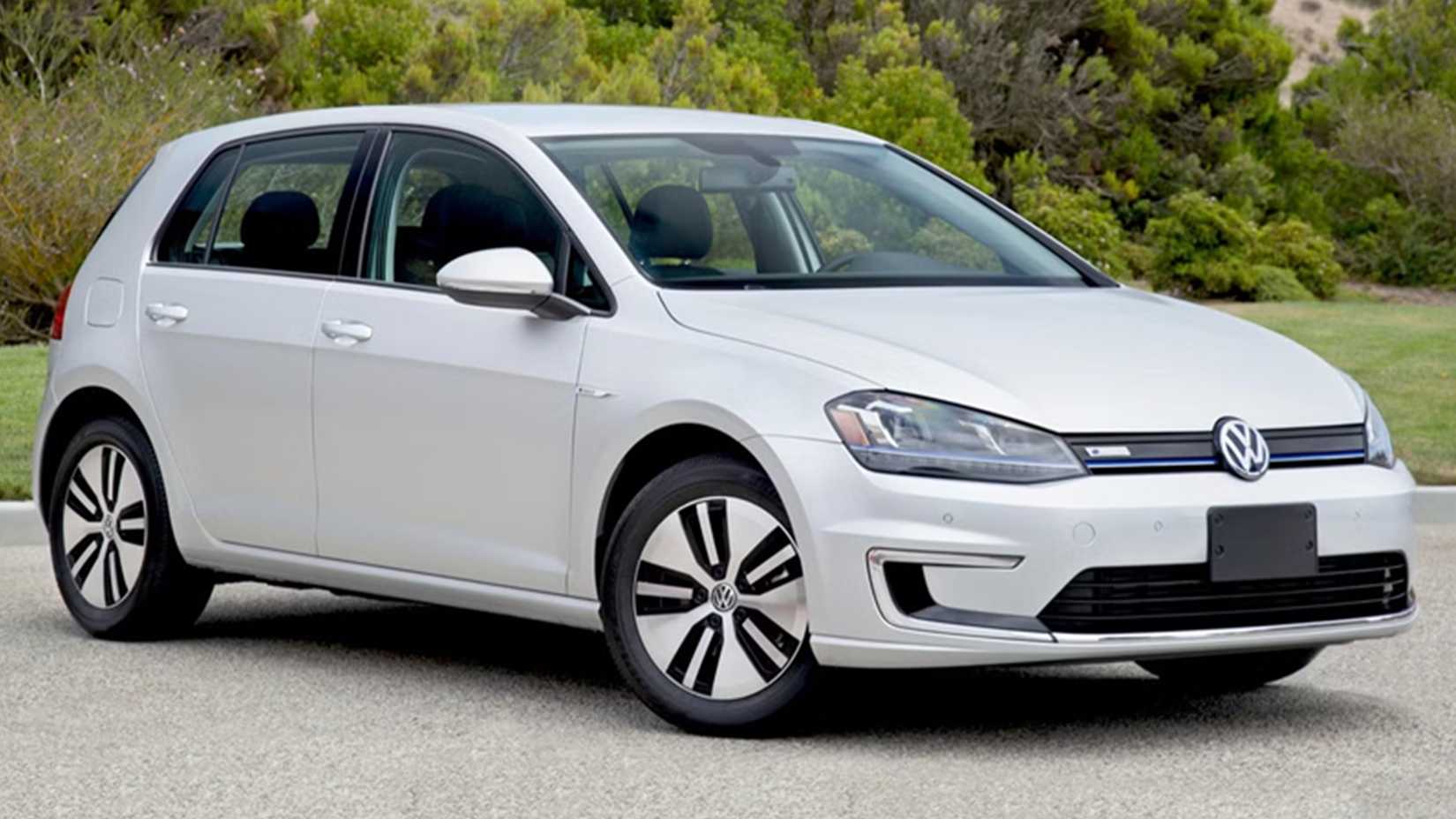
Silver 2018 VW e-Golf frontVolkswagen
Motor
Horsepower
Torque
Battery Capacity
EPA Est. Range
Current Range*
85 kW single-motor
115
199
24.2 kWh
83 miles
40–83 miles
*As gathered from owner reports
The e-Golf had both sporty and economical chops enough to be awarded North American Car of the Year for 2015. Great hot hatches are called go-karts for their quick responsiveness and small presence. The GTI has been the benchmark for what feels like a thousand years, but the most go-kart-like car to ever have come from VW has to be this one.
Choking the fun of this car is the range, which wasn’t great when it debuted and is even less impressive today. Other pesky mechanical issues that arose over the life of the vehicle were the electric motor shutdown recall issued in 2016, but the other two are non-powertrain-related. Battery replacements are uncommon compared to the Model S and Spark, and other than an annoyingly decreased by 50% in some cases, the e-Golf looks to have been a trusty steed. The Golf will continue through 2028 with a new generation of hatchbacks, possibly hiding something “buzzing” under the hood.
Most Reliable: Nissan Leaf
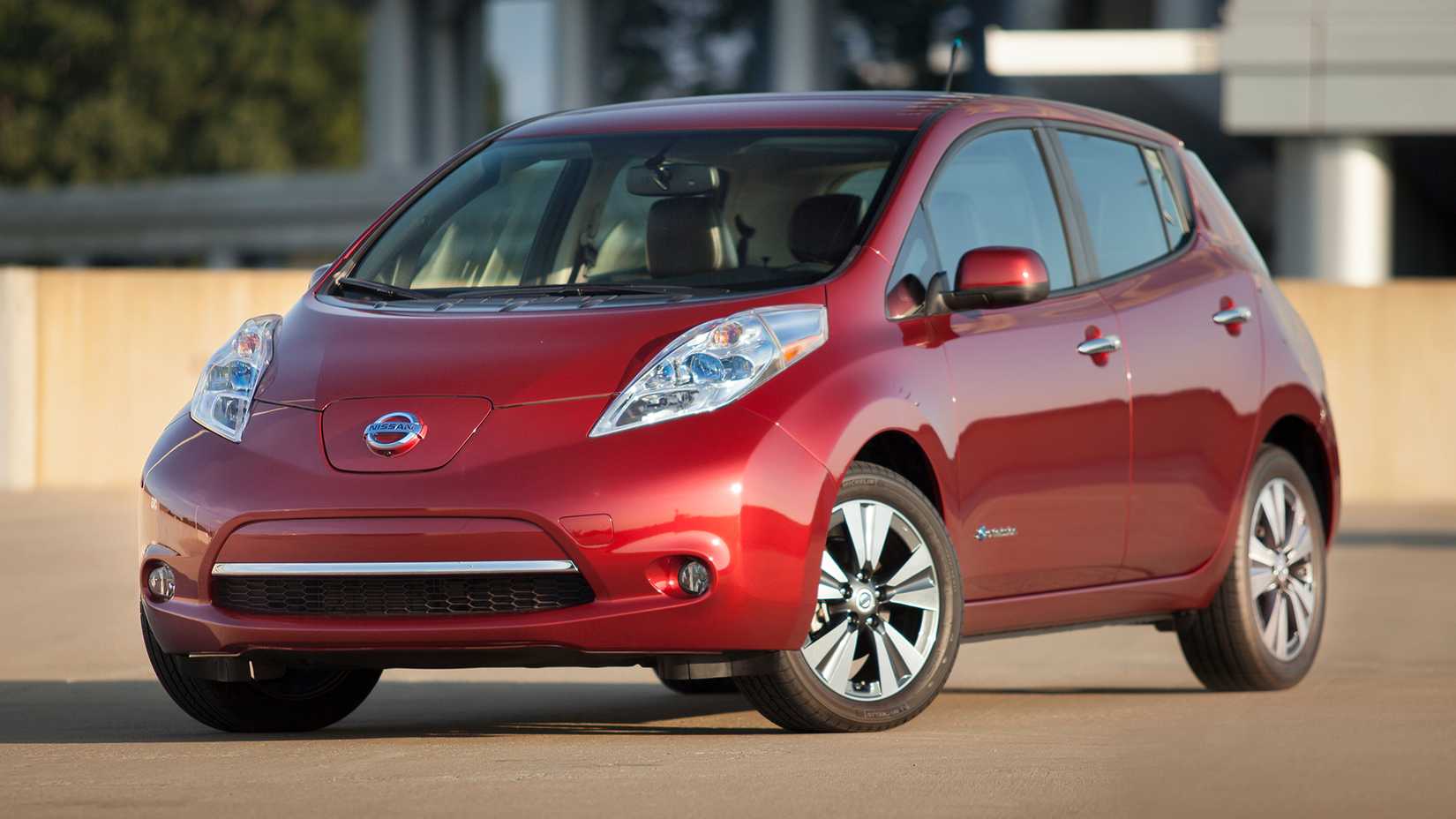
Red Nissan Leaf hatchback, front 3/4 angleNissan
Motor
Horsepower
Torque
Battery Capacity
EPA Est. Range
Current Range*
80 kW single-motor
107
207
24 kWh
73 miles
40–60 miles
*As gathered from owner reports
Our friends over at Top Speed scoured records to determine the most reliable EV of the last decade. This turned out to be the Nissan Leaf. Combined with its current price of less than $5,000, the Leaf proves to be a solid choice for EV motoring on an extreme budget. Second-generation models came equipped with a larger 62-kWh battery and boosted range significantly, but that added value is reflected with those models costing almost double what a first-generation Leaf will set you back.
No open recalls currently affect 2012 Leafs, but later models are subject to a handful depending on the year. Larger than the Spark EV and far cheaper than the luxurious Model S, the Leaf became one of the only usable electric cars. Offered in two trims: SV and SL, although the basic SV had solid features right out of the gate. A heated steering wheel and front seats came standard, which is actually the most efficient way of heating occupants in an EV than drawing extra power to run a heater core.
Related
2026 Nissan Leaf First Drive Review: A Dominant EV Force
With more range, better pricing, and a crossover-ish design, the latest Leaf is the best of its lineage (and maybe even best-in-class).
When it was new, the Leaf ranged between $35,000–$37,000, and while it has depreciated by around 90%, it still offers all the juice you could need for local commutes without needing too much care to keep it running.
Sources: NHTSA, Cars.com, J.D. Power