Electric cars used to feel like a niche choice. Early models were expensive, range was limited, and charging points were hard to find. But in 2026, the electric car landscape looks decidedly different. Electric vehicles are increasingly becoming the norm: prices are changing, charging is more convenient, and more drivers are learning how seamlessly these cars fit into everyday life.
Some drivers are making the switch to save money; others are driven by environmental concerns; and for many, it’s the appeal of a quieter, smoother, less complicated car that seals the deal. A range of powerful trends is fuelling this change. Read on to discover why more and more motorists are seriously considering the move to electric in 2026.
Lower Running Costs Are Hard to Ignore
Running costs are one of the biggest reasons drivers consider electric cars. Electricity is usually cheaper than petrol or diesel when measured per mile, especially considering the recent jump in fuel prices, so many drivers find that charging an electric vehicle at home costs far less than filling a fuel tank. And for people who commute daily, these savings can add up exponentially over the course of a year.
Maintenance is another significant piece of the puzzle: when it comes to electric vehicle servicing, you have no oil to change, no exhaust system, and fewer components that wear out over time. That often means fewer visits to the garage and lower servicing bills. Brake wear is also reduced because regenerative braking slows the car while recovering energy.
Many car buyers also value that some electric vehicles qualify for lower road tax rates or local incentives depending on the region. Company car drivers in particular have noticed this, since benefit-in-kind tax rates remain relatively low for electric models in the UK. These cost factors do not make electric cars cheaper for everyone, especially if charging is difficult at home, but for many households, long term insurance and tax benefits mean the numbers are becoming easier to justify.
Charging Infrastructure Has Improved
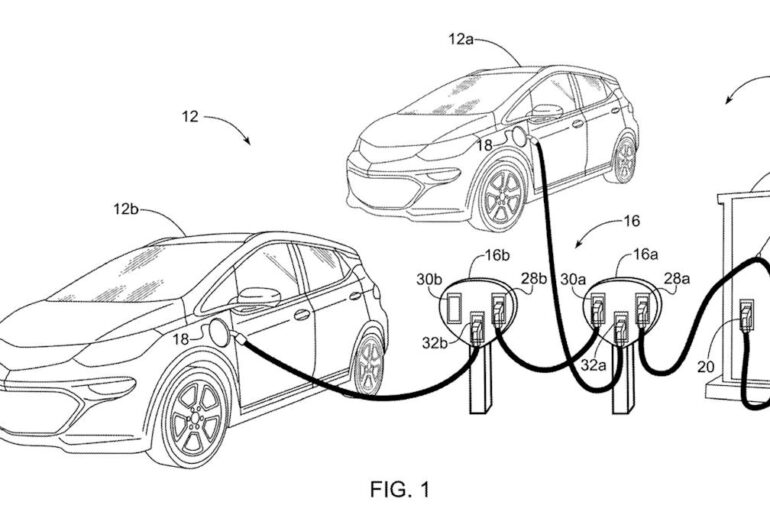
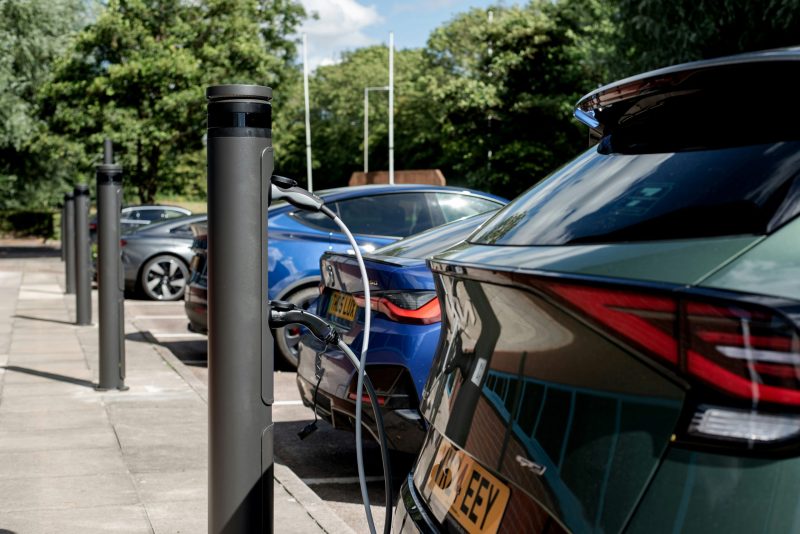
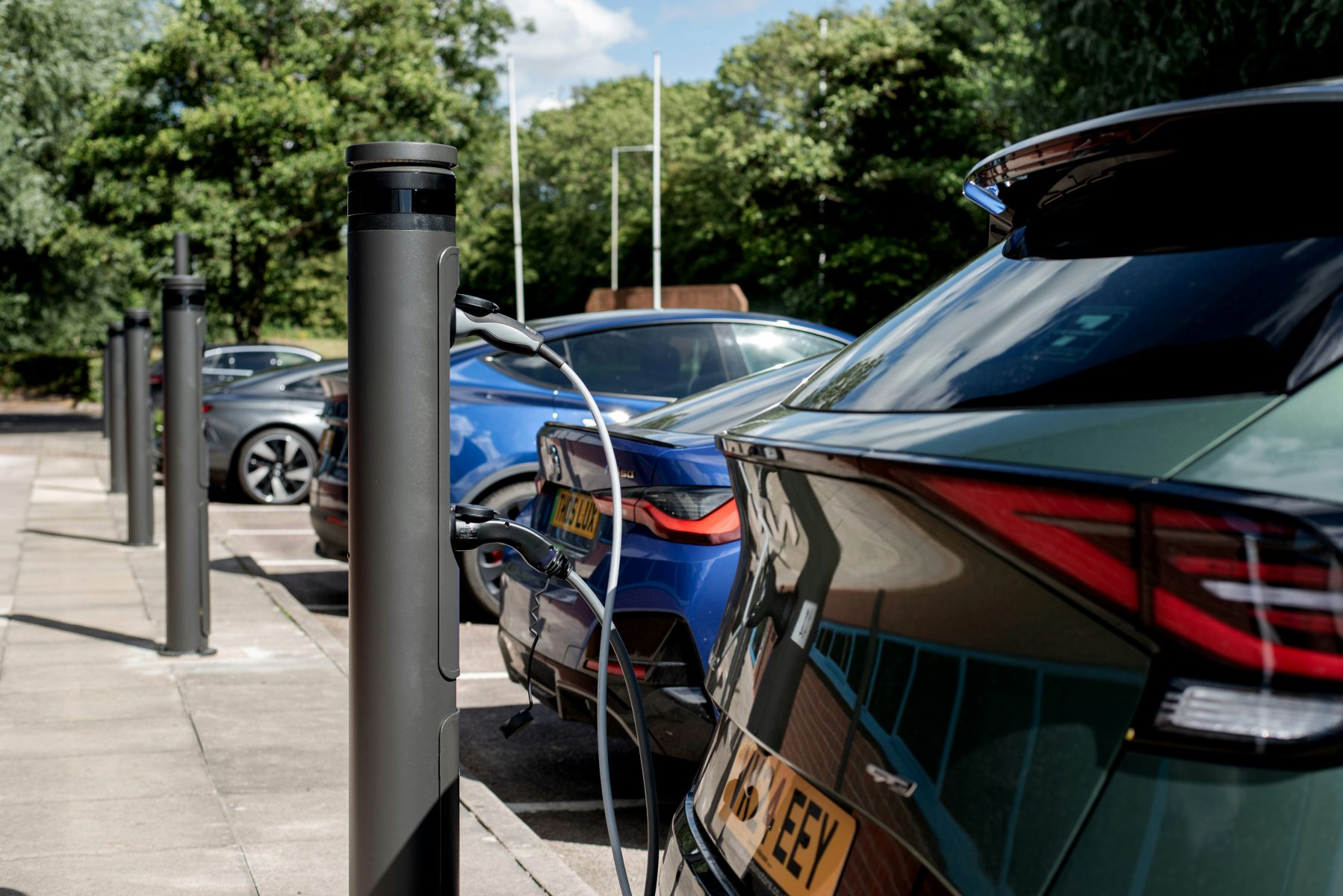
A few years ago, charging infrastructure was one of the major concerns for drivers, as public chargers were limited and sometimes unreliable. In 2026, the network is much larger and easier to use. Motorway service stations across the UK now commonly offer rapid and ultra-rapid chargers; these can add significant range in under half an hour, which makes long journeys more practical. Retail parks, supermarkets, and workplaces also continue to install charging points. Drivers often charge while doing something else rather than making a separate stop. However, home charging remains by far the most convenient option. Many drivers install a wall charger that allows overnight charging. By morning the battery is full, and there is no need to visit a charging station during the week.
Technology has also improved this experience. EV charging apps now show real-time availability and pricing, and contactless payment has become more common. These changes remove much of the uncertainty drivers once felt. Charging still requires planning in some areas, especially for people without off-street parking, but overall, access to electricity on the road is no longer the barrier it once was.
Electric Cars Are Becoming More Affordable
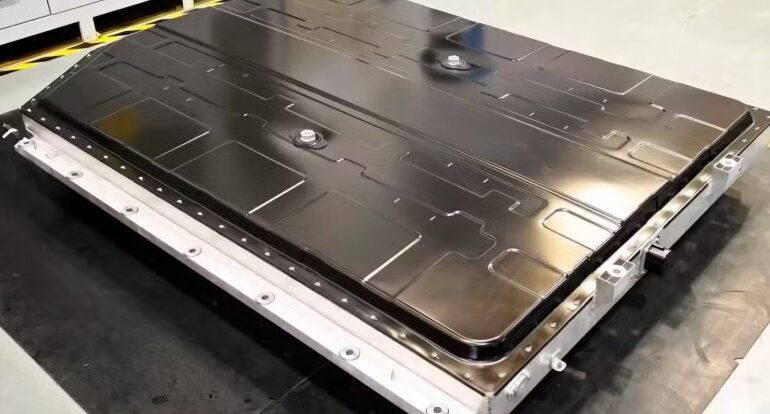
Once upon a time, early electric vehicle models carried a large premium compared with petrol vehicles, but that gap has been shrinking. Manufacturing scale has played a major role in this: as more electric vehicles are produced globally, battery costs have gradually dropped. Carmakers are also expanding their electric line-ups, creating more competition and more options for buyers.
Additionally, there are now far more second-hand electric cars available than there were five years ago. Drivers who do not want to buy new can find models at more accessible prices, including earlier generations that still provide solid range for daily use.
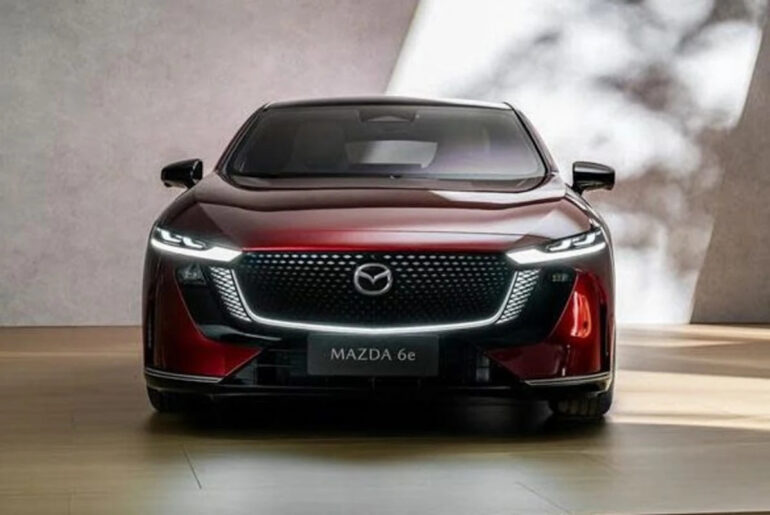
Over time, the range of car brands in the UK market offering electric vehicles has expanded significantly, and buyers in 2026 have been enjoying exploring this growing selection. In particular, visiting a BYD dealer gives drivers the chance to see just how far electric car design has come. BYD showrooms highlight their cars’ practical features, competitive pricing, and strong battery technology; for many drivers, it helps make electric cars feel more like a realistic option rather than a thought experiment.
Environmental Concerns Are Playing a Bigger Role
Environmental awareness continues to shape how people think about transport. Many drivers are more conscious of emissions than they were a decade ago, and electric vehicles offer a way to reduce tailpipe pollution, especially in cities where air quality is a concern. Electric cars produce no exhaust emissions while driving, making them attractive in urban areas where traffic contributes heavily to air pollution. Local authorities have also introduced clean air zones and similar policies, encouraging drivers to consider low emission vehicles.
Electricity generation still matters, since the environmental impact depends partly on how power is produced, but the UK’s energy mix now includes a growing share of renewables such as wind and solar. As the grid becomes cleaner, the environmental advantage of electric vehicles improves.
Some drivers also like the quieter nature of electric cars. Reduced engine noise can make city streets less harsh and residential areas calmer. This benefit is often overlooked but becomes noticeable once people experience it. Whilst environmental motivation is not the only reason people switch, this factor increasingly sits alongside financial and practical considerations when drivers choose their next vehicle.