New emissions rules could be introduced this year as part of a major shake-up of driving laws, according to a Government document.
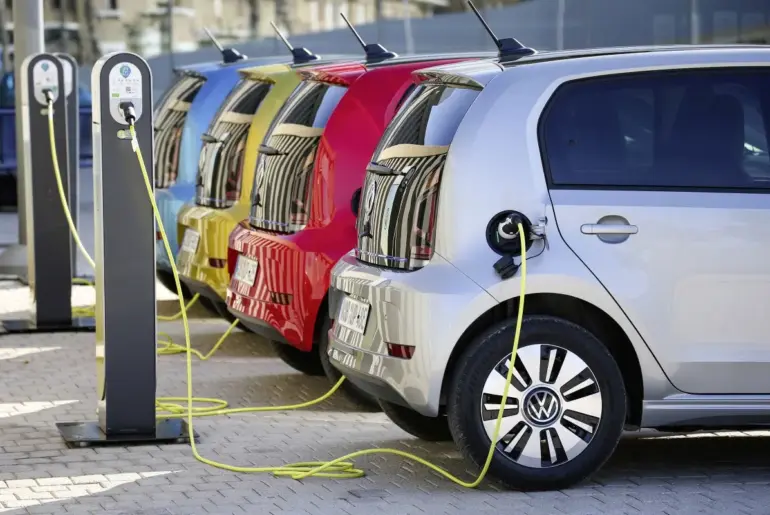
The changes, outlined by the Department for Transport, form part of new European Union proposals aimed at simplifying vehicle rules and supporting the shift to electric vehicles.
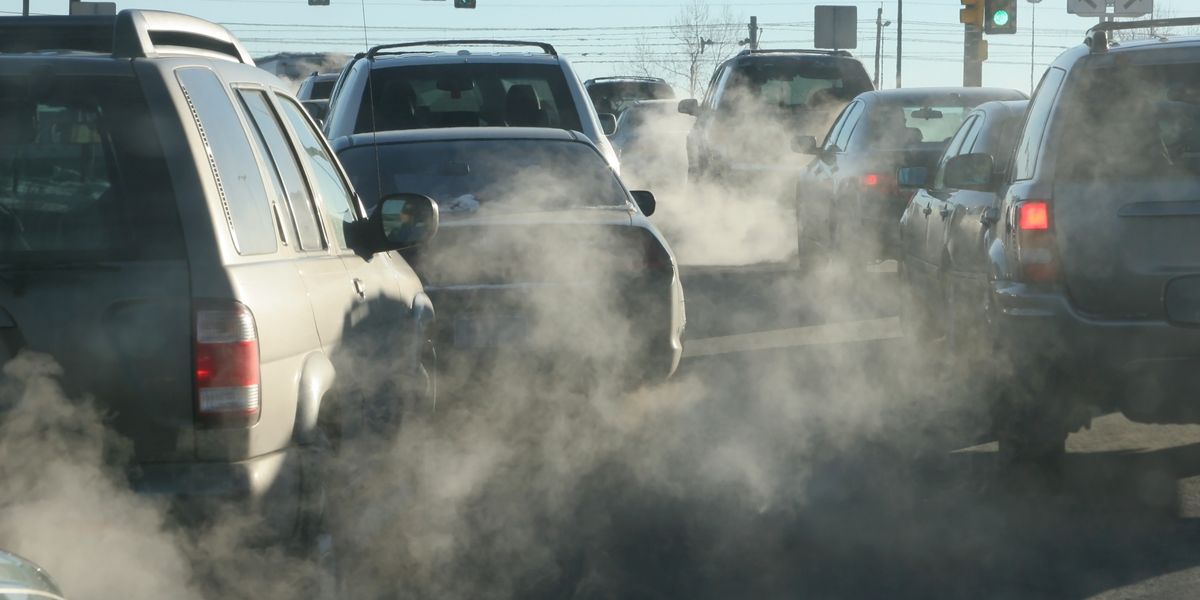
At the centre of the plans are updates to the Euro 7 emissions rules, which set limits on how much pollution new vehicles are allowed to emit while travelling on roads. The proposals would remove some laboratory tests and instead rely more on real-world driving data.
According to the document, this is because existing testing is already effective, stating that real-world checks are “sufficient to demonstrate compliance at low temperatures”.
Officials stated the move will reduce costs and make the system simpler for manufacturers. However, concerns have been raised that cutting tests could weaken how emissions are measured.
Euro 7 testing across Europe is expected to take effect from November this year for new cars and vans, and in 2028 for buses and trucks. It has been designed to tighten rules on pollutants beyond just exhaust fumes. It regulates brake, tyre, and tailpipe emissions, while enforcing higher battery durability standards for electric vehicles.
The emissions changes form part of a wider package that also affects electric vans and driving rules. One of the biggest changes is a plan to relax rules for certain electric vans. Currently, most vehicles over 3.5 tonnes must follow strict limits on driving time and rest periods, monitored using tachographs.
But under the new proposals, electric vans weighing up to 4.25 tonnes could be exempt. The document explains this is to reflect the “additional mass of electric light goods vehicles resulting from the battery”.
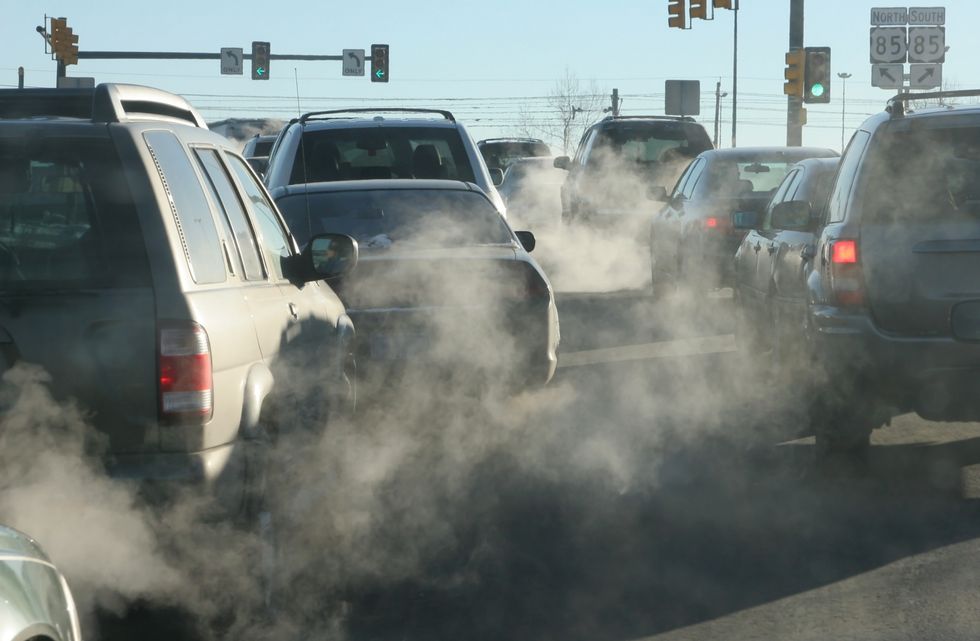
Under the measures, electric vehicles alongside petrol and diesel cars will undergo new emission testing
| GETTY
The move means some drivers may no longer need to follow the same working time limits or use tachographs. There are also plans to remove the requirement for speed limiters on these vehicles, again to align them with petrol and diesel vans that carry similar loads.
In another change, the EU hopes to introduce a new category called “small electric vehicles”, covering cars under 4.2 metres in length.
The document described this as “the first step towards the introduction of targeted measures to support the uptake of small electric vehicles”.
Vehicle noise rules are also set to change. Older EU laws would be scrapped and replaced with international standards, including rules requiring electric vehicles to make noise at low speeds to warn pedestrians.
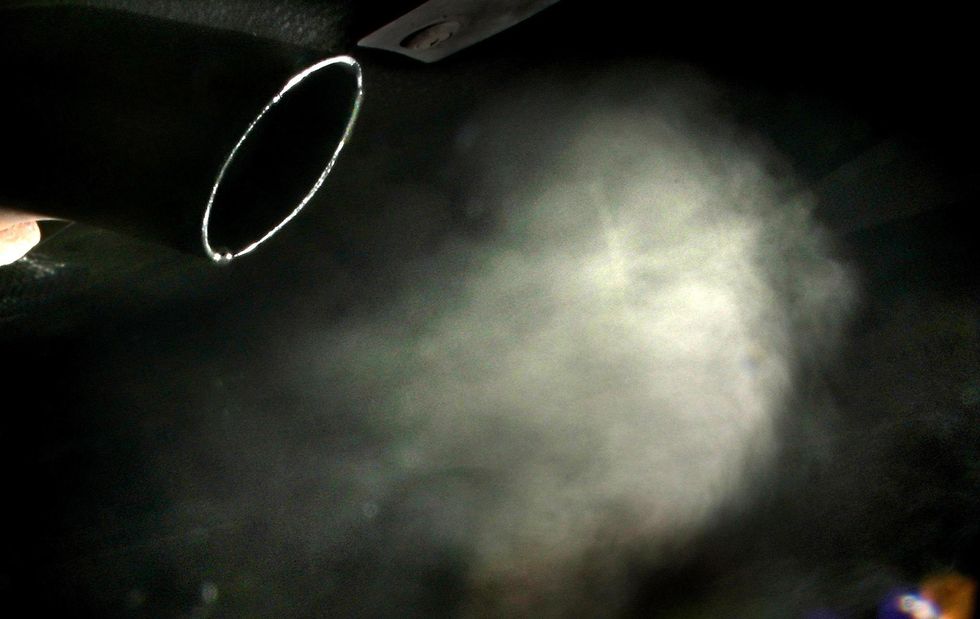
Euro 7 rules will come into effect in November for European countries, with the UK set to follow
| PA
Although these changes are being proposed by the EU, they could still affect parts of the UK due to the Windsor Framework.
Under this arrangement, some EU vehicle rules apply directly in Northern Ireland. The document confirms that, in many cases, the new regulations “will apply directly in Northern Ireland, no further legislation is required”.
This raises the possibility of different rules between Northern Ireland and the rest of the UK unless the Government chooses to follow the same approach in Great Britain.
The Department for Transport said it is monitoring the situation closely and will consider whether to align with the changes.
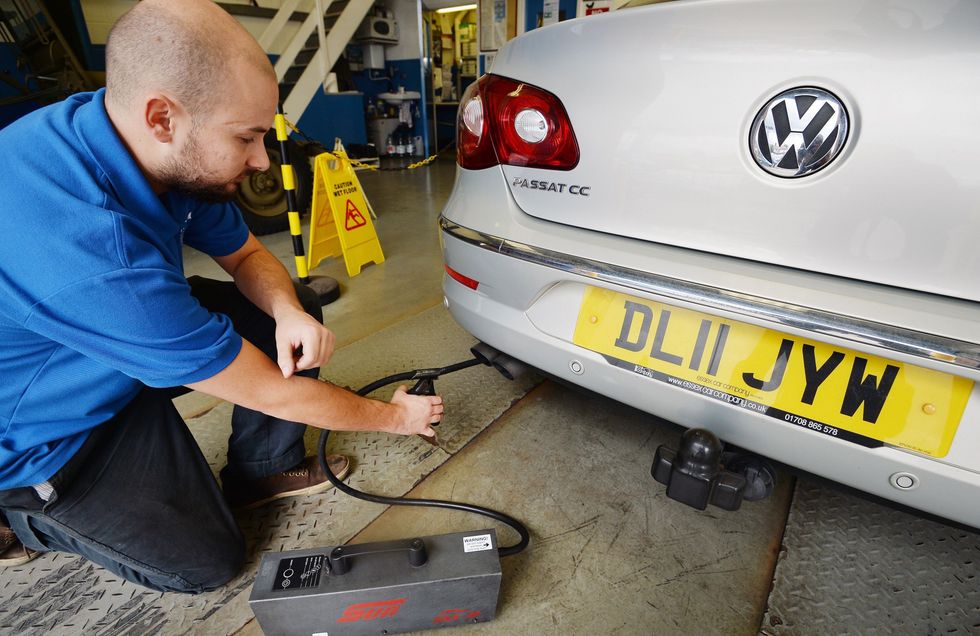
The new rules hope to simplify Euro 7 testing for emissions
| PA
The document stated: “Regulation (EU) 2024/1257 concerns the testing and approval of vehicles to the new Euro 7 emissions requirements. There are three proposed amendments. The first removes the low-temperature laboratory test for Euro 7, as it is sufficiently covered by the existing Real-world Driving Emissions test.
“The second updates the Regulation to refer to “vehicle categories” rather than “vehicle types” for Euro 7 engine type-approval. The third clarifies that the Commission is empowered to develop measures to ensure that on-board monitoring and on-board fuel consumption monitoring data are received, compiled, processed and stored effectively in a harmonised manner-to-monitor real-world performance of Euro 7 vehicle types.”
For now, the proposals are still under discussion and have not yet been finalised. However, they signal a clear direction of travel, with efforts focused on simplifying rules and supporting the move to electric vehicles.
While most drivers are unlikely to notice immediate changes, the impact could be significant for manufacturers and businesses using commercial vehicles.
Regulatory updates continue to change automotive industry, these new emissions and driving rules could play a key role in shaping the future of transport.