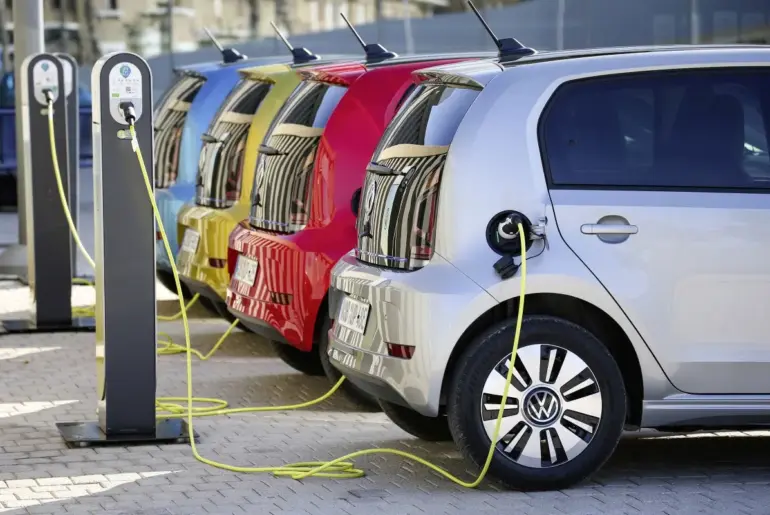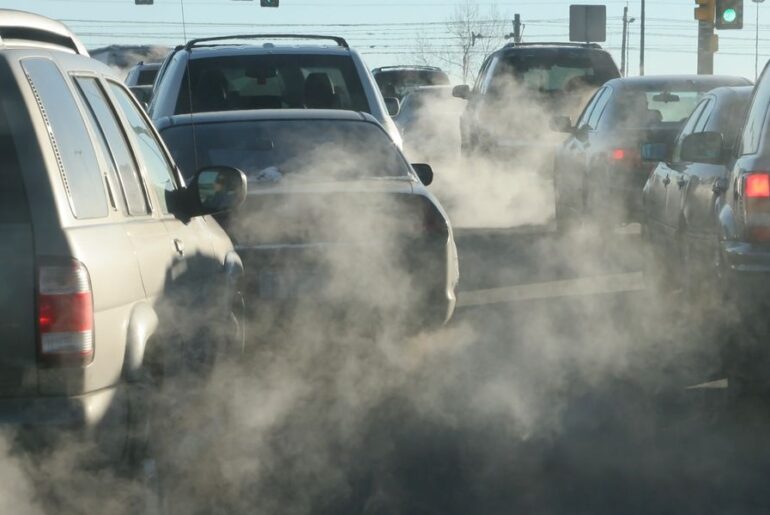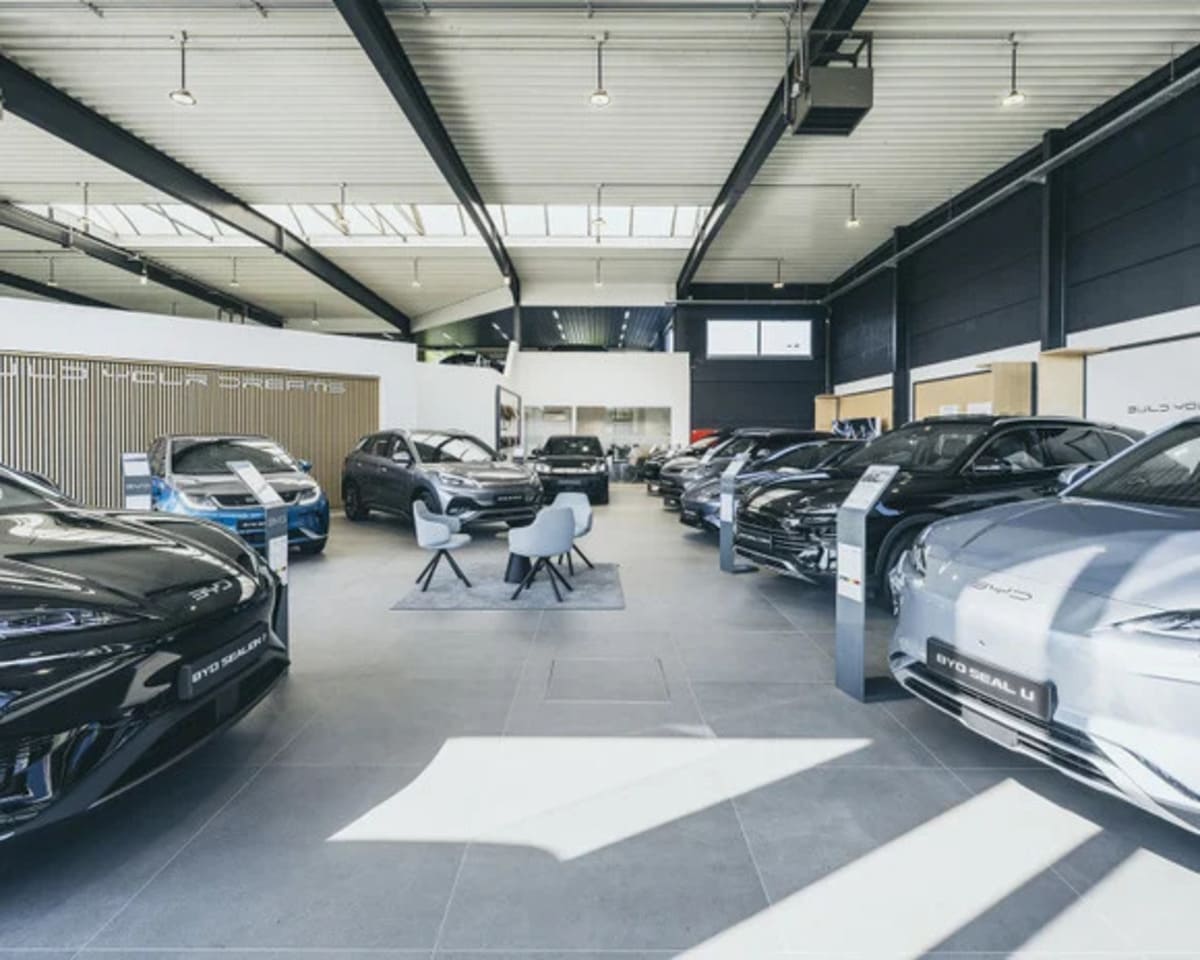
China’s electric cars have come a long way. Not so long ago, many European drivers viewed them with a mixture of curiosity and caution. Today, some models rival established brands in design, technology and range. Yet one stubborn problem keeps resurfacing in conversations with owners – what happens after the sale.
Now the Chinese government appears ready to step in. From 1 January 2026, manufacturers hoping to ship electric vehicles abroad will need a formal export licence, a move designed to protect the industry’s global reputation and bring more order to a rapidly expanding market.¹
China’s EV boom is now colliding with an old-fashioned reality: buyers don’t just compare range and tech, they compare what happens when something breaks. With new export permits arriving in 2026, Beijing is signaling that brand reputation overseas will depend as much on support networks as on glossy launch events.
Why after sales service is becoming the weak point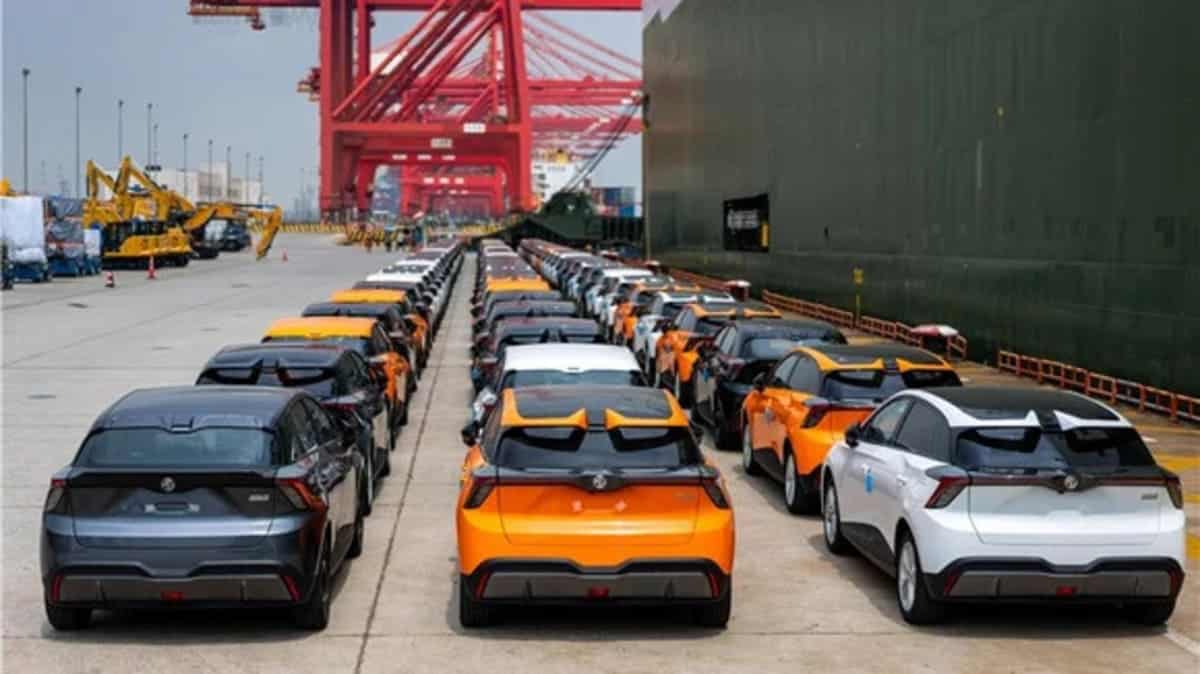 Some owners of the compact electric MG4 are complaining about spare parts taking too long to arrive. © SAIC Motor
Ask anyone who has owned a car for more than a few years and they will tell you the same thing: buying the vehicle is only half the story. What really shapes the ownership experience is maintenance, spare parts and support when things go wrong.
China’s electric car industry has sometimes struggled in this area. Reports from European drivers suggest that repair delays can stretch far longer than expected, particularly when replacement parts are difficult to source. For everyday motorists, this is more than an inconvenience. A vehicle stuck in a workshop for weeks can disrupt work schedules, school runs and family life.
I remember speaking with a neighbour last winter who had purchased an imported electric hatchback. The car itself was impressive – quick, quiet and surprisingly refined. But when a minor accident damaged a component in the front bumper, the repair took nearly two months simply because the part had to be shipped from overseas. Experiences like this have quietly shaped the debate around after sales service for Chinese EV makers.
Industry observers say the issue is not unique to Chinese brands. Even European manufacturers occasionally struggle with supply chains. Still, when a new wave of brands enters international markets, expectations rise quickly. The International Energy Agency notes that confidence in electric driving depends heavily on reliability and convenience, particularly around the availability of charging.⁵
Did you know?
In consumer surveys, “range anxiety” often gets the headlines—but the day-to-day hassle of repairs and parts delays can be just as decisive when drivers choose their next car.
A new export rule designed to clean up the market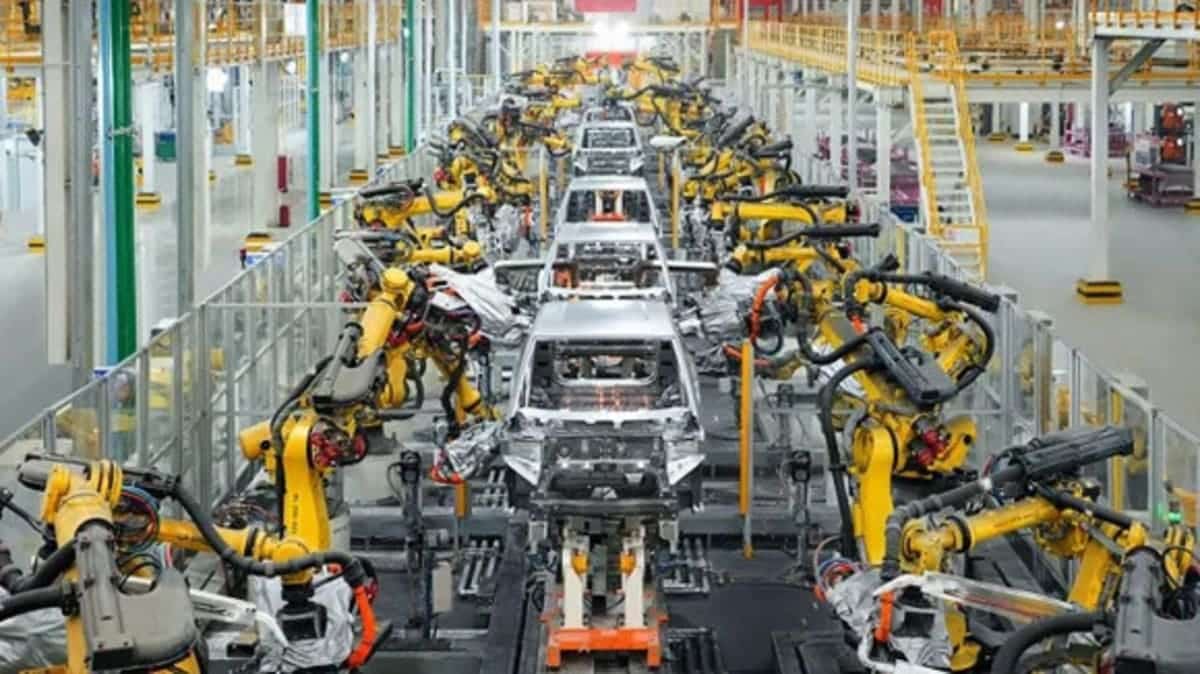 BYD is preparing to make significant investments in Hungary and Turkey, with the opening of two factories. © BYD
To address these concerns, Chinese authorities plan to tighten export rules for electric vehicles starting on 1 January 2026.¹ Until now, licensing requirements mainly applied to petrol and hybrid vehicles. Electric cars were largely exempt.¹
Under the upcoming system, only carmakers themselves – or companies officially authorised by them – will be able to apply for permission to export vehicles.¹ The aim is straightforward: prevent unauthorised traders from shipping cars abroad without guaranteeing proper support for buyers.
In practical terms, this means consumers should have clearer access to official warranty coverage and replacement parts during the legal warranty period, at least two years in the European Union.² It also places greater responsibility on manufacturers to ensure their cars are backed by genuine infrastructure rather than simply appearing on foreign roads without support.
The change could also reduce the flow of vehicles exported through unofficial channels, sometimes including used models sold without proper service arrangements.
A strategy to protect the strongest players
Beyond customer service, the regulation has another objective – stabilising an industry that has grown at remarkable speed. China currently hosts dozens of electric vehicle brands, far more than most analysts believe can survive in the long term.
Without stricter oversight, competition from unofficial exporters could trigger aggressive price cutting. In the short term, that might sound attractive for buyers. But in the longer run, such price wars risk damaging profitability and pushing weaker companies into bankruptcy.
The policy therefore serves as a form of protection for major domestic manufacturers. Companies with strong finances and global ambitions stand to benefit most.
One clear example is BYD expansion into Europe. The electric vehicle giant has said it will build a passenger-car factory in Szeged, Hungary, as part of its push toward localized European production.³ It has also agreed to build a production facility and R&D center in Manisa, Turkey, with Turkish officials saying production is planned to start by the end of 2026.⁴
Did you know?
A local factory doesn’t just shorten delivery times—it can make parts supply, technician training, and warranty logistics much simpler, which is exactly what owners notice after the first minor mishap.
If low quality exports flood the market or customers face repeated service frustrations, the entire perception of Chinese vehicles could suffer. And that would undermine the progress many manufacturers have worked hard to achieve.
The next step for a rapidly growing industry
China’s electric car industry is no longer simply experimenting. It is competing on the global stage. With that comes new expectations from regulators, consumers and international partners alike.
Requiring official export licences may not solve every challenge overnight. Spare parts networks still need to expand, service centres must grow, and drivers will continue to compare experiences across brands.
Yet the message is clear: selling a car abroad is not just about price or battery range. It is about trust. And in the increasingly crowded world of electric vehicles, that trust may prove just as valuable as the technology under the bonnet.
Footnotes
Reuters — “China to require EV export permits to safeguard Chinese brand image overseas” — URL: https://www.reuters.com/world/china-require-ev-export-permits-safeguard-chinese-brand-image-overseas-2025-09-26/
EUR-Lex (European Union law) — “Rules on contracts for the sale of goods between sellers and consumers (Directive (EU) 2019/771) — summary” — URL: https://eur-lex.europa.eu/EN/legal-content/summary/rules-on-contracts-for-the-sale-of-goods-between-sellers-and-consumers.html
BYD (official site) — “BYD to Build a New Energy Passenger Vehicle Factory in Hungary for Localised Production in Europe” — URL: https://www.byd.com/eu/news-list/BYD_to_Build_A_New_Energy_Passenger_Vehicle_Factory_in_Hungary_for_Localised_Production_in_Europe
Turkish Minute — “China’s BYD starts building EV plant as part of billion-dollar investment in Turkey” — URL: https://turkishminute.com/2026/01/14/chinas-byd-starts-building-ev-plant-as-part-of-billion-dollar-investment-in-turkey/
International Energy Agency — “Global EV Outlook 2025: Electric vehicle charging” — URL: https://www.iea.org/reports/global-ev-outlook-2025/electric-vehicle-charging
Similar Posts

Brian is a journalist who focuses on breaking news and major developments, delivering timely and accurate reports with in-depth analysis.
[email protected]
Find and win
A treasure is hidden in this article! Share it to start the game and try to uncover the secret word.
The first 10 people to submit it via the form that appears after you share will win a surprise prize!
Good luck