If it succeeds, the project could help elevate the US state’s status as a chipmaking hub
Published Sun, Mar 22, 2026 · 01:39 PM
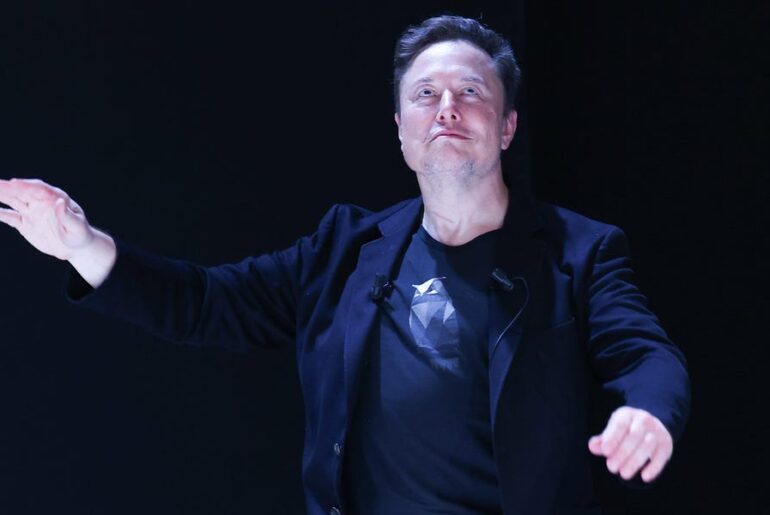
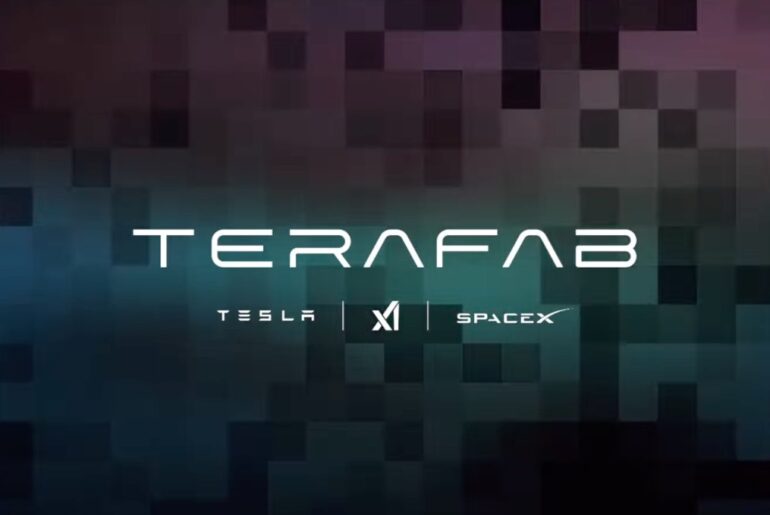
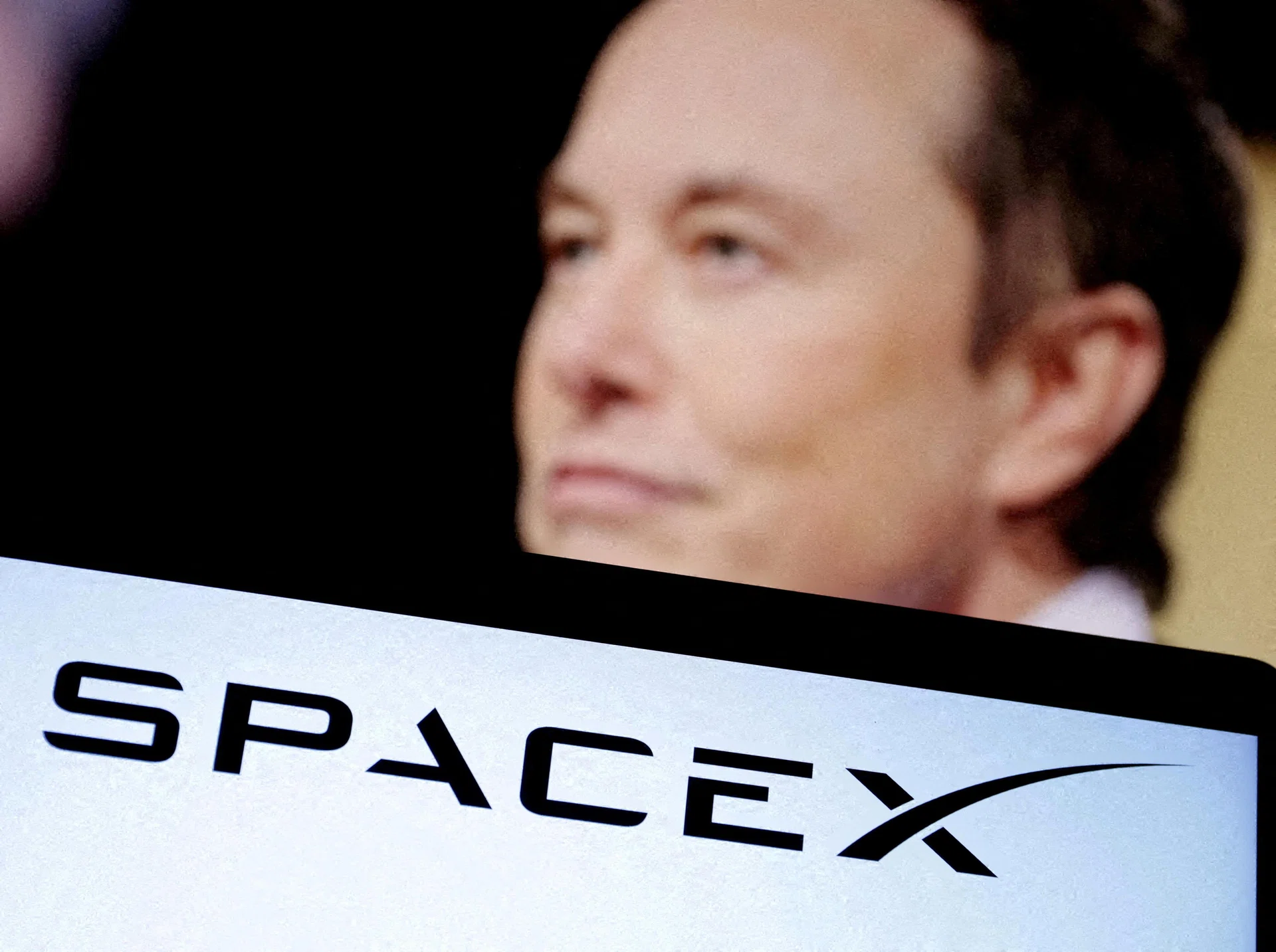
ELON Musk said his Terafab project – a grand plan to eventually manufacture his own chips for robotics, artificial intelligence (AI) and space data centres – will be built in Austin, Texas, and jointly run by Tesla and SpaceX.
The chief executive officer of both companies said he will start off with an “advanced technology fab” in Austin that will have all of the equipment necessary to make chips of any kind and test them.
Musk, who has no background in semiconductor production and a history of overpromising on goals and timelines, said previously that the company would start with a smaller-scale fab before moving to a bigger one.
Musk has said the semiconductor industry is moving too slowly to keep up with the supply of chips he expects to need, even as the industry increases output.
“That rate is much less than we’d like,” he said. “We either build the Terafab, or we don’t have the chips, and we need the chips, so we build the Terafab.”
The project would call for one day supporting a terawatt of computing power per year, the amount Musk expects the companies to eventually use as he ramps up his investments in AI and robotics.
Navigate Asia in
a new global order
Get the insights delivered to your inbox.
He detailed some specific plans, including producing chips that can support 100 to 200 gigawatts a year of computing power on Earth, and chips that can support a terawatt in space. He gave no timelines for the facility or its output.
Musk has said previously that the facility would produce 2-nanometre chips. The project appears to be planned for an area near Tesla’s existing Austin headquarters and gigafactory, based on a photo shown during the presentation.
Many executives have expressed anxiety about a shortage of chips – particularly memory chips – during the race to build computing power for AI. But it is rare to try building them.
Bringing semiconductor facilities online typically takes tens of billions of dollars and requires the purchase of complex machines from multiple providers. Factories can take years to become fully operational.
Musk made the announcement in a downtown Austin venue to an audience that included Texas Governor Greg Abbott.
If it eventually succeeds, the project could help elevate Texas’ status as a chipmaking hub. Tesla already has an agreement with Samsung facility near Austin on upcoming chips.
The EV company also has existing suppliers, including Taiwan Semiconductor Manufacturing Co and Micron Technology, that Musk says are also not able to meet all the company’s needs as Tesla pivots its focus to robotics, autonomous driving and AI.
The facility is expected to make two types of chips, one of which will be optimised for edge and inference, primarily for his vehicle, robotaxi and Optimus humanoid robots. The other will be a high-power chip, designed for space that could be used by SpaceX and xAI.
SpaceX acquired xAI in February, with the latter operating as a wholly owned subsidiary. Musk said he expects xAI to use the vast majority of the chips.
During the presentation, Musk also unveiled a speculative rendering of a future “mini” AI data centre satellite, one piece of a much larger satellite system that he wants SpaceX to build to do complex computing in space. In January, SpaceX requested a licence from the Federal Communications Commission to launch one million data centre satellites into orbit around Earth.
Musk said that the mini satellite he revealed would have the capacity for 100 kilowatts of power.
“We expect future satellites to probably go to the megawatt range,” he added.
Raising money to build and launch AI data centres in space is one of the driving forces behind SpaceX’s planned initial public offering (IPO) later this year. SpaceX is expected to raise as much as US$50 billion in a record-setting IPO in mid-2026, which could value it at more than US$1.75 trillion, Bloomberg News reported earlier.
The presentation also included some of Musk’s loftier ambitions. He showed an animation of how SpaceX could potentially launch satellites from the surface of the moon and reiterated his vision for a future filled with “amazing abundance” – something he has been touting in recent months.
“The future I want to see: I want us to live long enough to see the mass driver on the moon,” he said, referring to the contraption that would launch satellites from the lunar surface, “because that’s going to be incredibly epic.”
The facility announcement comes as Tesla increasingly works with xAI and SpaceX on AI projects.
Tesla has already been working with xAI on a project called Digital Optimus or Macrohard. The carmaker also sells its megapack batteries to xAI.
Tesla has also integrated xAI’s chatbot, Grok, into some of its vehicles. In January, it announced a US$2 billion investment into xAI and a framework agreement for the companies to work together. BLOOMBERG
Decoding Asia newsletter: your guide to navigating Asia in a new global order. Sign up here to get Decoding Asia newsletter. Delivered to your inbox. Free.