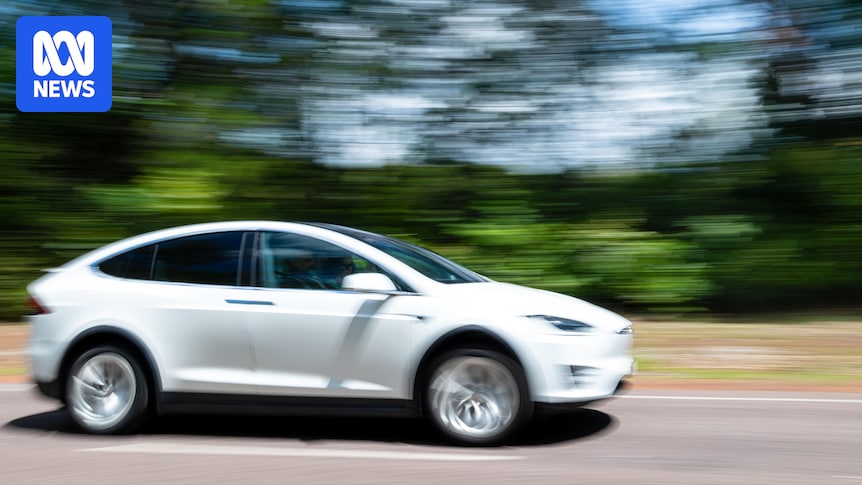
As fuel prices soar amid the Iran war and blockade of the Strait of Hormuz, electric vehicle makers are reporting a surge in interest.
Angela, from Melbourne’s east, is among three generations of her family keen to make the switch.
“It is always something we were interested in, but lately high fuel prices have really pushed us to seriously consider it,” she said.
Her mother and grandmother agree that it’s worth the investment.
“I’m old and don’t want to drive much, but I encourage them to buy one,” her grandmother, Kim, said.
Farmers look to the Sun as oil prices pinch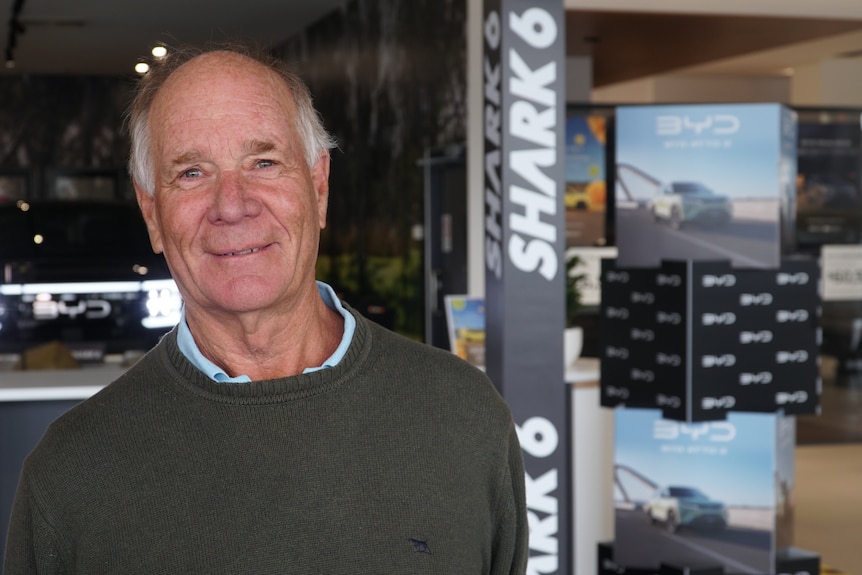
Nigel is among those looking to save on the costs of running a vehicle. (ABC News: Lachlan Bennett)
Nigel, a farmer from regional Victoria, recently checked out EVs for the first time after his son purchased one.
“There are 11 vehicles on the farm, and we go through a lot of fuel,” he said.
“I’m thinking of getting some solar panels [for] charging up the vehicle — spending around $100 a year on running the car.”
Since the blockade of the key Strait of Hormuz shipping route, crude oil has soared past the $US100 a barrel mark.
Some experts predict prices could soon exceed $US150 ($213).
Sudden jump in EV sales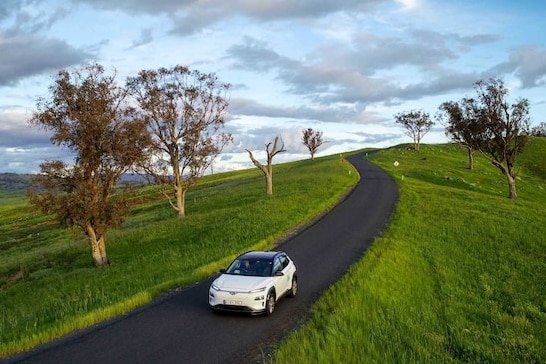
Australia has one of the lowest electric vehicle-adoption rates among developed nations. (ABC News: Ben Deacon)
Two top-selling Chinese automakers in Australia said sales had increased significantly for electric and hybrid cars since the fuel crisis began.
Paul Ellis, a spokesman for BYD, said the jump was likely due to a combination of rising fuel costs, inflation and interest rates.
“Electric vehicles always make sense, but they are making more sense now because people can see the financial benefits,” Mr Ellis said.
John Kett, chief operating officer for Great Wall Motor (GWM) Australia, said it was also seeing a spike in interest.
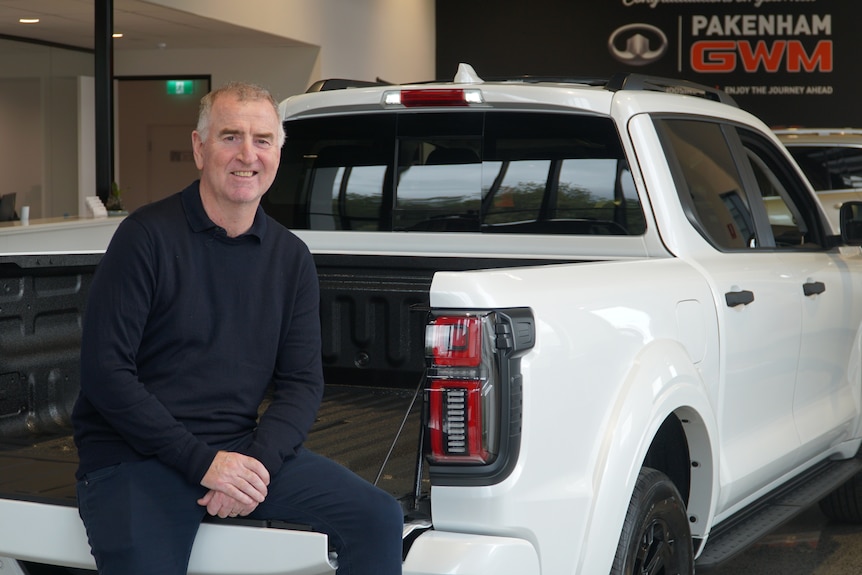
John Kett says there has been a spike in interest for cars made by his company, GWM. (ABC News: Lachlan Bennett)
“We’ve seen a rapid increase in electric and hybrid vehicle sales,” Mr Kett told the ABC.
The latest data from the Federal Chamber of Automotive Industries (FCAI) shows electric vehicles accounted for 11.8 per cent of total sales in Australia in February, marking a record monthly market share.
Sales of plug-in hybrid vehicles and the Tesla Model Y also saw strong growth, rising by more than 20 per cent month-on-month.
However, FCAI chief executive Tony Weber said overall EV uptake in Australia remained relatively low, around 2 per cent of all cars on the road.
“If you look at 2025 sales of EVs, they’re at 8.3 per cent. That’s only grown by 1.1 percentage points since 2023 — much slower than we had hoped,” he said.
“The first two months of this year have been encouraging. It shows we’re heading in the right direction.”
Attitudes towards Chinese EVs shifting
Tapan Patel, a business development manager in Melbourne, said he had been thinking about a green shift for some time.
“The first thing is you’re saving money on petrol,” he said, describing how rising living costs pushed him to consider an EV when looking for a second car for his family.
He said he was particularly interested in Chinese brands.
“Considering BYD has been making batteries for years and years … I trusted them,” he said.
“Other companies don’t have a long history of what they’re creating and whether it’s going to last long.”
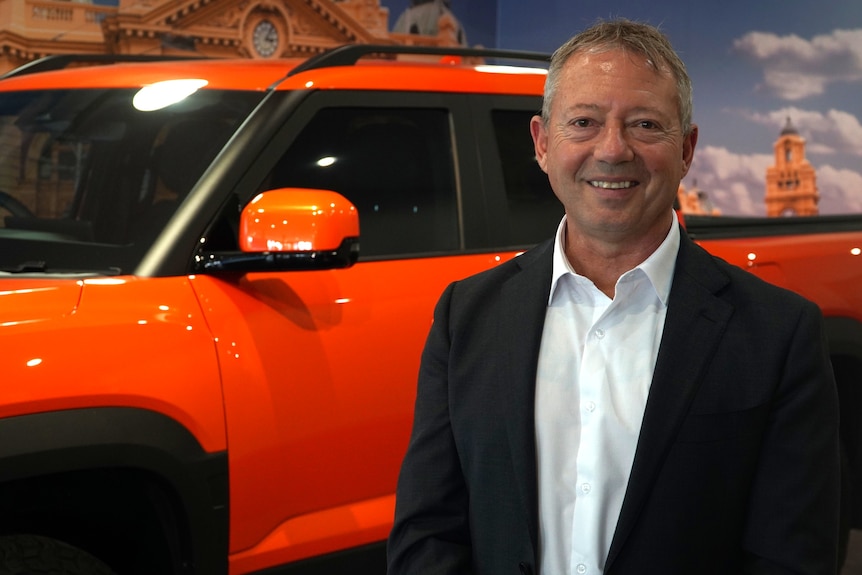
Paul Ellis from BYD says there are a range of reasons why EV sales are jumping. (ABC News: Lachlan Bennett)
Earlier this month, BYD announced its “second-generation blade battery” technology, saying it could be charged from 10 per cent to 70 per cent in just 5 minutes.
Industry insiders say the technology will soon reach overseas markets.
Although the company has yet to confirm if the new battery will be coming to Australia, analysts said the technology could reshape the trajectory of EV adoption.
Mr Patel’s decision to go with a Chinese maker reflected a broader shift in perceptions.
“In the past 15, 20 years they have changed their image.”
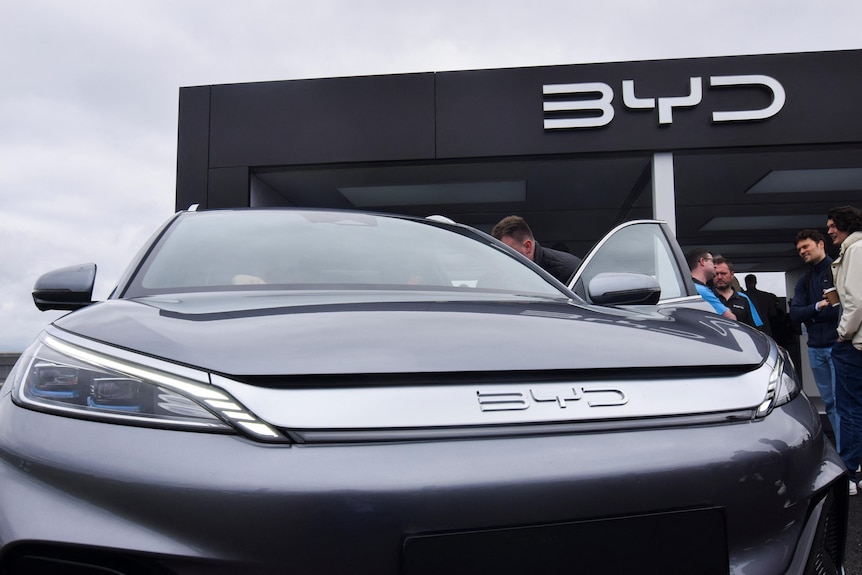
Chinese automaker BYD entered the Australian market in 2022 and is now the world’s largest electric vehicle manufacturer.
(Reuters: Nick Carey)
A record-breaking month for Chinese cars
Last month, China overtook Japan for the first time as Australia’s largest source of new cars in a single month.
Since 2020, more than 10 new Chinese car brands have entered the Australian market, with six launching in the past two years.
In the 12 months to February, four Chinese brands ranked among Australia’s top 10 sellers: BYD (6th), GWM (7th), Chery (9th) and MG (10th).
Mr Kett from GWM said rising fuel prices were just one factor driving demand.
“Cost-of-living pressures are also pushing consumers towards more affordable vehicles,” he said.
He believes Chinese brands are well-placed to benefit from that shift.
Australia a testing ground for Western markets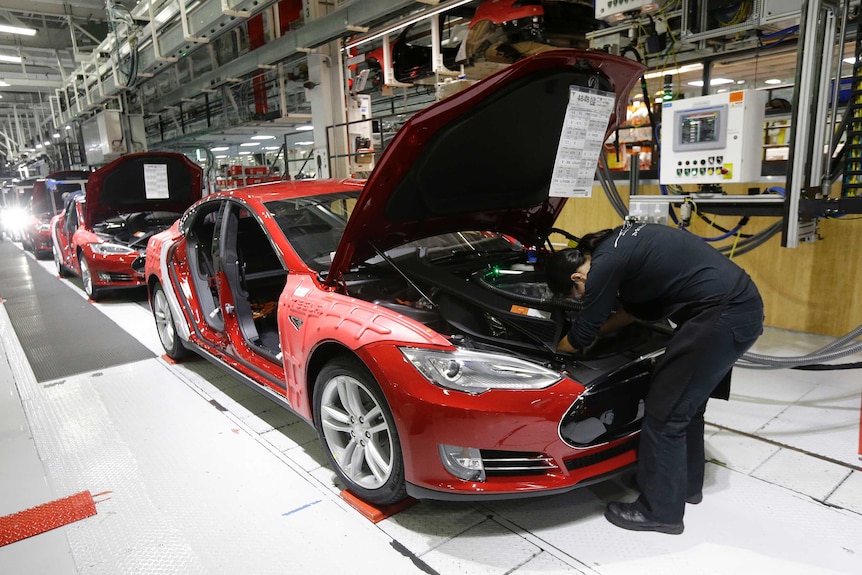
EV sales in Australia are increasing. (AP: Jeff Chiu)
As Australian consumers look for relief at the pump, Beijing is doubling down on its manufacturing strategy.
However, some experts believe its EV industry faces several challenges.
Tu Le, founder of Sino Auto Insights, said cut-throat competition in China was forcing brands to look to places such as Australia as a “pressure release valve”.
Australia is one of a handful of markets with nearly no tariffs and quotas, which gives way to strong profit margins.

Chinese automotive industry expert Tu Le says Chinese automakers are treating overseas markets as a “pressure relief valve”. (supplied)
Mr Le believes Chinese automakers are also using Australia as a testing ground for breaking into Western markets for SUVs and utes given the love of those vehicles here.
However, the road ahead isn’t without friction.
Earlier this week, Prime Minister Anthony Albanese warned new entrants to the Australian market against cutting corners, calling out “unfair practices” by some manufacturers.
“We want to make it clear that companies new to the Australian market … also have to meet standards around service, not rely on [sales] volume alone,” he said.
Anthony Albanese has warned car makers not to take shortcuts. (ABC News: Che Chorley)