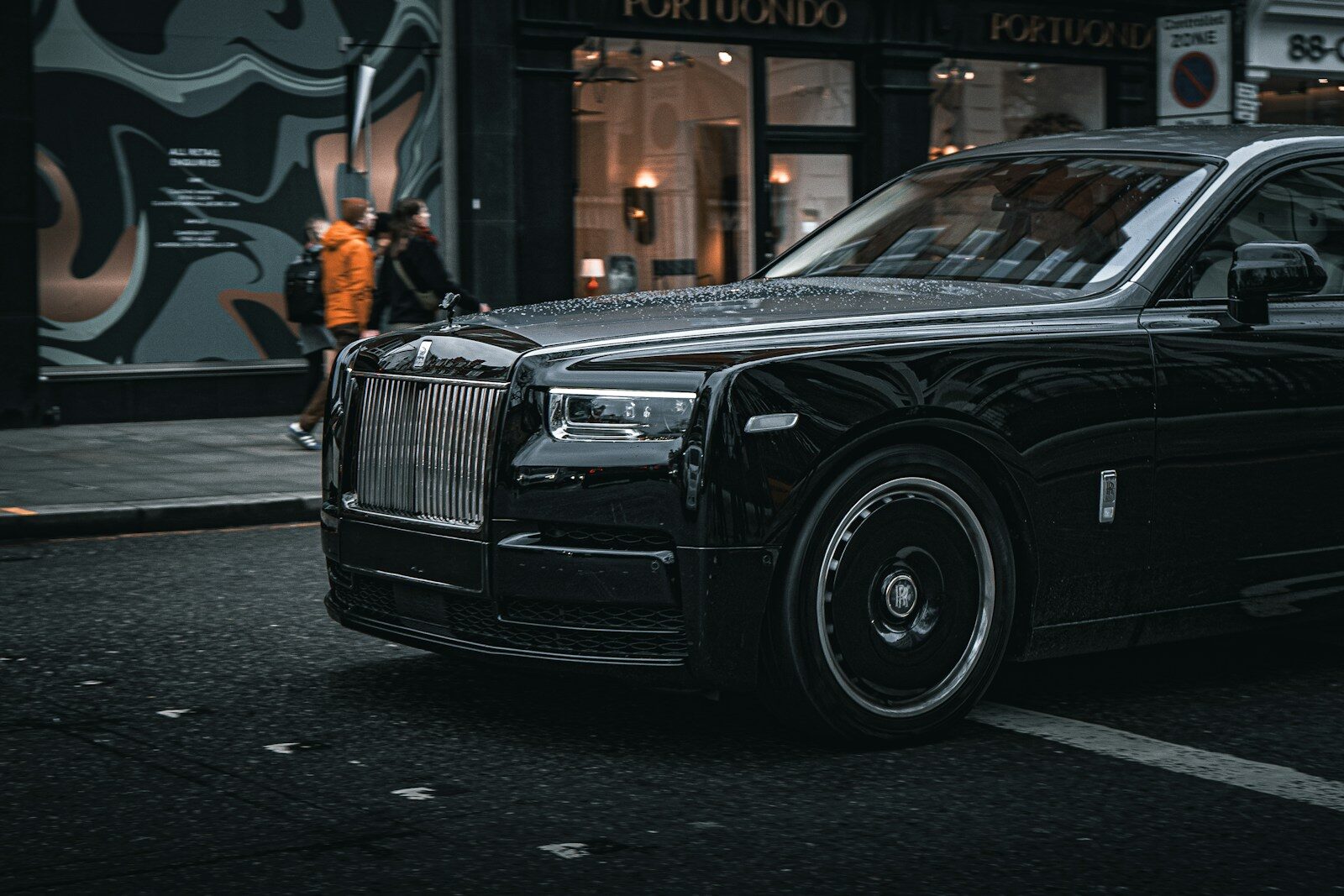
The onslaught of electric vehicles on the automotive industry is slowing, and now even the ultra-wealthy are pumping the brakes. Rolls-Royce has officially announced it is scrapping its ambitious target to become an electric-only manufacturer by 2030.
The all-electric goal was originally set back in 2022 by former CEO Torsten Müller-Ötvös during the launch of the Spectre EV coupe. At the time, the historic British marque predicted that EVs would make up 70% of its total sales by 2028, and that production of its iconic V12-powered models would cease entirely by the end of the decade.
Changing Regulations and Market
Current CEO Chris Brownridge recently told British media that the 2030 deadline was “right at the time,” but added that the automotive landscape has drastically changed. Importantly, strict global legislation regarding carbon emissions has been recently watered down.
At the end of 2025, the European Union effectively scrapped its looming 2035 ban on new petrol and diesel cars, replacing it with a 90% CO2 emissions reduction target. Over in the US, the government eliminated penalties for exceeding CAFE fuel economy targets and ended the $7,500 federal tax rebate for EVs.
Read More from MotorBiscuit:
The Sales Numbers Speak for Themselves
While Rolls-Royce declined to provide a new zero-emissions target date, the brand’s recent sales figures paint a clear picture of what buyers actually want.
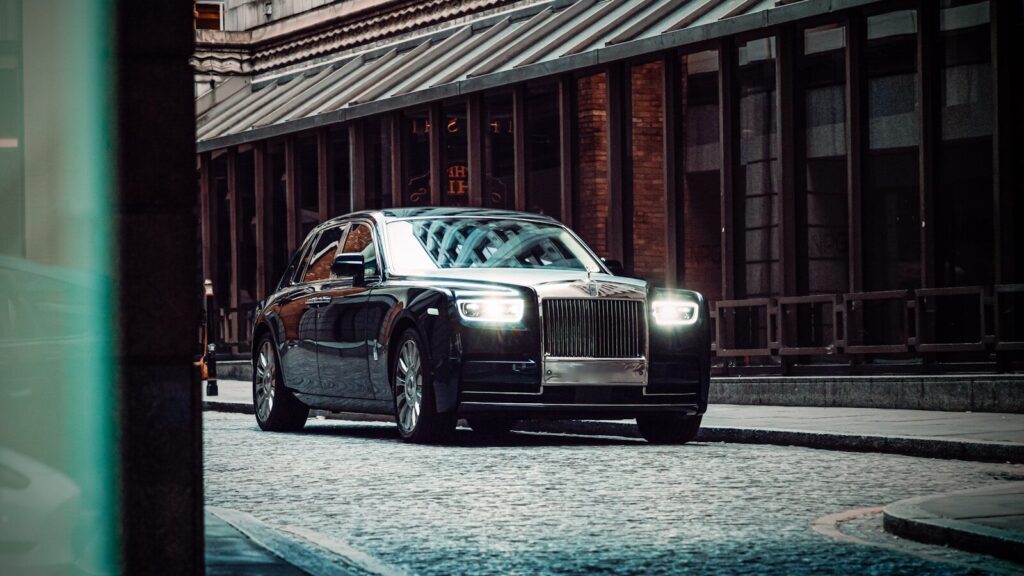
Last year, Rolls-Royce moved 5,664 vehicles. While the Spectre EV remains the brand’s second most popular model (accounting for 17.7% of all sales), its individual sales plummeted by 47% compared to the year before. Meanwhile, demand for internal combustion is surging. The V12-powered Cullinan SUV saw a massive 27.1% jump in sales, and the Ghost sedan climbed by nearly 23%.
“For every client who is unsure whether our Spectre is right for them, there will be one that says ‘I love it,’” Brownridge explained. “We can respond to our client demand… we build what is ordered.”
Rolls-Royce isn’t the only legacy brand adjusting its strategy, but it is a one to note. While brands like Bentley and Volvo previously pledged similar 2030 EV-only targets, Rolls-Royce’s parent company, BMW Group, was famously reluctant to set a hard expiration date on combustion engines. It looks like that cautious approach is finally trickling down to Goodwood, ensuring the V12 lives to see another day.