us a slower path to Fed cuts can limit how aggressively China can ease without pressuring the yuan. Higher oil prices also raise the risk of imported inflation, which makes broad-based stimulus tougher.
Why should I care?
For markets: China’s rallies are still catalyst led.
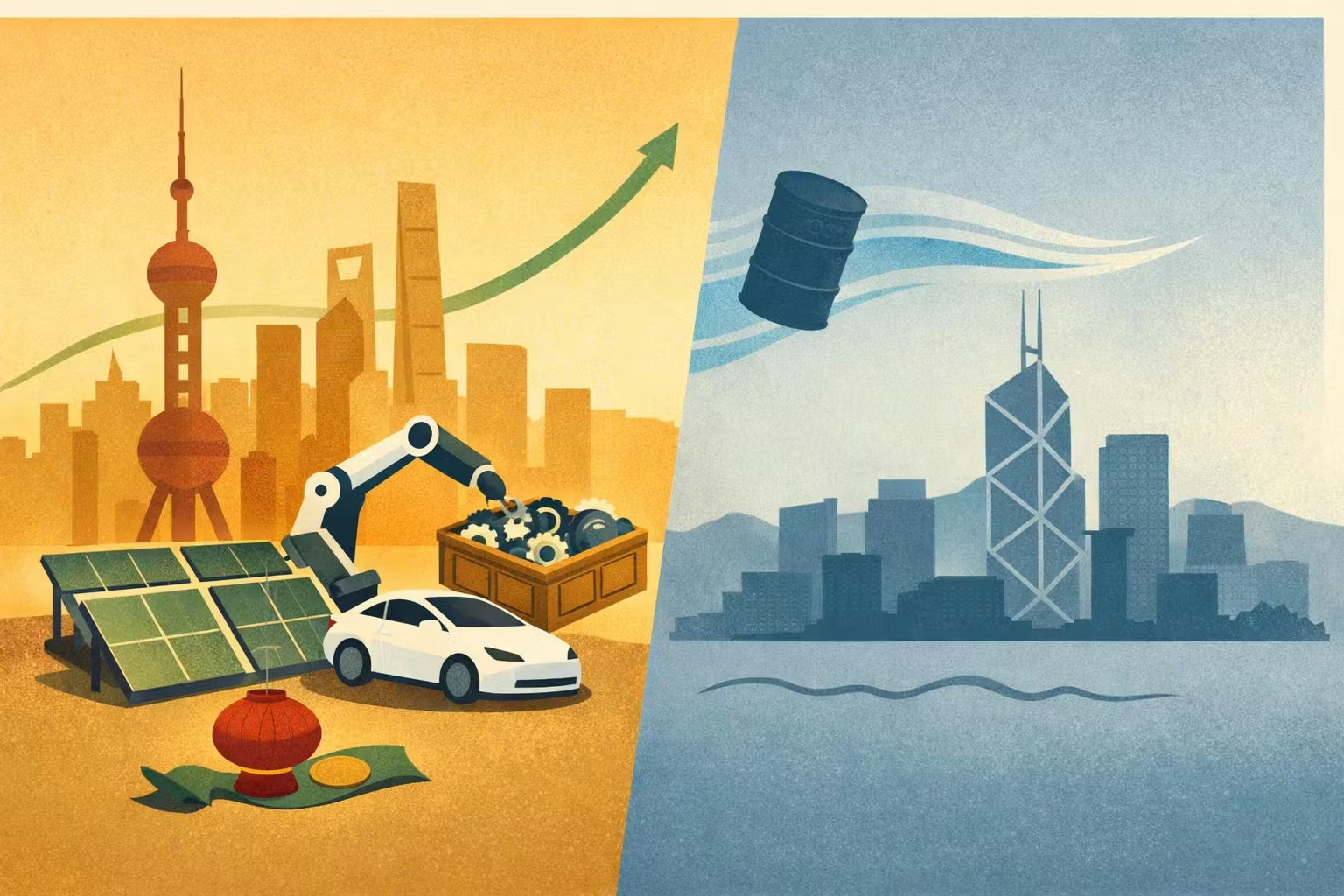
The Shanghai Composite pushing back above 4,000 looks like improving sentiment, but leadership mattered: solar did the heavy lifting while other China proxies, including Hong Kong tech, lagged. That’s a sign investors are rewarding clear earnings drivers more than the overall macro story – and that sector bets can move faster than the headline indexes.
The bigger picture: Stability can trump stimulus.
Keeping rates unchanged underscores the trade-off policymakers face. Cutting too hard while the dollar is strong can invite capital outflows and weaken the yuan, so officials lean on targeted tools and messaging instead. With energy costs elevated, that caution grows – because inflation can rise even if domestic demand stays soft.