Rising fuel prices following escalating tensions in the Middle East are changing the cost dynamics of driving sport utility vehicles (SUVs) in Pakistan, with plug-in hybrids and extended-range electric vehicles emerging as lower-cost alternatives, according to a news report.
Latest official pricing shows ex-depot petrol is being sold at around Rs321 per litre, increasing the cost of operating conventional vehicles and highlighting exposure to imported fuel price volatility.
According to Syed Asif Ahmed, Director Sales and Marketing at Chery Master Pakistan, the shift towards new energy vehicles is now being driven by economics rather than environmental considerations. He said higher fuel prices are increasing the financial burden on households, particularly for SUV users.
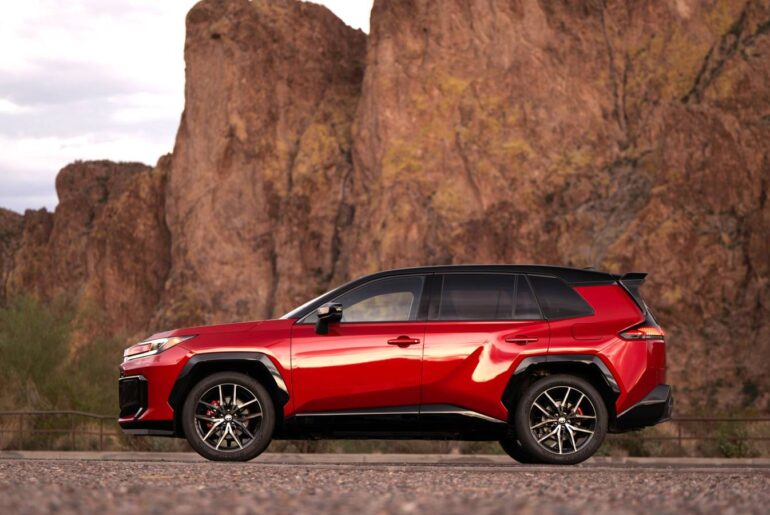
At current petrol rates, a typical petrol-powered C-segment SUV with an average fuel efficiency of around 10 kilometres per litre costs approximately Rs32 per kilometre to operate. In comparison, a conventional hybrid vehicle with an average of 18 kilometres per litre costs around Rs18 per kilometre but remains exposed to fuel price fluctuations.
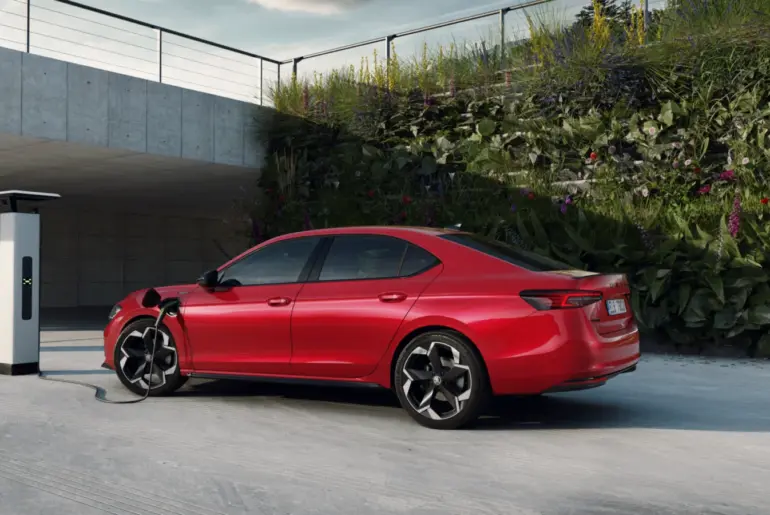
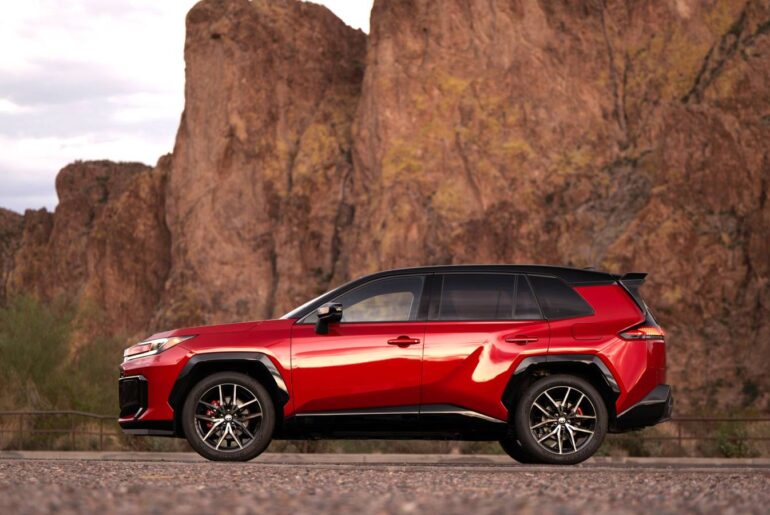
Plug-in hybrid electric vehicles (PHEVs) and range-extender electric vehicles (REEVs) allow a significant portion of urban driving to be powered by electricity. Using the example of the Chery Tiggo 9 PHEV, Ahmed said the vehicle’s 34.46 kilowatt-hour battery provides an electric range of 170 kilometres under the NEDC cycle.
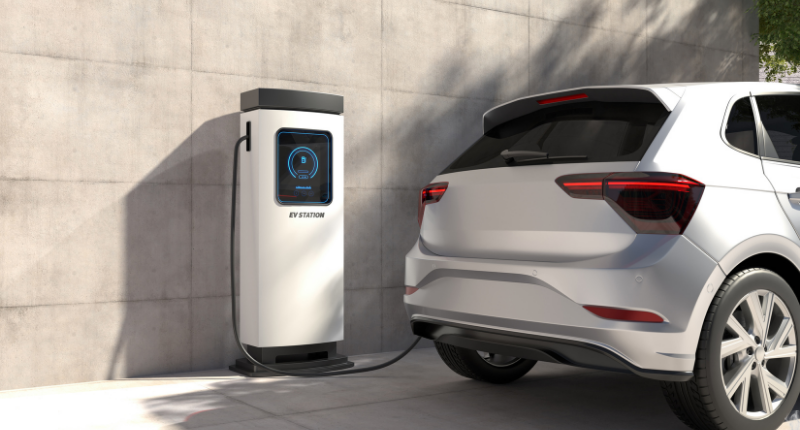
At an electricity tariff of Rs50 per unit, a full charge costs about Rs1,723, translating into an operating cost of roughly Rs10 per kilometre. This represents a saving of around Rs22 per kilometre compared to petrol SUVs and about Rs8 per kilometre compared to conventional hybrids.
The cost advantage is further supported by the growth in Pakistan’s rooftop solar installations. Net-metering capacity has expanded significantly, with cumulative installations reaching several gigawatts by 2025, allowing households to use self-generated electricity for vehicle charging.
Ahmed said this creates a link between energy generation and transportation, as households generating their own electricity can reduce both power and mobility costs.
He added that PHEVs and REEVs provide flexibility for SUV users by offering electric-based daily commuting while retaining the option of conventional fuel for longer distances, avoiding reliance on a limited charging network.
The shift also has broader economic implications. Pakistan’s dependence on imported petroleum continues to affect foreign exchange reserves and fiscal stability. According to the Fiscal Risk Statement, a 20% increase in global oil prices could widen the fiscal deficit by Rs487 billion in fiscal year 2025-26 due to reduced petroleum levy collection and higher subsidy requirements.
Ahmed said the transition towards these vehicle types offers a way to reduce exposure to oil price volatility while maintaining usability for local driving conditions.