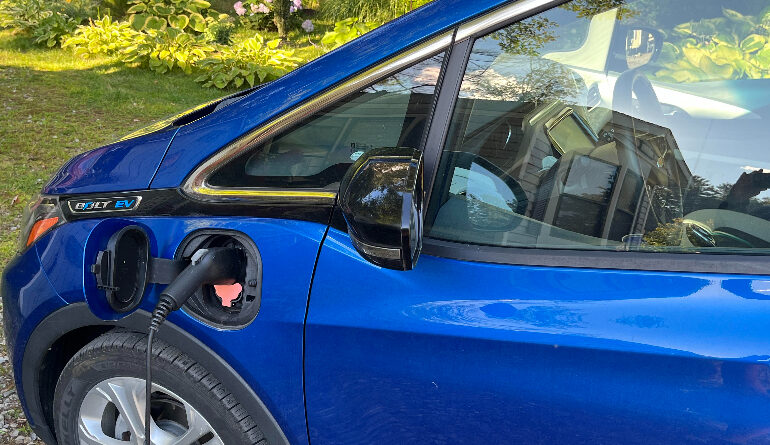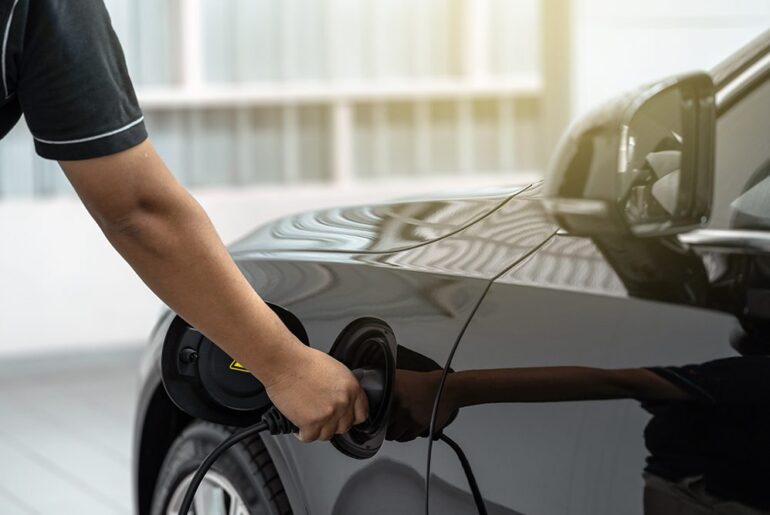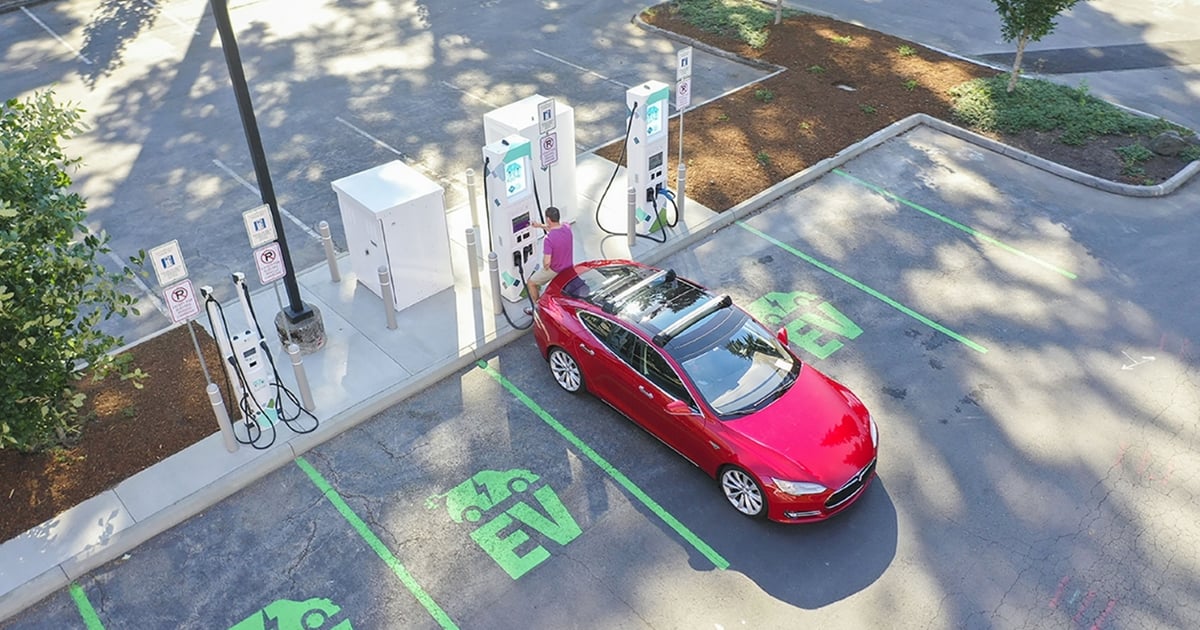
Puget Sound Energy (PSE) and ChargeScape have begun testing vehicle-to-home (V2H) technology that enables EVs to supply power to homes during outages in Bellevue, Washington.
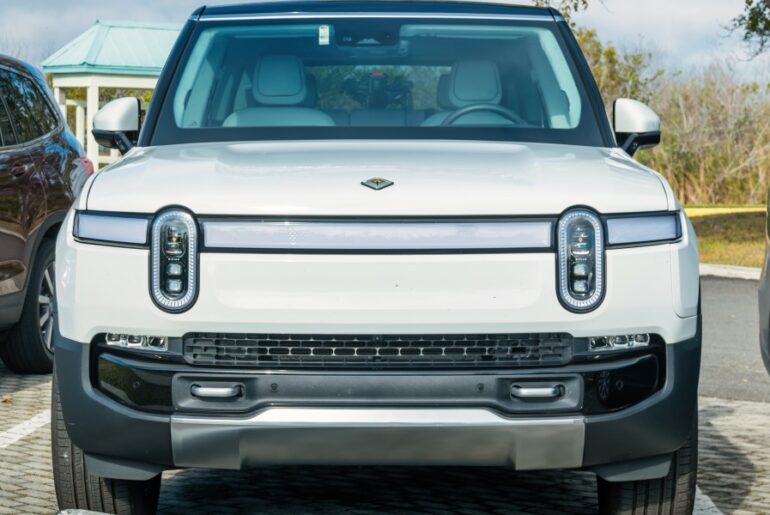
In partnership with Ford, Kia and Wallbox, the initiative will allow owners of bidirectional-capable EVs to use their vehicles as home backup power sources. Initial models include the Ford F-150 Lightning and Kia EV9.
The programme will also enable these vehicles to support grid stability by supplying energy during periods of peak demand.
“This partnership with ChargeScape positions PSE at the forefront of energy innovation in the Pacific Northwest,” said John Mannetti, PSE Director of Customer Energy Innovation. “By turning electric vehicles into distributed energy resources, we’re not just providing customers with backup power – we’re creating a more resilient and flexible grid that can better serve our entire community.”
According to the firm, the V2H system enables users to keep their homes powered during outages using energy stored in their EV batteries. It also allows customers to optimise energy costs by charging during off-peak periods and using stored power during peak pricing hours.
The demonstration aims to address rising regional energy pressures, including higher peak-time electricity costs, more frequent weather-related outages, increasing renewable integration, and the growing need for flexible grid resources to maintain reliability.
The pilot will generate data on system integration, interconnection, customer usage and grid and billing impacts, helping inform the wider rollout of vehicle-to-everything (V2X) programmes across PSE’s service area.
Initial participation will be limited to PSE employees with compatible bidirectional EVs, supported through the interconnection process. The utility aims to scale the initiative into a broader programme, with potential customer expansion from 2027.
The collaboration builds on ChargeScape’s partnerships with major automakers, including Ford, BMW, Honda, Stellantis, Tesla and Nissan, alongside charging infrastructure providers, with the aim of developing a large-scale EV virtual power plant (VPP) to support grid capacity.