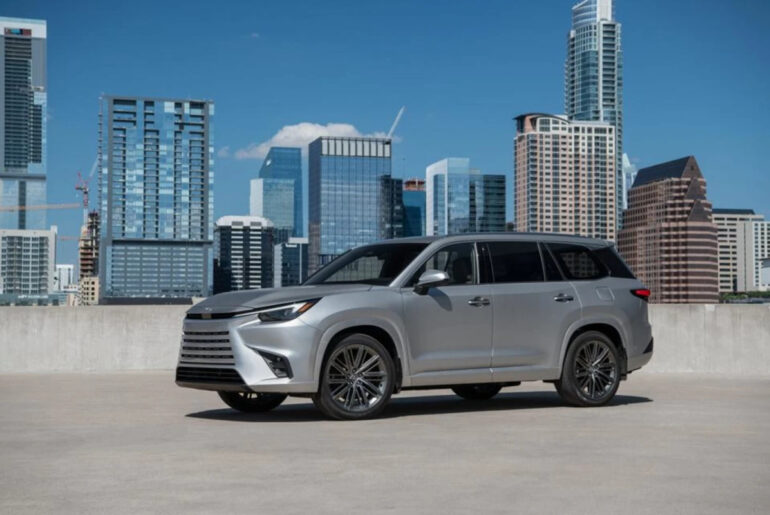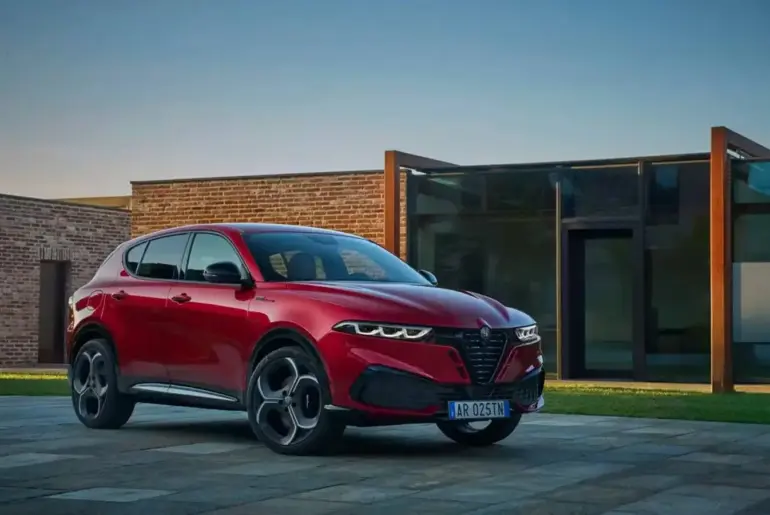
For years, the word hybrid carried a very specific image. It meant thrift, caution, and a willingness to sacrifice excitement for fuel savings. That picture is badly out of date now. In 2026, some of the most quietly quick vehicles on the road are hybrids, and a few of them are far quicker than their styling, mission, or badge would ever suggest. The current Honda Civic Hybrid reaches 60 mph in just 6.1 to 6.2 seconds in Car and Driver testing, the Toyota Prius Plug-in Hybrid does it in 6.6 to 6.7 seconds, the Volvo XC60 T8 drops that to 4.4 or 4.5 seconds, and the BMW X5 xDrive50e gets there in 3.9 seconds. That is not old school eco car territory anymore.
The point of this list is not to celebrate the most expensive hybrid supercars on sale. It is to highlight electrified vehicles that can genuinely catch people off guard from a traffic light or an on-ramp, while still making sense as daily transportation. Some are compact sedans. Some are family crossovers. Some are luxury machines that happen to hide their speed behind understatement. What ties them together is simple. They all look more sensible than they actually are, and that makes them especially satisfying.
What Makes A Hybrid Truly Surprising Off The Line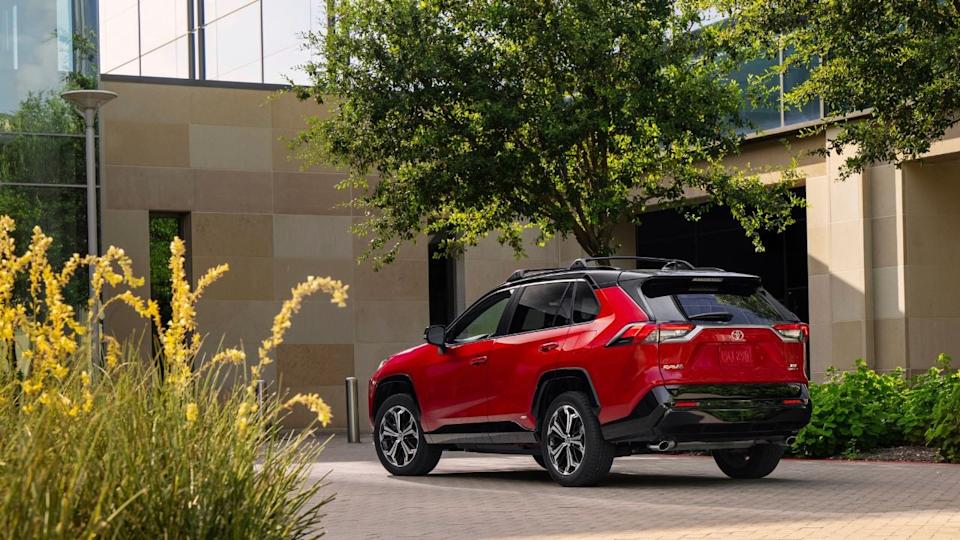
Image Credit: Toyota.
Not every hybrid belongs in an article like this. Some are efficient first and only feel quick when compared with older economy cars. The models selected here had to do something more convincing. They needed to deliver acceleration that would genuinely surprise an average driver at a stoplight, while still making sense as real world vehicles people actually buy for commuting, family duty, comfort, or daily convenience. That balance matters because the point of this list is not to round up exotic machines with electrified badges. It is to highlight hybrids that quietly outperform the assumptions people still attach to the word hybrid.
To build the list, the focus stayed on vehicles with strong verified power figures, credible 0 to 60 mph performance, and a personality that hides their pace in an interesting way. Some are compact cars that look like fuel saving commuters. Some are family crossovers that seem built only for school runs and errands. Others are luxury models whose styling and reputation suggest refinement more than urgency. That contrast is exactly what makes them worth talking about. A true stoplight sleeper is not just fast on paper. It is fast in a way people do not see coming.
The broader point is that hybrid performance has matured. Electric assistance no longer exists only to improve mileage. In many of today’s best hybrids, it also sharpens low speed response, fills torque gaps, and makes ordinary daily driving feel stronger and more immediate. That is why these ten vehicles fit this article. Each one proves that modern hybrids can be practical, efficient, and unexpectedly quick all at once, which is precisely what makes them so easy to underestimate.
Honda Civic Hybrid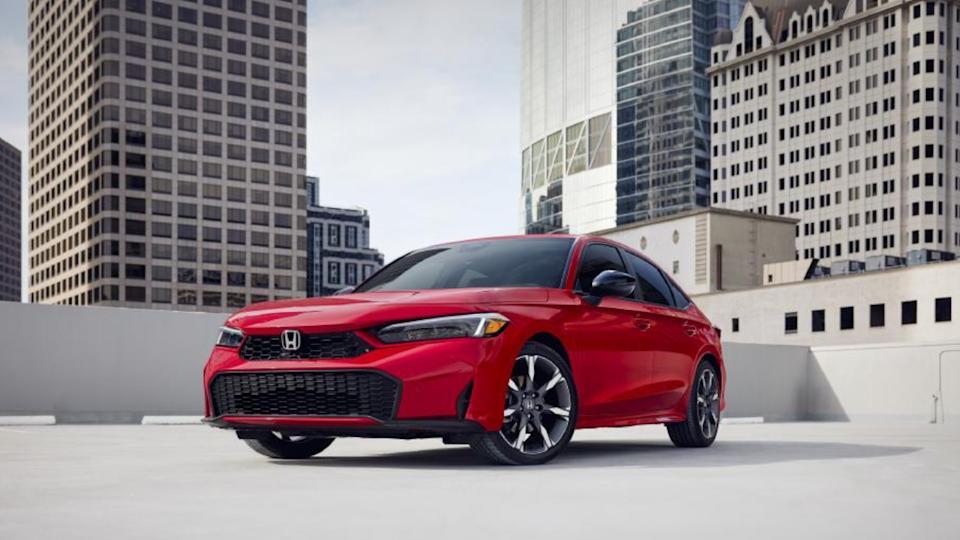
Image Credit: Honda.
The Civic Hybrid may be the most impressive sleeper in the entire compact segment because it does not look like it is trying to prove anything. Yet Honda’s two motor setup gives it 200 hp and 232 lb ft of torque, making it the most powerful non Type R Civic in the lineup. In testing, Car and Driver recorded 0 to 60 mph runs of 6.1 seconds for the hatchback and 6.2 seconds for the sedan, which means this quiet, efficient commuter is actually quicker than the current Civic Si. That is a wonderfully modern kind of surprise.
What makes the Civic Hybrid fit this headline so well is that it does not need a dramatic look or a loud exhaust to feel sharp. It just leaves the line with clean, immediate urgency and then goes right back to being a polished, sensible Honda. For buyers who want one of the smartest all around daily drivers on the market, with a bit of stoplight credibility baked in, this is one of the best answers anywhere.
Toyota Prius Plug-In Hybrid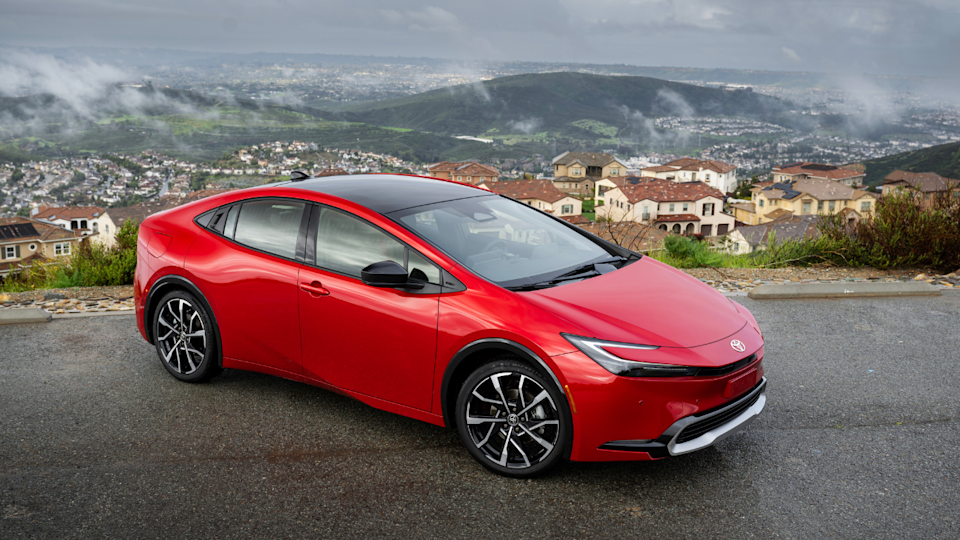
Image Credit: Toyota.
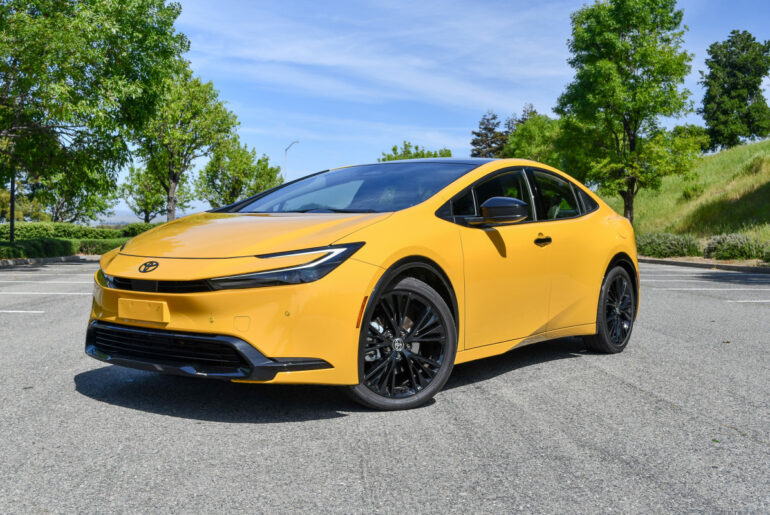
The latest Prius already looks far more serious than the old one, but many people still have not caught up with how quick the plug in version has become. Toyota rates the Prius Plug-in Hybrid at 220 system net hp and a 0 to 60 mph time of 6.6 seconds, while Car and Driver recorded a nearly identical 6.7 second run in testing. That puts it firmly in the zone where it feels eager rather than merely efficient, which is a major shift for one of the most iconic hybrid nameplates in the world.
That is what makes this car such a good fit here. The Prius still carries all the old assumptions with it, which means people expect patience and restraint. What they get instead is a sleek, torque rich hatchback that can move with real confidence when the light turns green. It remains a smart fuel saver, but it is no longer the punchline for slow car jokes, and that alone is one of the best glow ups in the entire market.
Honda Accord Hybrid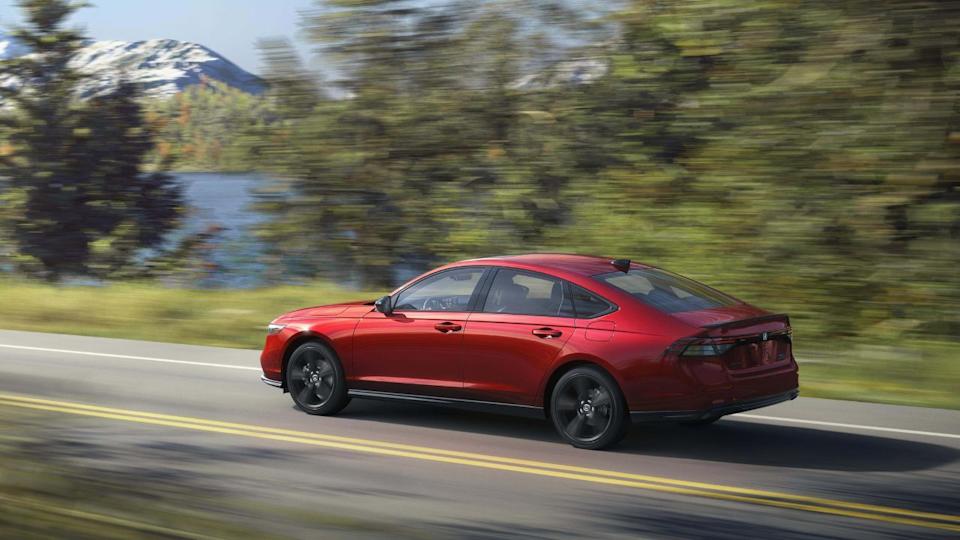
Image Credit: Honda.
The Accord Hybrid is one of the cleanest examples of speed hiding inside a grown up package. Honda’s hybrid system produces 204 hp and 247 lb ft of torque in the current car, and Car and Driver has clocked it from 0 to 60 mph in 6.7 seconds. For a midsize family sedan that most people still view as a practical commuter first, that is a seriously healthy number. It is also exactly the sort of performance that matters in daily life, because the Accord feels strong and immediate without ever becoming showy.
The beauty of the Accord Hybrid is that it never leans on gimmicks. It just gives the driver a broad wave of usable shove, a refined cabin, and the sort of composure that makes the whole car feel richer than its badge suggests. At a stoplight, it is one of those sedans that can embarrass people who still think hybrid means slow, then carry on like nothing unusual happened. That is a very Honda way to be quick, and it works brilliantly.
Toyota Crown Platinum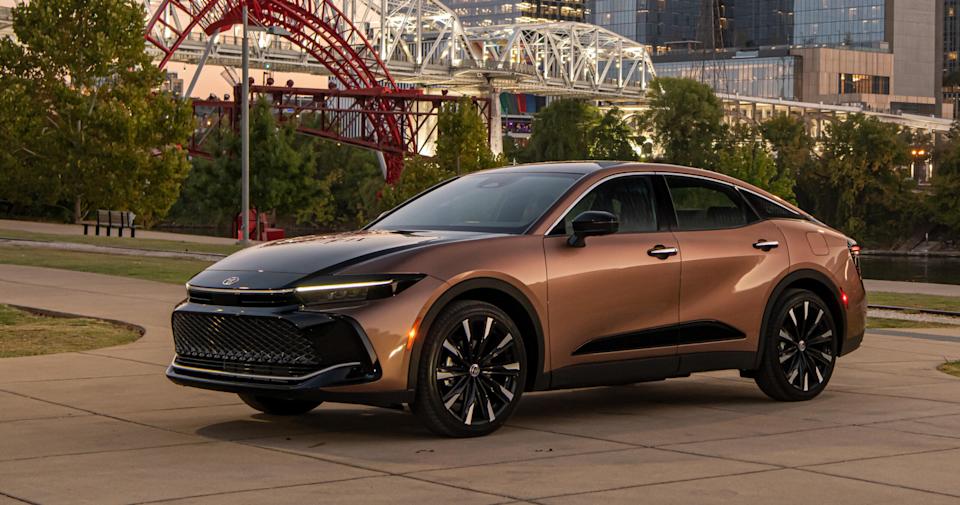
Image Credit: Toyota.
The Toyota Crown Platinum feels almost purpose built for this headline. It looks unusual, rides high for a sedan, and wears a Toyota badge that naturally lowers expectations. Then the Platinum trim introduces Toyota’s Hybrid MAX system, with 340 hp and 400 lb ft of torque. MotorTrend says that power is enough for a 0 to 60 mph run of 5.7 seconds, which moves the Crown well out of ordinary hybrid sedan territory and into genuinely fast real world territory.
That number matters, but the deeper appeal is the contrast. The Crown is not trying to cosplay as a sports sedan. It is roomy, comfortable, and a little eccentric in the way many Japanese flagship ideas tend to be. That only makes the performance more entertaining. This is the kind of car people misread instantly, which is exactly what a good stoplight sleeper is supposed to do.
Mazda CX-90 PHEV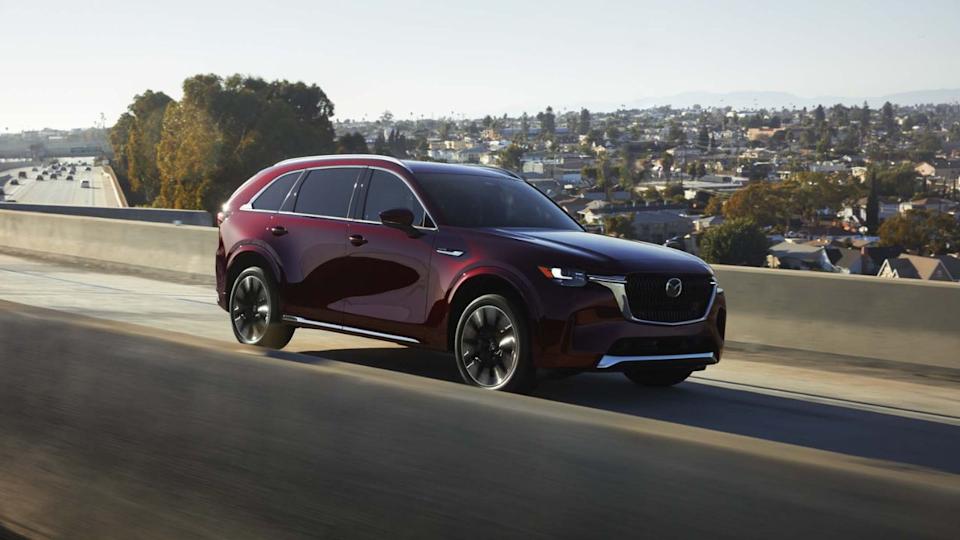
Image Credit: Mazda.
Three row family crossovers are not supposed to feel interesting at a stoplight, which is part of why the Mazda CX-90 PHEV works so well here. Mazda gives it 323 hp and 369 lb ft, and Car and Driver recorded a 0 to 60 mph time of 5.9 seconds. That is a strong number for any family hauler, and an especially eye opening one for a vehicle whose main job description usually involves school runs, Costco parking lots, and weekend travel.
Mazda also helps its case by making the CX-90 feel more intentional from behind the wheel than many large crossovers do. The chassis has some discipline, the proportions are handsome, and the whole thing feels like it was designed by people who still care how a family vehicle responds when asked to move. As a result, the CX-90 PHEV does more than surprise from a standstill. It reminds you that responsible packaging and real pace are no longer opposites.
Toyota RAV4 Plug-In Hybrid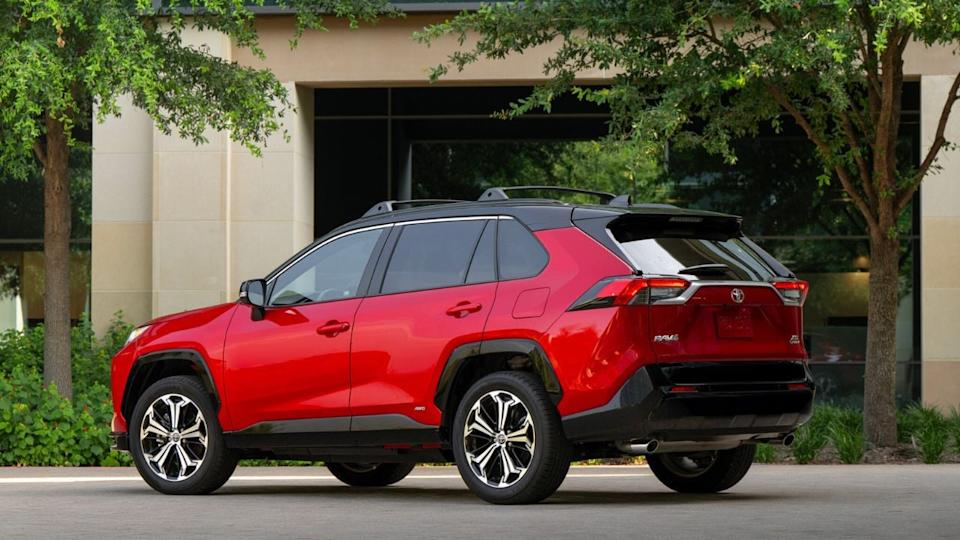
Image Credit: Toyota.
The RAV4 Plug-In Hybrid has quietly become one of Toyota’s best all around performance bargains. Toyota says it makes 324 net combined hp and reaches 60 mph in just 5.4 seconds, which is startling speed for a compact crossover that still looks like it has one foot in the mainstream family market. That number is a big reason the RAV4 Plug-In Hybrid keeps earning so much respect. It is not merely quick for a hybrid crossover. It is quick, period.
What makes it fit this article so perfectly is that the RAV4 name still reads as practical first. Most people see one and think reliability, resale, and sensible ownership. All of that is still true. It just happens to be attached to a powertrain with enough punch to make the vehicle feel unexpectedly lively the moment you lean on it. In a world full of crossovers that blur together, this one has a genuinely mischievous streak.
Lexus RX500h F SPORT Performance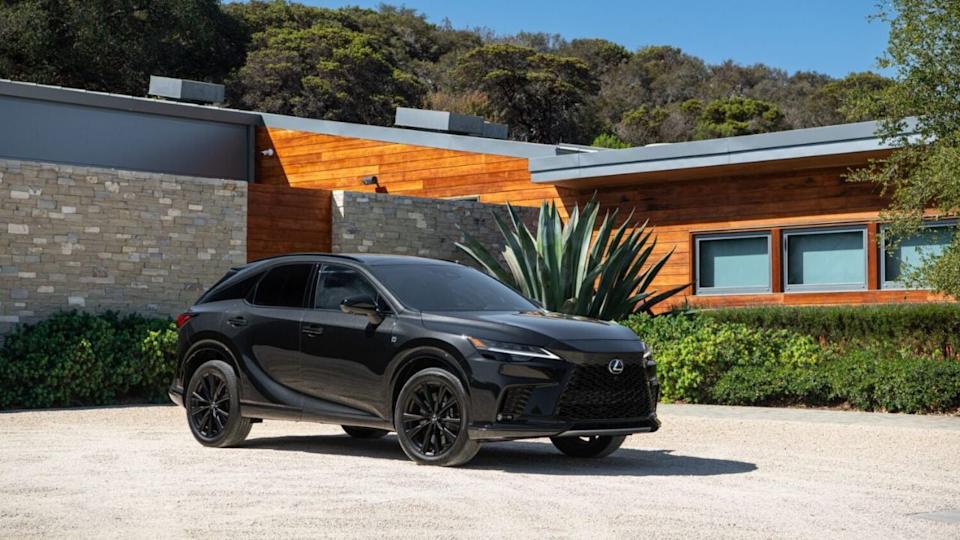
Image Credit: Lexus.
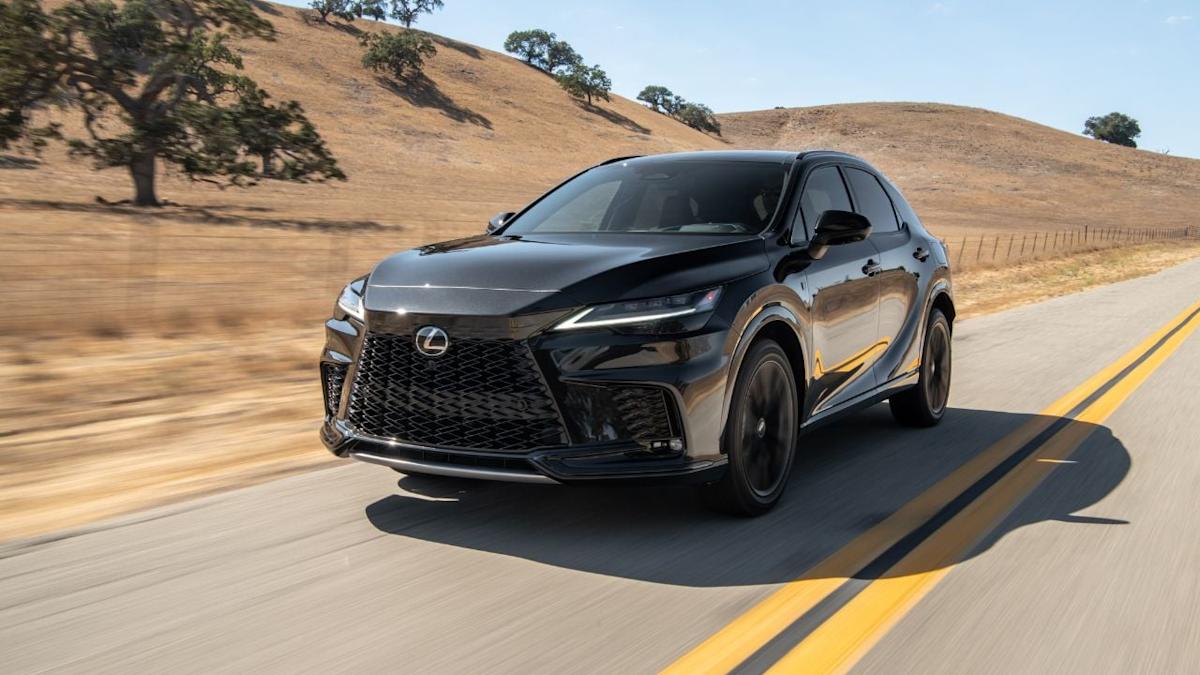
Lexus did not accidentally create a fast RX. The RX500h F SPORT Performance was engineered to add a more assertive edge to the brand’s best seller, and the numbers back that up. Lexus rates the system at 366 hp and 406 lb ft, and Car and Driver tested the RX500h to 60 mph in 5.5 seconds. That is quick enough to feel immediately serious, especially in a luxury crossover that many buyers will approach expecting comfort first.
The RX500h works because it never abandons the things people actually buy an RX for. It is still quiet, still refined, and still easy to imagine as a daily luxury family vehicle. The difference is that this one has real authority when you ask for acceleration. It is one of the clearest examples of how hybrid tech has evolved from economy tool to performance amplifier, and it wears that change very well.
Volvo XC60 T8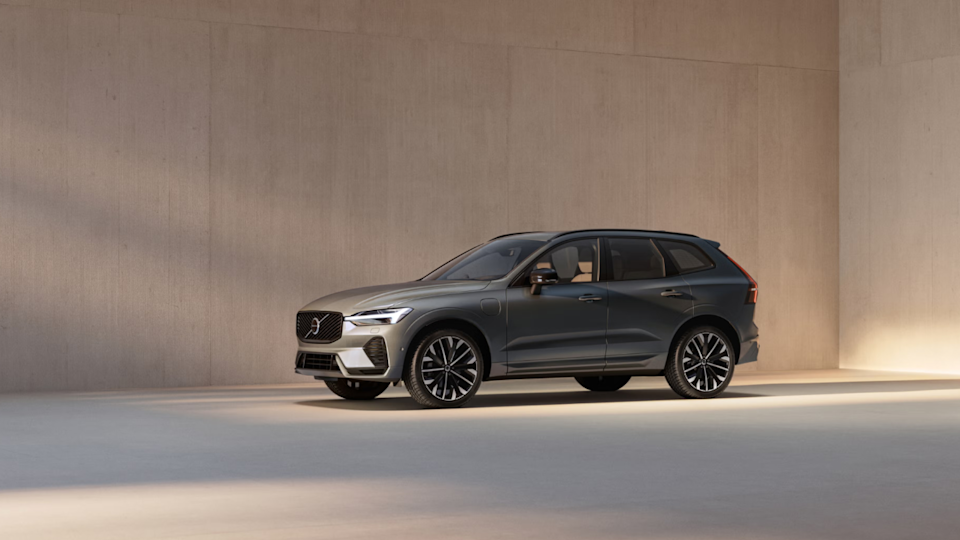
Image Credit: Volvo.
The Volvo XC60 T8 is one of the best sleepers in the premium market because the styling tells such a calm story. It looks tasteful, mature, and more interested in Scandinavian serenity than traffic light theatrics. Then the numbers land. Volvo quotes up to 455 hp and a 0 to 60 mph time as quick as 4.5 seconds, while Car and Driver has tested a current XC60 T8 at 4.4 seconds. That is properly quick by any standard, let alone for a luxury crossover that wears its sophistication so lightly.
That calm exterior is the whole magic trick. The XC60 T8 does not posture. It simply delivers the kind of instant shove that resets expectations the moment you use it. It also proves that some of the smartest modern hybrids are not the ones that look sporty. They are the ones that look civilized right up until they leave the line far harder than anyone expected.
Land Rover Range Rover Plug-in Hybrid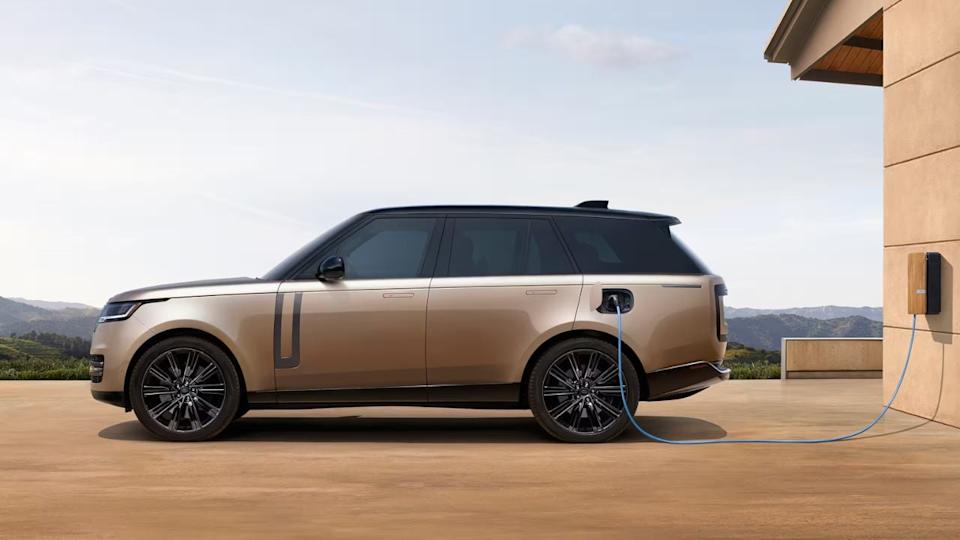
Image Credit: Range Rover.
The 2026 Land Rover Range Rover Plug-in Hybrid is one of the best examples of hybrid speed hiding inside a vehicle that looks built for calm authority rather than stoplight aggression. In P550e form, Land Rover lists it as a plug-in hybrid with a turbocharged 3.0-liter six-cylinder engine paired to an electric motor for a combined 523 hp, and the company says it can reach 60 mph in 4.4 seconds. That is serious performance for a full-size luxury SUV whose entire image is built around elegance, isolation, and quiet status rather than outright pace.
That contrast is exactly why it belongs here. A Range Rover still reads as comfort first, prestige first, and presence first. Most people expect one to glide away smoothly, not launch with the kind of urgency that can embarrass far sportier-looking vehicles. The plug-in hybrid system changes the character in a very modern way, adding instant low-speed response without sacrificing the refinement buyers expect from a flagship Range Rover. For this article’s theme, that makes it an excellent fit: it is practical, luxurious, unmistakably hybrid, and much quicker than its shape and reputation suggest.
BMW X5 xDrive50e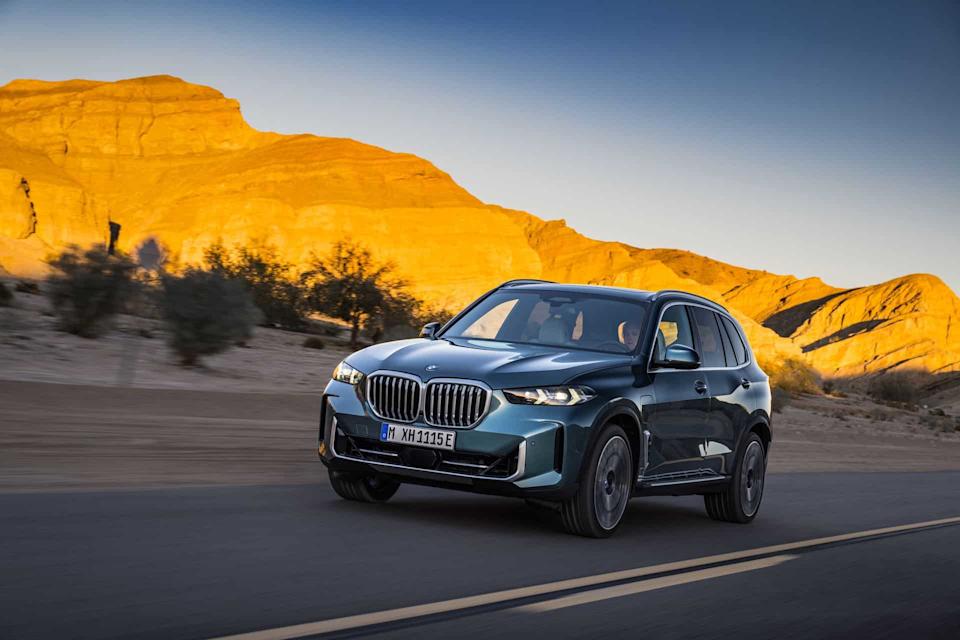
Image Credit: BMW.
The X5 xDrive50e might be the most impressive proof here that hybrid performance has gone fully mainstream. This is a large luxury SUV with a practical mission, yet Car and Driver tested it to 60 mph in just 3.9 seconds. Total output stands at 483 hp, which puts it frighteningly close to dedicated performance SUVs and only a few tenths behind BMW’s own V8 powered X5 M60i. That is absurd performance for something with this much comfort and family usability.
And that is why it belongs on this list. Nobody expects a plug in hybrid family SUV to feel this urgent. The X5 xDrive50e does not just beat expectations, it completely rewrites them. It is a reminder that hybrid power is no longer a compromise technology in the upper end of the market. In the right application, it is simply the quickest way to make a heavy everyday vehicle feel alive.
The Green Light Looks Different Now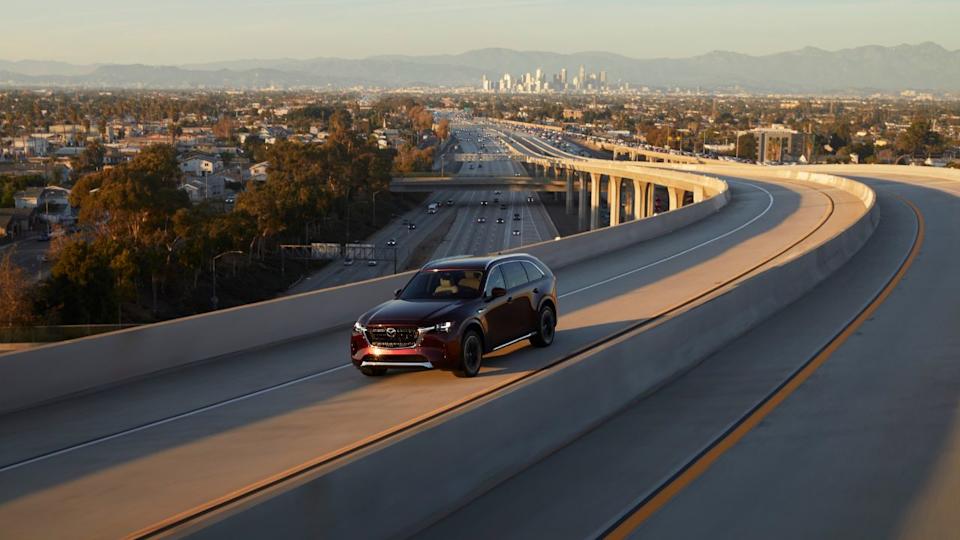
Image Credit: Mazda.
The bigger story behind all ten of these vehicles is not just that hybrids have become fast. It is that they have become interesting in more than one way. Some do it with subtle compact car polish. Some do it with luxury understatement. Some do it by hiding real performance inside family friendly crossover bodies. That range is what makes the modern hybrid market so much more convincing than the old stereotype ever allowed.
So yes, fuel economy still matters, and electrification is still changing the market in practical ways. But there is another side to the story now, one that is much more fun. A good hybrid no longer just saves gas. Increasingly, it also saves face at the stoplight. And in some cases, it does a lot more than that.
Read More
Four Things You Should Never Use WD-40 On