
Readtime: 6 min
Every product is carefully selected by our editors and experts. If you buy from a link, we may earn a commission. Learn more. For more information on how we test products, click here.
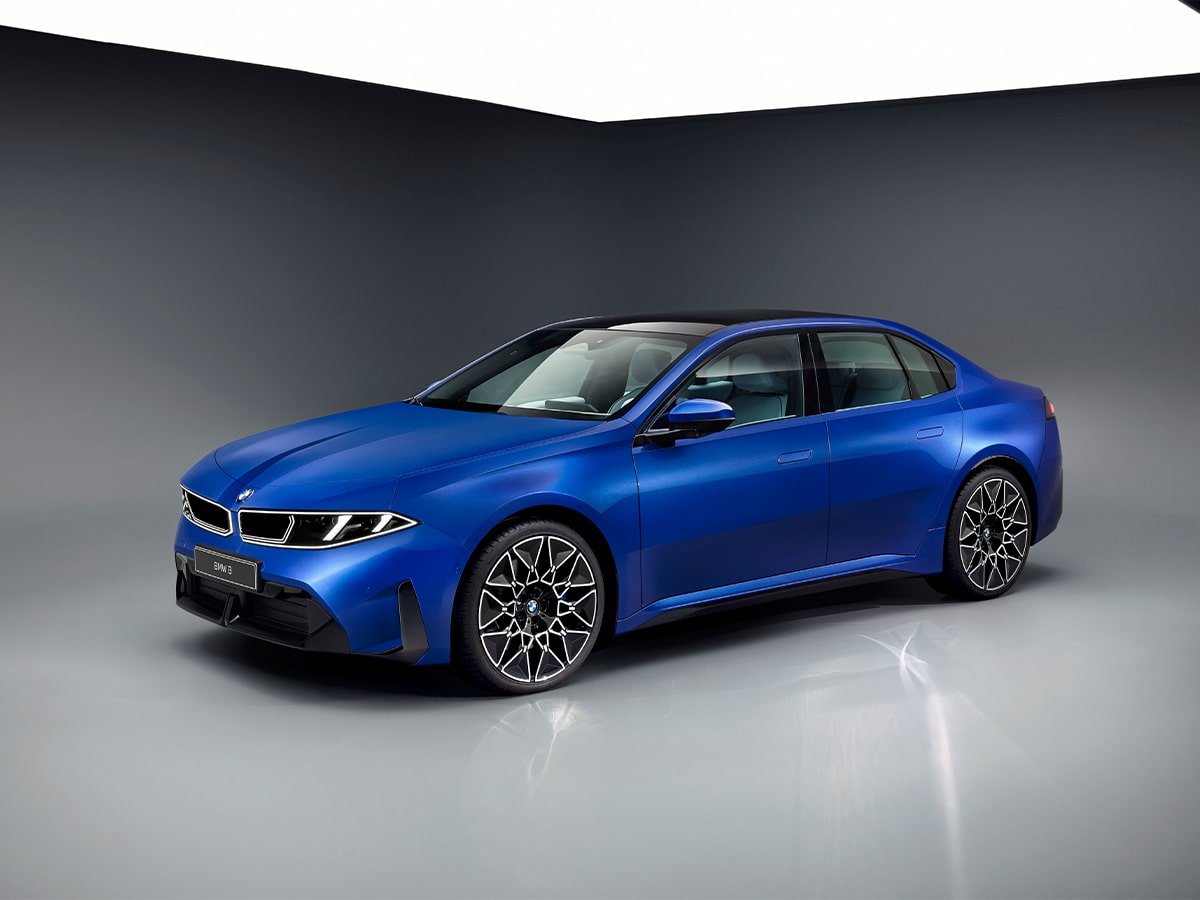
BMW officially revealed the fully electric i3 sedan in Munich. It features an estimated 900km WLTP range for long-distance travel. The 800-volt architecture enables 400kW DC fast-charging capabilities. Cell-to-pack battery integration creates a spacious, driver-focused interior cabin. Inside features the new 43.3-inch “BMW Panoramic iDrive” dashboard display. Australian pricing is unconfirmed but expected to be around the AUD$100,000 mark.
The electric vehicle industry is in a great, but strange place. Overnight, BMW revealed its new fully electric 3 Series, the i3, at a world premiere in Munich. The news arrives two months after Tesla announced it would discontinue the ground-breaking Tesla Model S. When one door opens, another closes.
With stricter European emissions regulations on the horizon, the new BMW i3 is near-guaranteed to become a sales success, but it will do so as the “Tesla killer” no one ever thought possible. It sets a record as the world’s longest-range EV, with a driving range of up to 900 kilometres (WLTP). That’s enough to make the Sydney-to-Melbourne journey with a quick charge halfway. But the real story here is the technological advancements that make this possible.
BMW calls this a “technological quantum leap into a new era” that showcases innovation, sophisticated styling, engaging dynamics, and the aforementioned electric driving range. With sixth-generation BMW eDrive technology and an 800-volt electrical architecture under-the-skin, we have no reason to disagree. Look closely, and you’ll find high-voltage batteries with round cells, a cell-to-pack design that enables high energy density at the pack level, and DC fast-charging capabilities of up to 400kW, drastically reducing charging times.
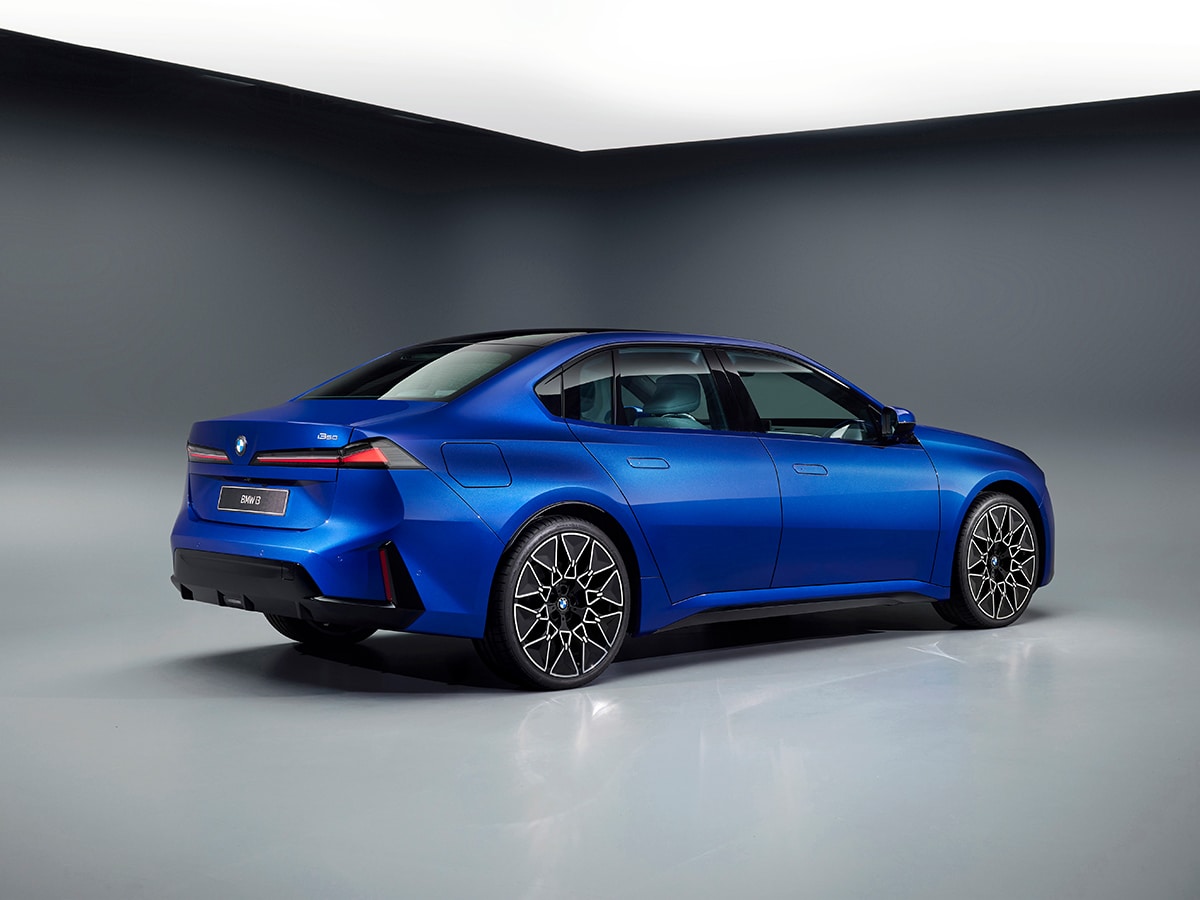 BMW i3 50 xDrive | Image: Supplied / BMW DetailLaunch VariantBMW i3 50 xDrivePowertrain SetupDual motor (front and rear axles)Combined Power Output345 kWMaximum Torque645 NmElectrical Architecture800-volt technologyEstimated RangeUp to 900 km (WLTP)Peak DC Charging CapacityUp to 400 kWFast-Charge SpeedUp to 400 km of range in 10 minutesBattery Cell DesignHigh-voltage round cells, cell-to-pack integrationBidirectional ChargingV2L, V2H, V2G
Scroll horizontally to view full table
Power, Battery, and Charging
Outside of the extreme claimed WLTP driving range of up to 900 km, the numbers don’t jump off the page, but where competitors drop the ball in one or two categories, the BMW seems to excel across the board.
Its dual-motor punch delivers a combined 345 kW, which is less than you get from a Polestar 4 Long Range Dual Motor, but we’d happily sacrifice straight-line speed for added range.
Charge speed is where the new BMW i3 wipes the floor with key competitors. Up to 400 km of range in 10 minutes at a 400 kW DC charger is very, very good. However, it’s an area where the infrastructure still needs to catch up. Most EV chargers here in Australia are only capable of delivering 150-200kW of DC fast charge, so owners will still charge at the same average speeds as key competitors. Still, this is a massive leap over the outgoing i4 eDrive35, which requires 32 minutes to complete a 10 to 80 per cent charge despite having a much smaller 66.4kWh battery.
Unlike others, BMW is heavily integrating the new car into your wider energy ecosystem by offering Vehicle-to-Load (V2L), Vehicle-to-Home (V2H), and Vehicle-to-Grid (V2G) bidirectional charging directly out of the box. It’s unclear whether we’ll have access to these features, as regulators once again need to make the required changes. However, it’s a competitive advantage BMW can offer from a distinct lifestyle angle for buyers who want to power tools, appliances, or campsites from their vehicle.
 BMW i3 50 xDrive | Image: Supplied / BMW
  BMW i3 50 xDrive | Image: Supplied / BMW
  BMW i3 50 xDrive | Image: Supplied / BMW
 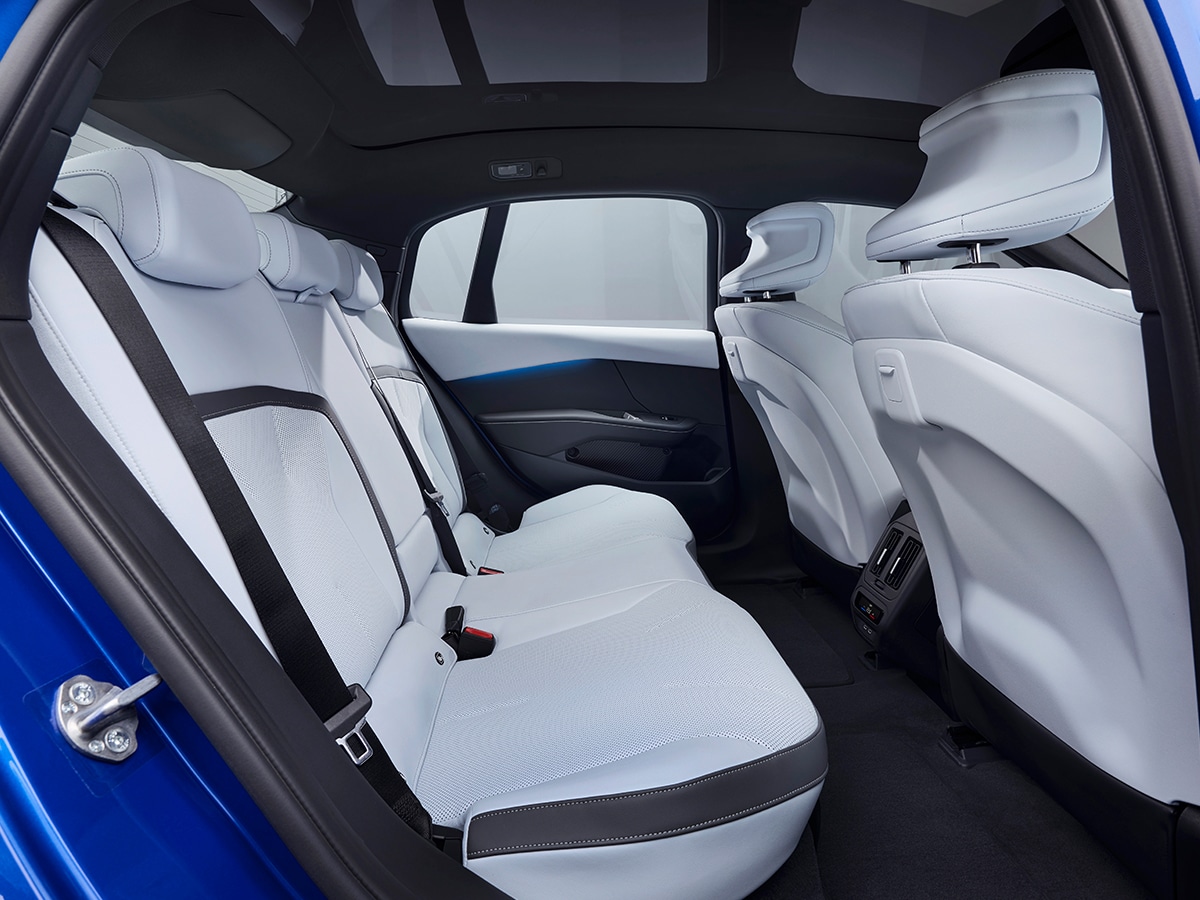 BMW i3 50 xDrive | Image: Supplied / BMW
Interior, Comfort, and Technology
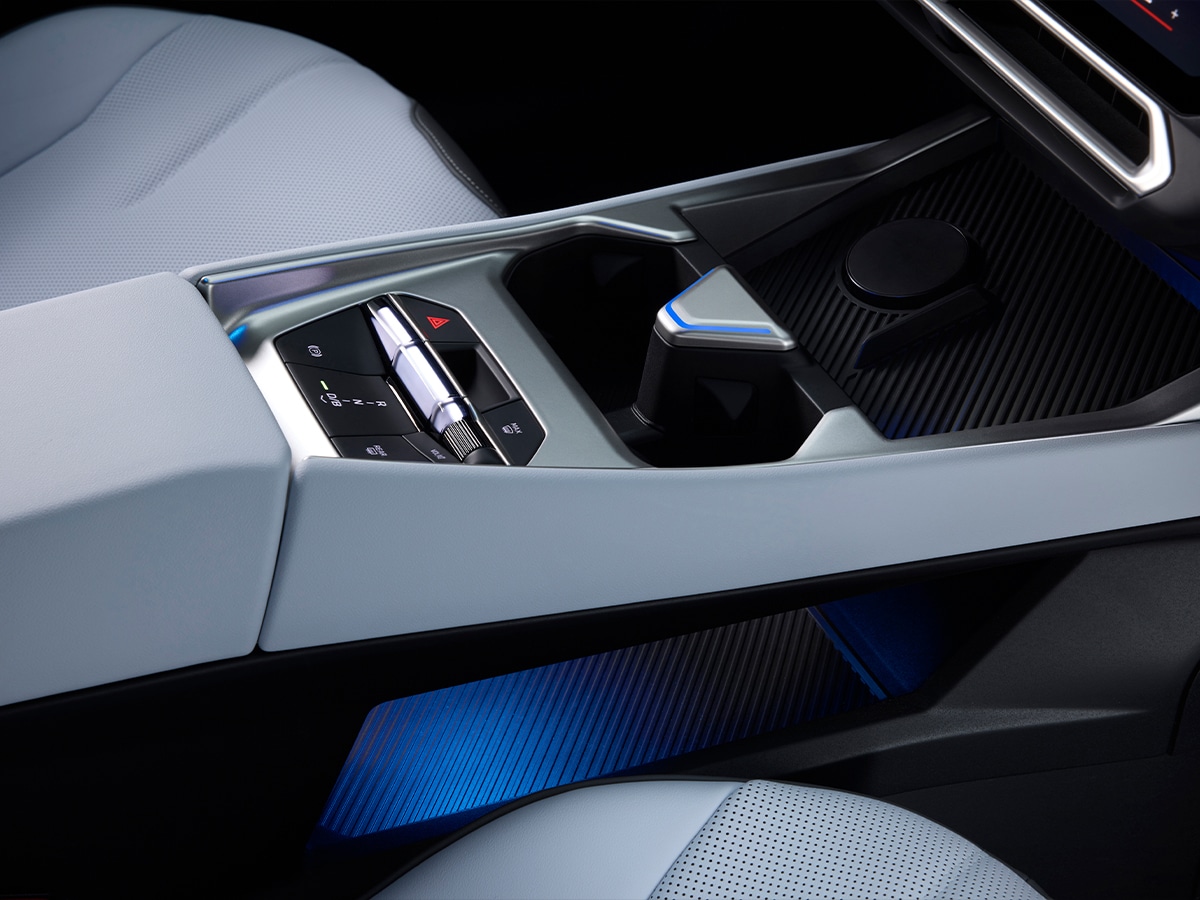
Unburdened by a traditional combustion engine and transmission tunnel, the interior offers a high level of spaciousness. Unlike other EVs in the segment that stuff their batteries under the floor, compromising legroom and headroom, BMW’s new cell-to-pack battery design results in a flatter, higher-voltage battery pack, a lower centre of gravity, and a more spacious experience.
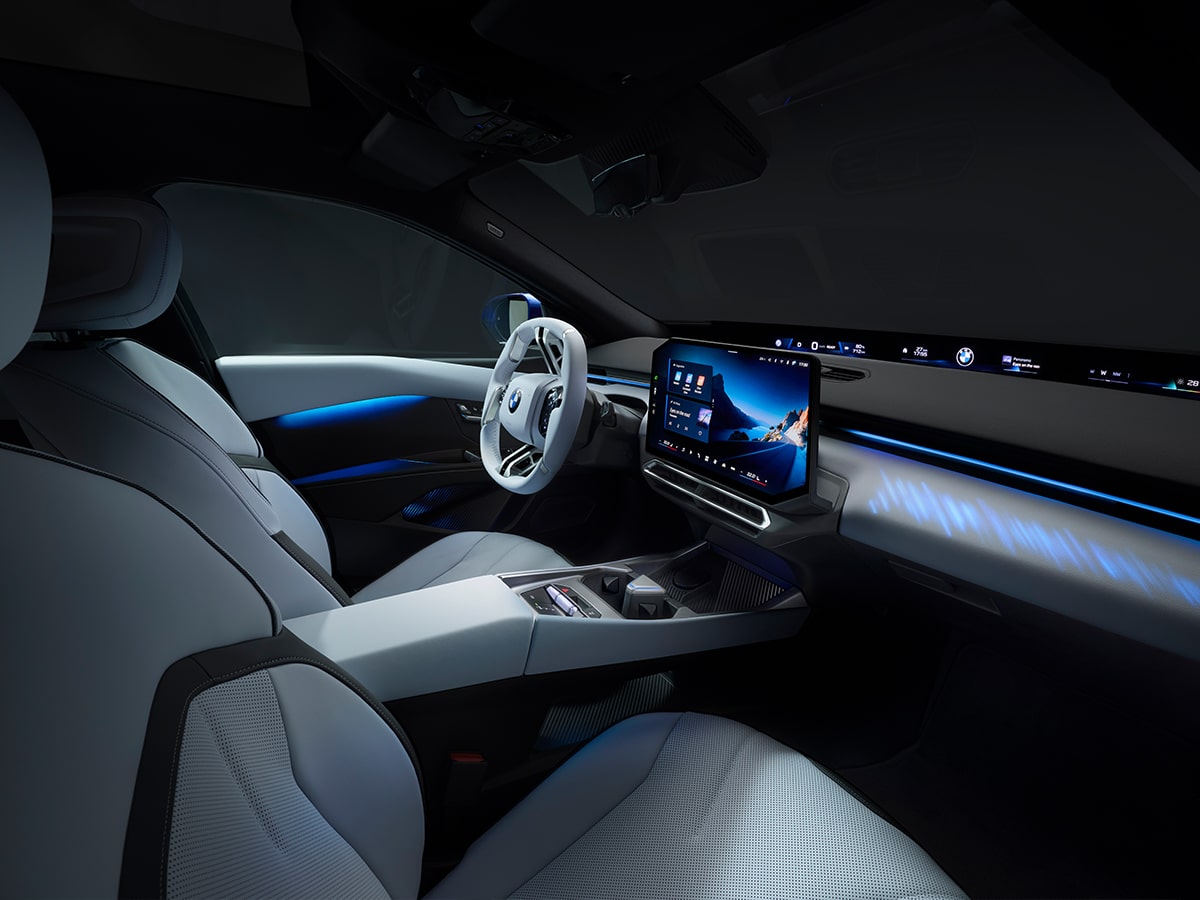
Like other Neue Klasse vehicles, the traditional dashboard layout has been transformed by the introduction of the new 43.3-inch “BMW Panoramic iDrive,” which the brand claims ushers in a “new level of hallmark BMW driver orientation.”
While most of your driving information is displayed on the panoramic display, there’s a secondary 17.9-inch touchscreen that sits closer to you as the driver, and is actually tilted three degrees towards you to make it easier to operate. This central infotainment screen runs the new Operating System X and includes features such as Spotify, in-car AirConsole gaming, and Zoom video calls when stationary.
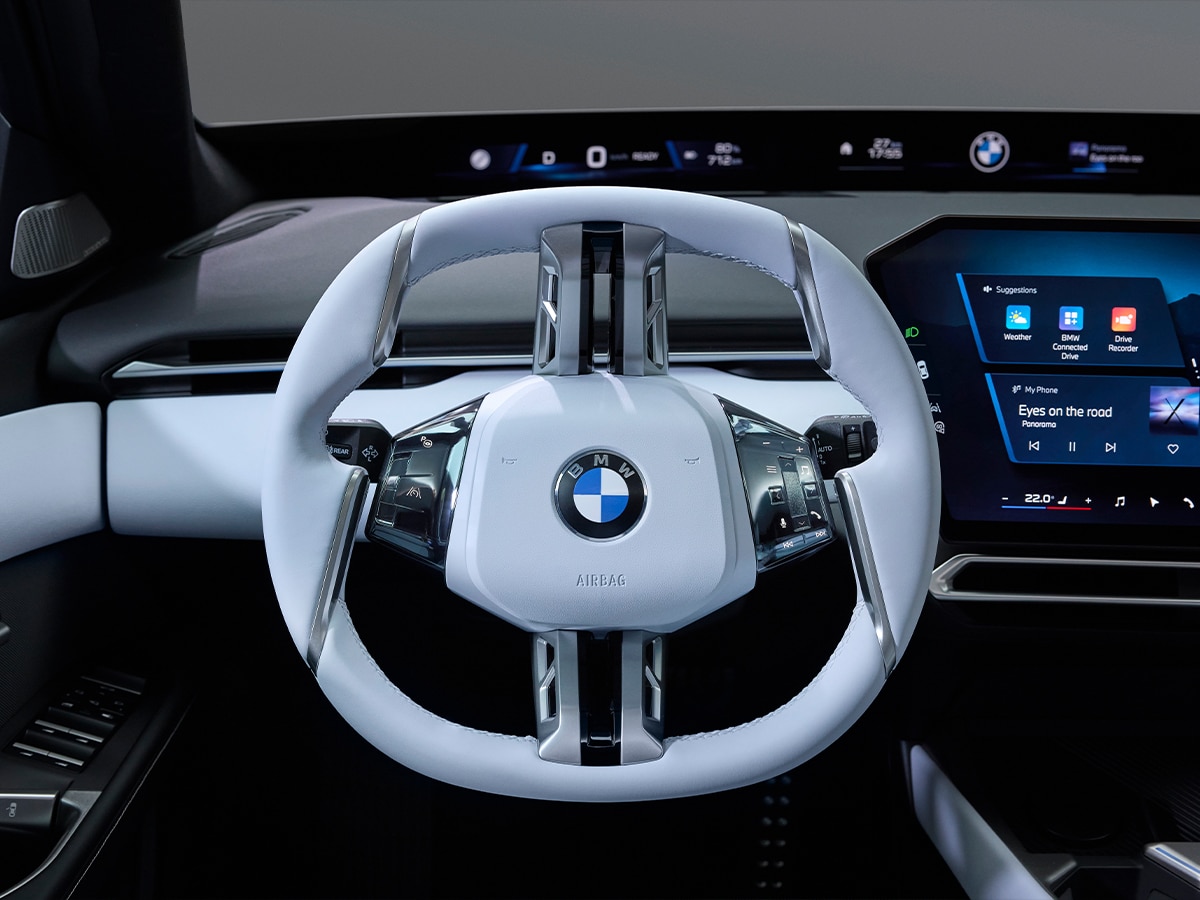
We’re still not in love with the new steering wheel’s design, which is shared with the iX3. It will be interesting to see how the touch-sensitive controls dubbed “Shy Tech” work in the real world. The icons remain hidden when functions are unavailable, and this was something we disliked in Ferrari’s, until they reversed the decision.
Finally, buyers can option a “Digital White” interior, which allows ambient lighting to shine directly through the dashboard wrap.
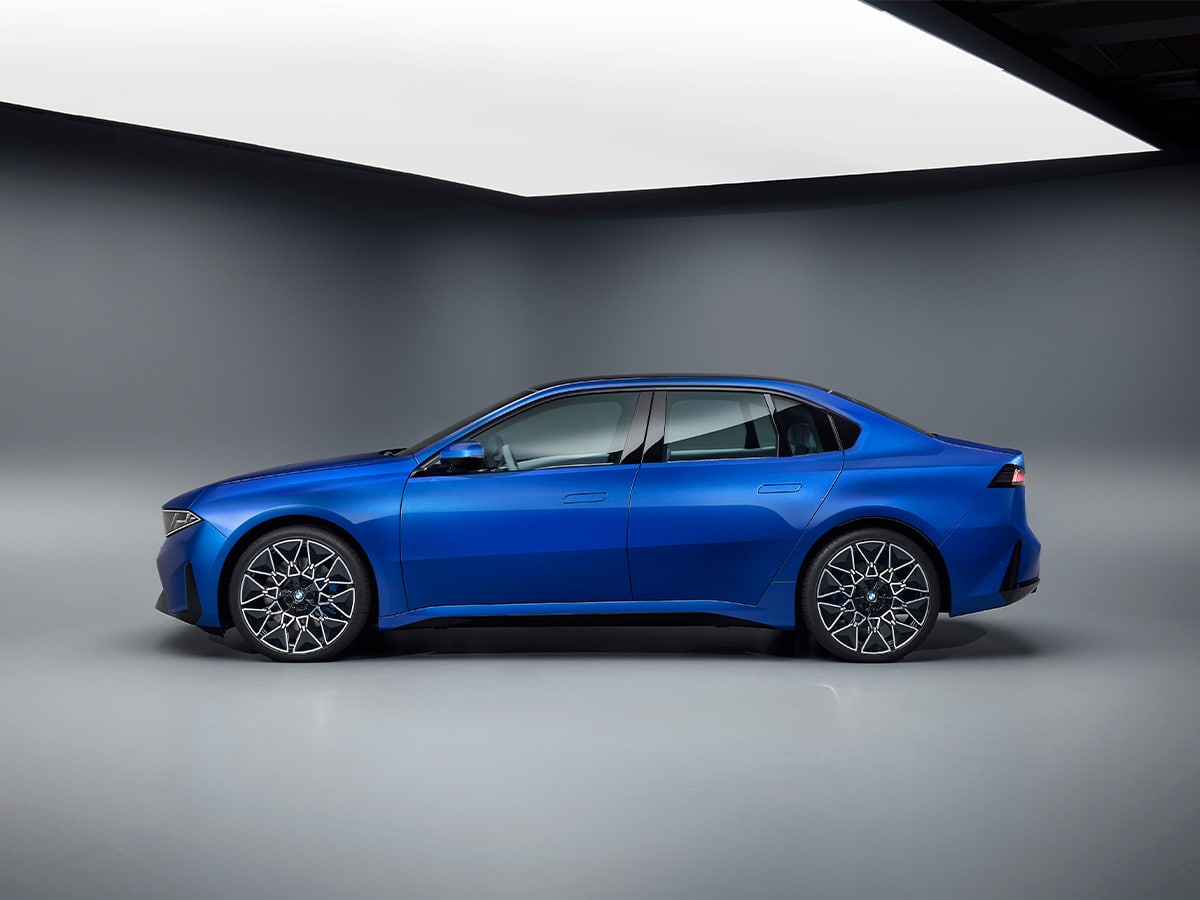 BMW i3 50 xDrive | Image: Supplied / BMW Price, Availability, and Manufacturing
BMW will build the new model at its home plant in Munich, specifically in Milbertshofen (north Munich), which has been building premium vehicles for over 100 years. Over the past four years, this plant has undergone a transformation in preparation for the new generation, and its production portfolio will switch exclusively to manufacturing fully electric Neue Klasse vehicles next year.
The new model will launch in the 50 xDrive specification first, with production beginning in August 2026, before BMW Australia introduces the BMW i3 to the local market in early 2027. We expect the petrol model to be revealed in the coming months, following a similar roll-out to MINI’s for the new Cooper.
Prices have not been confirmed yet, but expect it to land around AUD$100,000. If we use the newly released BMW iX3 50 xDrive (from AUD$109,900 before on-road costs) as a price indicator, it will most closely compete with the Polestar 4 Long Range Dual Motor (from AUD$88,350 before on-road costs). We would also expect a more affordable version of the i3 to land in the next 24 months, sitting below the $91,387 Luxury Car Tax (LCT) threshold.
If it were to come in at this price, and with these numbers, it would be next to impossible for any EV on the market to compete with the BMW on a specification level, given the range, charging times, price, and technology. If the trademark BMW driving experience remains intact with the new high-performance computer called the “Heart of Joy,” expect this to be one of the top-selling EVs.
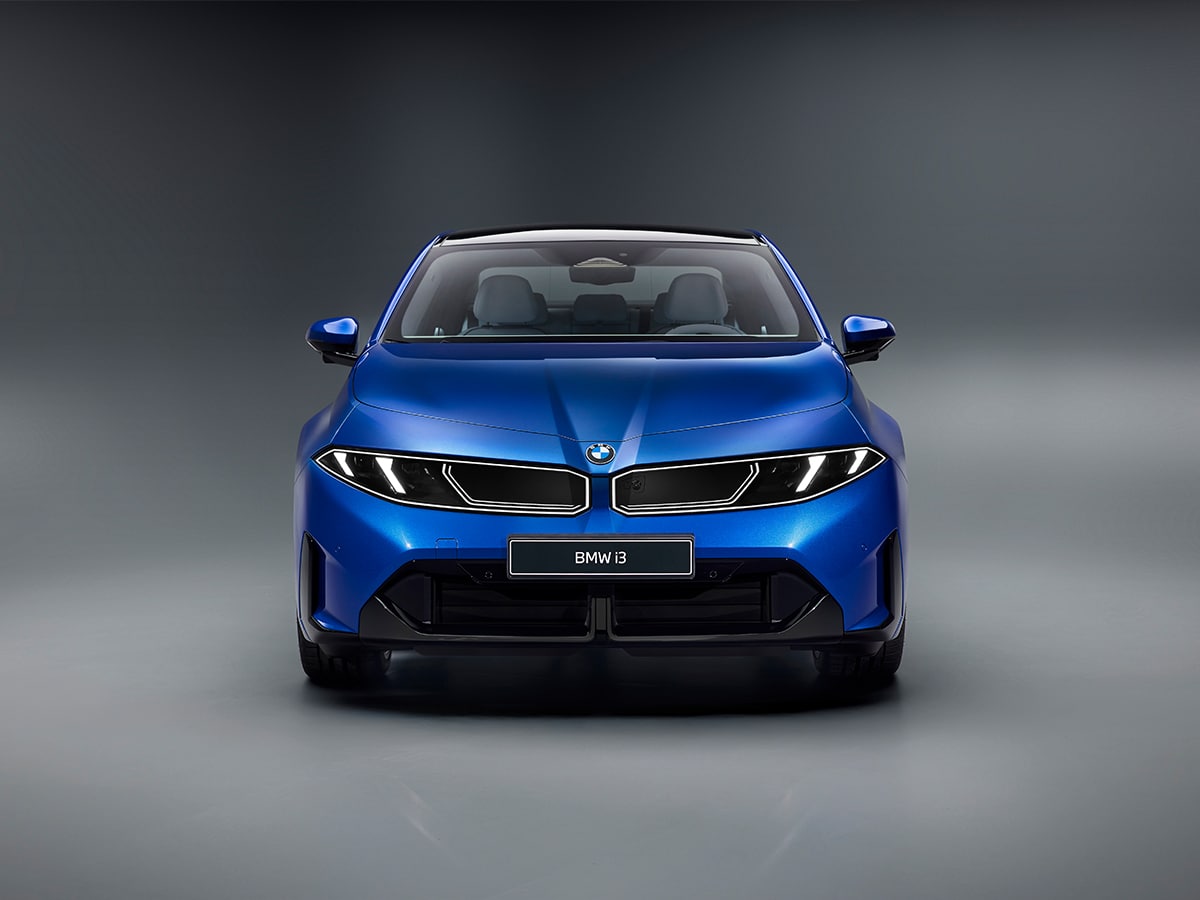 BMW i3 50 xDrive | Image: Supplied / BMW
 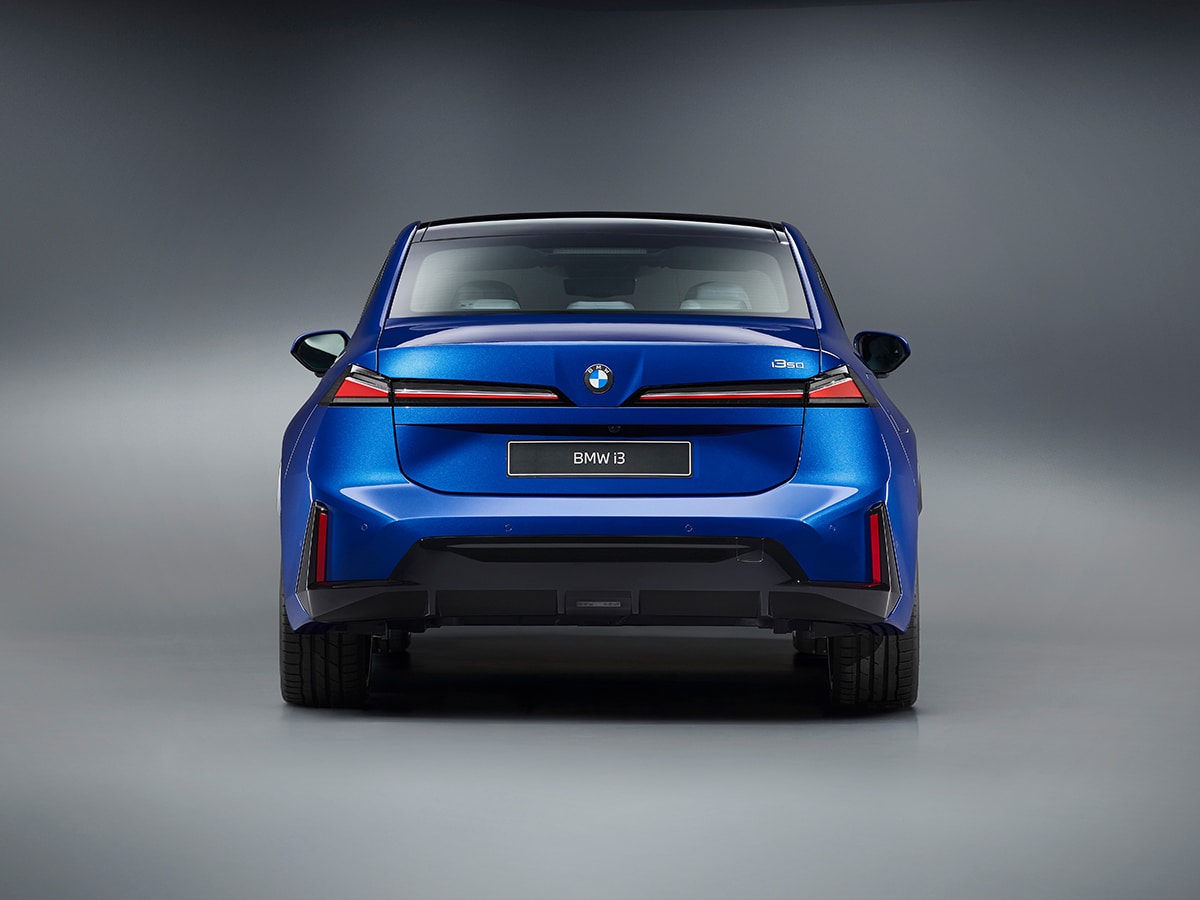 BMW i3 50 xDrive | Image: Supplied / BMW
 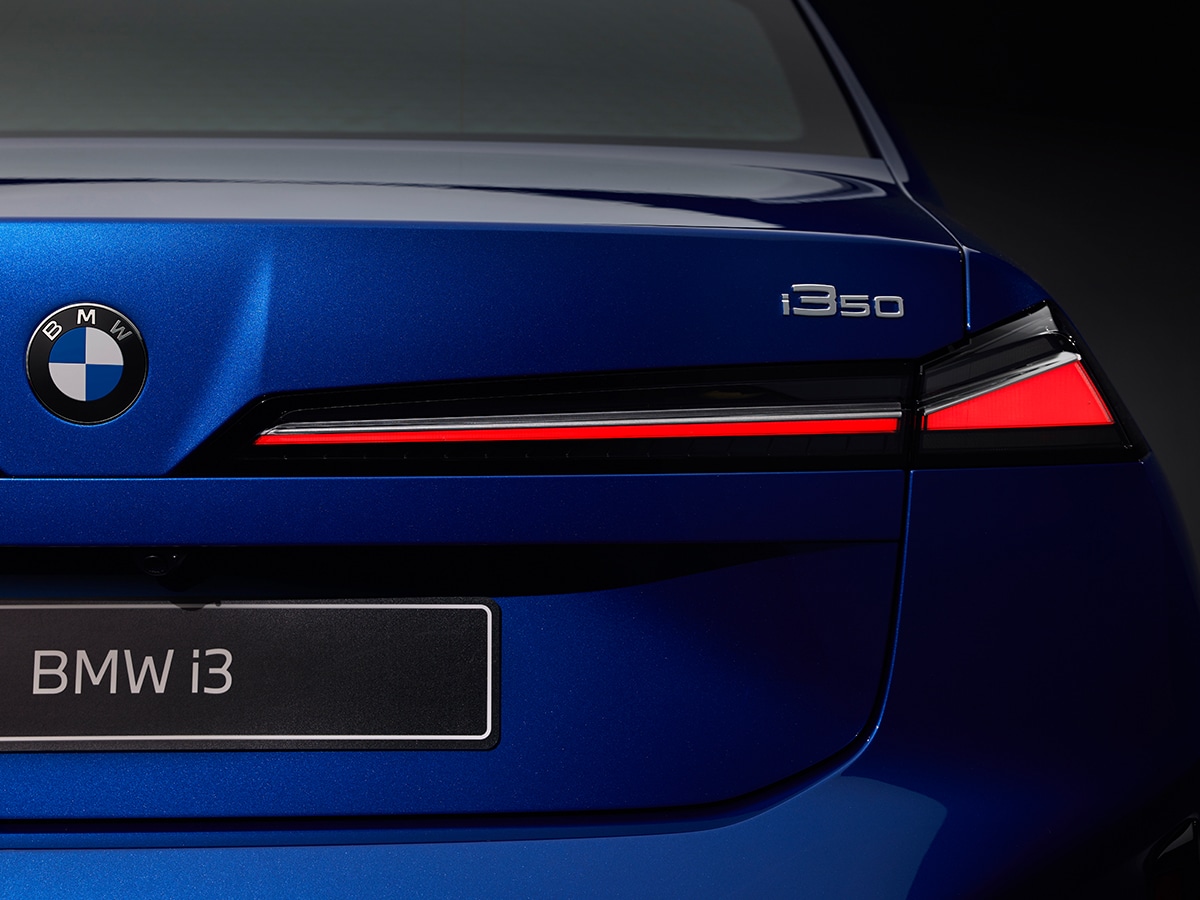 BMW i3 50 xDrive | Image: Supplied / BMW
 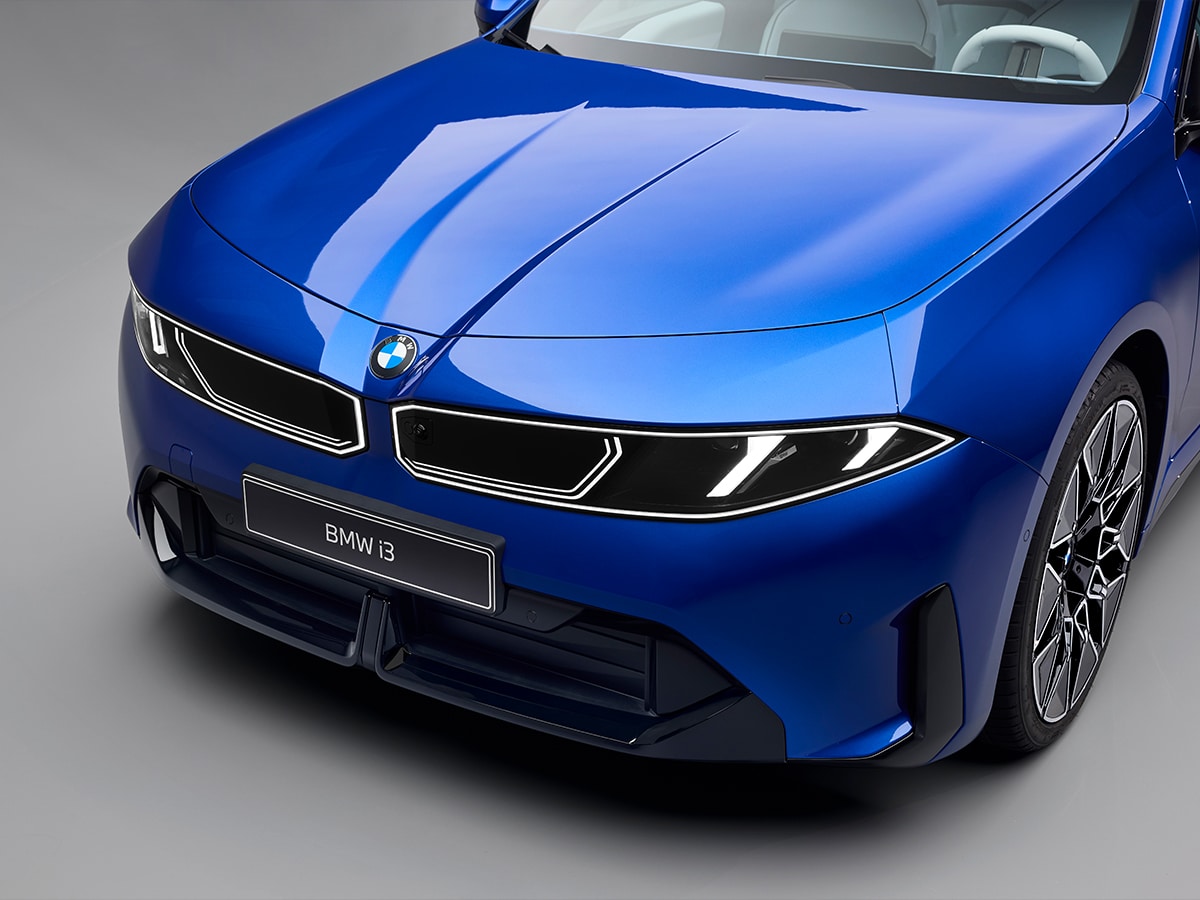 BMW i3 50 xDrive | Image: Supplied / BMW
 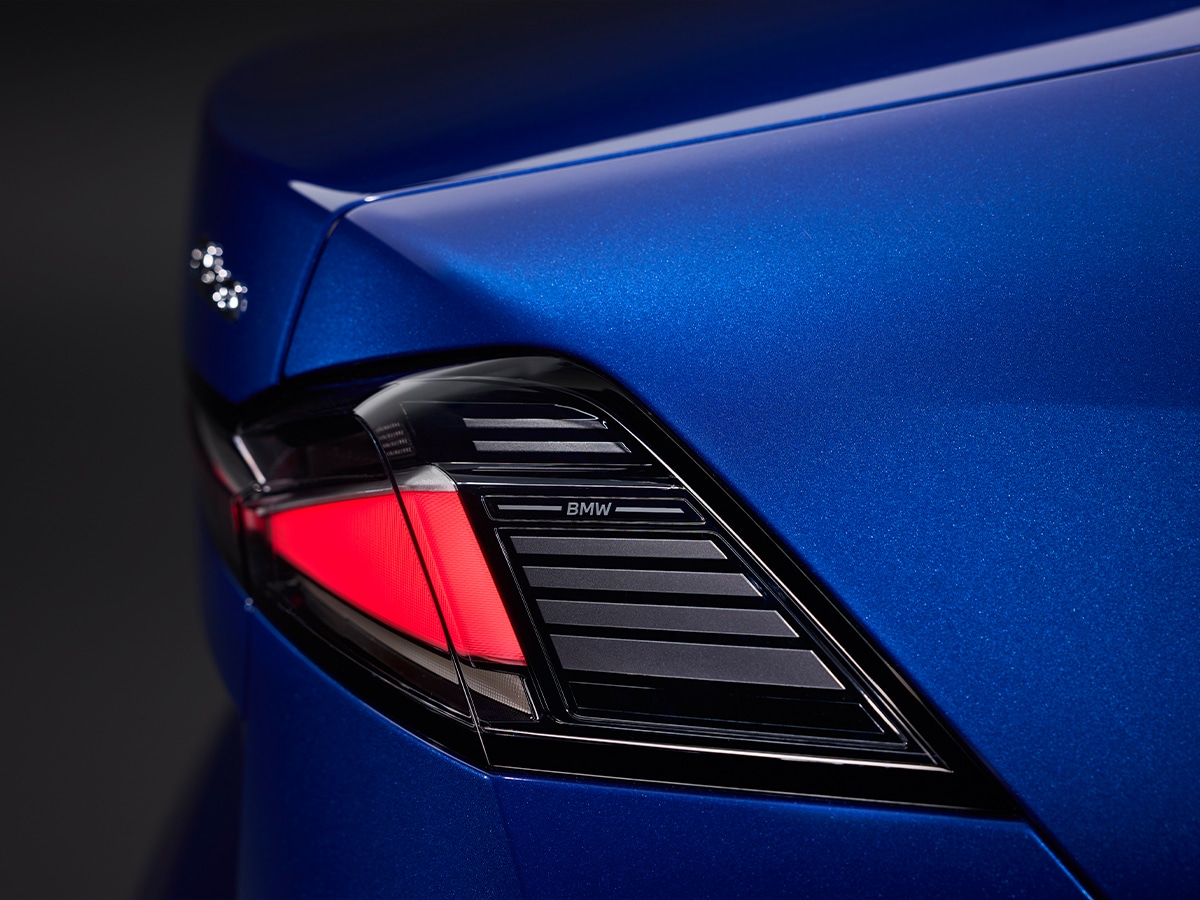 BMW i3 50 xDrive | Image: Supplied / BMW
 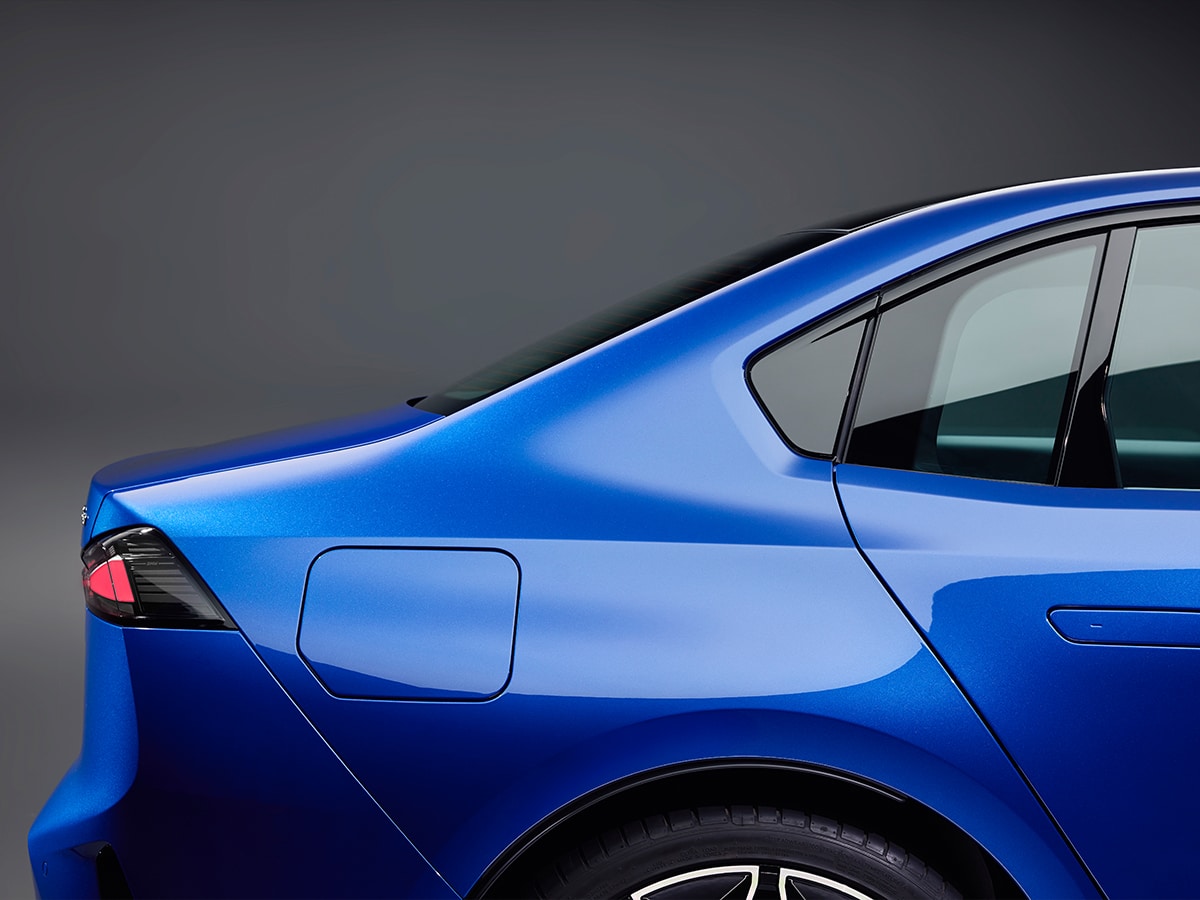 BMW i3 50 xDrive | Image: Supplied / BMW
 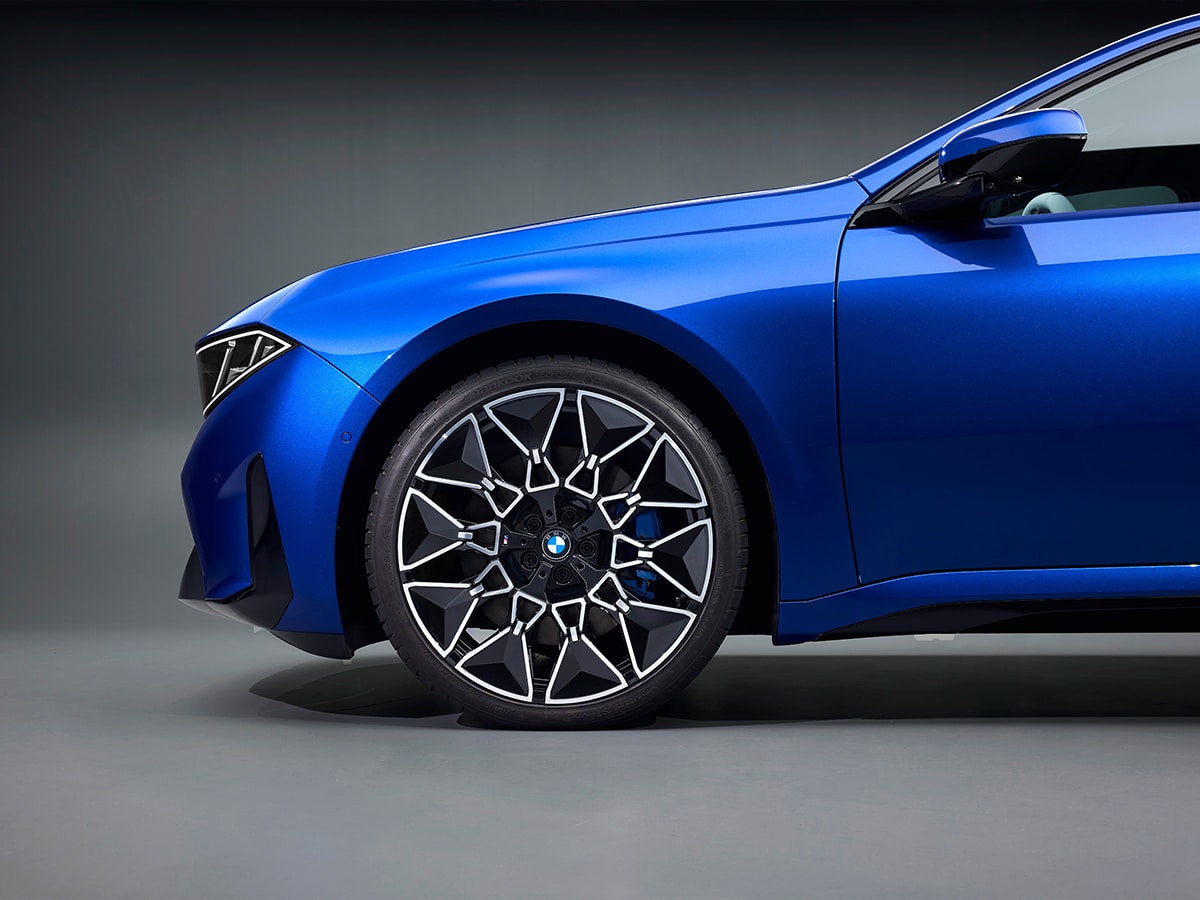 BMW i3 50 xDrive | Image: Supplied / BMW
 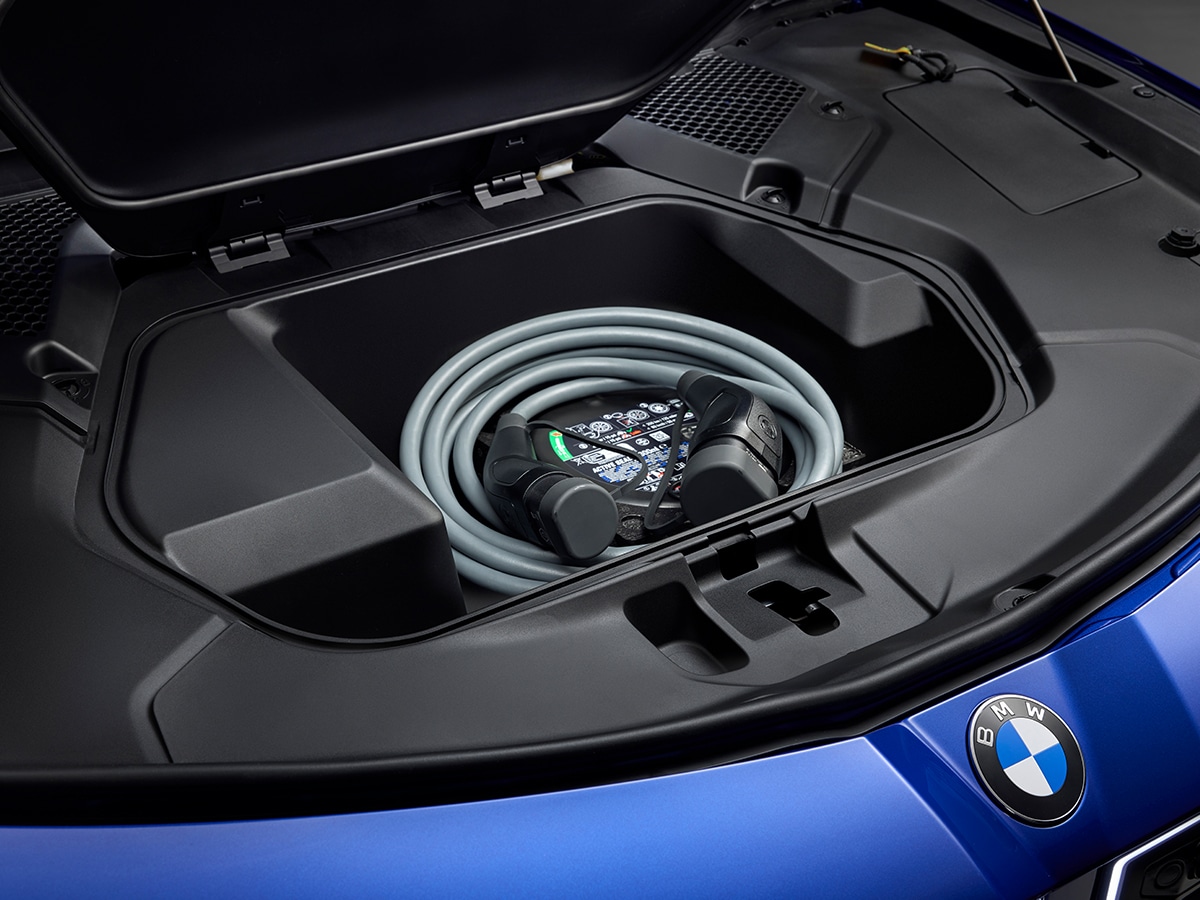 BMW i3 50 xDrive | Image: Supplied / BMW