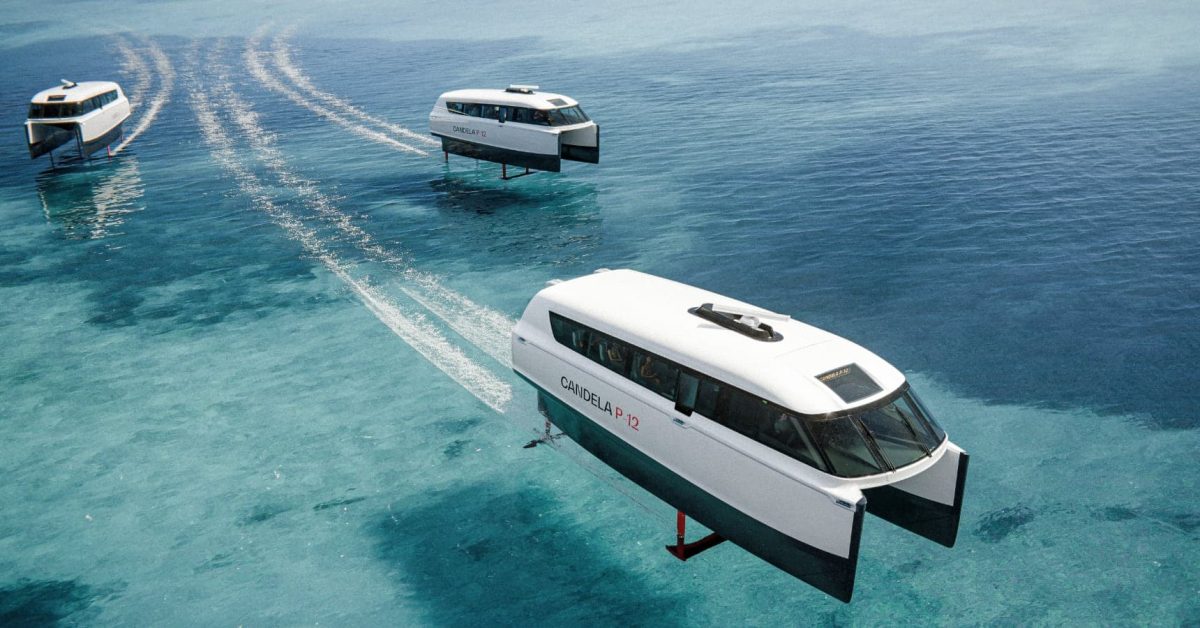
Electric hydrofoiling boat maker Candela just pulled off something that’s getting harder to do in today’s climate tech landscape: raise a significant new round of funding – and do it while the rest of the sector is cooling off.
The Swedish company announced a €30 million raise, bringing its total funding to €129 million and cementing its position as one of the best-funded electric vessel manufacturers in the world. The round included continued backing from existing investors like EQT Ventures and SEB Private Equity, along with a notable new participant: the International Finance Corporation (IFC), part of the World Bank Group, which contributed €8 million.
That funding is already earmarked for expansion, including a second manufacturing facility in Poland aimed at scaling production of Candela’s P-12 electric hydrofoil ferry.
And that’s where things get even more interesting.
Advertisement – scroll for more content
A new kind of electric “vehicle” on the water
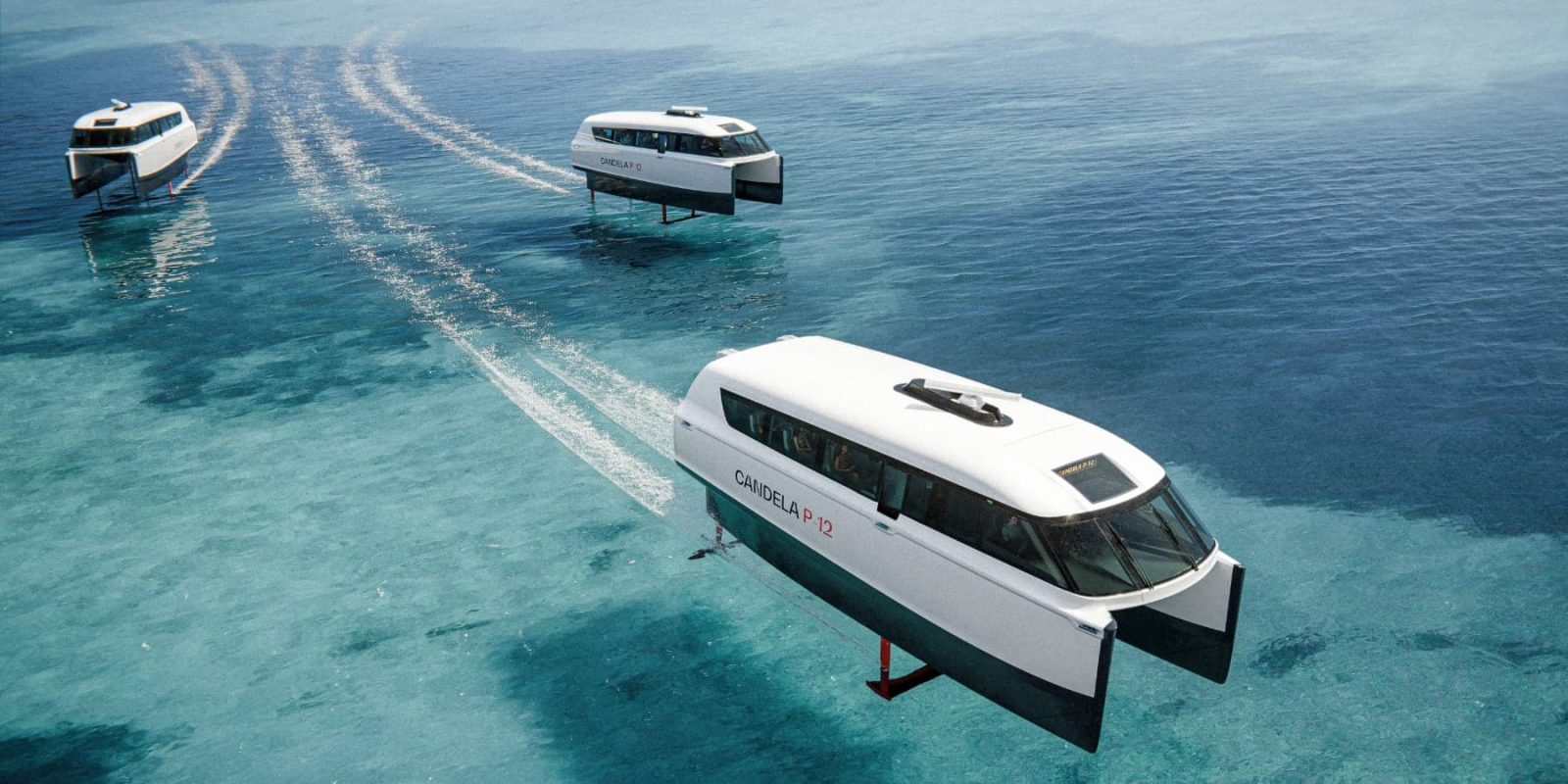
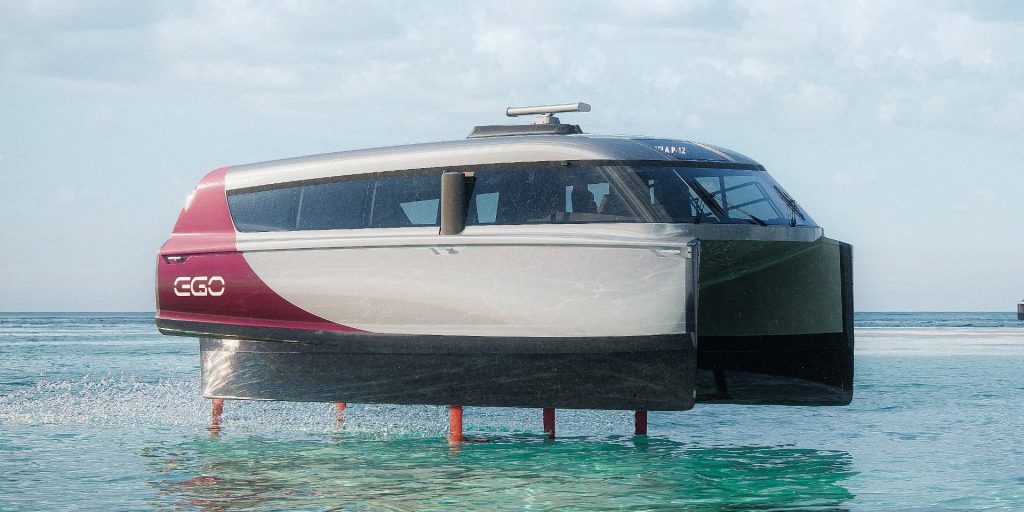
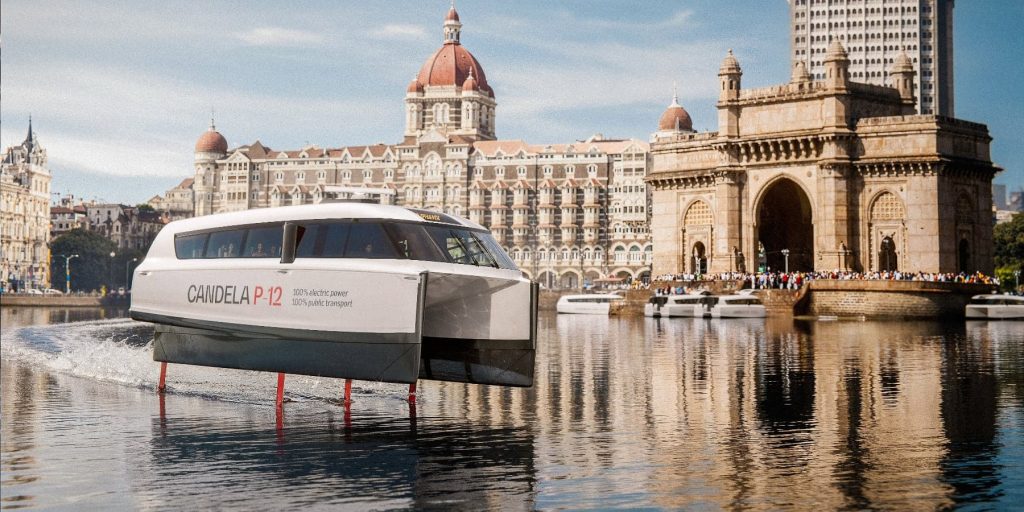
Candela’s P-12 isn’t like just about any other ferry in the world, electric or otherwise. It’s part of a category of vessels that spend most of their time operating just above the water rather than in it.
Using Candela’s in-house designed, computer-controlled hydrofoils, the P-12 lifts itself above the surface as it moves, dramatically reducing drag. The result is up to 80% lower energy consumption compared to conventional diesel ferries, along with zero wake and much smoother rides. It’s one of several secrets that allows Candela’s electric ferries to achieve such high speeds and long distances for electric boats with a fraction of the battery on-board.
It’s similar to the kind of leap we saw when electric drivetrains started reshaping cars and bikes, but it leverages physics to push the gains of electric propulsion even further. Instead of just swapping engines for batteries, Candela rethought the entire platform, and it’s paid off quite well so far with major orders from around the world.
Real-world deployment is already happening
Unlike a lot of futuristic mobility concepts, Candela’s boats aren’t stuck in the prototype phase.
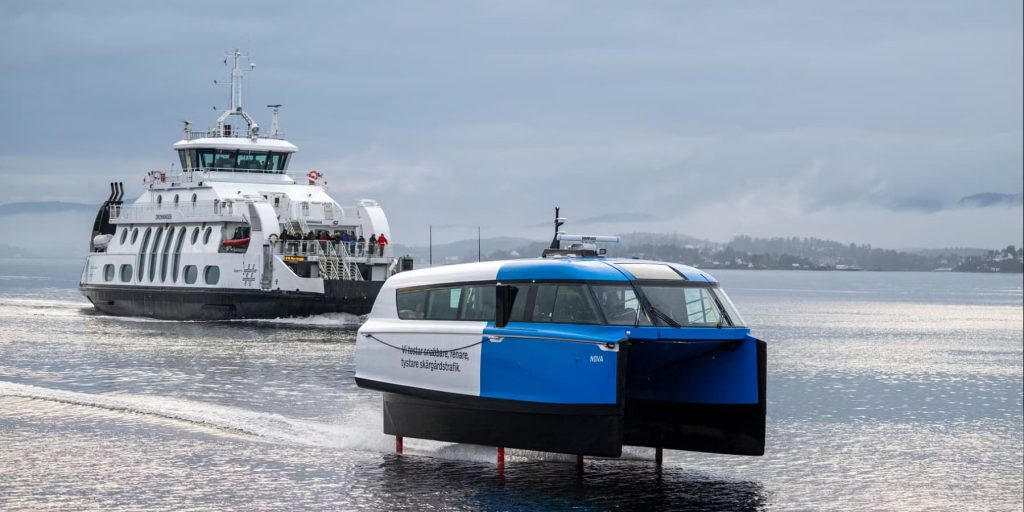
The P-12 is already operating in public transit systems in cities like Stockholm, Gothenburg, Oslo, and Trondheim, where it has demonstrated shorter travel times and significantly lower operating costs than diesel ferries.
That combination – faster trips and cheaper operation – is exactly what transit operators want to see. It’s also why more than 65 vessels are already on order for destinations around the world.
Starting in 2026, deployments are set to further expand globally, including a particularly compelling case in Mumbai. There, a fleet of P-12 ferries is expected to cut travel times from around two hours down to just 35 minutes between Navi Mumbai Airport and the city center.
Additional rollouts are planned in the Maldives, Saudi Arabia’s NEOM project, Thailand, and beyond.
Scaling like the EV industry did
One of the biggest barriers in the marine industry has always been cost. Boats are often built in small numbers, almost like custom projects, which keeps prices high and limits adoption.
Candela is trying to change that by applying a more automotive-style approach: platform-based, serial production using advanced carbon fiber construction.
“By moving away from small-series production—which inevitably drives high costs—we’ve built a platform that serves multiple markets,” says Hasselskog. “This allows us to deliver technologically advanced carbon-fiber vessels with industry-leading operating costs at a competitive price point, freeing operators from the cost trap of fossil-fuel ships.
That shift could be just as important as the technology itself. By increasing production volumes, the company aims to bring down costs and make electric ferries viable not just for wealthy cities, but also for emerging markets.
And that’s exactly where IFC’s involvement comes in. The World Bank’s investment arm is clearly betting that this kind of waterborne mobility could play a major role in transportation infrastructure in developing regions.
“This investment reflects IFC’s commitment to advancing innovative transportation solutions in emerging markets,” said Farid Fezoua, IFC Director for Equity, Funds and Venture Capital. “By supporting Candela’s expansion, we aim to accelerate the adoption and early deployment of breakthrough maritime technology in Emerging Markets, mobilize private capital, create high-value jobs, and enable more efficient water-based mobility.”
Electrek’s Take
If this all sounds familiar, it should. We’ve seen this playbook before with electric bikes, scooters, and cars. First comes the breakthrough technology. Then come early adopters. Then comes scaling, cost reduction, and global expansion.
Candela looks like it’s entering that third phase. The fact that these vessels aren’t just greener but actually faster and cheaper to operate is what really matters. That’s the tipping point for adoption, and I think we’re starting to see it happen in real time.
Many cities around the world have long relied on the resource of their waterways, but they’ve often been underutilized because traditional ferries are slow, expensive, and inefficient. If Candela can change that equation, we could see a resurgence of water-based transit in a sustainable, practical way. And I’m here for it!


FTC: We use income earning auto affiliate links. More.