This project is part of a series of energy sector initiatives – totalling $56 billion US dollars – which will see Asian companies collaborate with US firms. These initiatives were recently presented at the political summit in Tokyo.
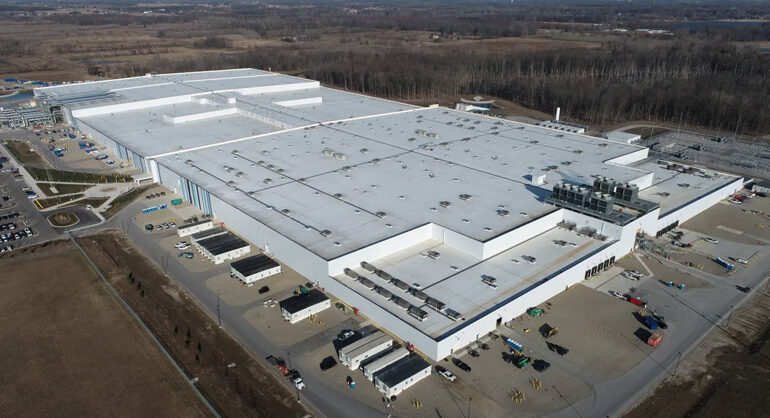
Details remain scarce, as neither Tesla nor LG Energy Solution (LGES) have commented on the matter so far. Additionally, the available information is contradictory. According to a press release from the US government, the plan involves constructing a $4.3 billion US-dollar manufacturing facility for prismatic LFP battery cells in Lansing, Michigan. This facility is a joint venture between Tesla and LGES and is set to begin production in 2027.
However, an investigation by electrive reveals a discrepancy: LGES has already built a battery cell factory in Lansing in partnership with General Motors, which withdrew from the joint venture at the end of 2024. It appears that the cells for Tesla will now be produced at the same factory in Lansing, albeit using a different cell chemistry than originally planned for General Motors—LFP instead of NMC.
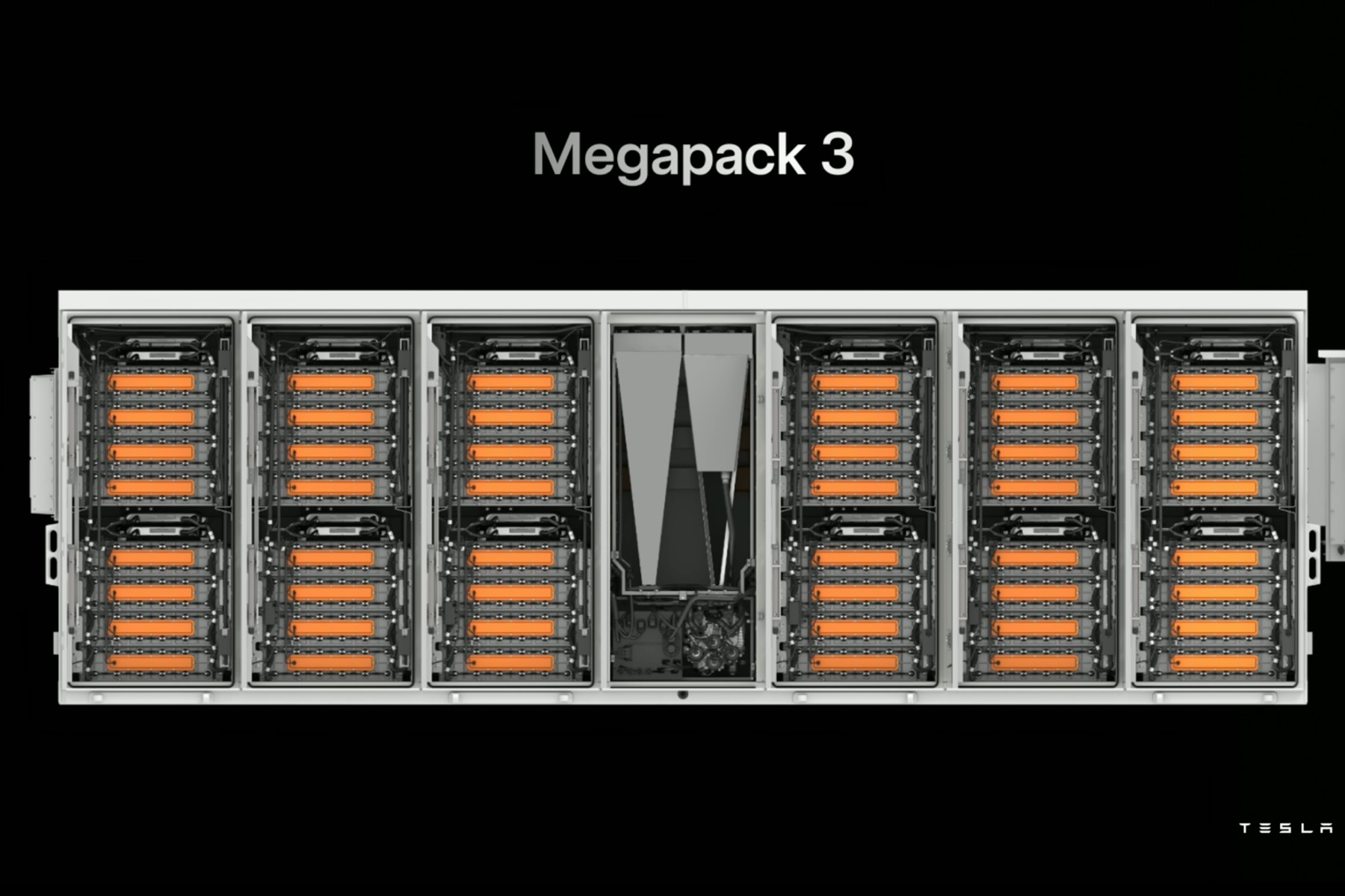
These cells, for which Tesla is said to have signed a supply agreement, are intended for use in the Tesla Megapack 3. This product will soon be manufactured at Tesla’s upcoming Megafactory in Houston, Texas. The Megapack 3 is a Battery Energy Storage System (BESS) with a capacity of 5 MWh, which was unveiled last September. It can be ordered as a so-called Megablock—a pre-configured unit comprising up to four Megapack 3 systems, including a transformer and switchgear. According to Tesla, combining multiple Megablocks can provide a total capacity of 1 GWh in just 20 working days.
But where does the US government’s figure of 4.3 billion US dollars come from? Notably, this figure circulated in South Korean media last summer, when it was first reported that this sum represented the order volume of a new Tesla contract with LGES. At the time, no specific production site was mentioned, so it could have referred to a facility in South Korea, for example. However, even then, the discussion centred on cells for Tesla’s battery storage systems, which were to be delivered between August 2027 and July 2030. This timeline aligns with the recent announcement from the US government.
Battery storage boom in AI data centres
Battery energy storage systems (BESS) can be used for various applications. For instance, they can store electricity generated by solar farms or photovoltaic (PV) installations and feed it back into the grid later. Similarly, BESS can store electricity from the public grid and release it at a later time. This can help mitigate peak loads, stabilise the grid, or even enable energy trading to capitalise on price differences between periods of low and high demand.
A surge in BESS adoption is underway in AI data centres, where they serve as massive backup systems to ensure uninterrupted operation during power outages. Data centres – like other industrial and commercial customers – can also use BESS to optimise self-consumption, storing cheap electricity at night and using it during expensive peak tariff periods.