Motorists could soon see far cheaper electric vehicle charging costs in public, at a similar time when petrol and diesel are dealing with soaring costs.
A recent legal case reported that drivers were being overcharged on tax when charging in public, prompting urgent calls for changes to be made to ensure motorists see savings.
Charge My Street, a chargepoint operator in northern England, argued that public chargers should attract a VAT rate of five per cent, to match the home charging rate, rather than 20 per cent.
Experts have consistently called for the Government to slash the rate of VAT on public chargers to create a level playing field for those who cannot charge at home.
Harriet Morgan, the tribunal judge in charge of the case, said the 20 per cent VAT rate “disadvantaged less well-off consumers who do not have their ‘own’ premises”.
The latest data from RAC Charge Watch suggests that drivers are paying 83.2p per kilowatt hour (kWh) at an ultra-rapid charger, and 82.1p per kWh for a rapid charger, with prices based on a pay-as-you-go, non-subscription basis.
If the 20 per cent VAT rate were to be cut to five per cent, motorists would see huge savings, and likely influence many drivers to consider switching to an electric vehicle.
Similarly, the cost-per-mile to run an electric car when home charging is just 8p, compared to 15p for petrol and 16p per mile for diesel.
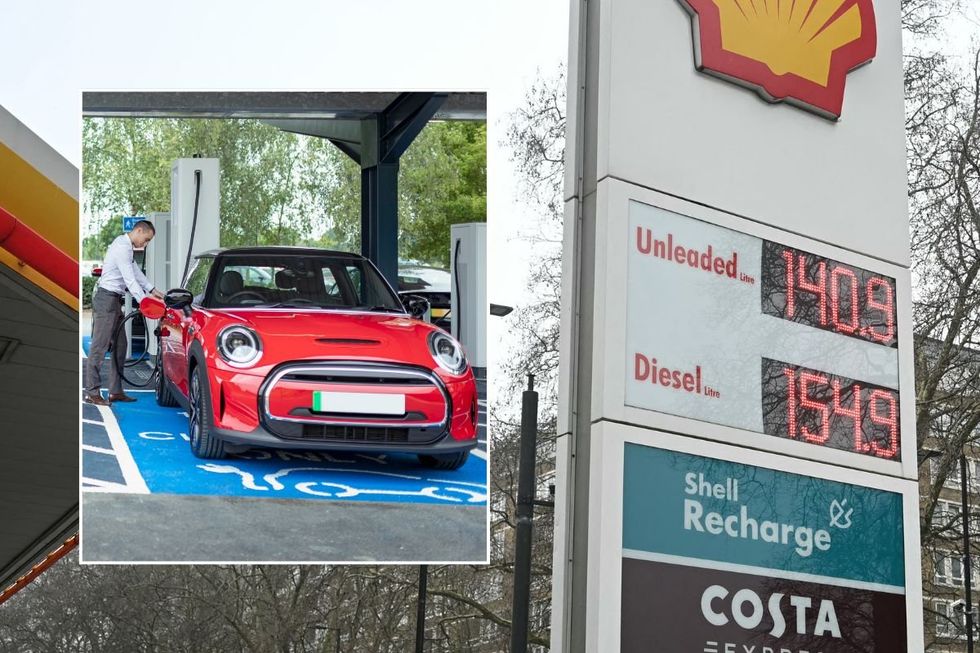
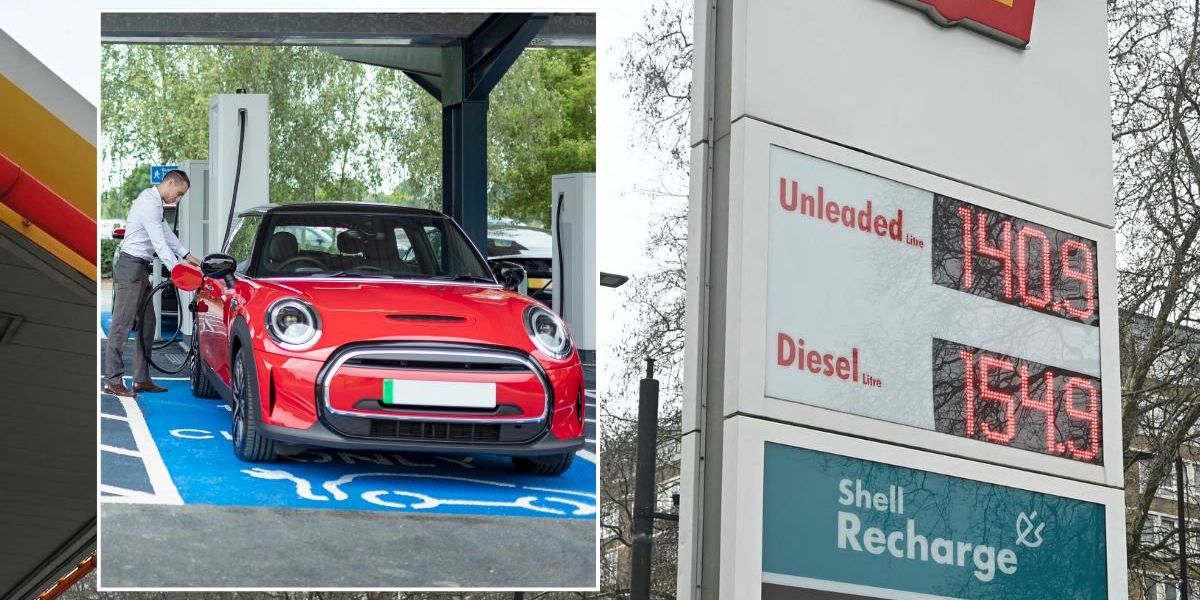
Charging an EV in public could soon cost less, as petrol and diesel drivers feel the pinch at the pumps
|
GETTY
Despite this, motorists who are forced to charge using a public charger face greater per-mile costs of 25p for rapid chargers and 26p for ultra-rapid.
Daniel Heery, director of Charge My Street, said: “This is a hugely important outcome, not just for Charge My Street, but for communities across the UK who rely on affordable, local EV charging.”
While the decision could still be appealed by HM Revenue and Customs, it could create a torrent of legal cases from charge point operators.
Zapmap data shows that there are more than 118,321 public chargers across the UK, with almost 1,600 being added in February.
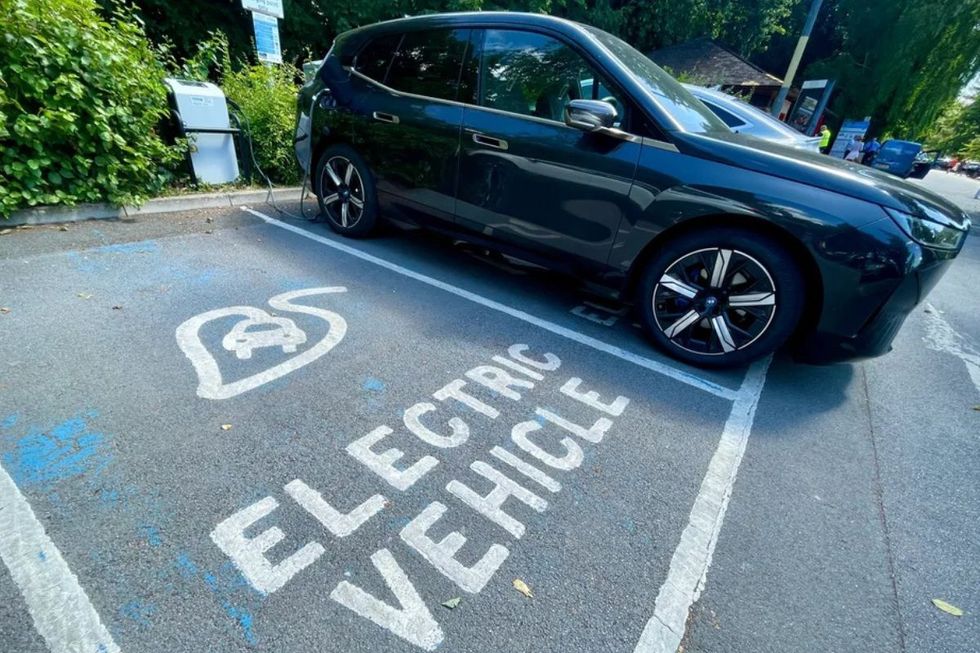
The rate of VAT on public EV chargers could be cut to five per cent, down from 20 per cent
| GETTY
This does not take into account the more than 1.5 million chargers installed at homes and workplaces across the UK, which have further helped the switch to cleaner vehicles.
It comes at a time when petrol and diesel prices are soaring and continue to rise for motorists as a result of the oil crisis in the Middle East.
Petrol drivers are paying an average of 141.74p per litre, according to the RAC, while diesel motorists are being forced to spend an average of 161.2p per litre.
Since the end of February, the price of petrol has soared by almost nine pence per litre, while diesel drivers have been slapped with an enormous 18.8p price hike.
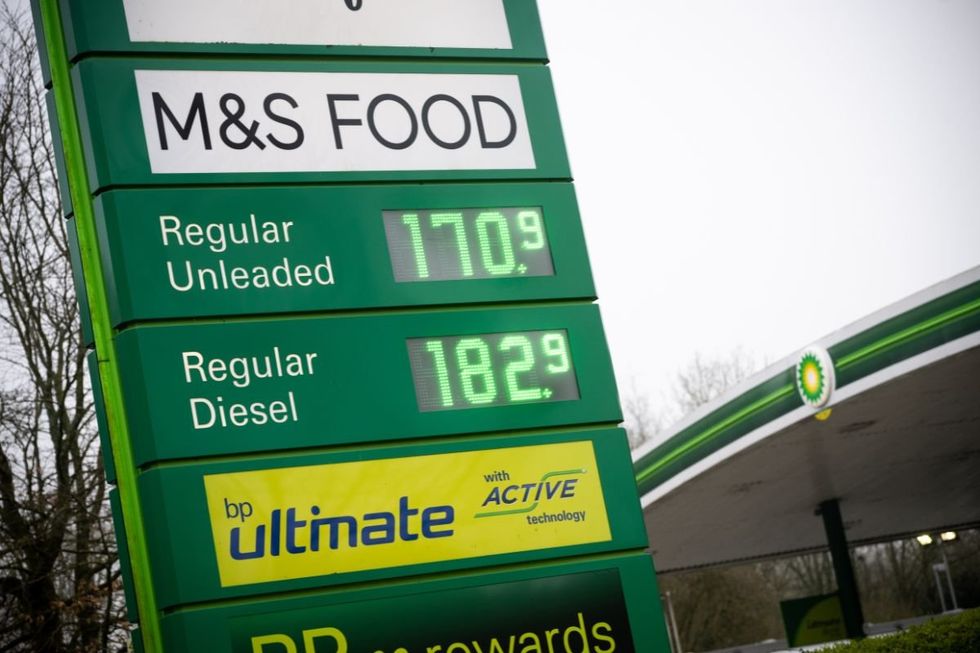 Drivers are currently dealing with huge petrol and diesel prices hikes in response to soaring oil costs | GETTY
While drivers have seen a 6.7 per cent price change in unleaded prices, the cost of a litre of diesel has skyrocketed by 13.2 per cent in just 17 days.
The price of Brent crude oil appears to have stabilised around $100 or £75, suggesting that drivers will continue to deal with high prices over the coming weeks and months if the conflict in Iran drags on.
Simon Williams, head of policy at the RAC, highlighted how the oil crisis in the Middle East has forced up the price of a full tank for a 55-litre family car, which has jumped to £78 for petrol and £88 for diesel.
“RAC analysis of wholesale fuel data shows that petrol is now likely to rise in the next week or so by another 3p to an average of 145p a litre and diesel by 9p to 170p,” Mr Williams said.



![Electric vehicle drivers are being unfairly penalized in Pennsylvania [letter]](https://www.evshift.com/wp-content/uploads/2026/03/635a89eeaf962.image_-770x515.jpg "Electric vehicle drivers are being unfairly penalized in Pennsylvania [letter] | Letters To The Editor")