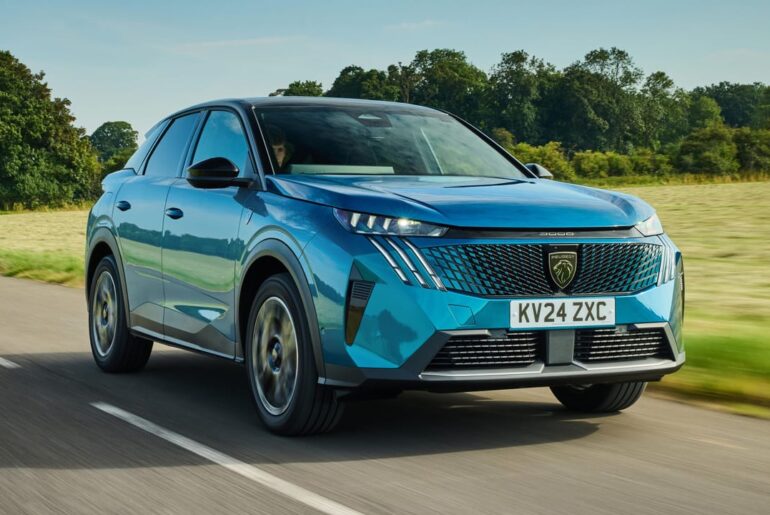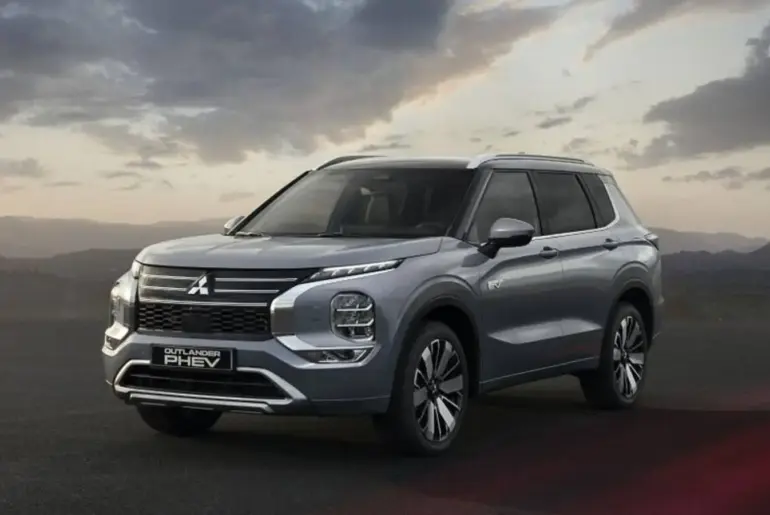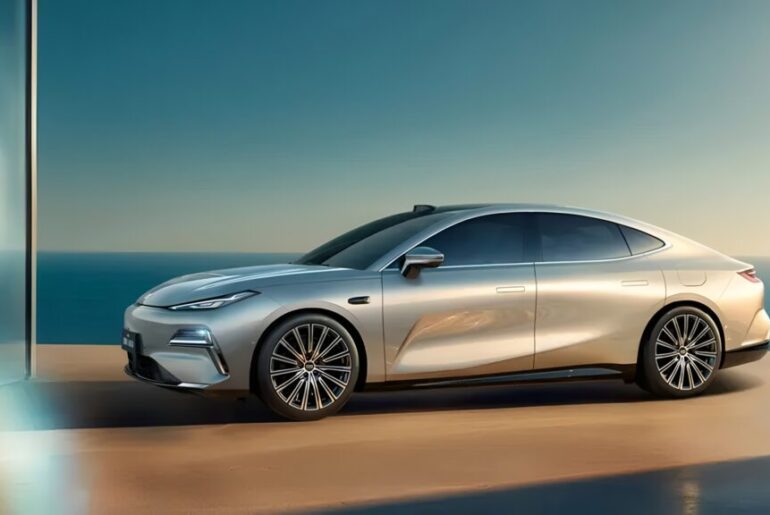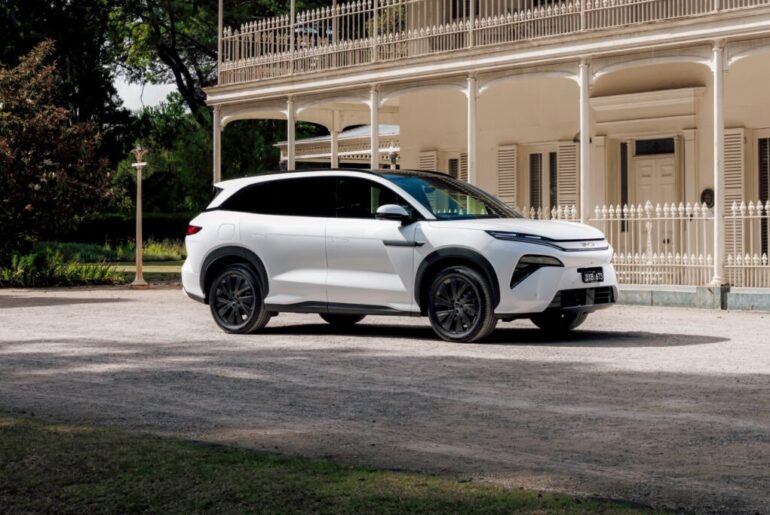
Australia’s new car market is witnessing a dramatic shift toward hybrid and electric vehicles in 2026, with early-year data showing electrified powertrains capturing record market shares. Plug-in hybrids and battery electrics lead the charge, driven by affordability, incentives, and expanding model lineups.

Surge in Hybrid and EV Sales Data
Year-to-date through February 2026, battery electric vehicles (BEVs) and plug-in hybrids (PHEVs) have reshaped sales landscapes. BEV deliveries reached 18,543 units in the first two months, nearly doubling last year’s pace with a 95 percent surge. PHEVs posted 11,015 sales, up sharply thanks to new entrants.
Hybrids (non-plug-in HEVs) held 17.4 percent market share in January alone, while electrified vehicles broadly claimed over 30 percent in spots. Total new car sales dipped slightly to 188,262 units YTD, yet electrified segments bucked the trend amid softer overall demand.
February highlighted the boom: BEVs hit 11,134 sales for 12.2 percent share, PHEVs 5,854 for another slice, totaling nearly 20 percent electrified. Chinese brands fueled this, with BYD and Zeekr posting triple-digit growth.
Powertrain TypeJan 2026 SalesFeb 2026 SalesYTD Share (%)BEV7,83211,134~10PHEV5,1615,854~6HEV~32,000Variable17+PetrolDown 14% YoYDownDeclining
Top Models Driving the Hybrid Boom
BYD dominates PHEV sales with models like the Shark 6 and Sealion 6 thriving post-2025 records. Tesla Model Y reclaimed top BEV spot in February with 2,971 units, followed by BYD Sealion 7 (1,327) and Zeekr 7X (628). Traditional hybrids from Toyota—RAV4, Corolla—face transition hiccups but retain volume.
Chinese marques shine: BYD’s Atto series and GWM Haval PHEVs undercut rivals on price. MG’s ZS EV and MG4 hatchbacks appeal to budget buyers, while luxury like Tesla Model 3 surges via leasing.
Year-on-year, PHEVs leaped 170 percent in January, with hybrids up modestly despite Toyota’s RAV4 dip during generational change.
Top PHEV/BEV Models Feb 2026SalesYoY GrowthTesla Model Y2,971SteadyBYD Sealion 71,327New modelZeekr 7X628ExplosiveBYD Shark 6~1,100100%+MG ZS EVHigh volumeStrong
Factors Fueling Rapid Market Growth
The New Vehicle Efficiency Standard (NVES) pressures brands toward low-emissions models, boosting hybrids despite no direct EV mandates yet. Fringe Benefits Tax exemptions for novated leases propel fleet uptake, especially in outer suburbs where postcodes lead EV booms.
Prices parity nears for mid-size SUVs and utes—key Aussie segments—with EVs dipping below 40,000 dollars drive-away. Expanding chargers—over 3,000 public stations—eases range anxiety. Consumer shift: eco-awareness and fuel savings trump petrol amid volatile prices.
Outer suburbs drive novated leasing EVs, per NALSPA, as families opt for affordable electrified family haulers.
Government Policies and Incentives
FBT exemptions persist for EVs under 89,332 dollars until 2025 extensions debated into 2026, sustaining business buys. State rebates in NSW, Victoria phase but fuel private demand. NVES tiers fines for high emitters, indirectly subsidizing hybrids.
Federal 2030 targets align with 15 percent electrified share forecasts, potentially 195,000 BEV/PHEV sales if incentives hold. JET Charge predicts decisive growth sans exemptions at 167,000 units.
Regional and Demographic Trends
New South Wales and Victoria lead volumes, with ACT boasting highest penetration. Outer metro postcodes—household incomes mid-range—top novated EV lists, blending affordability with green appeal. Fleets, small businesses favor PHEVs for petrol backup.
Urban commuters grab hatches; families SUVs. Women, millennials skew toward EVs per surveys.
Top States YTD 2026Sales VolumeEV PenetrationNSW28,589 (Feb)HighVictoria25,907LeadingQueensland20,305Growing
Challenges Amid the Surge
Supply chains stabilize post-chip shortages, yet Toyota hybrids slump on model transitions. Petrol sales plummet 14 percent, squeezing dealers. Charging infrastructure lags rural areas, and battery minerals reliance on China raises geopolitics flags.
Resale values firm for EVs, but insurance hikes deter some. Grid strain worries peak with rising adoption.
Manufacturer Strategies and Competition
Toyota clings to hybrid dominance (58 percent share), but Chinese BYD, GWM erode it with cheaper PHEVs. Tesla rebounds post-refresh; Hyundai, Kia push hybrids up 92 percent in 2025. Japanese brands slip 31 percent as electrification lags.
Imports surge: European luxury EVs niche, but volume Chinese. Local assembly nil, all imported.
Economic and Environmental Impacts
Hybrids slash fuel use 40-50 percent, curbing imports bills. EV market valued at 21 billion dollars in 2025, eyeing 205 billion by 2034 at 29 percent CAGR. Emissions drop aligns with net-zero; renewables integration eases grid load.
Jobs bloom in charging, servicing; exports potential via mining lithium.
Projected Growth2026 ForecastCAGR to 2034EV Market Value15% share28.8%PHEV SalesDouble 2025ExplosiveTotal Electrified30%+ marketSteady rise
Consumer Shift to Electrified Driving
Buyers cite savings—hybrids save 1,500 dollars yearly fuel—and tech perks. PHEVs bridge pure EV hesitancy with 50-100km electric range. Test drives convert skeptics; online configurators boost.
Families prioritize safety suites in electrified SUVs. Leasing booms for tax perks.
Infrastructure and Future Outlook
Over 4,000 chargers planned 2026; home V2G trials emerge. Renewables hit 40 percent grid share, supporting loads.
Projections: 240,000 EVs needed for emissions paths. Price drops, battery advances propel. Hybrids plateau as BEVs mature.
Road Ahead for Australia’s EV Revolution
2026 proves pivotal—electrified mainstream. Policymakers eye rebates; brands accelerate. From surge to staple, hybrids herald sustainable mobility.

Emma Brooks is a contributing writer at richlittleragdolls.co.nz, covering news, community updates, and trending stories across New Zealand and Australia. Her work focuses on delivering clear, accurate, and reader-friendly reporting that helps audiences stay informed about regional and national developments.