Rising gas prices could be boosting California’s electric vehicle marketCustomers have been drawn towards cheaper at-home EV chargingUK analysts feel EV owners are “protected” from fuel price spikes
The conflict in the Middle East, which has been raging for over a week now, has been causing a spike in energy pricing, with everything from oil to natural gas affecting both the cost of fuel for transport, as well as domestic energy bills.
Some parts of the US are feeling the effect more than others, with the average cost per gallon of gasoline on Monday climbing to $5.20 in California, compared with $3.47 nationally, according to data from the American Automobile Association (AAA).
The reasons are pretty clear, as the conflict has destroyed oil facilities that supply gasoline and diesel globally, while 20% of the world’s oil is shipped through the strait of Hormuz, which has effectively been closed for a week.
Article continues below
You may like
Despite President Trump claiming that the spike in oil prices are a “very small price to pay” for global “peace and safety” as the Iran war rages, some experts believe they will continue to rise.
On Sunday, Patrick De Haan, head of petroleum analysis for GasBuddy, estimated that there’s an 80 per cent chance the national average price of gasoline will reach $4 in the next month. The U.S. average currently stands at $3.45, according to AAA (via The Independent).
It is a similar story in the UK, where both petrol and diesel prices have been rising steadily since the conflict began, with Simon Williams of the RAC warning that the situation for UK drivers is looking “increasingly bleak”.

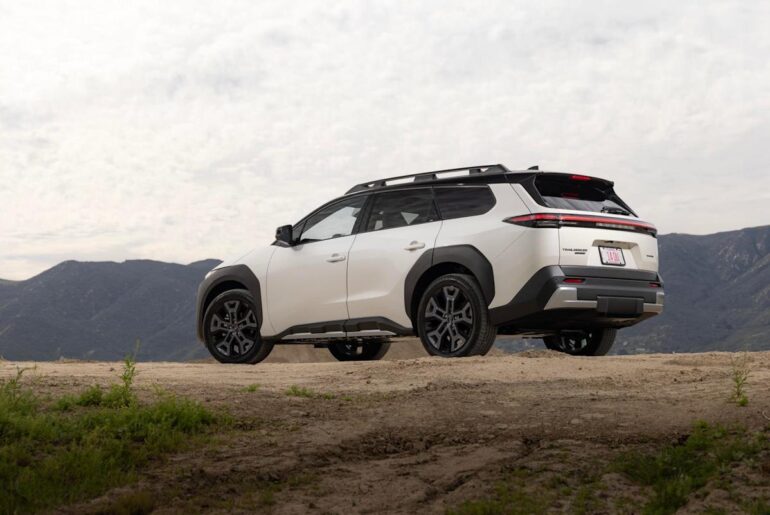
(Image credit: Unsplash/Ford)
Despite this, there are some researchers that believe EV drivers remain “protected” from fuel price spikes, with new analysis from the Energy & Climate intelligence Unit concluding that petrol and diesel car drivers will have to pay significantly more to fuel their vehicle.
The study, which is focussed on consumers in the UK, states that if the price of a barrel of oil jumps to $120, the price of petrol could increase to around 170p a liter, increasing annual fueling costs by over £320 a year.
However, the ECiU claims that price caps on electricity until June in the UK “will shield drivers of EVs from current shocks”. Although it does acknowledge that increasing gas prices are set to push up electricity prices from July.
Cheaper charging
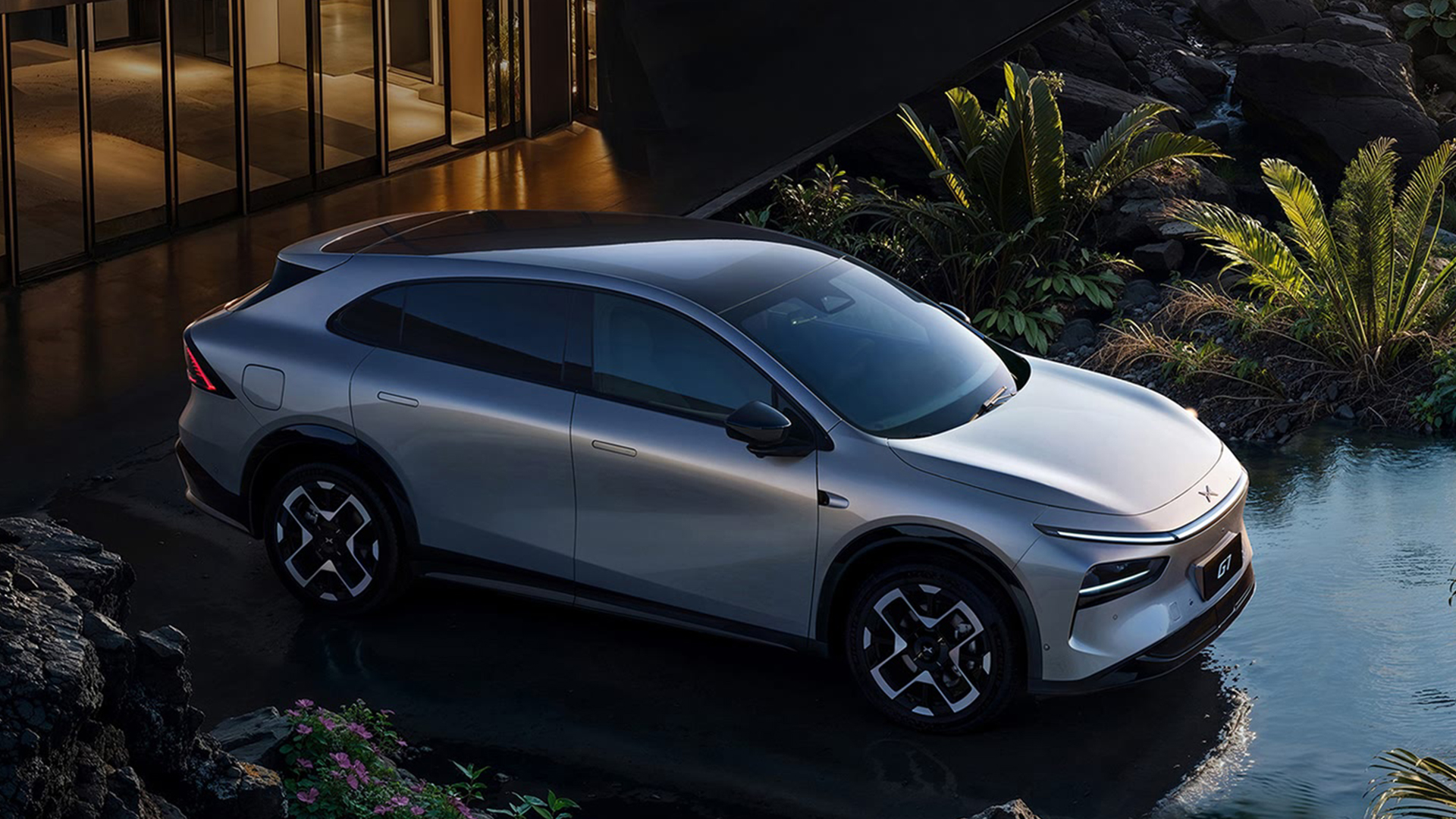
(Image credit: Xpeng)
Analysis by Compare the Market has showed electric cars are £579 cheaper on average to ‘fuel’ per year compared to petrol cars. With all things taken into account, the average cost of running an electric car came out as £1,264, compared to £1,843 for a petrol car.
What to read next
This was based on the average annual mileage of a UK motorist at 6,700 miles (fewer folk are commuting to work) and paying £1.62 a liter for petrol or 28p a kWh for electricity.
The chasm between the two would be even greater if charging via off-peak energy tariffs.
Any rise in oil prices will only see that average annual figure increase for owners of petrol or diesel vehicles, yet energy providers in the UK are committed to offering cheaper off-peak tariffs from July.
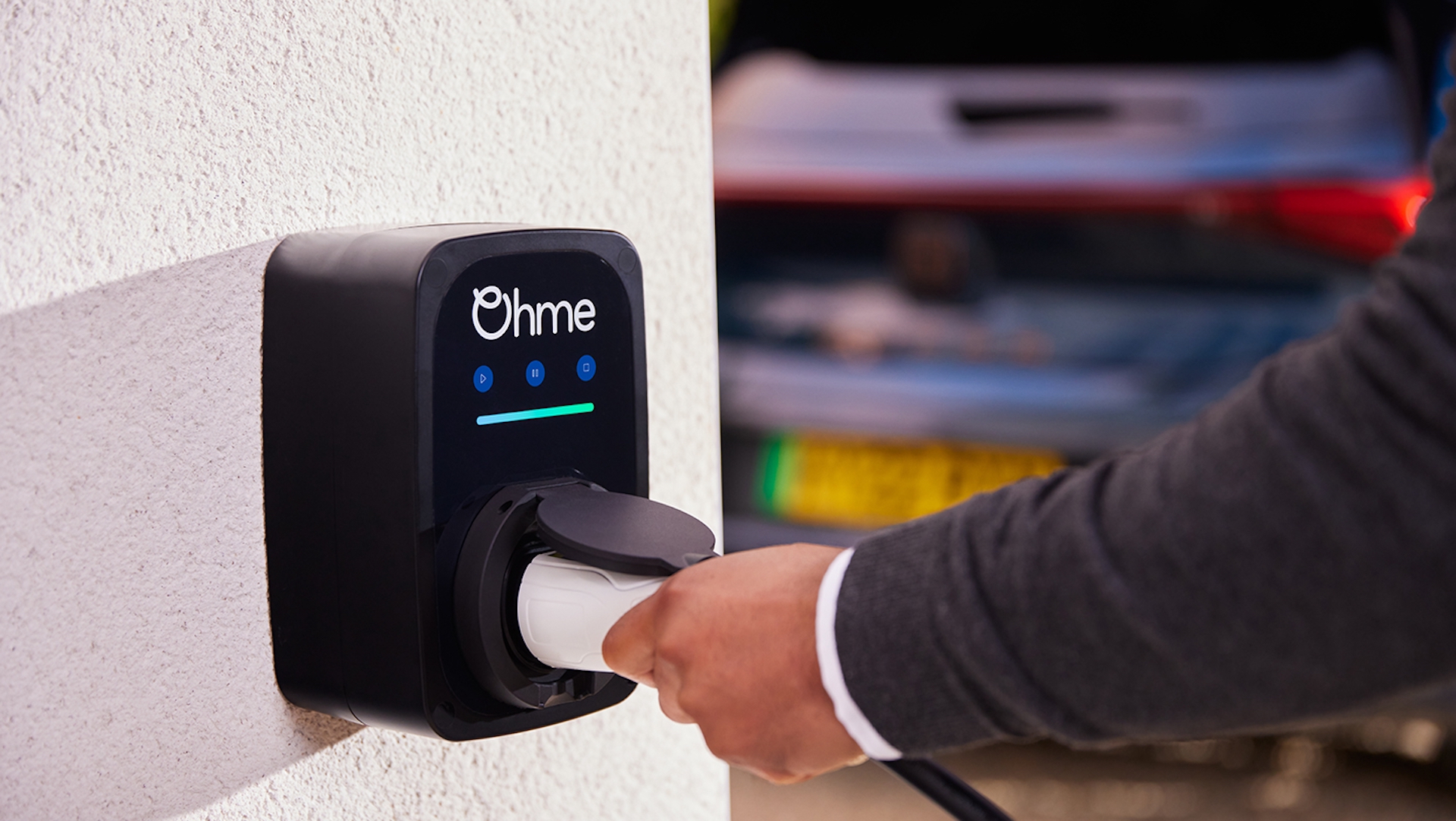
Intelligent Octopus Go, for example, allows EV owners to charge for 7p per kWh during off-peak hours. Even on a standard variable tariff, it is still only around 25p per kWh, according to Ohme.
Compare the costs over an average annual UK mileage of 6,800 miles and petrol owners fork out £1,057, compared to standard variable rate chargers spending just £437 and Intelligent Octopus Go users paying just £119 per year.
It is a similar story in the US, where the NRDC says it costs between $500 and $1,200 per year for home charging, which is significantly cheaper than the $1,300 to $2,500+ annual cost for fueling a comparable petrol car.
This will vary from state to state, depending on the fluctuating price of both gas and electricity, but even in the worst case scenario, it is generally cheaper to charge at home than it is to fuel at the gas station
Home charging is essential
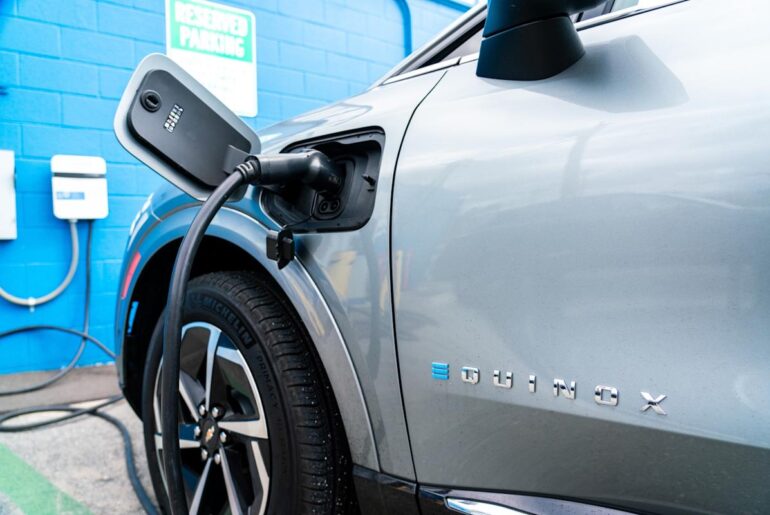
(Image credit: Ohme)
The elephant in the room here is all of those EV owners who simply can’t charge at home or work — a group that will likely have to shoulder the increased cost of gas, which will likely be passed on to the consumer via the big companies behind the public charging networks.
In the UK, EV owners have been crying out for the government to cut the VAT on public charging, which would make charging cheaper and more accessible for those not able to plug in at home.
Similarly, consumers are getting behind the roll out of lower-powered street chargers that provide low cost overnight charging for parked EVs.
In the US, the cost of fast charging isn’t quite as astronomically high as it is in the UK, with the average of $0.49 per kWh playing upwards of £0.80p per kWh, but it is still susceptible to the same market volatility.
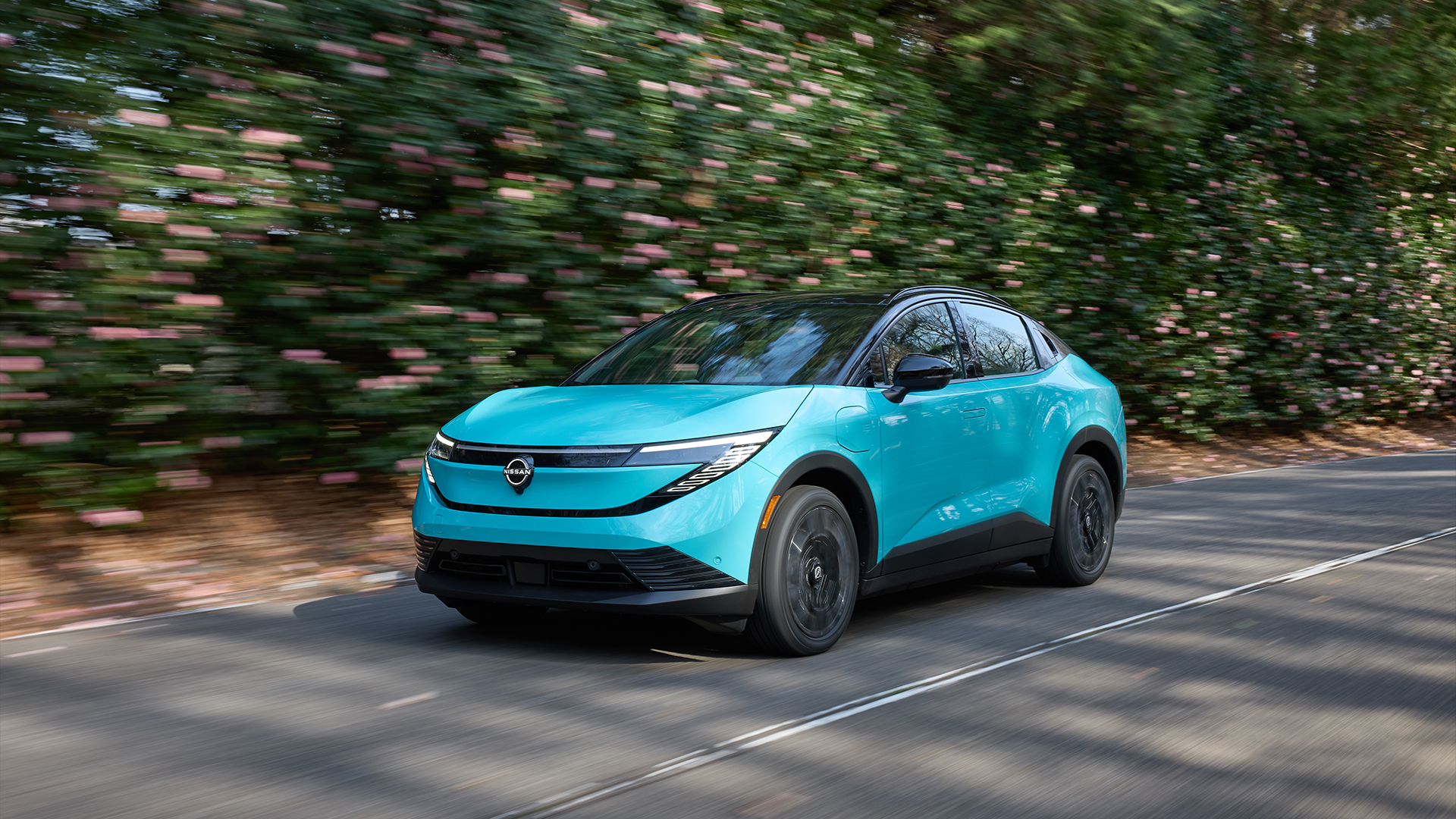
Despite the Trump administration killing off the $7,500 tax incentive for EVs, some industry insiders believe that the rising gas prices could spur another wave of electric vehicle purchasing, particularly in areas that have been the most exposed, such as California.
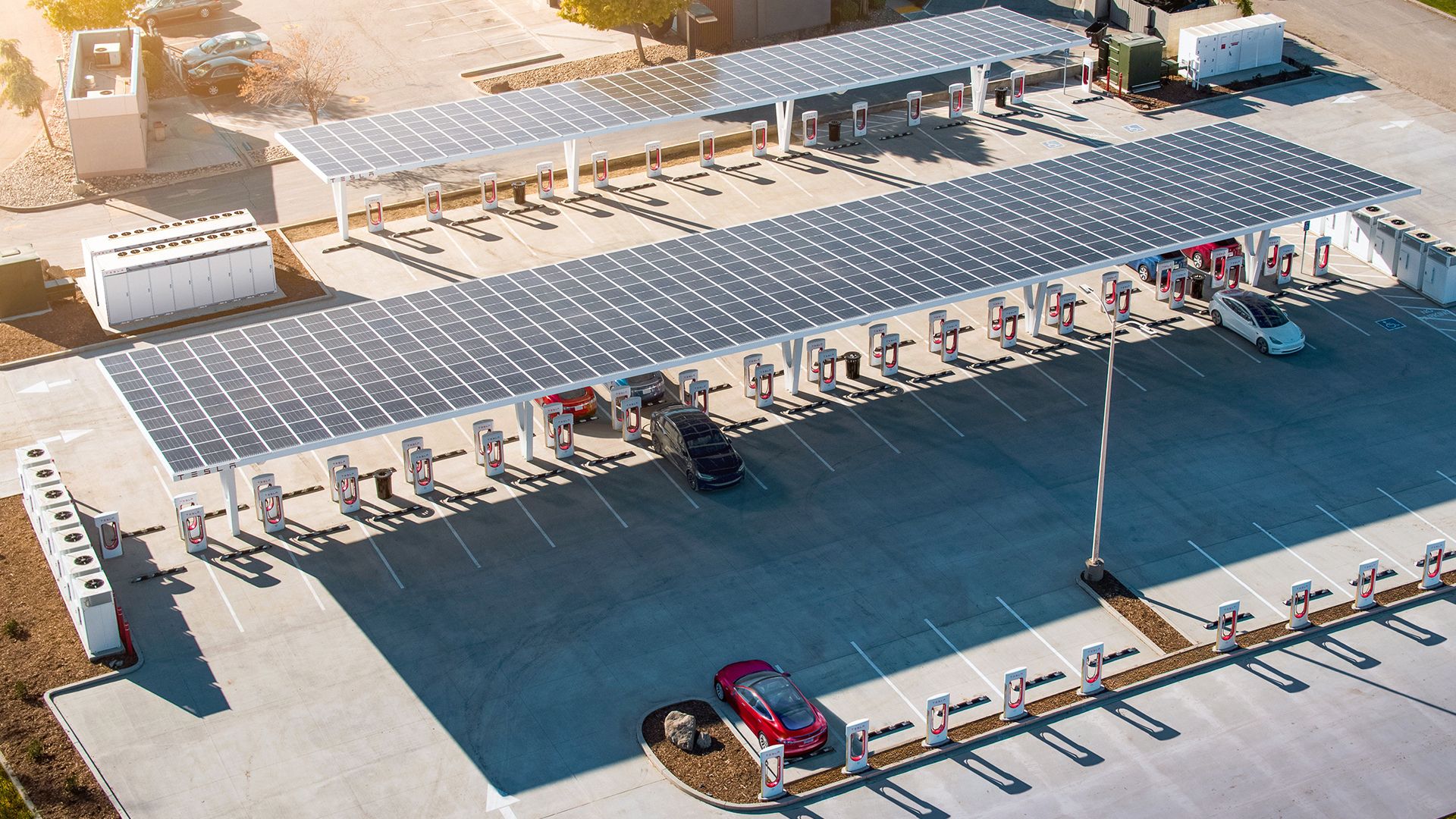
(Image credit: Nissan)
“We probably will see an uptick in EV adoption and particularly hybrid adoption if gas prices stay high”, Sam Abuelsamid, an auto analyst at Telemetry Agency told the LA Times.
“The last time we had oil prices top $100 per barrel was early 2022 and that’s when we saw EV sales really start to pick up in the US.”
While still not cheap to buy, the number of more affordable EVs is on the rise, particularly in those markets that have been receptive to newcomers from China.
In the UK and much of Europe, there is now more choice than ever when it comes to modern electric vehicles that cost £30,000 / $30,000 or less.
The Trump administration has created a hostile environment for electric vehicles in the US, removing tax incentives and putting up tariff barriers that have arguably reduced the amount of choice there is for consumers.
Despite this, there are still cheaper EV options, including the $28,995 Chevrolet Bolt, the $31,535 Nissan Leaf, the sub-$35,000 Hyundai Kona Electric and Toyota’s popular bZ at $36,350.
Escalating gas prices could be the incentive many US consumers need to make the switch to electric, particularly if they can free themselves from further volatility with cheaper home charging.
Follow TechRadar on Google News and add us as a preferred source to get our expert news, reviews, and opinion in your feeds. Make sure to click the Follow button!
And of course, you can also follow TechRadar on YouTube and TikTok for news, reviews, unboxings in video form, and get regular updates from us on WhatsApp too.