Democratic Gov. Gavin Newsom’s office made the lawsuit public noting that gas prices are climbing due to Iran war
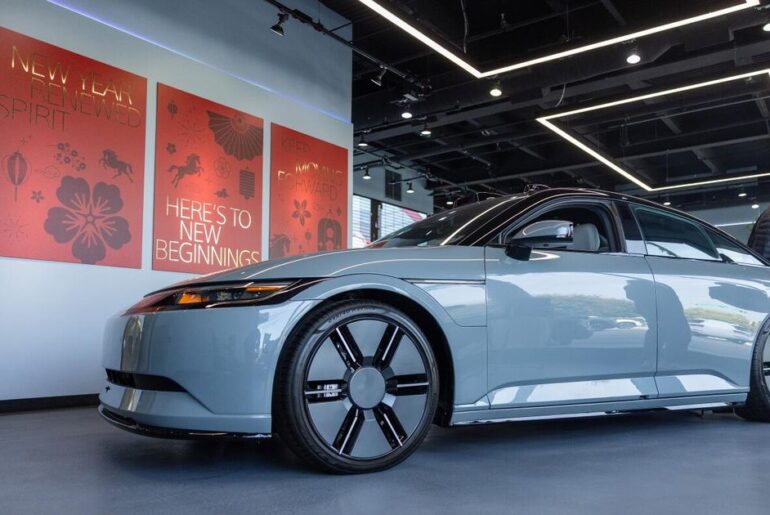
President Donald Trump has ramped up a long-awaited battle with California over the nation’s leading vehicle-emission standards, suing the state over an electric vehicle mandate on Thursday.
Trump has long fought for California to curb tailpipe emissions and spur electric vehicle adoption. The state wants to increase zero-emission vehicle sales, which would require 35% of cars to be sold in 2026. By 2030, the percentage will increase to 68% and then to 100% by 2035.
The President has also criticised California for its high gas prices, which have become a direct result of the taxes and environmental regulations.
Democratic Gov. Gavin Newsom and his office put the lawsuit on blast. They noted that their reasoning for zero-emission is because of the increase in gas prices due to the war in Iran. The increase in prices causes some drivers to consider going electric.
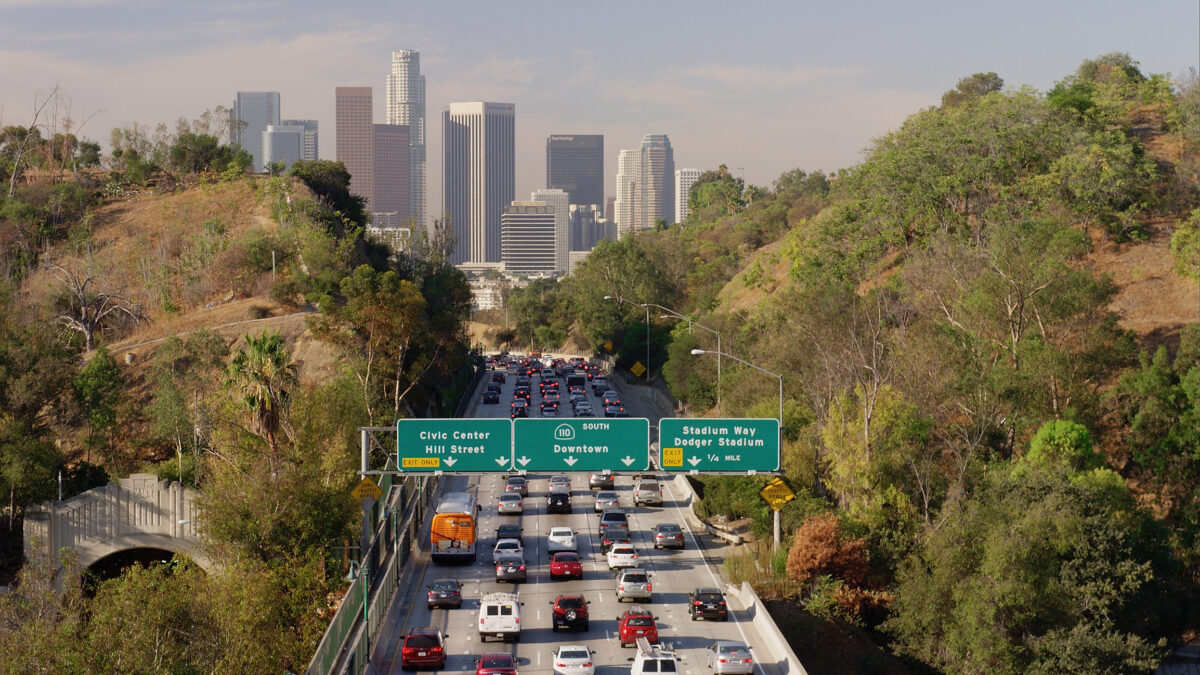
It currently costs California residents $5.37 a gallon to fill up their tanks. This compares to the national average of $3.60 per gallon. Gas prices have increased roughly 20% since the U.S. and Israel attacked Iran.
“Gas prices are soaring nationwide because of Trump’s reckless choices, and now he’s attacking the Golden State for trying to give Californians more freedom and cheaper options,” said Newsom’s spokesperson, Anthony Martinez.
California was quick to sue after Trump blocked California’s stringent electric vehicle mandates last year. The California Air Resources Board said that they would still be moving forward with the process even if it remained blocked. They believe that tackling car emissions would help reduce public health and climate risks.
However, the federal government said during the lawsuit that the state did not have the authority to enforce its cause, even if it’s not as invasive.
Scroll to continue reading
The state of California is known to have one of the nation’s worst air pollution problems and has been able to seek approval from the U.S. Environmental Protection Agency to adopt stricter emission standards. Other states are able to sign and adopt California’s rule.