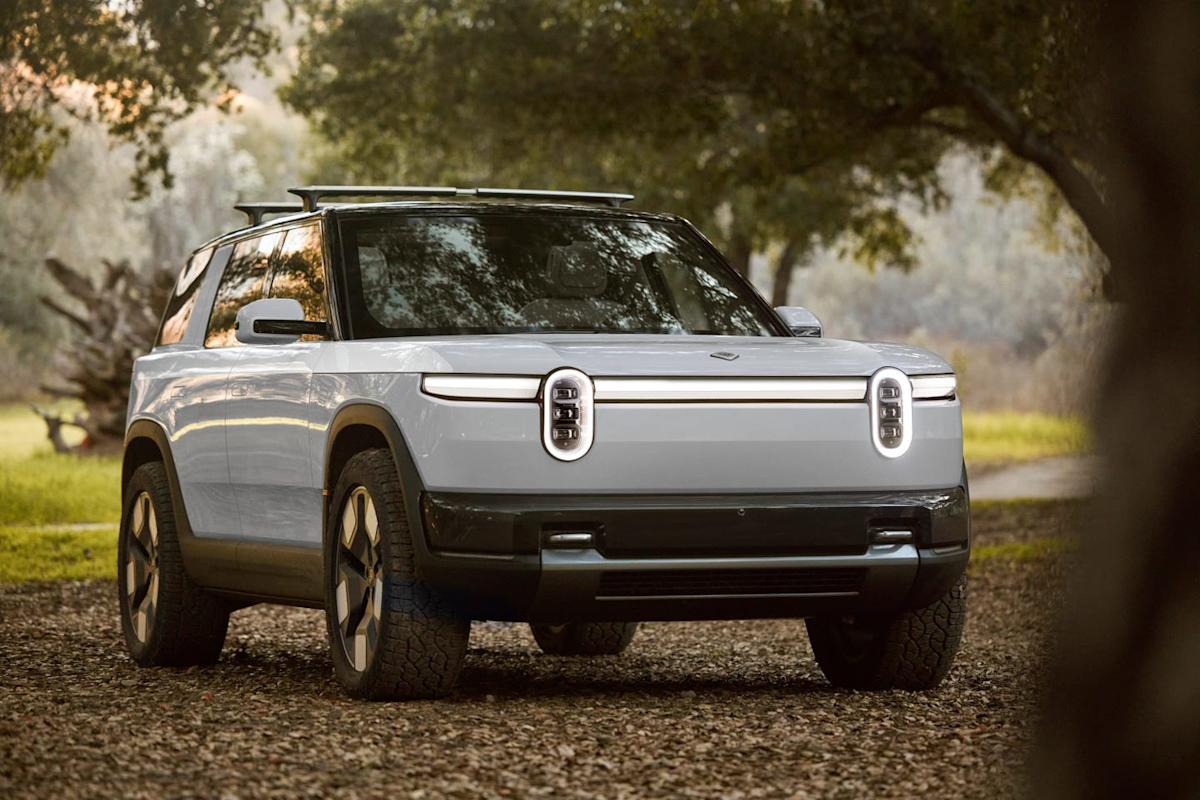
Rivian has revealed details about its upcoming R2 electric SUV lineup, confirming pricing, specifications, and a rollout strategy for what could be the automaker’s most important vehicle yet.
The EV maker says deliveries of the R2 will begin this spring with a launch edition priced at $59,485, a big jump down from the current crop of Rivians. Currently, the most affordable Rivian starts just under $75,000.
The R2 should help the automaker reach a much broader segment of the market while giving it a model that directly takes on the likes of the Tesla Model Y head-to-head.
The first R2 version arriving this year will be a dual-motor Performance model turning out 656 hp and offering an estimated 330 miles of range. Rivian will follow with a Premium trim priced at $55,485, expected to arrive later this year, and a more affordable rear-drive Standard version following in the first half of 2027. Rivian says the Standard trim will start at $49,985. Rivian also plans to introduce a $45,000 entry-level model with more than 275 miles of range by late next year.
Rivian
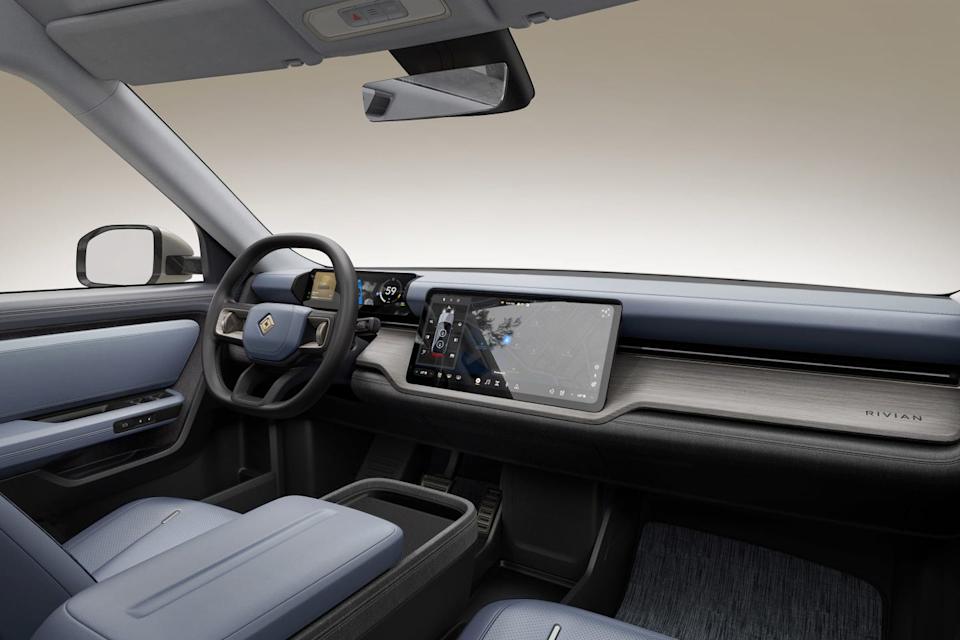
The R2 lineup is key to Rivian’s long-term growth strategy, expanding its reach beyond just high-buck buyers. Rivian says the R2 has been engineered with a focus on efficiency, practicality, and software integration while maintaining the same cool factor of its bigger, more expensive offerings.
All R2s also will come equipped with hardware supporting the company’s Autonomy+ driver assistance system, which Rivian plans to offer as a subscription service priced at $49.99 per month or $2,500 as a one-time purchase. Buyers of the Launch edition will receive lifetime access to the system.
Hearst Owned
Production of the R2 will initially take place at Rivian’s Normal, Illinois, manufacturing plant, the same factory currently producing the R1 lineup. The company had originally planned to build the model at its future Georgia factory, but opted to launch production in Illinois to accelerate its introduction. Production is still expected to expand to the Georgia facility by 2028.
The company has projected overall deliveries could rise by more than 50% this year to between 62,000 and 67,000 vehicles, with about 23,000 of those coming from the R2.
The unknown is how rapidly shifting policies surrounding electric vehicles could complicate demand. Will the removal of EV tax credits and potential tariffs on auto parts dull interest? Hard to know until launch.