March 11, 2026
By Karan Singh
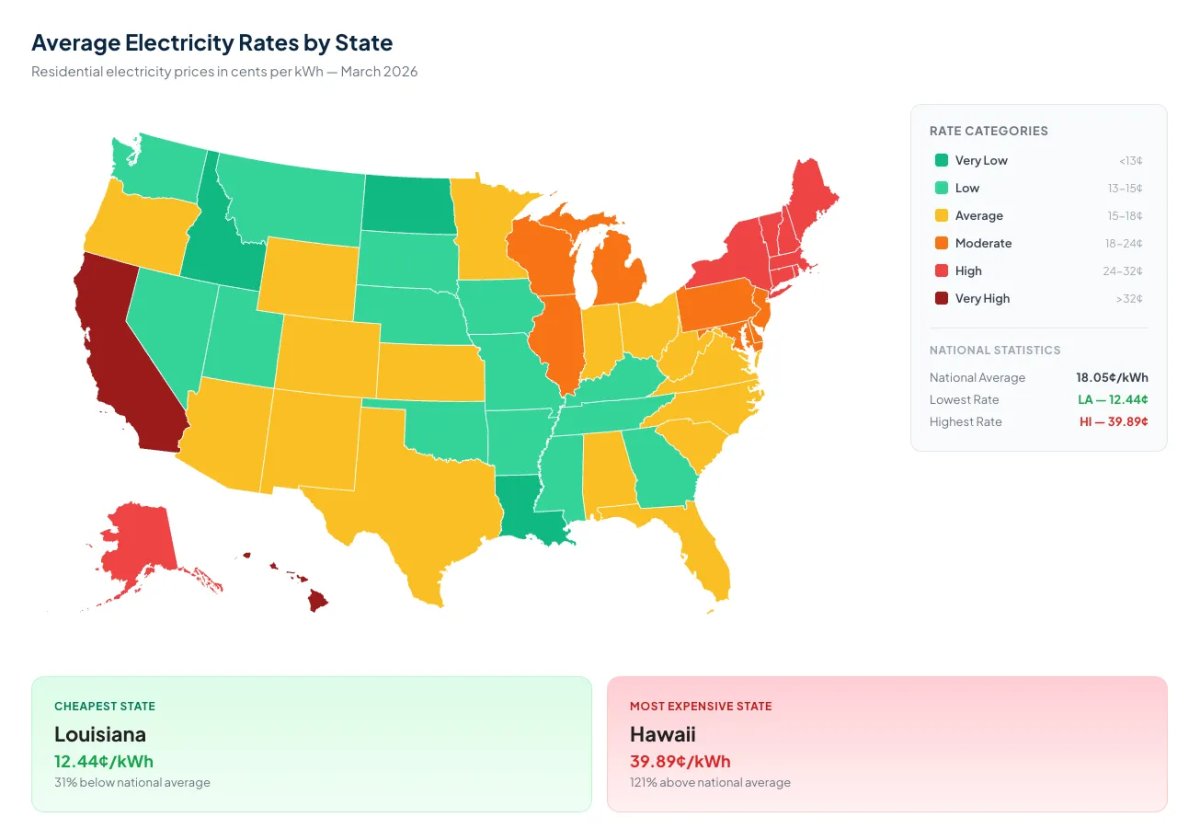
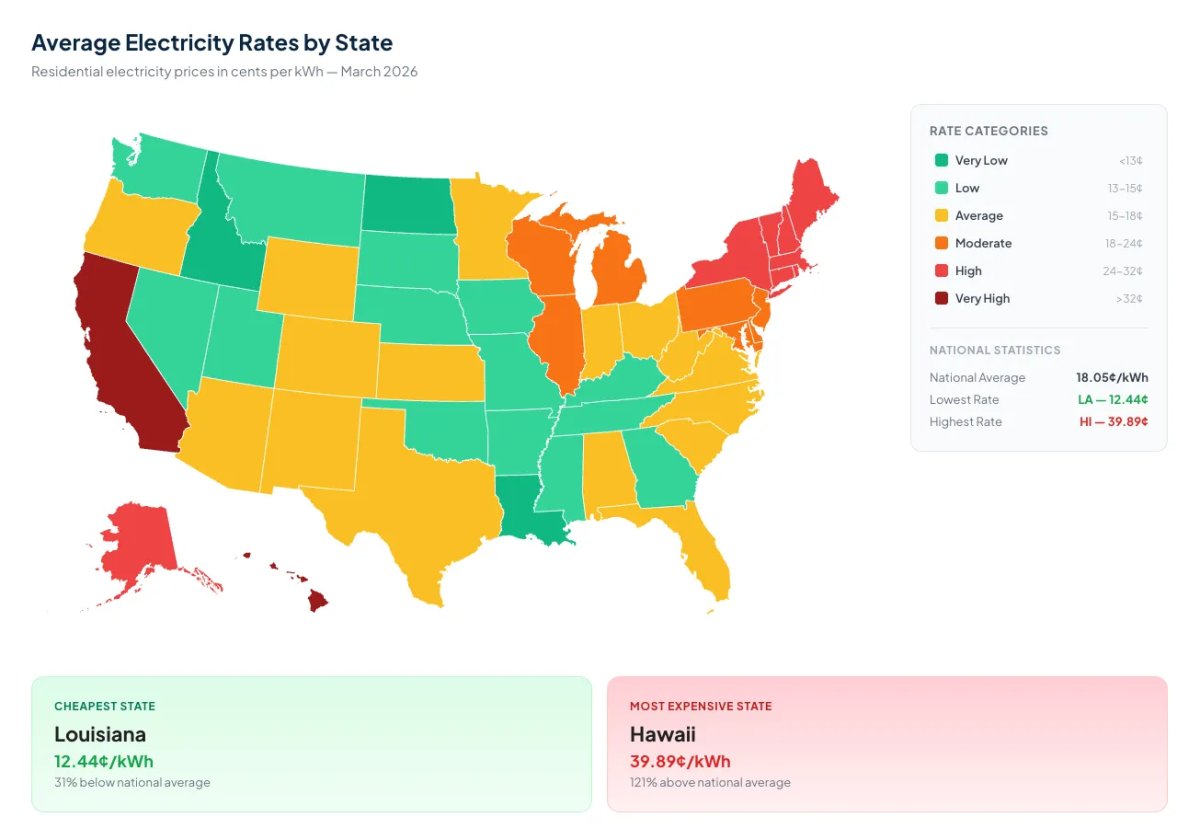
Tesla is officially teaming up with Google to tackle one of the fastest-growing bottlenecks in the tech sector: skyrocketing electricity rates and strained grid infrastructure.
According to an exclusive report from Axios (paywall), the two companies have joined forces to launch Utilize, a new industry coalition aimed at addressing energy affordability across the United States. As the rapid expansion of AI data centers and broader electrification efforts continue to push the lagging US power grid to its limits, the coalition is focused on tapping underused capacity rather than building new generation.
The Utilize Roster
Tesla and Google are bringing a series of partners with them to work on the hardware and infrastructure that impacts both large grid-scale projects and everyday consumers:
Carrier: The global air conditioning and HVAC giant.
SPAN: The smart electric panel company founded by former Tesla Energy executives.
Sparkfund: An energy technology deployment services firm.
Verrus: A data center facility developer.
Together, the group plans to work directly with state lawmakers, regulators, and utilities to rapidly adopt battery storage and distributed energy resources, prioritizing affordability, reliability, and speed.
$180 Billion Savings
The core thesis of the Utilize coalition is that the current grid is highly inefficient, and better utilization of existing resources can drastically lower consumer costs.
To back up this push, coalition officials plan to release upcoming research from The Brattle Group, which estimates that US consumers could save a staggering $180 billion over the next decade simply through grid system improvements.
“We recognize that there’s a need to prioritize affordability and do so in a way that really empowers states to make the best decisions,” said Ian Magruder, the executive director of Utilize.
Early Legislative Wins
The coalition isn’t just a research group, as it works to actively shape policy. Utilize is already making an impact in Virginia, a state that currently serves as the epicenter for the global data center boom.
The coalition members successfully helped usher a first-in-the-nation bill (SB621) through the Virginia legislature. The legislation requires major utilities to explicitly spell out exactly how much of their grid capacity is actually being used, and to incorporate those specific metrics into their State Corporation Commission plans and reviews.
The bill is currently awaiting the signature of Virginia Governor Abigail Spanberger. Once signed, Magruder noted that the coalition hopes to use the Virginia legislation as a regulatory model for the rest of the country.
Subscribe to our newsletter to stay up to date on the latest Tesla news, upcoming features and software updates.
March 10, 2026
By Nehal Malik
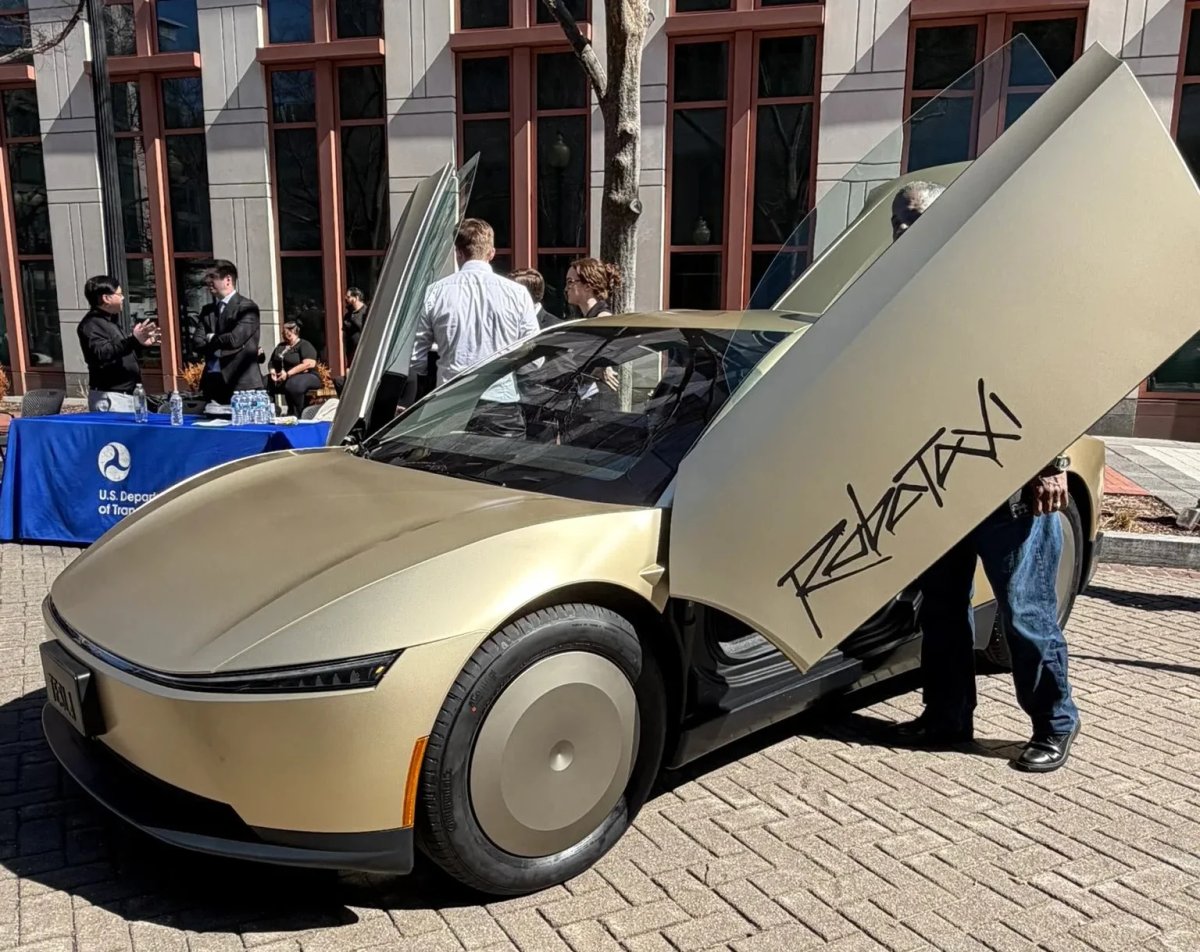
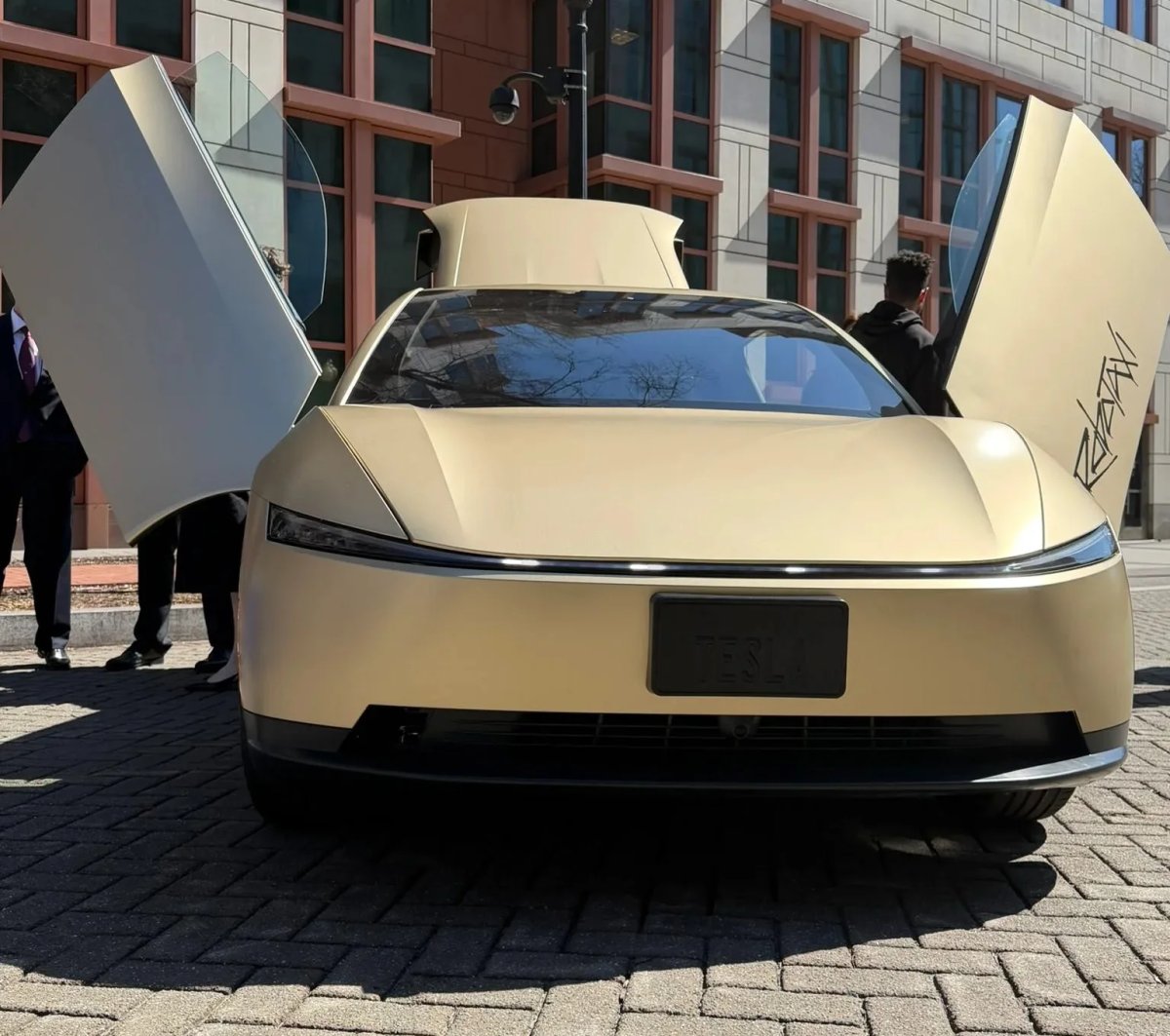
Tesla’s autonomous future just made a high-profile stop in the nation’s capital. For the first time ever, the company has put the production-ready version of its Cybercab on public display at the USDOT Headquarters in Washington, D.C., for the National Autonomous Vehicle Safety Forum.
The display allowed the public to sit inside and experience the cabin firsthand, according to @TeslaMaryland. This showcase marks a major shift from the validation units we’ve seen previously to a vehicle that looks ready for the assembly line.
The Tesla Robotaxi
The Cybercab is a purpose-built, two-seat electric vehicle designed to be the backbone of Tesla’s Robotaxi network. Unlike a standard car, it is engineered specifically for high-utilization ride-hailing. While owners will eventually be able to add their own vehicles to the fleet, the Cybercab is designed to scale the service quickly with an ultra-low cost of ownership.
 Cabin Camera, Interior Trunk Camera and More
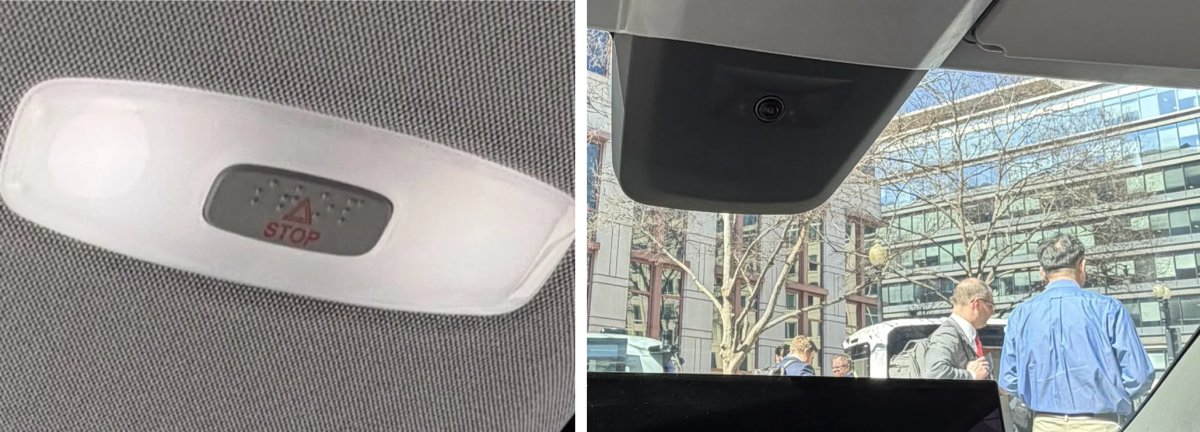
The production version on display at the DOT reveals several refinements over the original concept. One of the most striking updates is the screen — a roughly 21-inch display that is the largest ever fitted to a Tesla vehicle. The interior also features two USB-C ports in the center console and an unusually large interior camera.
Interestingly, while the earlier concept featured a carpeted rear storage area, the production version has swapped this for a more durable, non-carpeted material. The interior, however, is still carpeted but features ample legroom for even the tallest of riders. The cabin is also incredibly sparse; there are no steering wheels or pedals, with the only manual input being an emergency stop button located above the screen. There are also a couple of door release buttons located below the cupholders in the center console.
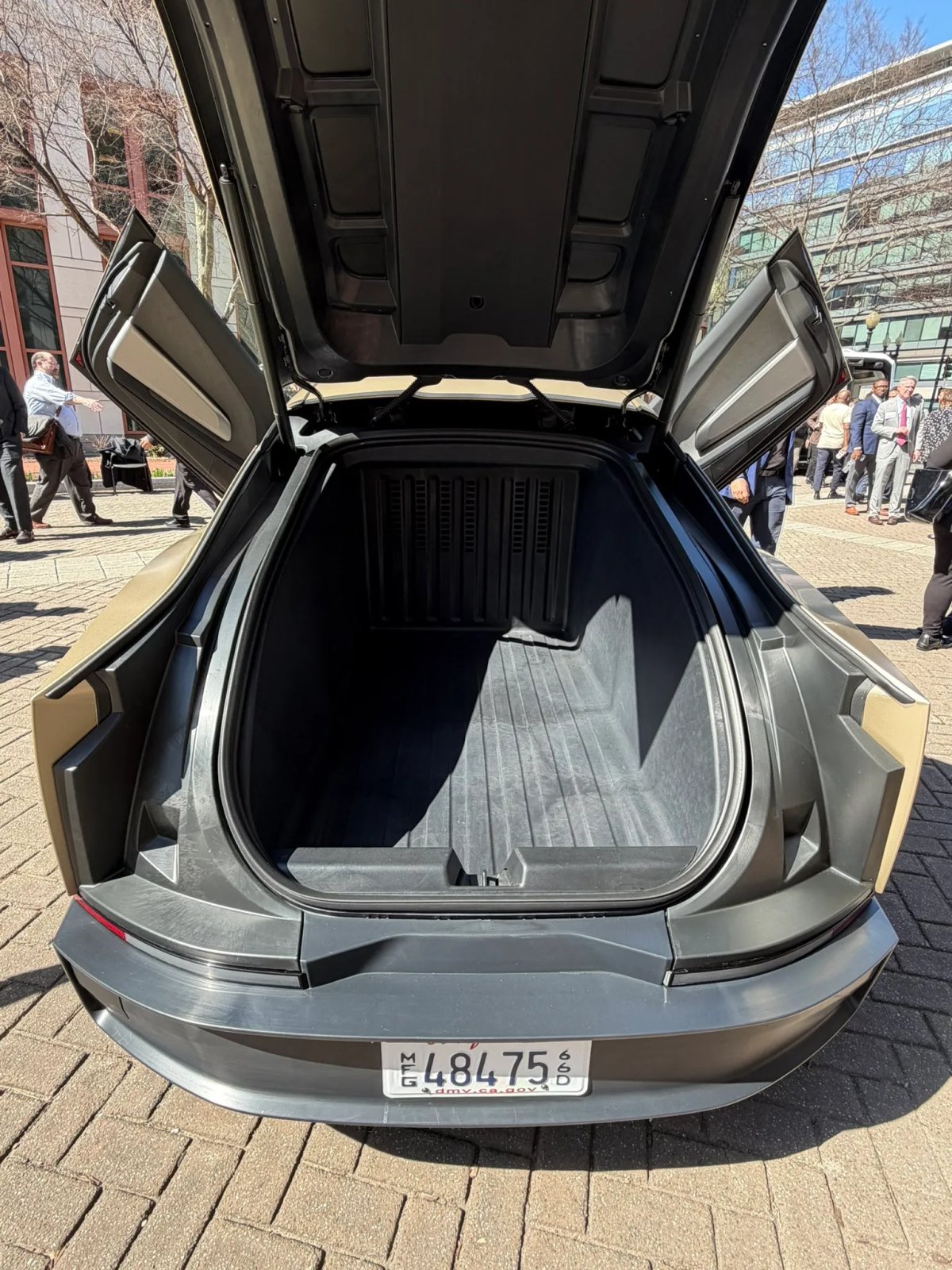
On the exterior, the headlights are now integrated directly into the front lightbar, creating a seamless look that differs from the Model Y’s layout. The vehicle also appears to feature a trunk camera — a first for Tesla — which could be used to ensure passengers don’t leave belongings behind. To ensure the Full Self-Driving hardware always has a clear view, the Cybercab is equipped with a high-pressure washer system for every external camera, powered by a dedicated tank and multi-port discharge system.
Cybercab Side and Rear camera washer operation. I captured this today as Cybercabs were being loaded onto transport trucks.
This is a good view of how these work! pic.twitter.com/jfLtkTHzZD
— Joe Tegtmeyer 🚀 🤠🛸😎 (@JoeTegtmeyer) March 10, 2026 Mass Production and Rollout
The Cybercab is central to Tesla’s pivot from a traditional automaker into an AI and robotics powerhouse. Mass production is officially slated to begin at Gigafactory Texas in April, with deliveries expected to ramp up in the following months.
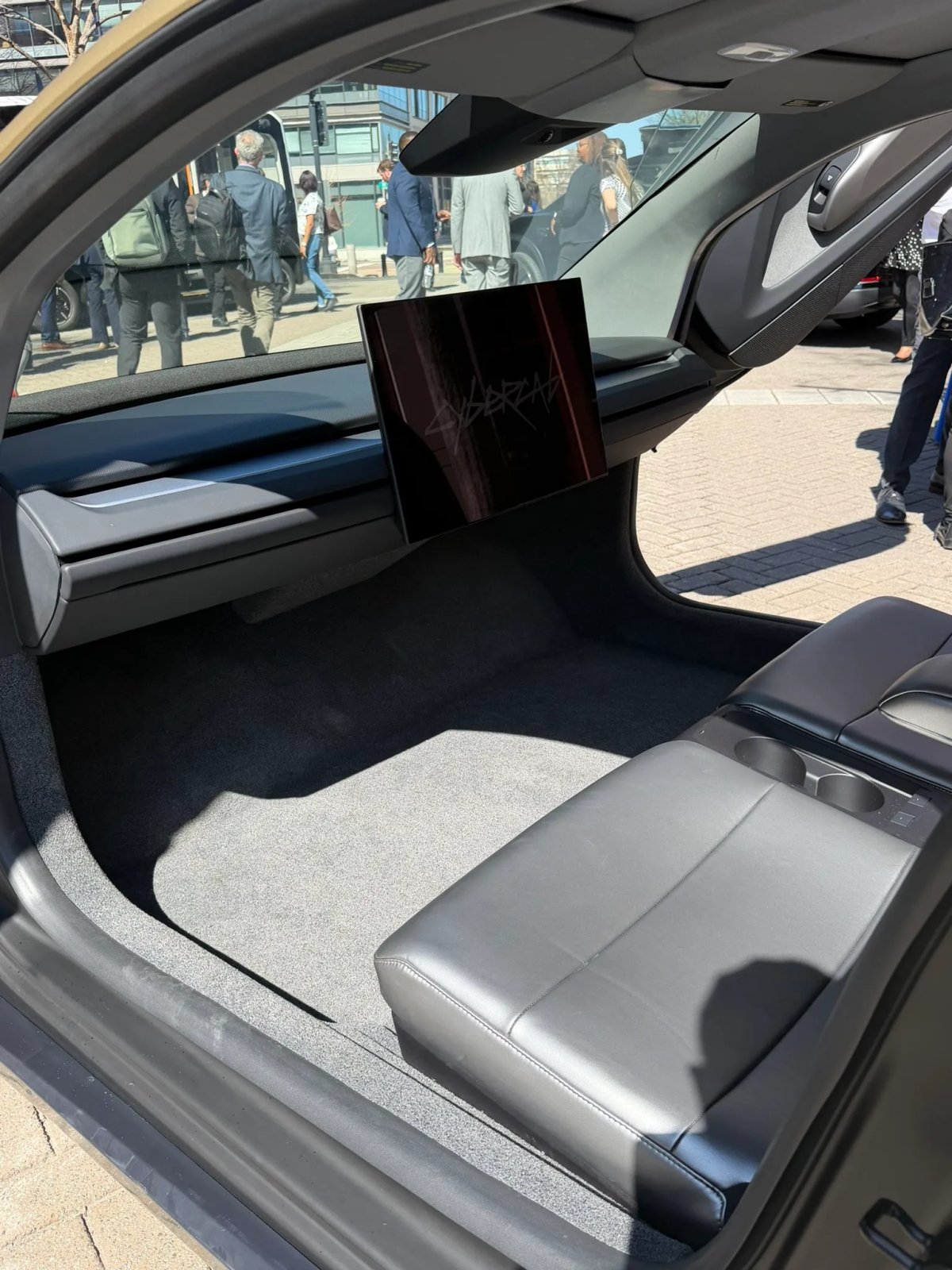
While the unit shown in D.C. lacks traditional controls, Tesla has acknowledged that early units might ship with steering wheels if regional regulations require them. Tesla does appear to be confident in its wheel-less design, however, especially since the company is already offering fully unsupervised Robotaxi rides in Austin. While the display model also still appears to have a concealed charging port, the ultimate goal is for the Cybercab to use wireless induction charging.
As Tesla moves toward this April production target, the D.C. showcase serves as a final “sanity check” for regulators and the public alike. The transition to a driverless society is no longer a “someday” project; for Tesla, it starts next month.
March 10, 2026
By Karan Singh
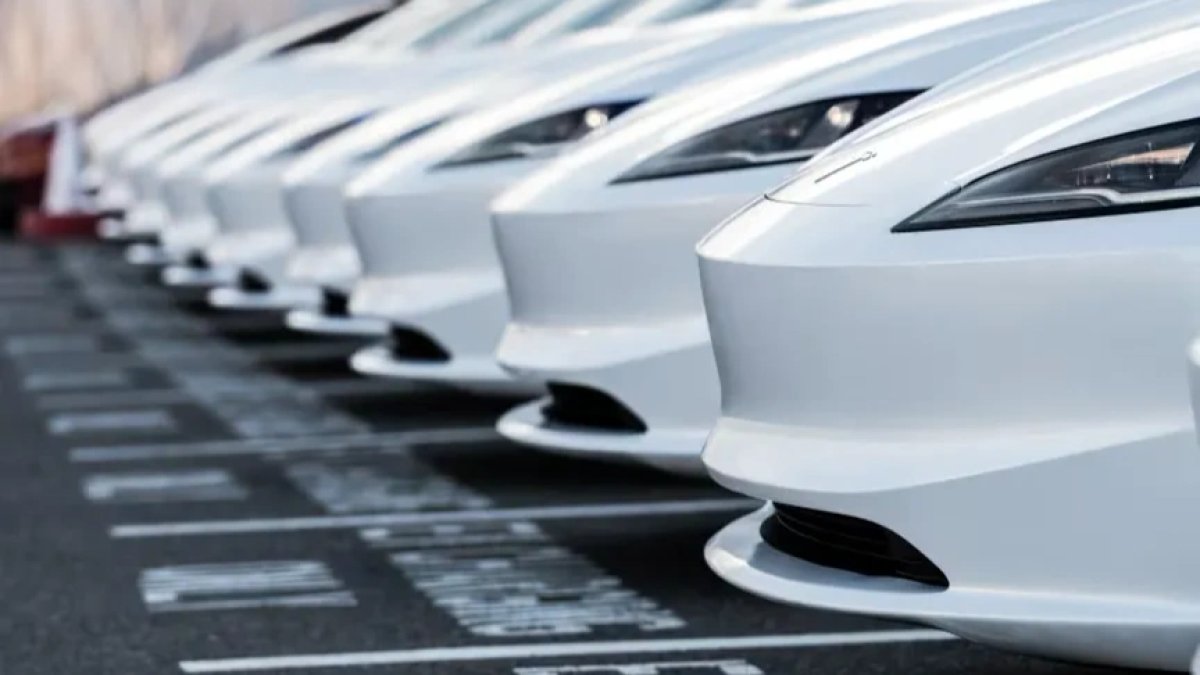
Bank of America has officially resumed analyst coverage on both Tesla and Rivian, and the resulting notes highlight a massive divergence in how Wall Street views the future of the two American EV makers.
While the bank is overwhelmingly bullish on Tesla’s software and robotics ambitions, it has issued a stark warning about Rivian’s near-term profitability amid changing regulatory headwinds.
Tesla: Autonomy & Robotics Upsides
Bank of America reinstated coverage on Tesla with a Buy rating and a highly optimistic $460 price target, while it traded today around the $403 mark. The core of BofA’s bullish thesis hinges not just on traditional vehicle manufacturing but also on Tesla’s massive lead in artificial intelligence and software.
The bank’s analysts specifically highlighted Tesla’s FSD as the leading consumer autonomy solution. BofA also noted that Tesla’s strict adherence to a camera-only approach – while technically more difficult to solve – is significantly cheaper to produce than the expensive, multi-sensor hardware suites used by the rest of the autonomous driving industry.
Because the hardware is cheaper, Tesla is well-positioned to scale its upcoming Robotaxi network far more profitably and quickly than its competitors. This strategy is continuously fueled by a massive and ever-growing data engine generated by the millions of Tesla vehicles already on the road today.
According to the bank’s estimates, the Robotaxi and autonomy business alone makes up roughly 52% of Tesla’s total valuation. Looking beyond the automotive sector, BofA also sees significant upside potential in the rapidly expanding Tesla Energy segment, as well as the commercialization of Tesla’s future humanoid robot, Optimus.
Rivian: Regulatory Headwinds and Cash Burn
The outlook from BofA on Rivian is drastically different. Bank of America reinstated coverage on the startup with an Underperform rating and a $14 price target. However, the stock is trading up 6% today, rising to almost $17, ahead of Thursday’s R2 event. The broader analyst consensus sits closer to $17.
The primary dividing line for BofA’s bearish stance is the rapidly changing regulatory landscape. According to the analyst note, Rivian’s fourth-quarter automotive revenue collapsed by 45% year-over-year. This drop was heavily driven by a massive $270 million collapse in regulatory credit sales, combined with softer demand for the flagship R1 following the expiration of the US federal EV tax credit in late 2025.
While Rivian has several major strategic moves in play, including the launch of the more affordable R2 platform, with deliveries targeted in Q2 2026, BofA remains skeptical.
The bank argues that the current regulatory backdrop makes near-term profit improvements highly unlikely, regardless of how well Rivian executes with the R2’s rollout. Ultimately, BofA notes that Rivian’s stock is currently priced for a financial recovery that the fading regulatory environment simply won’t deliver on schedule.