
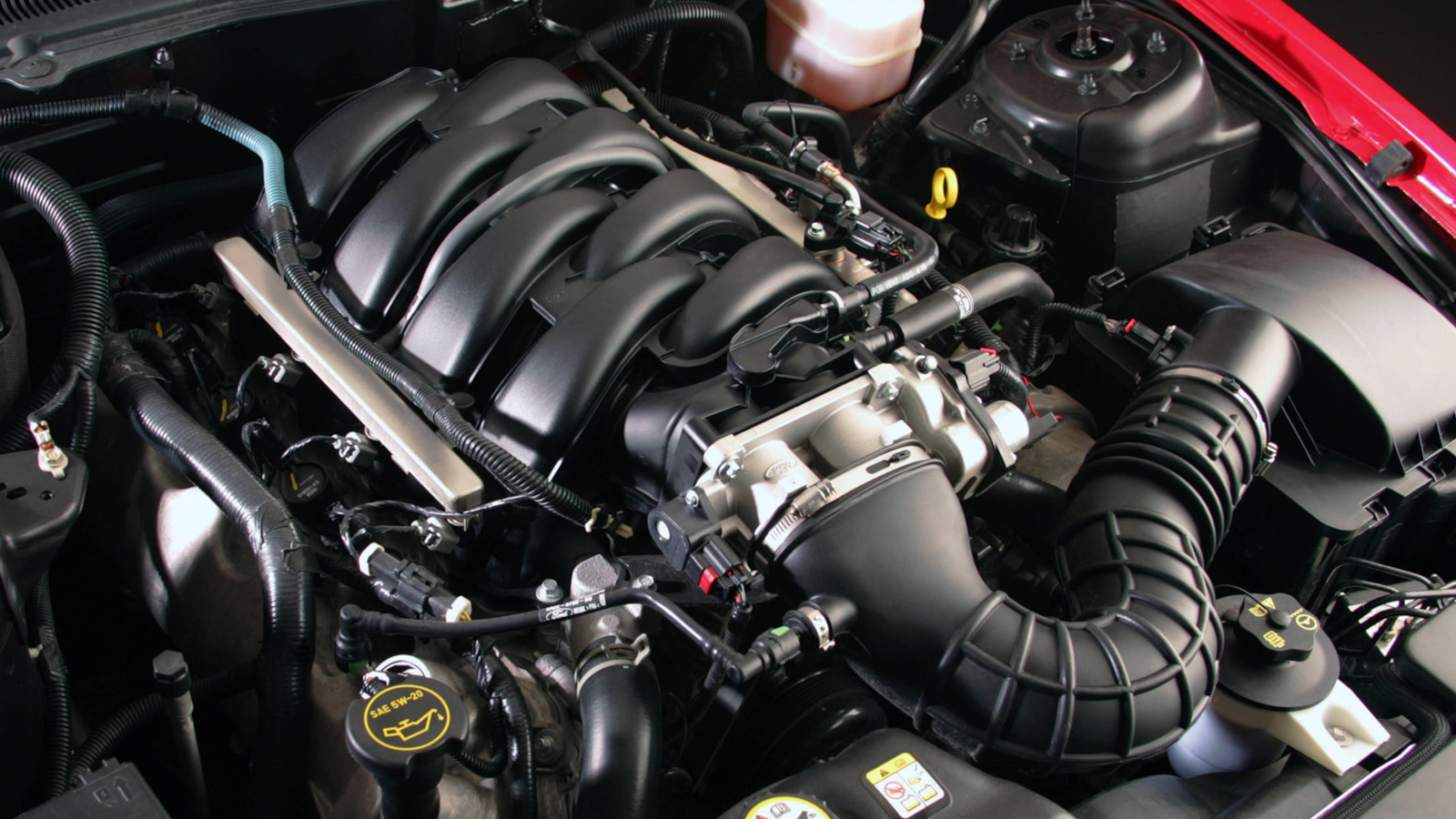
You can’t have an automobile without some sort of engine or electric motor, and this has been the case since the dawn of automotive engineering. While usually hidden beneath hoods, the engine is, arguably, the most important part of any given vehicle. While many folks forget about it, there are ways for automakers to showcase their engine-making abilities. The most prestigious honors given to automakers for great engines are Wards 10 Best Engines & Propulsion Systems and the International Engine of the Year Awards.
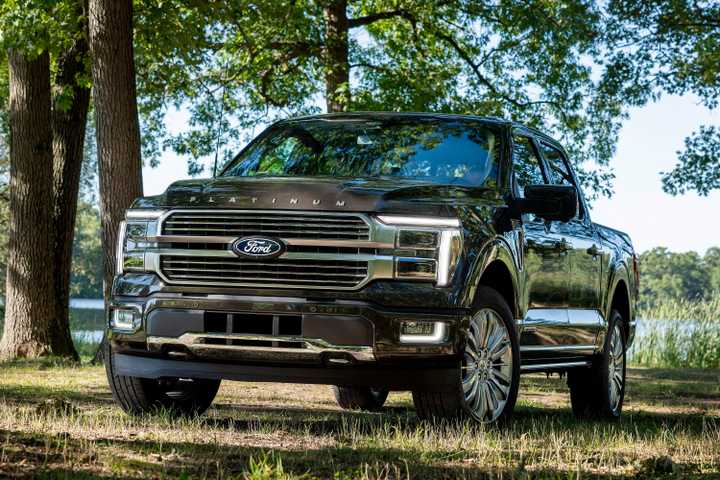
Base Trim Engine
2.7L EcoBoost V6 ICE
Base Trim Transmission
10-speed automatic
Base Trim Drivetrain
Rear-Wheel Drive
Base Trim Horsepower
325 HP @5000 RPM
Base Trim Torque
400 lb.-ft. @ 3500 RPM
Base Trim Fuel Economy (city/highway/combined)
17/25/20 MPG
Infotainment & Features
8 /10
.
In any competition, there are going to be winners as well as losers. However, when it comes to Ward’s 10 Best or the International Engine of the Year award, the defeated don’t even get a mention. While there are a good number of engines that have received praise on both coveted lists, one such V8 has won more awards on both than any other. The most decorated of these powerplants ever is Ford‘s Modular V8, and as we discuss below, there are more reasons than just one for the eight-pot’s supreme reign.
Related
13 Engines That Deserved To Stick Around For Longer
May they be remembered with appreciation, not sadness.
Humble Beginnings
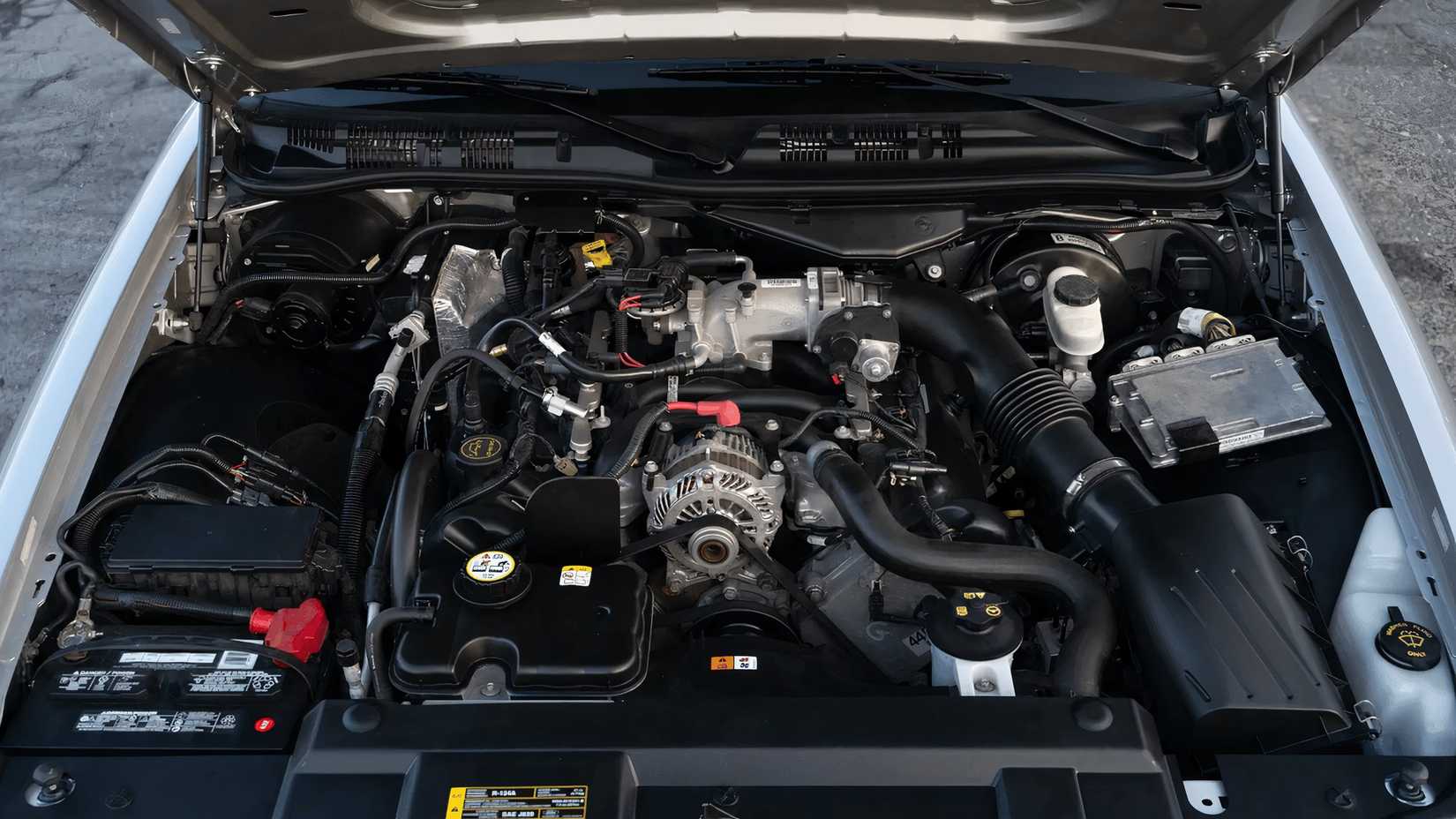
Under-hood shot of the Ford 4.6-liter modular V8 engineBring A Trailer
Ford Modular V8 Key Points
Introduced in 1991
Debuted in the 1991 Lincoln Town Car
Features a simple design that can carry over across multiple engine displacements
Earned a total of 12 mentions on Ward’s 10 Best Engines list over its lifetime so far
During the 1980s, Ford began taking an interest in streamlining and updating its then-aging lineup of V8 engines. Many of those ancient mills hadn’t been improved in ages and used designs from the early 1960s. Not to mention, many of these older units required their own specific tooling and production lines, which led to inefficient use of manpower, along with a loss of profit due to these overarching, unnecessary costs.
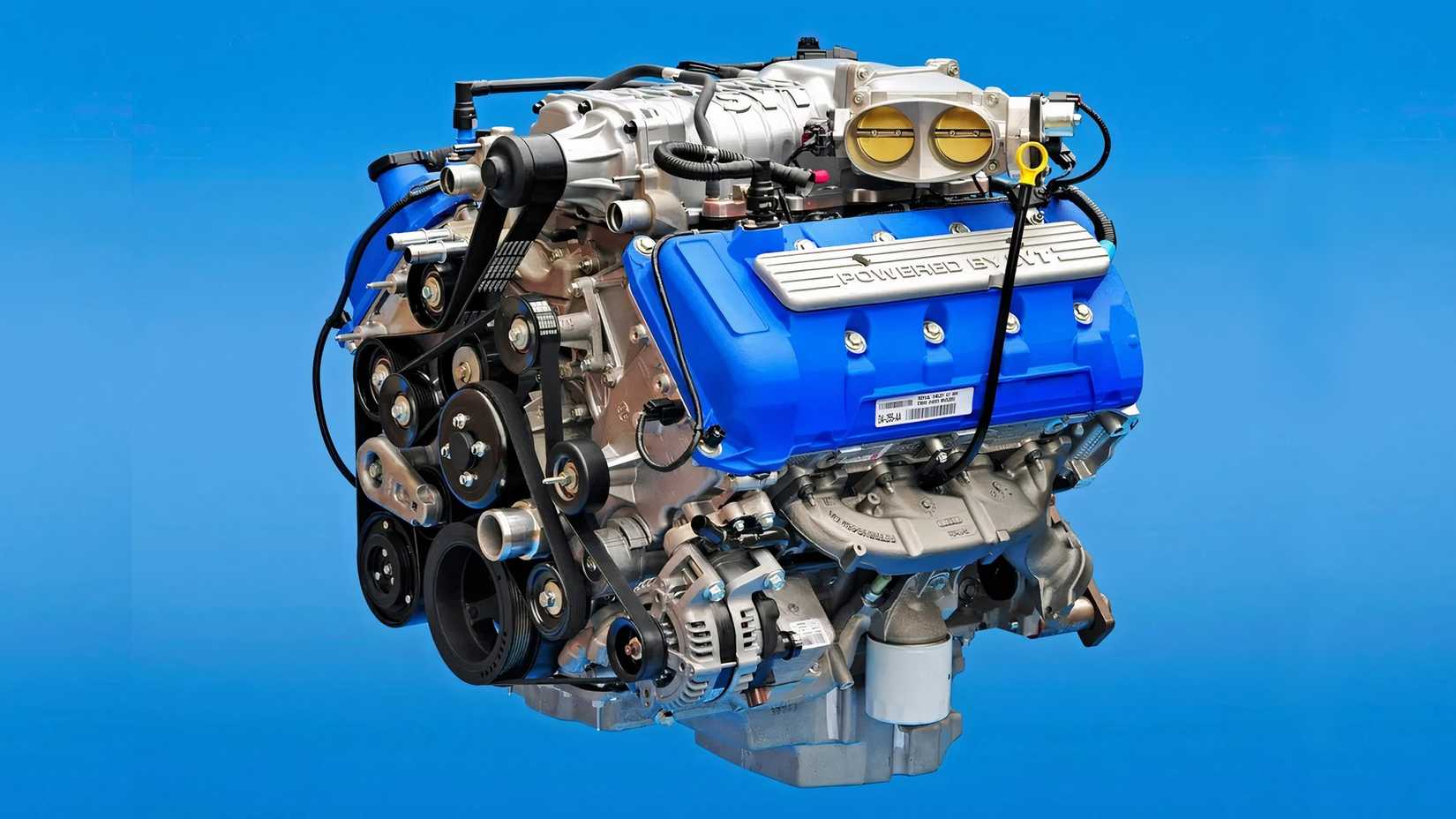
Ford Modular V8 engine, closeup of blockVia: Ford
To address the issue, Ford commissioned senior engineer Jim Clarke to come up with a new V8 engine design that was cheaper to produce, simpler in design, and more robust in construction than the V8s the powerplant replaced. After an extensive period of study, wherein Clarke and his team extensively researched Japanese and European engines, the first iteration of the Ford Modular V8 was ready for use: a 4.6-liter V8.
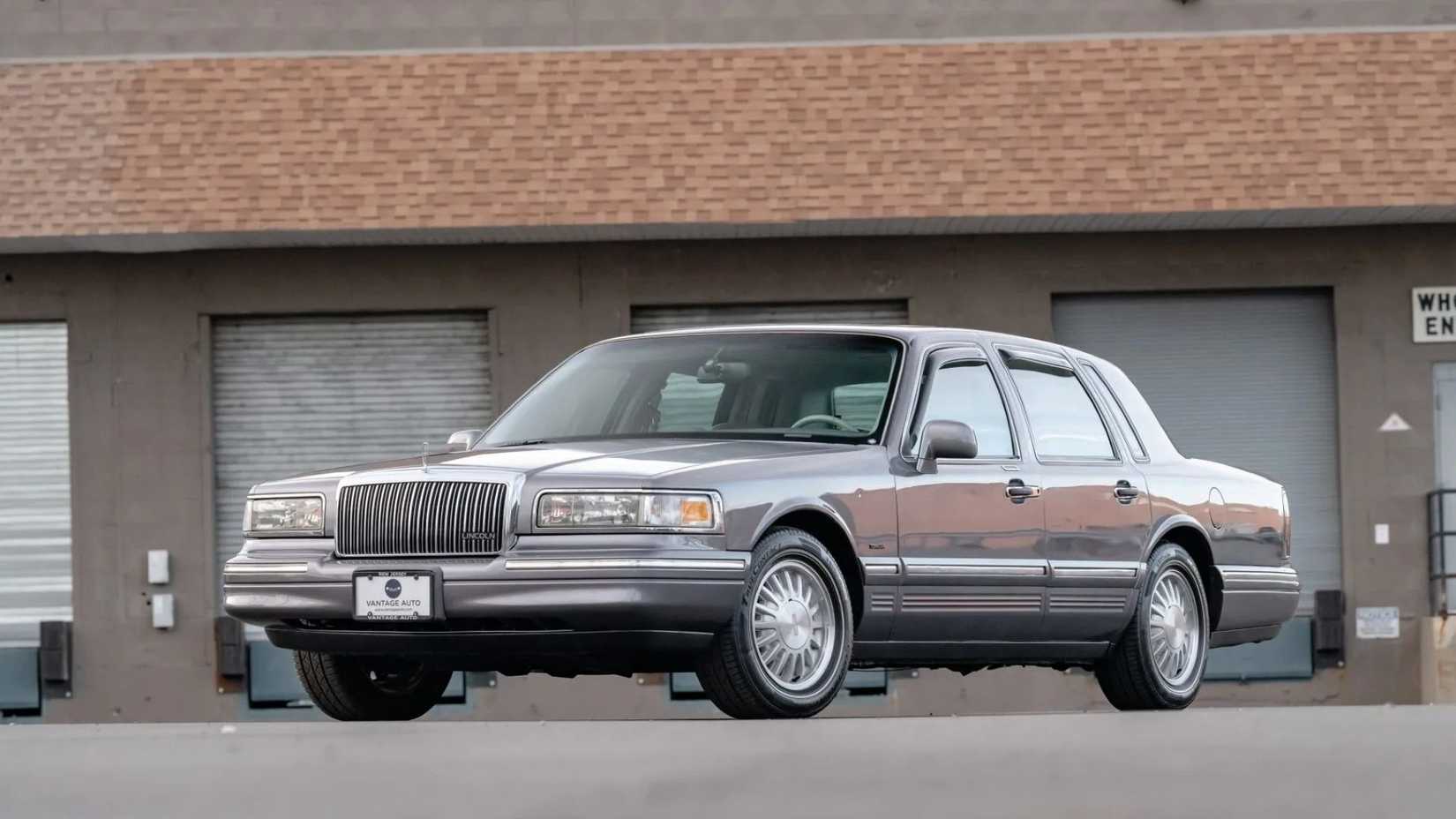
The 1995 Lincoln Town Car, just your average American sedan. Bring A Trailer
This new engine embodied all of Ford’s requirements for its new powerplants, along with a good amount of smoothness in its operation. The powerplant was also extremely efficient and exceeded federal emissions regulations in place at the time. Its debut, taking place in the 1991 Lincoln Town Car, was a hit, and the mill earned a first mention in Ward’s 10 Best Engines five years later, the first of 12 such mentions that would span the next 34 years.
Detailed Specs & Features Of The Original 4.6L Modular V8
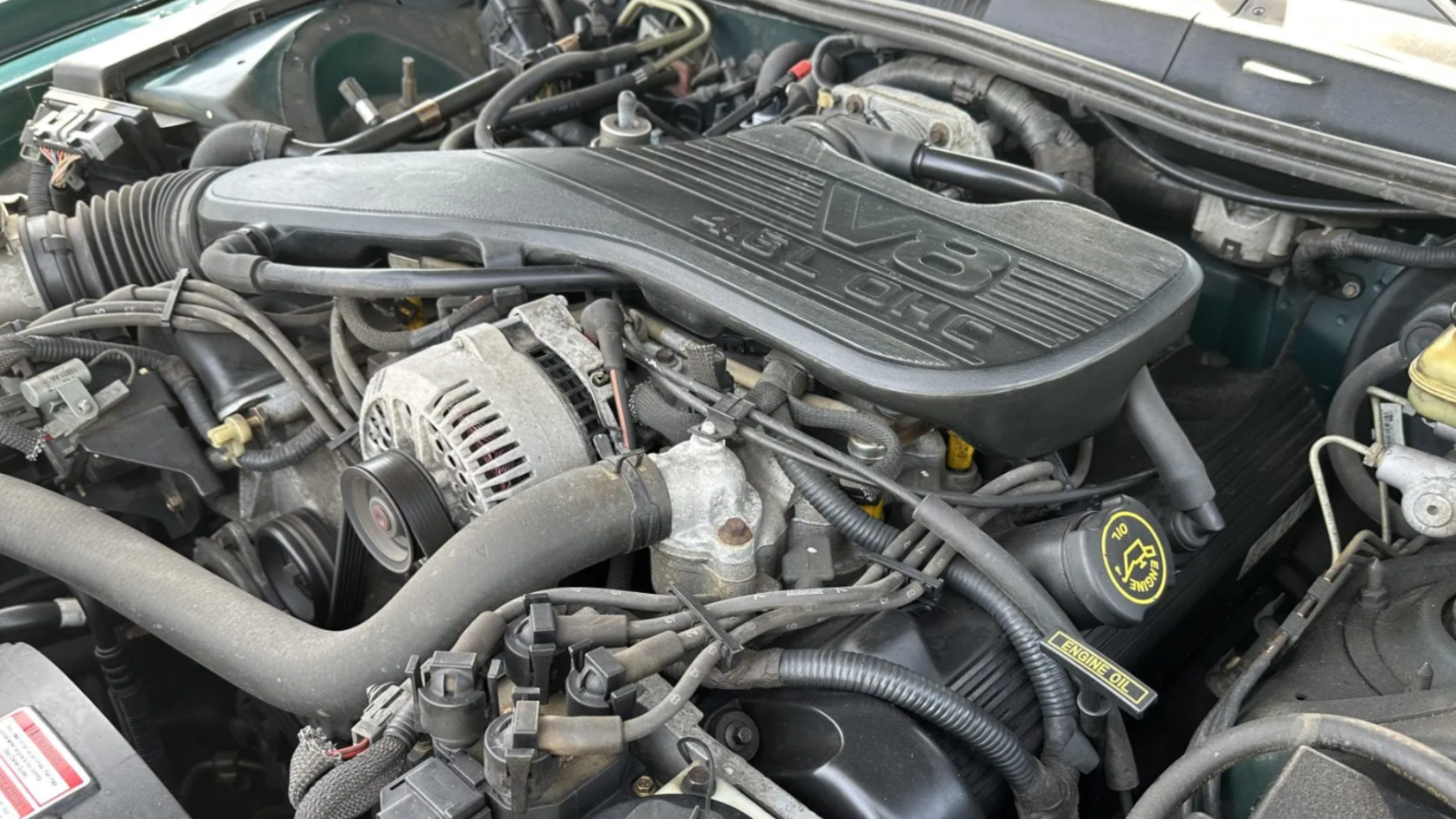
1995 Ford Thunderbird LX 4.6L Modular V8 EngineBring a Trailer
Because the Modular V8 was a clean-sheet engine design, the 4.6-liter shared no similarities with the engines it replaced. One of the hallmarks of the new Modular mill was its square cylinder configuration, meaning both the bore and stroke are nearly identical in measurement. This design lends itself to a smoother-than-normal operation, making the powerplant a great motor for luxury cars like the Lincoln Town Car. However, the engine also had fewer parts than previous units, meaning repairing it was much simpler.
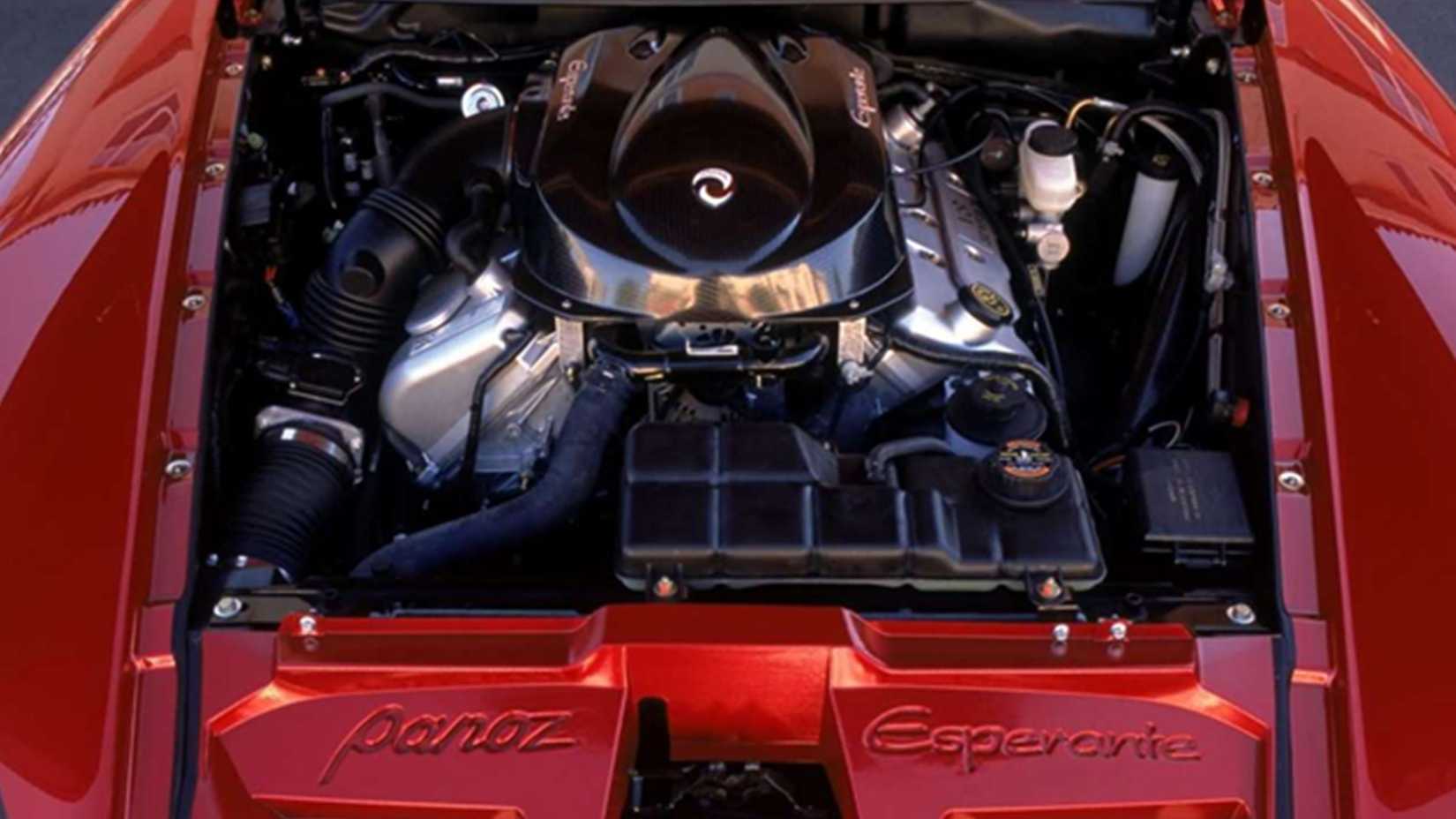
2004 Panoz Esperante Ford 4.6L NA Modular V8 EnginePanoz
From the outset, the Modular 4.6-liter was an understressed engine. The design made it better equipped to run longer than powerplants that are more stressed. This nature made the mill a favorite among fleets, namely police forces that utilized the Ford Crown Victoria – a full-size sedan – in large numbers across the United States. Another plus for fleet sales was the 4.6-liter’s ease of repair and inexpensive parts.
The modular design let Ford adapt the engine to larger or smaller displacements and even different numbers of cylinders without needing to retool an entire factory. The situation also meant that workers didn’t need extensive training on the assembly line to build different versions of it. Ford made six and 10-cylinder configurations over the years.
We outline the original, 1991 version of the Ford 4.6L Modular V8’s detailed specs in the table below:
Horsepower
190 hp
Torque
260 lb-ft
Cylinder Bore
90.2 mm
Piston Stroke
90.0 mm
Cylinder Head Material
Aluminum
Engine Block Material
Cast iron
The Modular Engine Family
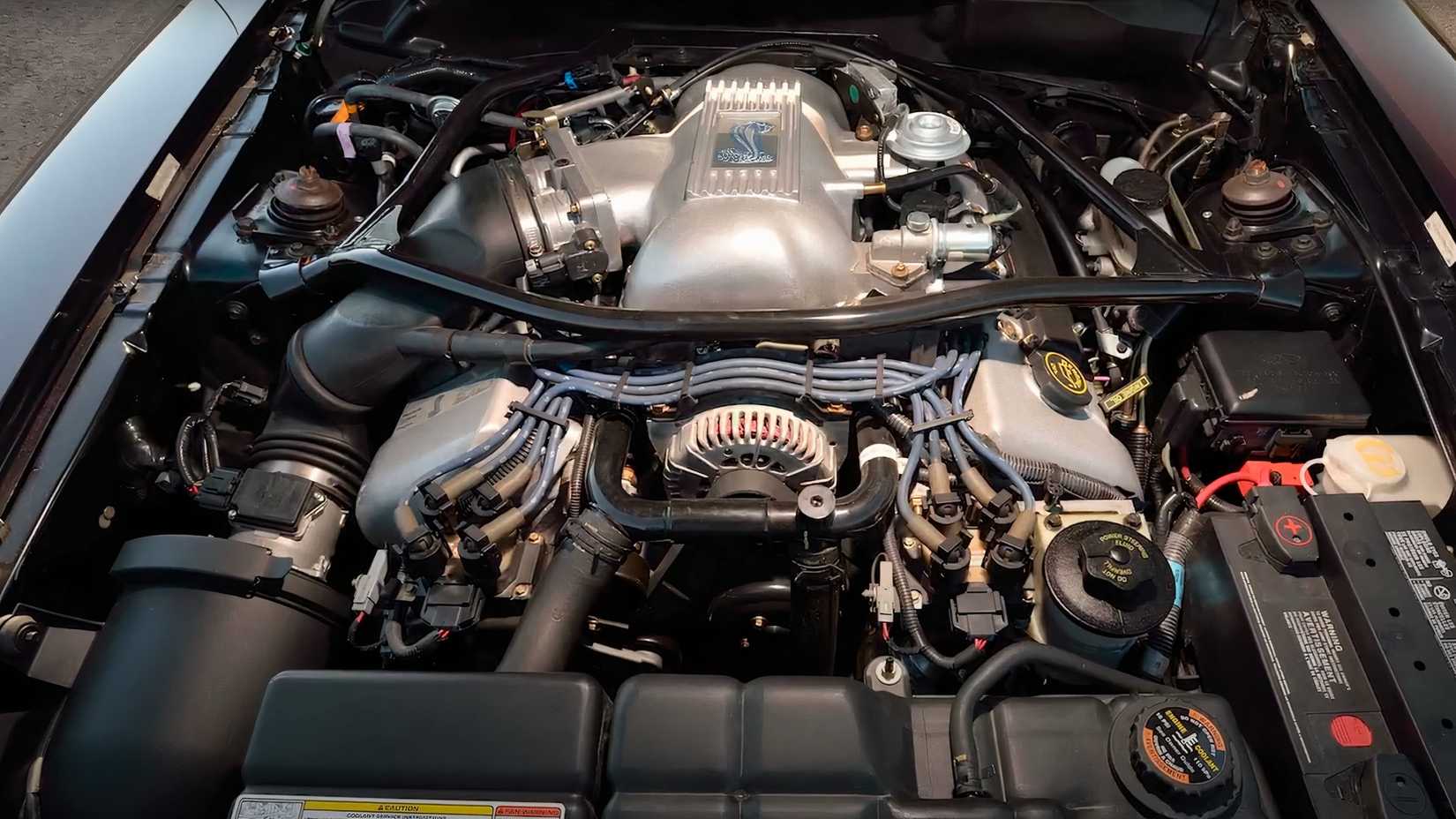
1995 Spectre R42 4.6L NA Ford Modular V8 EngineYT: Chris VS Cars
Over the last 34 years, Ford’s Modular V8 has taken on many names and faces. What started as a 4.6-liter V8 blossomed into a multi-generation engine design that boasts mainly eight-cylinder designs, with a V10 version thrown in there, as well. We lay out each of the Modular versions below:
4.6L V8 (1991–2014)
The original Modular V8, introduced in 1991. It’s the most famous of the Modular engines, and remains one of the most sought-after mills on the market for its dependability, ease of repair, low entry price, and loads of inexpensive parts. The 4.6-liter iteration spent a large chunk of its life powering the Ford Crown Victoria, a model that saw extensive use in America’s police forces, taxi companies, and other government agencies. The final 4.6-liter Modular V8 was installed in a 2014 Ford E-Series van.
5.0L Coyote V8 (2010–Present)
It can be argued that the 4.6-liter’s spiritual successor is the 5.0-liter Coyote V8, a mill that was first introduced in 2010 for the then-new fifth-gen Ford Mustang. The Coyote V8 is still in production today, and has been regarded as a fairly reliable engine, although not to the same level as the original 4.6-liter Modular engine. The vast majority of Coyote V8s are in Mustangs and F-150s, with some also in other brands’ models, such as the TVR Griffith and the De Tomaso P72.
5.2L Voodoo V8 (2015–Present)
The Voodoo iteration of the Modular V8 debuted in 2015 under the hood of the Mustang Shelby GT 350 and GT 350R. The hot Mustang was a track-focused, high-revving version of the normal Mustang. Interestingly, the Voodoo engine took advantage of a flat-plane crankshaft, an attribute mainly seen in European V8s. A flat-plane crank lends itself to higher revs and horsepower at the expense of torque. Until the introduction of the 8,600-rev General Motors LT6 V8, the Voodoo mill was the highest-revving American V8, with a maximum rpm limit of 8,250. Other versions of the Voodoo V8 are the Carnivore, Predator, and the Aluminator 5.2 XS.
5.4L Triton V8 (1997–2014)
The troubled child of the Modular V8 engine family is the 5.4L Triton V8. When it was first introduced in 1997, it was largely meant to take the place of the 351-cubic-inch (5.8L) V8 found within Ford’s heavy-duty pickup trucks throughout the 1970s, ’80s, and ’90s. However, the Triton has issues with its timing chain, spark plug seats, and exhaust manifold gaskets. The mill was also prone to oil consumption, which could be severe in some cases.
5.8L Trinity V8 (2013, 2014)
The least-known member of Ford’s Modular engine family is the 5.8-liter Trinity iteration, produced for only two years. The mill took some components from the Ford GT’s 5.4-liter engine, along with taking on a larger displacement. The mill was only featured within the supercharged Ford Shelby GT500 Mustang, and was retired after the 2014 model year.
6.8L Triton V10 (1997–2019)
The only member of the Modular engine family to deviate from the eight-pot formula was the 6.8L Triton V10. It was introduced alongside the 5.4L Triton V8, and bore many similarities to the aforementioned mill. In essence, the Triton V10 was the heavier-duty version of the Triton motor subfamily, and was also meant to compete with Dodge’s V10 that was in production at the time. The Triton V10 also had its share of issues, much like its sibling, including spark plug sockets that would basically weld plugs into the cylinder heads, along with stick exhaust manifold bolts.
Losing Ground To Turbos And Hybrids
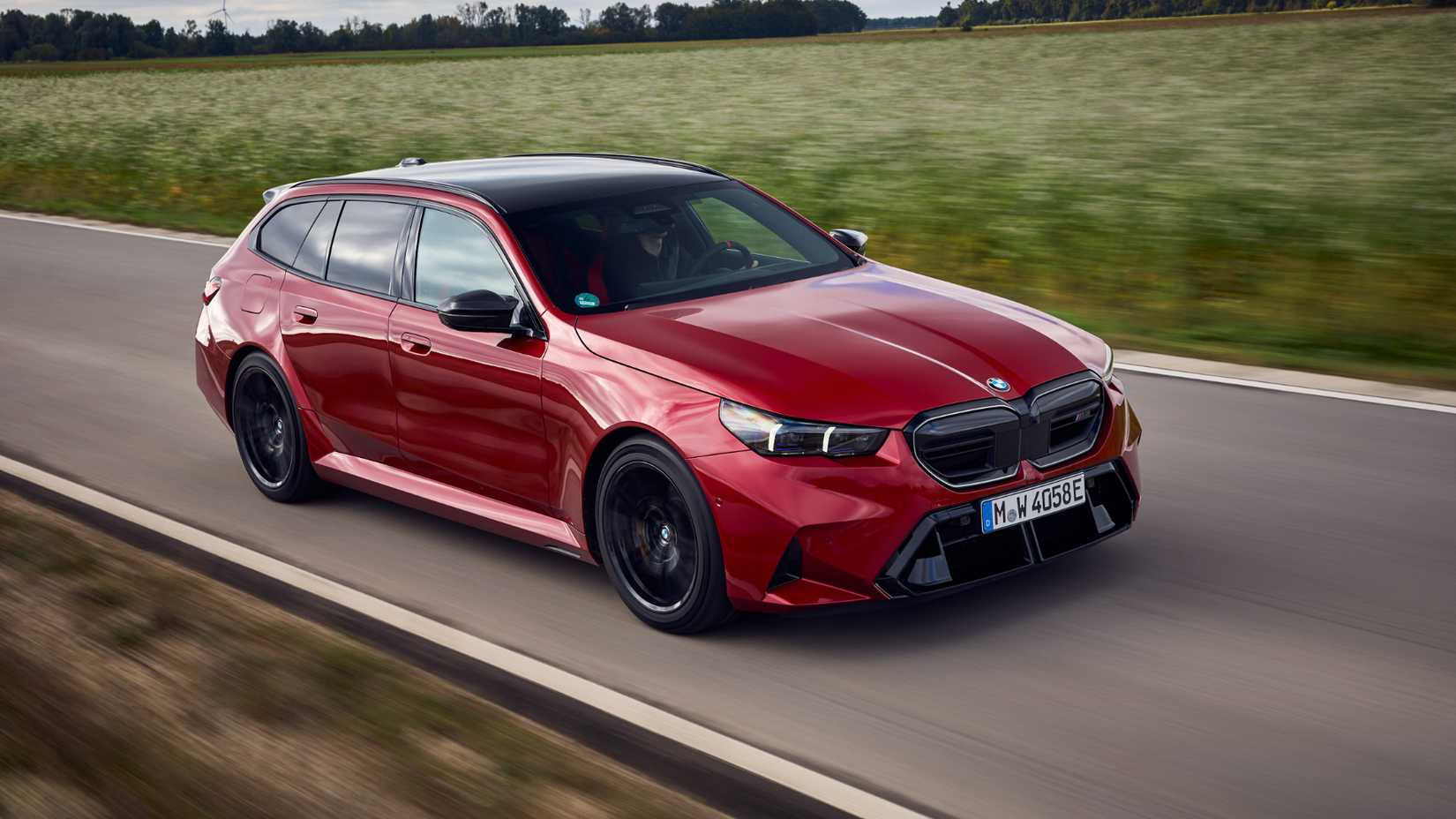
2026 BMW M5 Touring driving front 3/4BMW
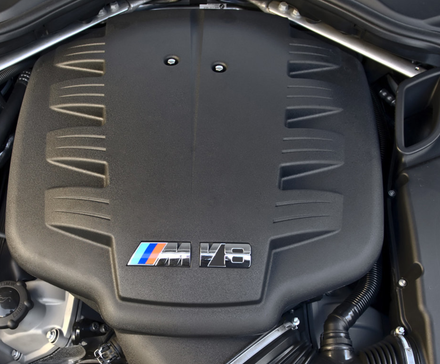
Ford’s famous V8 is losing ground to turbocharging and plug-in hybrid systems. As you might have heard, the twin-turbocharged inline-six is very much in vogue. Automakers are making a massive shift toward downsizing because it’s easy to get more power and less consumption from a turbocharged inline six.
The automakers still building mainstream V8s are bolting them to electric motors. The winner in this particular category is the BMW M5 and its 4.4-liter PHEV unit. It gives you more than 700 horses, and a claimed fuel consumption of 50 MPGe on the combined cycle.
Sources: Ford