*This content was translated by AI.
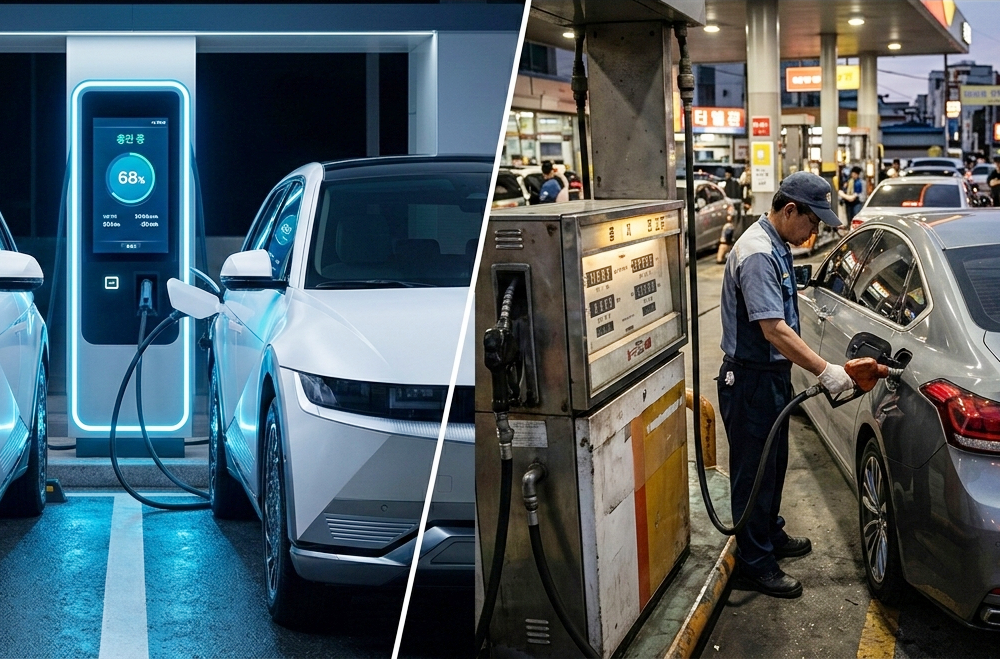
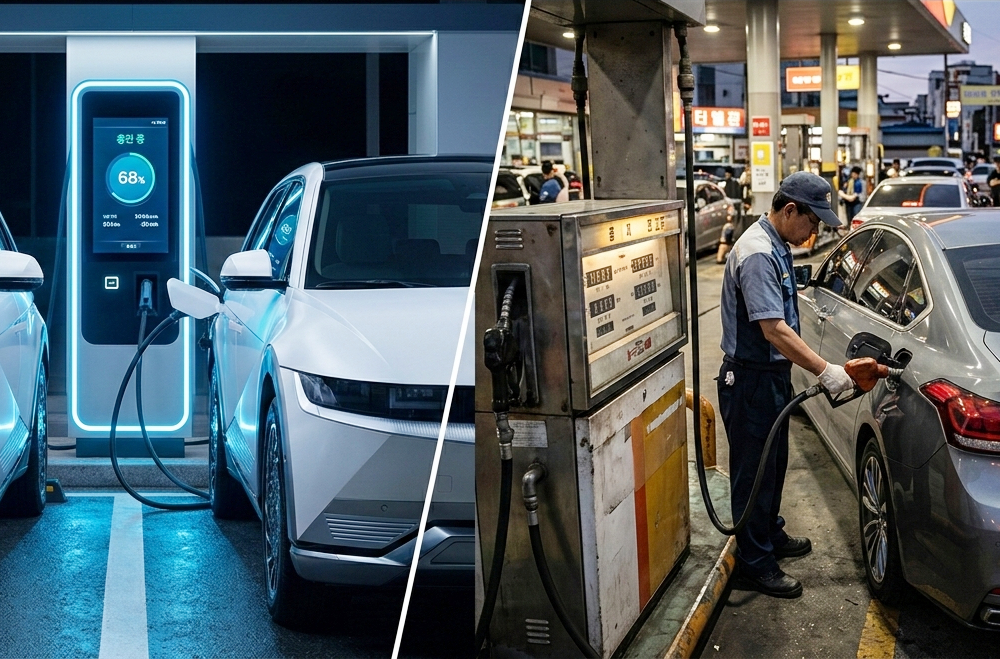 (Seoul = News 1) Reporter Kim Min-ji = According to the 2026 budget announced by the Ministry of Strategy and Finance on the 29th, if you purchase an electric vehicle from next year, you will receive up to 4 million won in support. Existing purchase subsidies of 3 million won will be maintained, and conversion subsidies of up to 1 million won will be added if the internal train is scrapped or sold and replaced with electric vehicles. The total budget for related subsidies has also been expanded from 1.5 trillion won to 1.6 trillion won. The photo shows an electric vehicle charging station in Seoul this afternoon. 2025.8.29/News1 Copyright © News1. All rights reserved. Unauthorized reproduction and redistribution, prohibition of using AI learning. /Photo = (Seoul = News 1) Reporter Kim Min-ji
The average price of gasoline and diesel nationwide has topped 1,900 won per liter as international oil price instability has been immediately reflected in domestic retail prices in the past 15 days. Looking at the oil price trend based on Opinet as of the 10th, the prevailing analysis is that the household burden of internal combustion engine drivers has reached a critical point in some areas of Seoul and the metropolitan area, with gas stations already approaching the 2,000 won mark. Amid this high oil price trend, a paradigm shift to electric vehicles is being detected from the perspective of total cost of ownership (TCO), a key indicator of car purchase and possession.
The biggest variable in the economic comparison between traditional internal combustion locomotives and electric vehicles (BEVs) is the break-even point, which is the offset point of initial purchase price and maintenance cost. It was found that it usually takes more than five years to recover the high vehicle price of electric vehicles as fuel cost savings in the mid-1600 won-per-liter situation. However, the situation changes rapidly if oil prices are re-calculated based on 1,950 won, which is in the mid-1,900 won range. The annual fuel cost of gasoline models based on mid-sized sedans that drive 20,000 kilometers per year is about 3.25 million won, while the annual charging cost of electric vehicles with fast charging charges (about 347 won per kWh) by the Ministry of Environment is only about 1.39 million won.
The simple fuel cost calculation alone will lead to a gap of about 1.86 million won per year, and the annual operating cost difference will exceed 2 million won if the annual single car tax benefit granted to electric vehicles and the reduction in consumables such as engine oil and filters are added. If this is expanded to a five-year holding standard, internal combustion locomotives have to pay about 16.25 million won for fuel, but electric vehicles can be defended at less than 7 million won. As a result, even if the vehicle price differs by about 13 million won, the TCO reversal considering various tax benefits and maintenance costs will occur between 3.5 and 4 years, one to two years earlier than previously predicted.
The recent fluctuations in oil prices over the past 15 days have given internal combustion engine users the risk of cost unpredictability. Oil prices fluctuate more than 10% to 20% in a short period of time depending on international circumstances and exchange rates, but electric vehicle charging rates have limited short-term fluctuations due to the nature of the public rate system. In particular, if slow charging called “house-cooked meals” is actively used, the cost per kWh can be lowered to the early 200 won range, creating an economic moat that can reduce fuel costs by up to a quarter compared to internal combustion engines. As high oil prices become more fixed, electric vehicles are proving to be more valuable as a practical means of controlling household spending than just eco-friendly means of transportation.
In conclusion, under the current 1,900 won oil price scenario, the higher the mileage and the longer the holding period, the greater the TCO advantage of electric vehicles. Consumers are now faced with a time when the top priority is not only the appearance or brand power of the vehicle, but also the cost structure that can respond to rapid changes in the external energy environment. With the 2,000 won oil price era in sight, the cost-effectiveness logic of internal combustion locomotives is gradually losing power, and electric vehicles are rapidly breaking down the barriers to initial cost with overwhelming efficiency in the operating stage.
<© STARNEWS. All rights reserved. No reproduction or redistribution allowed.>
*This content was translated by AI.