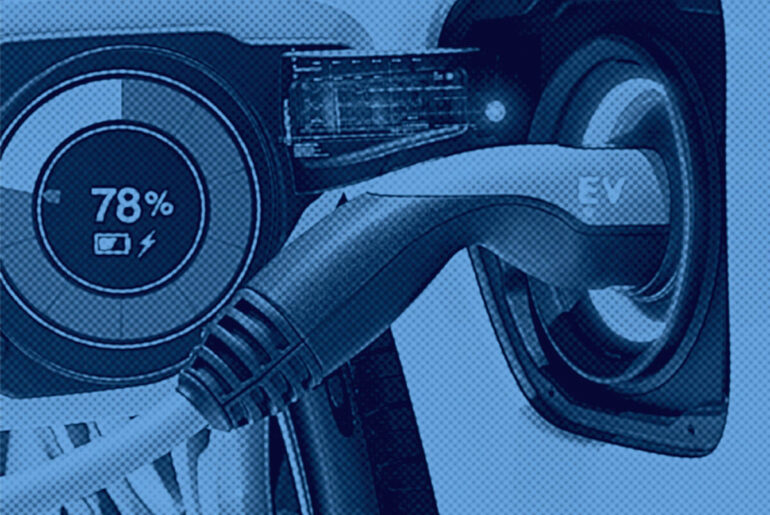
Although EVs have come an extremely long way in how far they can go, and how quickly they can charge, they still have a couple of weak points. The public fast-charging infrastructure, which is key to making EVs usable over long distances, is still a work in progress. Towing is also a difficult task, not because of a lack of grunt, but because the drag and weight a trailer adds decimates available range and exacerbates fast-charging issues.

Related
Extended Range Electric Vehicles: What EREVs Look Like In 2025
There are many different types of hybrids about – but an EREV might be the least talked about. This is all you need to know about range extenders.
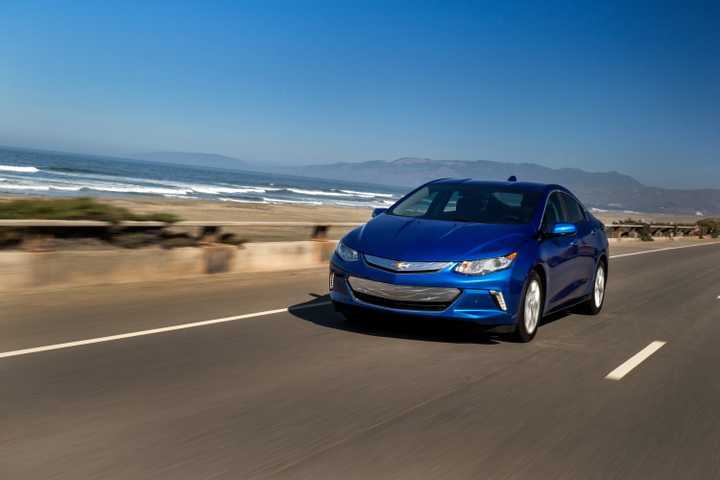
So, as a way to bridge the gap between EV performance and capability, and internal-combustion range and re-fueling convenience, a number of automakers are creating what are referred to as extended-range EVs, or EREVs. They feature a combustion engine solely to create electricity for the electric powertrain, with no way to connect the engine directly to the wheels. This distinction is what separates these vehicles from current and past plug-in hybrids such as the Chevy Volt and Mitsubishi Outlander Plug-in Hybrid.
There are a number of EREVs coming from a few different automakers, and we’ve gathered them together here to give you a look at what’s coming.
Base Trim Engine
1.5L Inline-4 Plug-in Hybrid
Base Trim Transmission
Single Speed Automatic
Base Trim Drivetrain
Front-Wheel Drive
Base Trim Horsepower
149 hp
Base Trim Torque
294 lb-ft @ -TBD- rpm
Fuel Economy
43/42 MPG
Infotainment & Features
8 /10
2026 Jeep Grand Wagoneer REEV
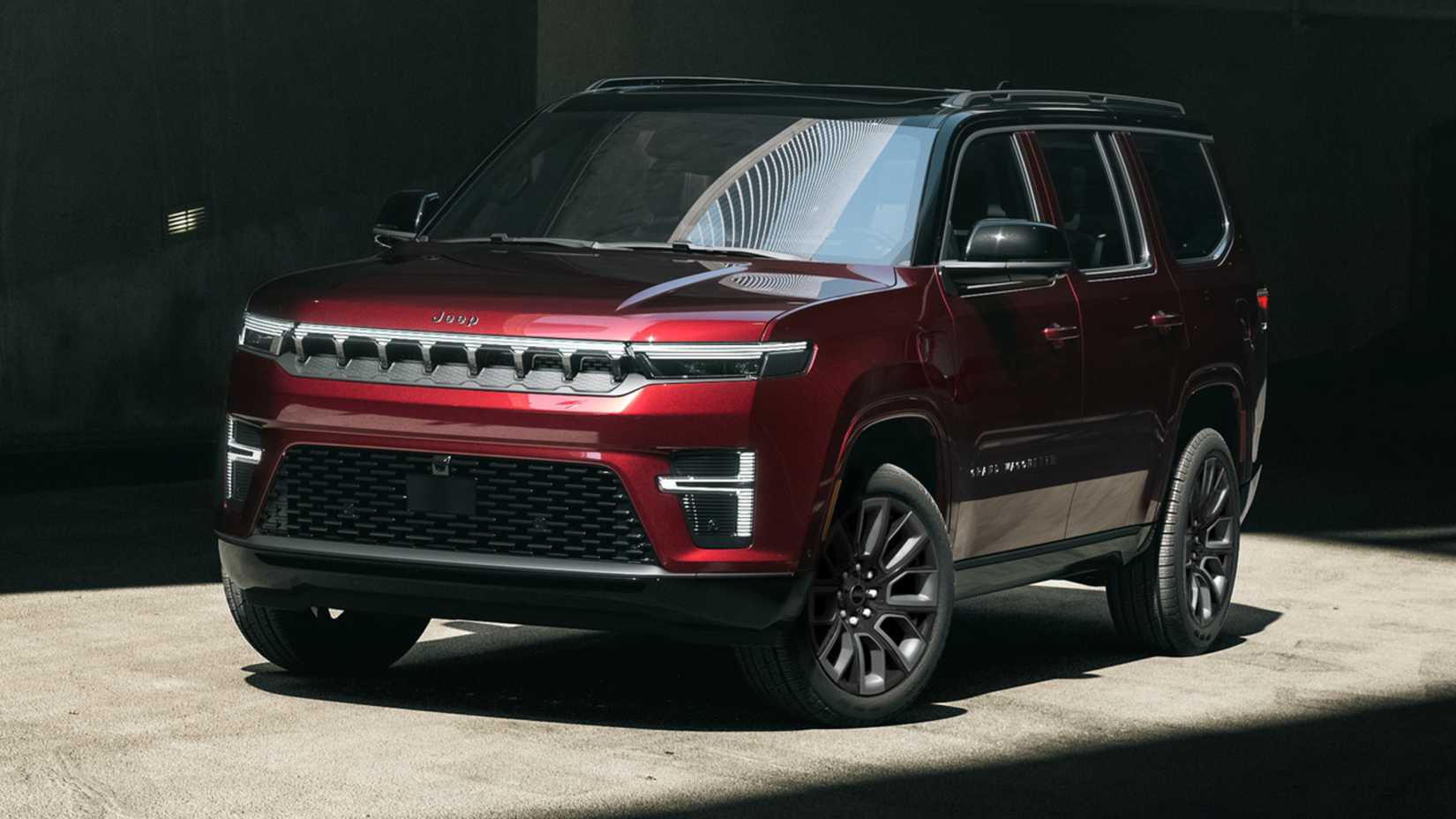
2026 Jeep Grand Wagoneer REEV from the front three-quarter angleJeep
The first of these upcoming models, and the first extended-range EV in the USA since the BMW i3 was discontinued, will come from Jeep. The Grand Wagoneer will be offered with the brand’s REEV powertrain, which just stands for range-extended EV, rather than “extended-range.” It certainly has a battery pack that would match or exceed many smaller EVs at 92-kWh. That pack alone is good for an estimated 150 miles of range.
Stretching the range is a version of the naturally aspirated 3.6-liter V6 found in many Dodge, Chrysler, and Jeep models, which is fed by a 20-gallon fuel tank. With both a full battery and full gas tank, Jeep expects the Grand Wagoneer REEV to go around 500 miles. That’s comparable to many combustion-only SUVs, and it retains the ability to simply add gasoline to go farther on a trip. Plus, on more local trips, the 150 miles makes it easy for most day trips to be done fully electrically, without using gasoline or having to charge at all.
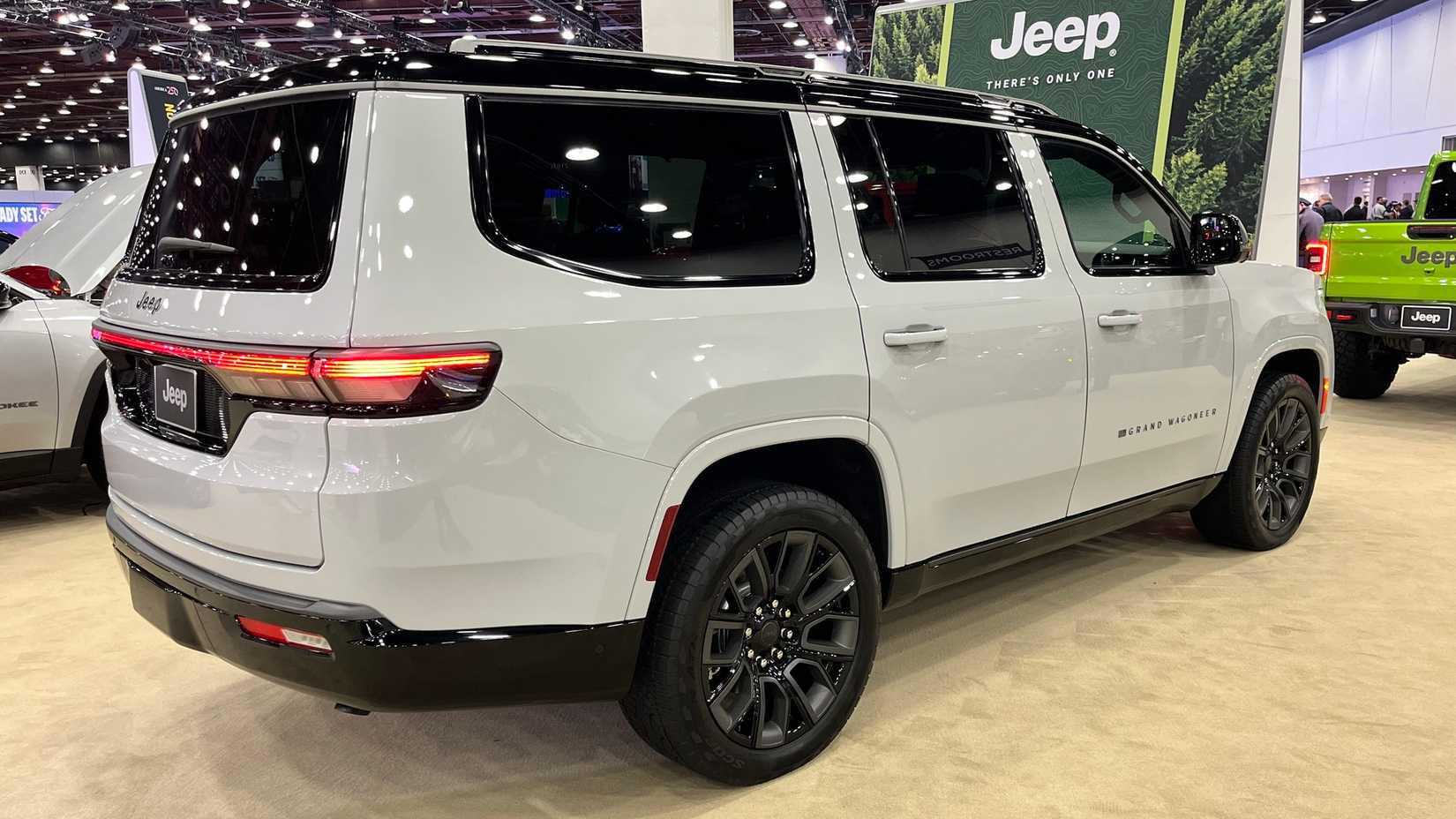
2026 Jeep Grand Wagoneer REEV from the rear three-quarter angleJoel Stocksdale / CarBuzz / Valnet
Performance will be impressive as well, as the dual electric motors providing propulsion make 647 horsepower and 620 pound-feet of torque. Jeep says it will get to 60 mph in just 5 seconds. That’s quicker than the Grand Wagoneers with the twin-turbo 3.0-liter straight six, which produces 420 hp and 468 lb-ft of torque. Jeep still hasn’t given details on capabilities such as the tow rating, though.
The Grand Wagoneer REEV will go on sale later this year. Pricing still has yet to be announced, though we expect the powertrain will bring a hefty premium over the straight six. For reference, a base Grand Wagoneer with that engine and four-wheel drive starts at $66,200, or $68,995 with destination charge. That’s also for the base trim, and it’s possible the REEV will only be available on higher trim levels.
Related
What You’ll Pay For A Used Jeep Wrangler Plug-In Hybrid In 2025
Looking for a hybrid Wrangler but want to save money? Here’s what you can expect.
2026 Ram 1500 REV
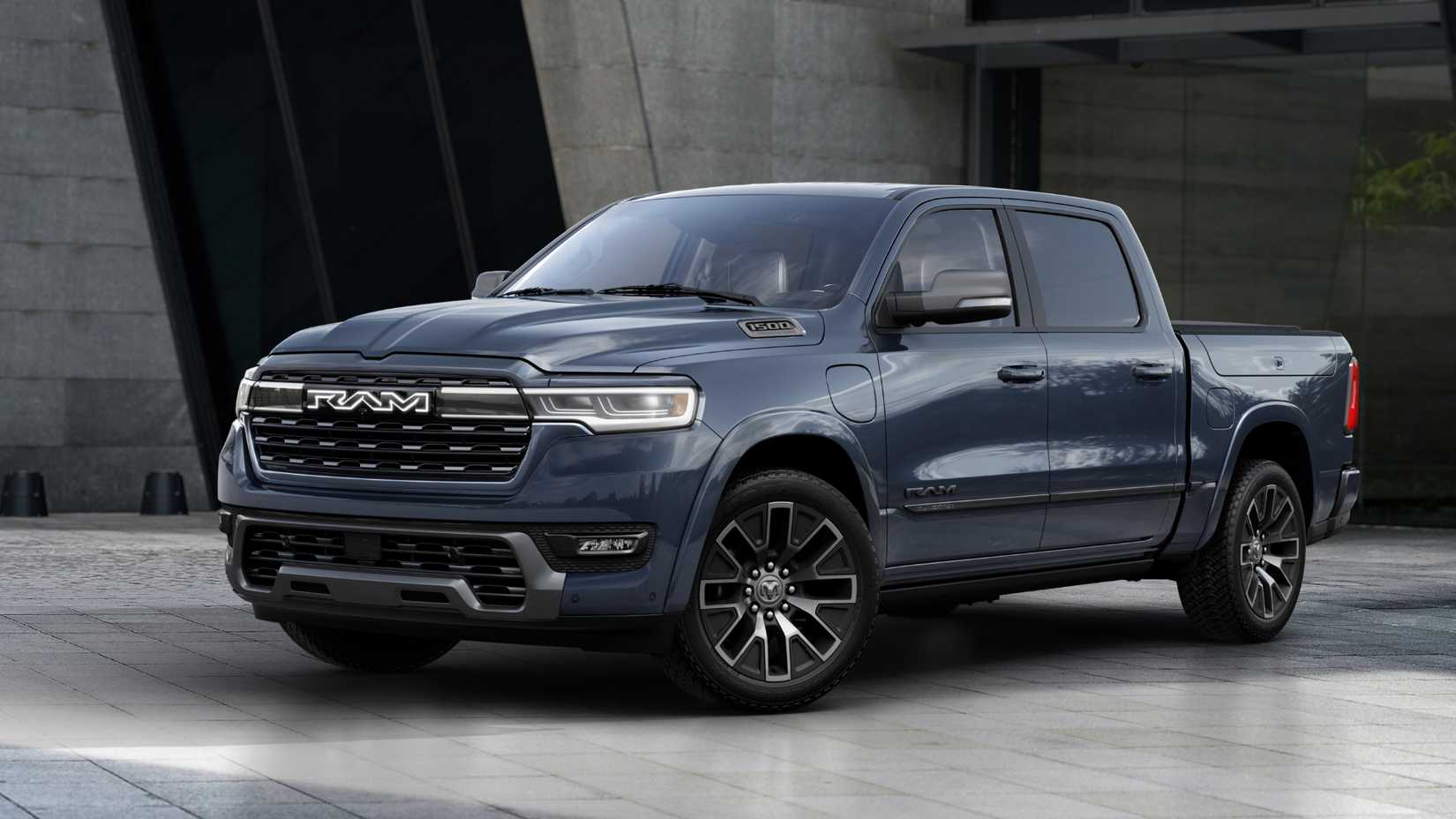
2026 Ram 1500 REVRam
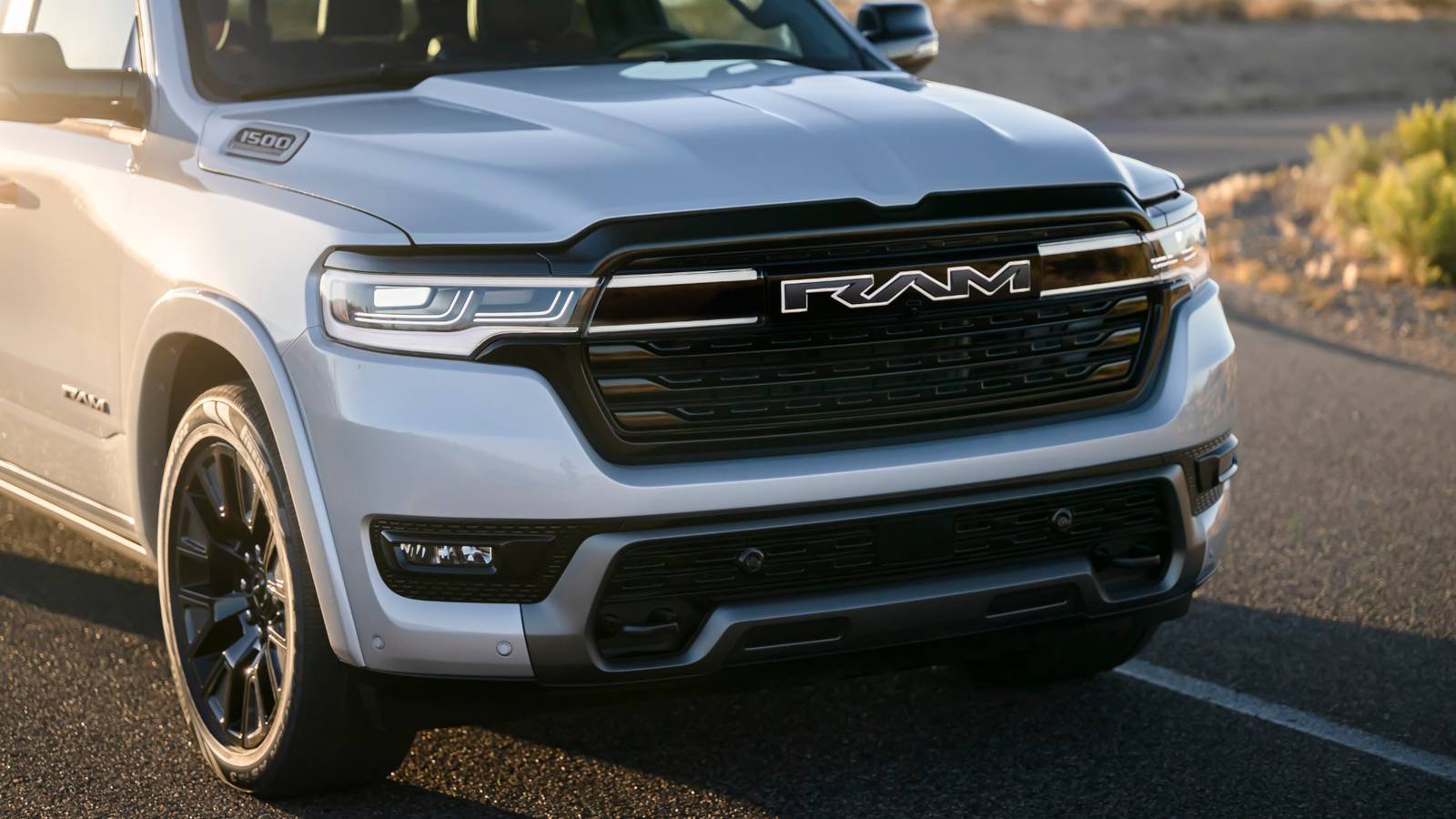
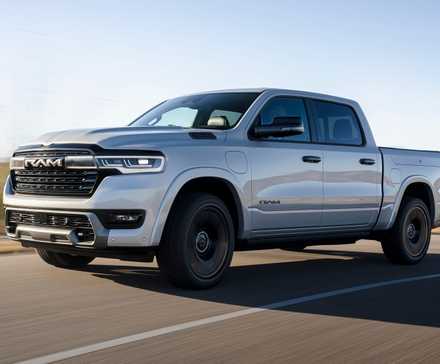
Close behind the Jeep will be the 2026 Ram 1500 REV. That’s not a typo, either. There’s only one E, and the REV name now refers to the extended-range model, not the full electric (which now will be called BEV). The specifications are extremely similar to the Jeep, too, since the two vehicles are closely related. It has a 92-kWh battery pack, a 3.6-liter V6, and dual electric motors for all-wheel drive.
2026 Ram 1500 REV Specifications
Power
647 hp
Torque
615 lb-ft
Electric Range
145 miles
Total Range
690 miles
Towing Capacity
14,000 lbs
Payload Capacity
2,625 lbs
It has a few interesting differences, though. The motors produce 647 hp and 615 lb-ft, and Ram says it will hit 60 in 4.5 seconds. That will make it the second most powerful factory Ram in the line-up. It also has a larger gas tank at 29 gallons, which brings the Ram’s total range up to 690 miles. Of that, 145 miles come from the battery, and the rest comes from the combustion engine. Ram has also provided some rough specifications for towing and payload at 14,000 and 2,625 pounds respectively.
Related
2026 Ram 1500 Ramcharger Fails At The One Thing Hybrids Should Be Good At
It has amazing electric range, but it’s not efficient as a PHEV. Still, it may be exactly what America wants.
Ram will start taking orders for the REV later this year. However, exact availability and production dates have not been set. Naturally, pricing also hasn’t been announced. Like with the Jeep, we expect the powertrain will carry a premium over the straight-six and V8 option. It also will likely be restricted to high-trim models.
2028 Scout Traveler And Terra Harvester
2027 Scout Motors Traveler Scout Motors
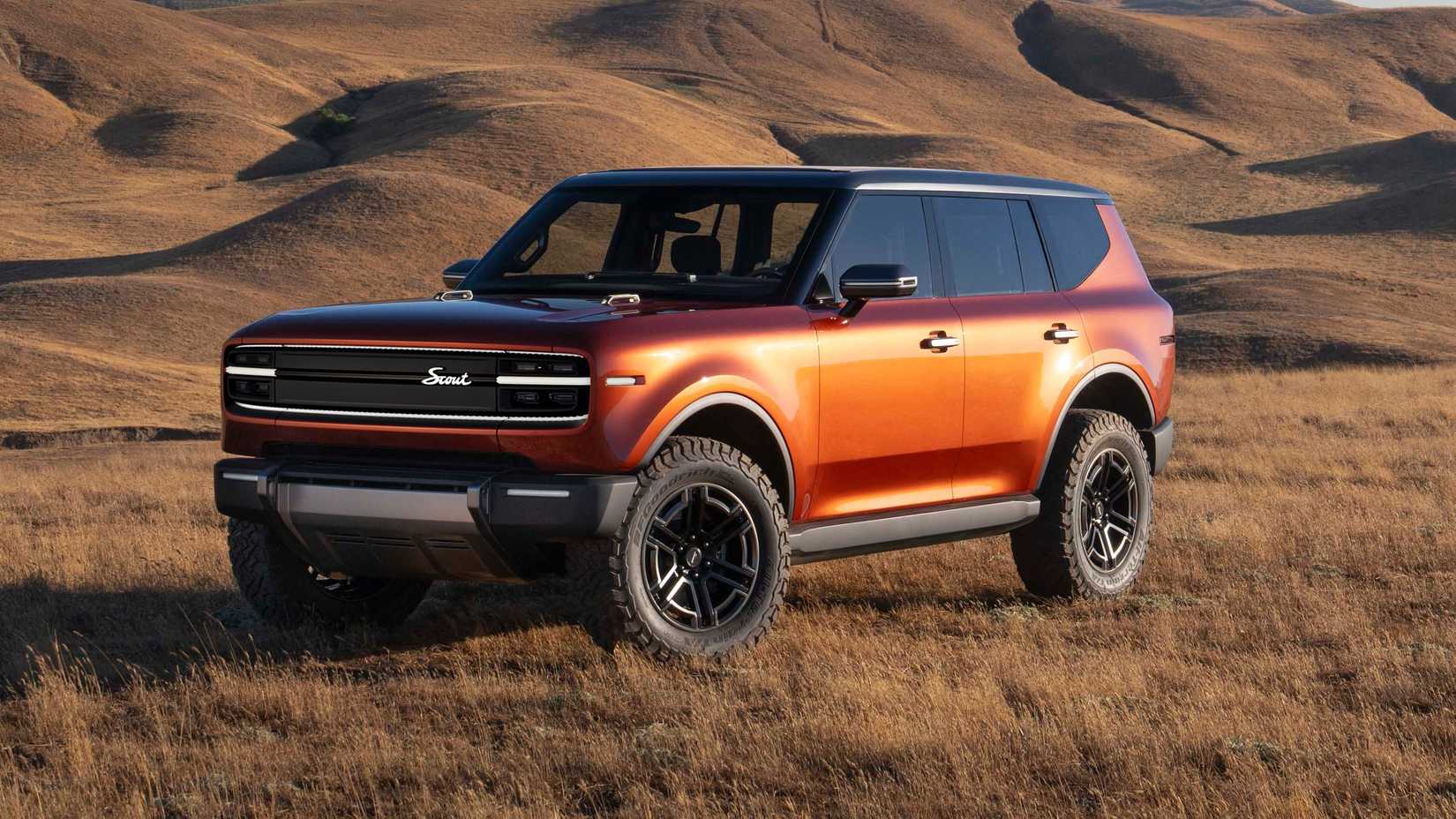
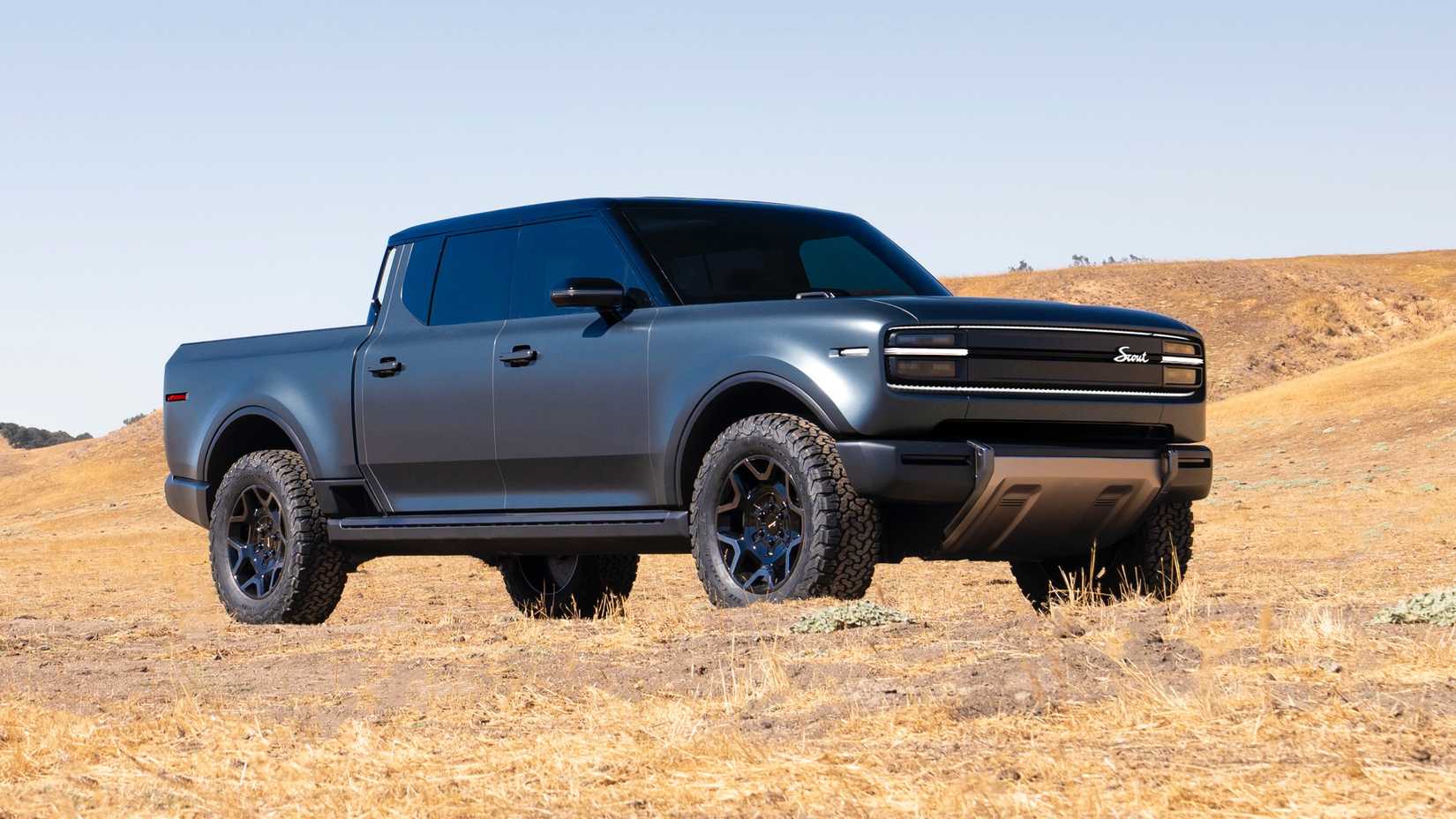
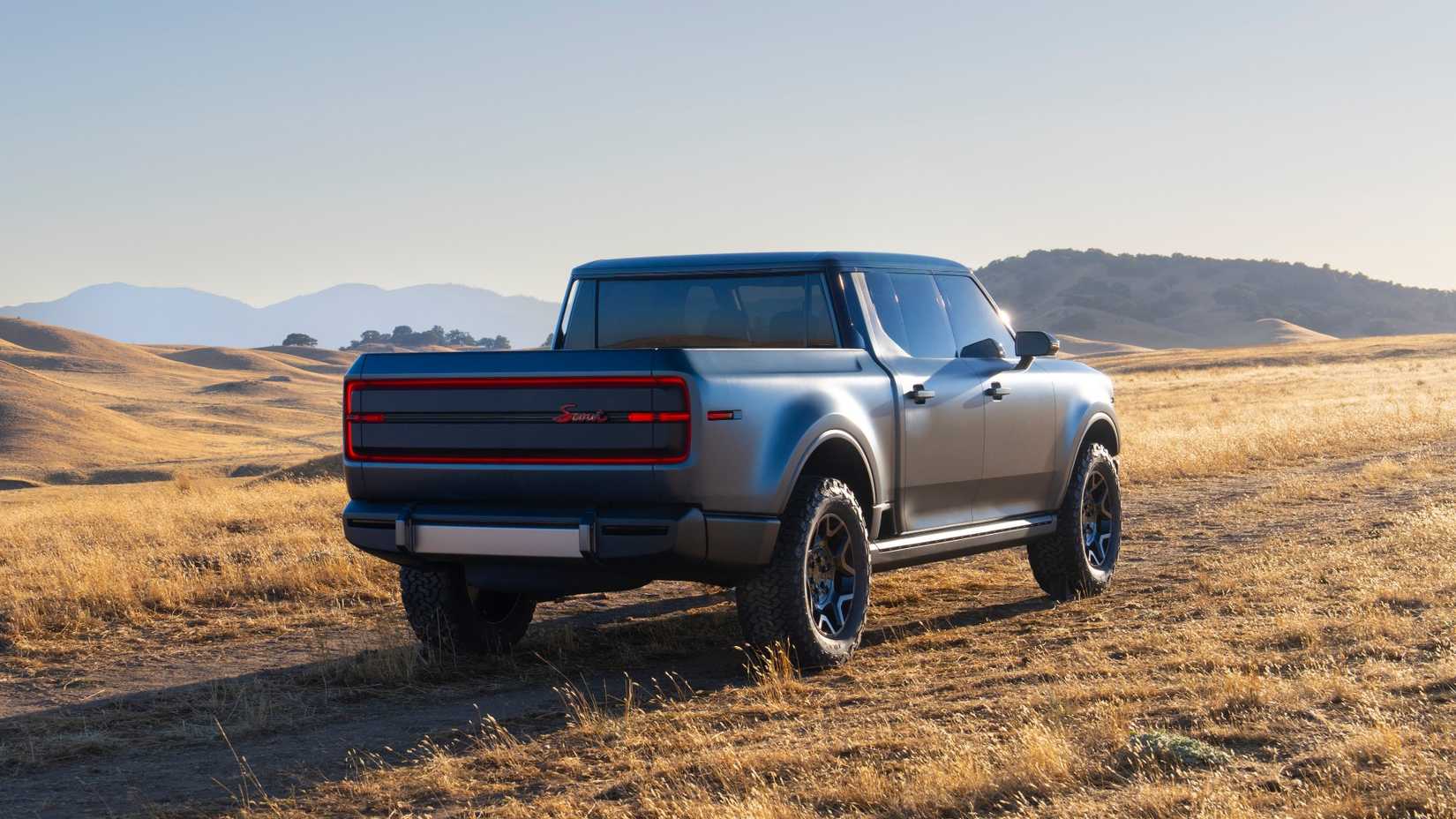
We’ve grouped these two models together since they’ll be going on sale at basically the same time, and are just different body styles of the same vehicle from the same brand. The Traveler is the SUV, and the Tera is the pickup truck, and they’ll both be available as either a pure electric, or as an EREV, with the latter denoted with the Harvester suffix.
2027 Scout Motors Traveler And TeraScout Motors
Scout hasn’t given precise specifications for its EREV powertrains, but we know a fair number of basics. The combined range will be 500 miles, with 150 of them coming from just electricity, and the other 350 from the combustion generator. That generator will be a four-cylinder that will sit at the back of the vehicle. The odd placement will mean that even the EREV will have a frunk like the fully electric model. As for towing, the EREVs have 5,000 lbs of capacity, which is less than the EVs (7,000 lbs for Traveler, and 10,000 lbs for Tera). The irony, of course, is that the EREV’s combustion engine will probably make it better for long-distance towing. Payload should be close to 2,000 lbs.
2027 Scout Motors Terra Pickup Exterior Rear 3/4 AngeScout Motors
One of the unique aspects of the Scouts is the use of a solid rear axle. Most EV pickups and SUVs have used independent suspension all around, but the Scout models will have the rear motor as part of the rear axle. It could offer better wheel articulation, though it could also result in a very heavy, unsprung member. The front suspension is still independent, though.
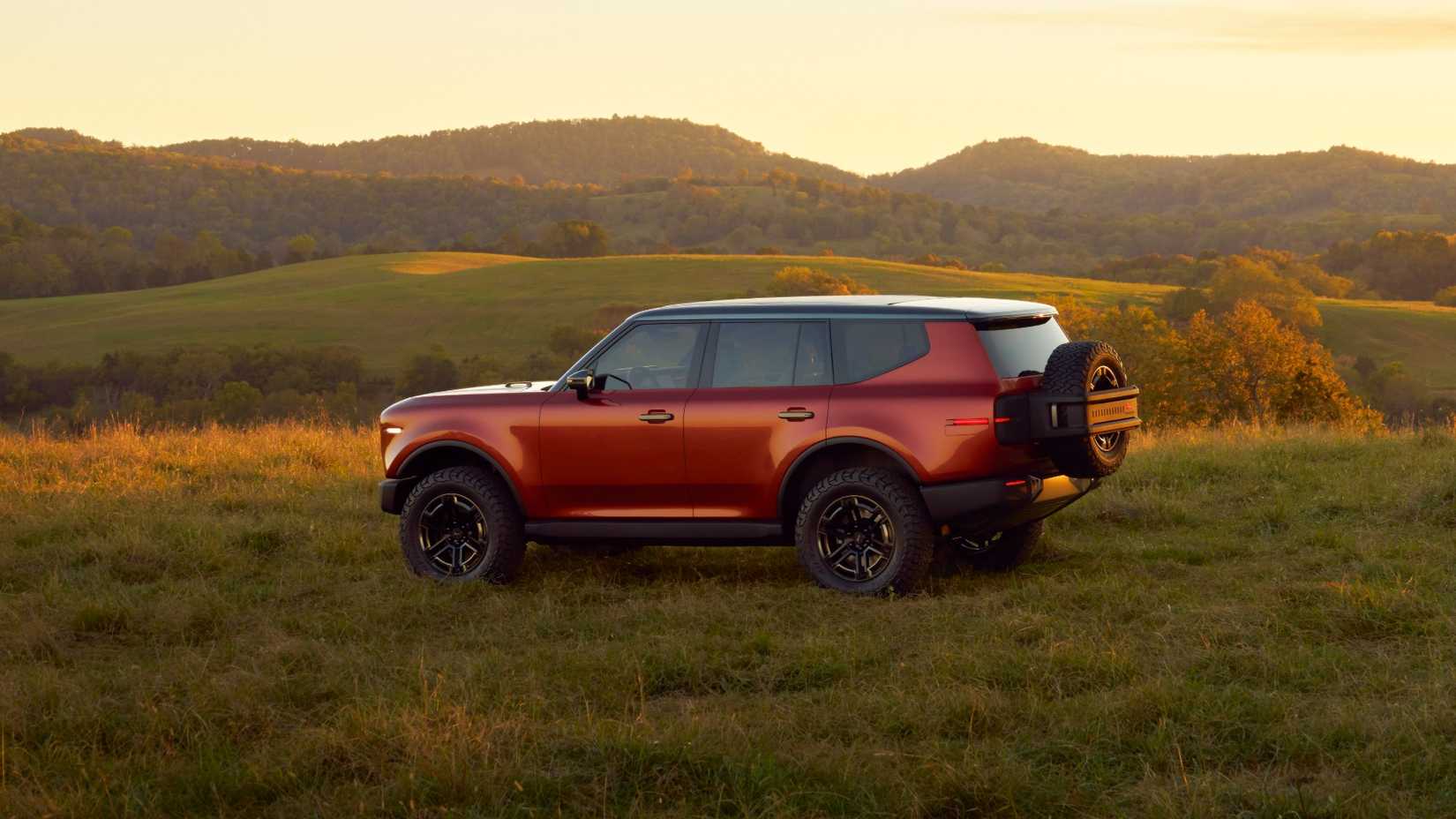
2027 Scout Motors Traveler ExteriorScout Motors
The Scout models are slated to go into production next year, and will be available soon after. Final pricing hasn’t been set, but Scout says the base MSRP for their vehicles will start just under $60,000. It’s also not clear if the EV and EREV versions will have the same or similar starting prices, or if one of the two will be more expensive.
Ford F-150 Lightning
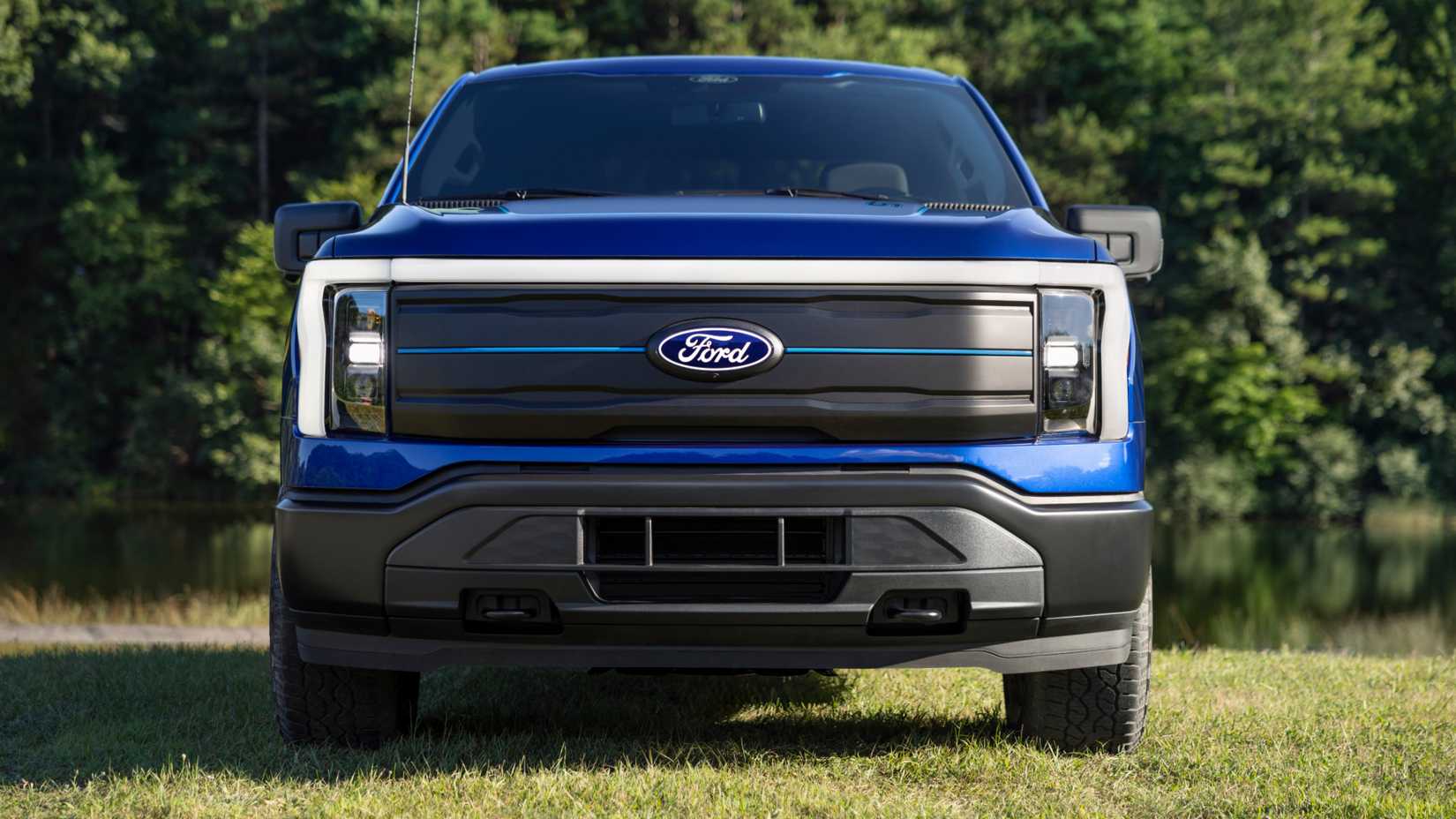
2026 Ford F-150 Lightning STXFord
Of the EREVs on the way, the next-generation Lightning is the one with the most mystery around it. Ford only announced the pickup would switch from being fully electric to an extended-range model at the end of last year. Apparently, it will offer 700 miles of range and a 0–60 mph time of less than 5 seconds, both of which puts it in the same ballpark as the Ram REV.
Related
The F-150 Lightning As We Know It Is Dead. Long Live The Lightning Extended-Range EV
With help from a gasoline engine, the Lightning will go over 700 miles before fueling or charging.
Other than those details, the new Lightning is a mystery. It’s hard to say exactly what engine it would even use, since Ford has a number of engines that could be plausible, from its turbocharged four-cylinders to its naturally aspirated and turbocharged V6s. Ford hasn’t even given a rough idea of when to expect this truck to reach production.
Honorable Mention: 2027 Nissan Rogue E-Power
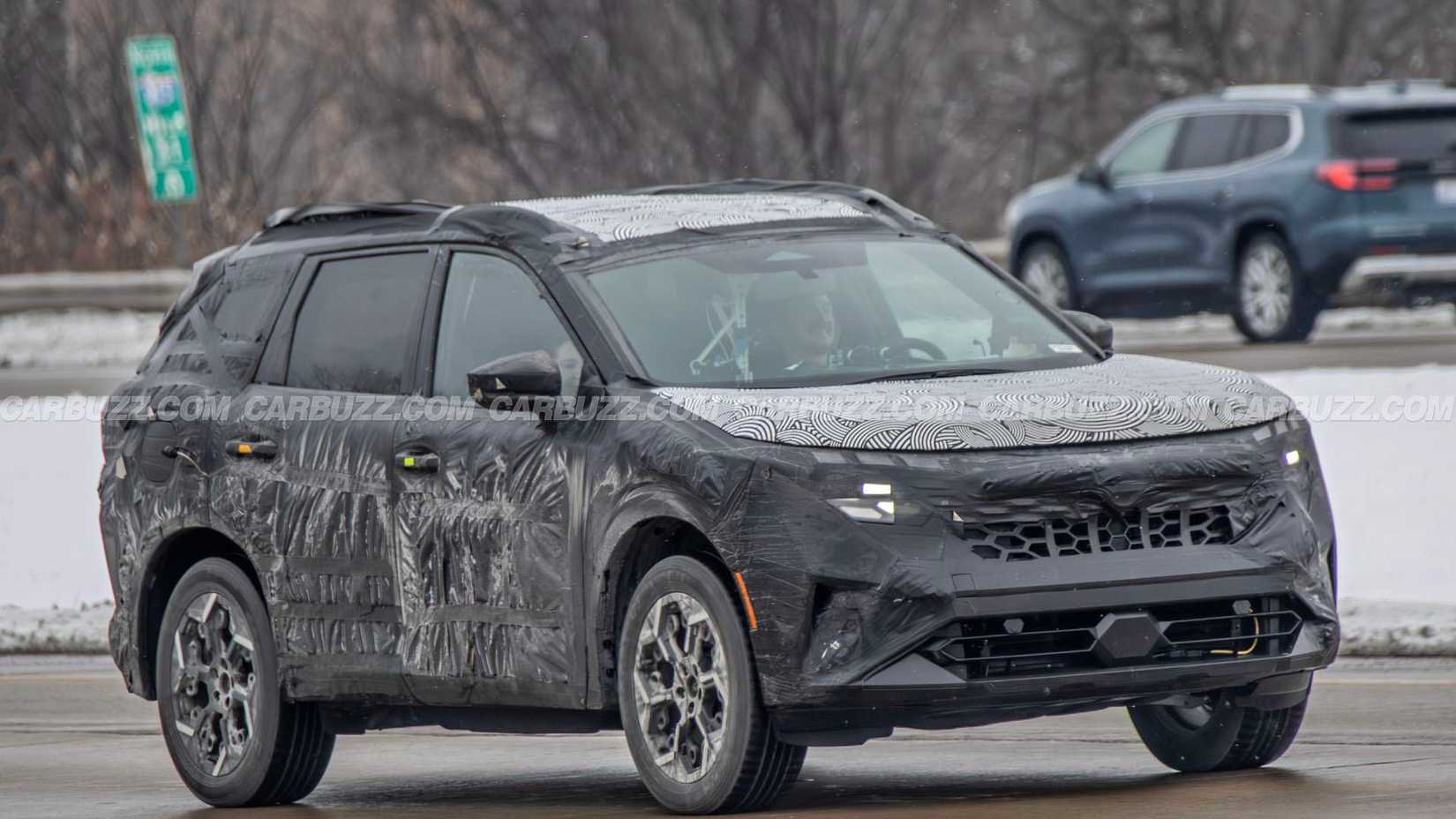
2027 Nissan Rogue spy photosCarBuzz/Valnet
One of the key characteristics of an extended-range EV is the ability to charge up a sizable battery so that the vehicle can functionally be an EV for a significant amount of time. However, there is an SUV coming in the near future that meets the rest of the criteria of an EREV: the combustion engine only generates electricity, and never provides propulsion directly, even through a dual-motor transmission. That SUV is the Nissan Rogue e-Power.
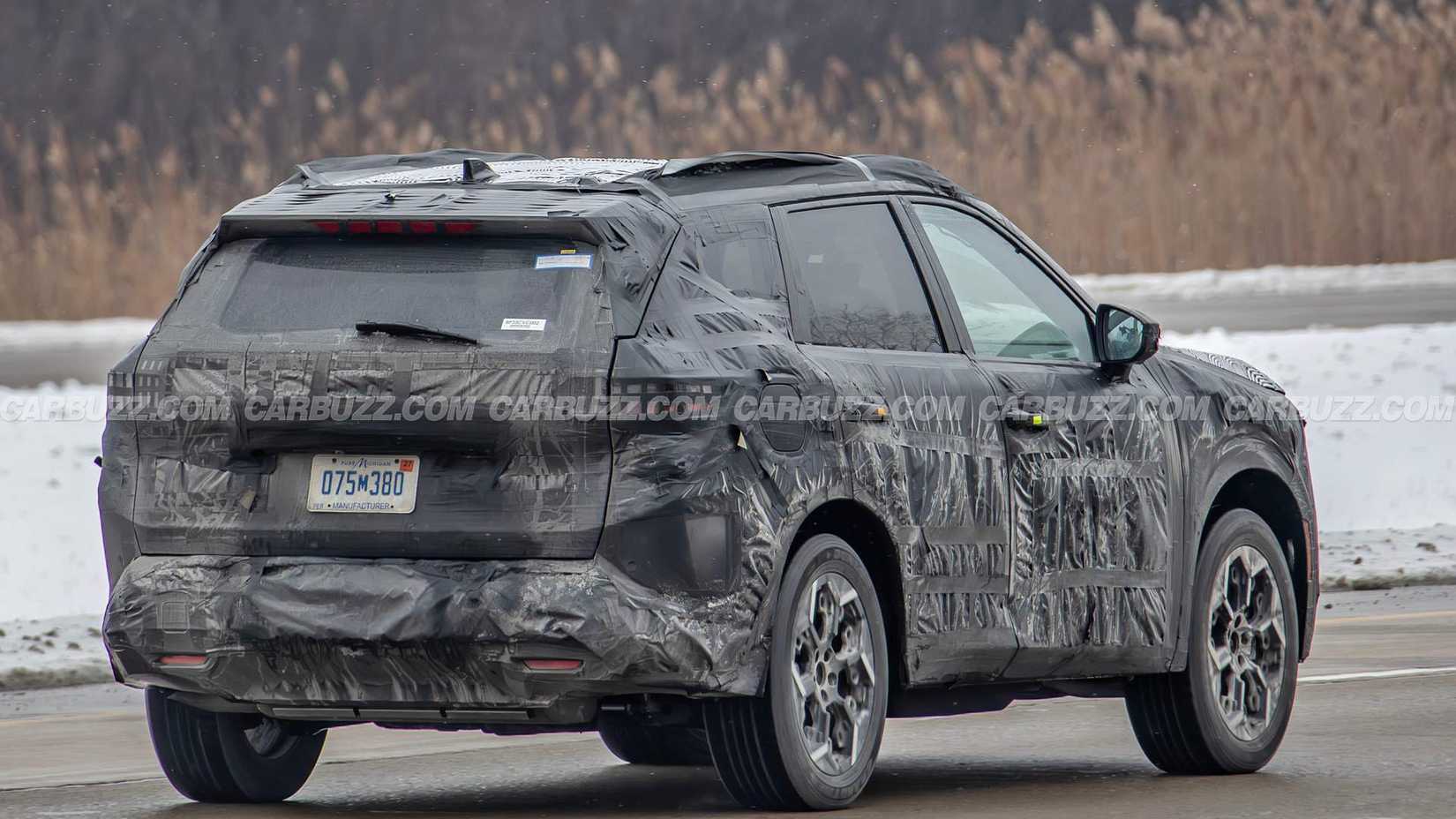
2027 Nissan Rogue spy photosCarBuzz/Valnet
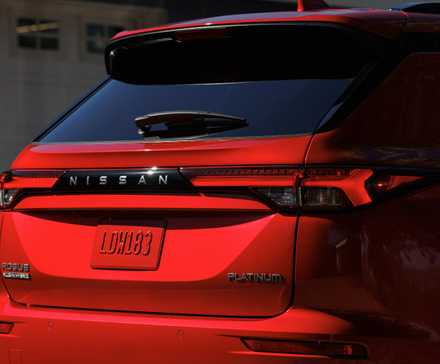
The Rogue E-Power will have a pair of electric motors, with the front motor providing the majority of the power, and the rear motor providing a bit of rear-wheel power as needed for traction and acceleration. It will likely use a turbocharged three-cylinder engine as the generator, similar to the powertrain in the smaller Qashqai, though the dual-motor all-wheel-drive system will produce more horsepower than that model. We’re expecting at least 200 hp. Nissan is also targeting between 39 and 41 mpg combined to compete with the RAV4 and CR-V hybrids.
Related
Not Even Nissan Is Sure About The Rogue PHEV’s Future
The E-Power may supplant it.
Strangely, Nissan has no plans at the moment to have a plug-in version, despite the powertrain seemingly perfectly suited to being a plug-in. The Rogue E-Power will go on sale sometime this year, and we’re expecting a reveal to come fairly soon.