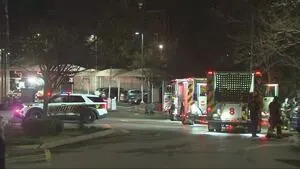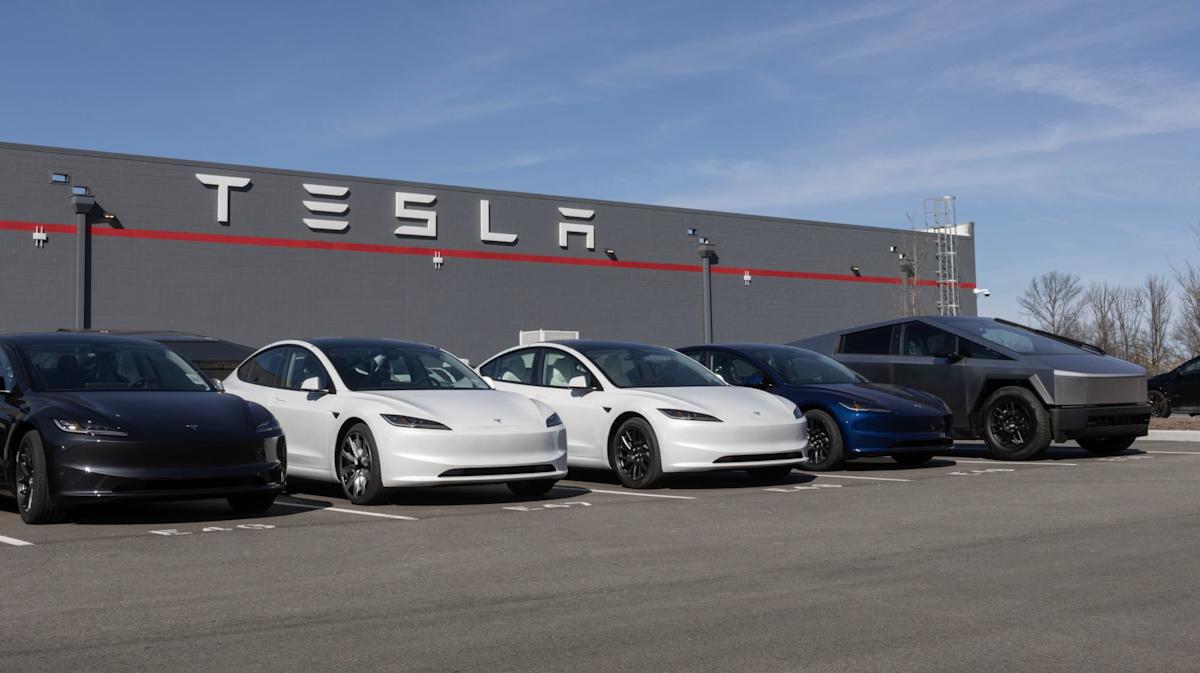
Tesla is once again facing legal scrutiny after a newly filed proposed class action alleged a safety defect in certain 2023-2026 Model S vehicles. The complaint, filed in California federal court, claims the car’s electronically actuated door system can become difficult or impossible to operate if the vehicle loses low-voltage power, potentially leaving occupants trapped during emergencies such as crashes or fires. Tesla has not publicly commented on the new complaint.
At the center of the case is the allegation that the Model S relies too heavily on powered door operation. The suit argues that if low-voltage power is lost, the exterior handles may not operate properly and the electronic latches may not work as intended, making it harder for occupants to exit and for others to enter. The complaint also highlights Tesla’s rear-door emergency release setup, which the company’s own Model S owner’s manual says requires folding back the carpet below the rear seats to access a mechanical release cable.
The lawsuit further claims the alleged defect reduced the value of affected vehicles because buyers and lessees were not adequately warned about the design’s potential limitations in an emergency. The plaintiff is seeking damages and other relief on behalf of California owners and lessees covered by the proposed class.
Electronic Handles: Innovation or Safety Trade-Off?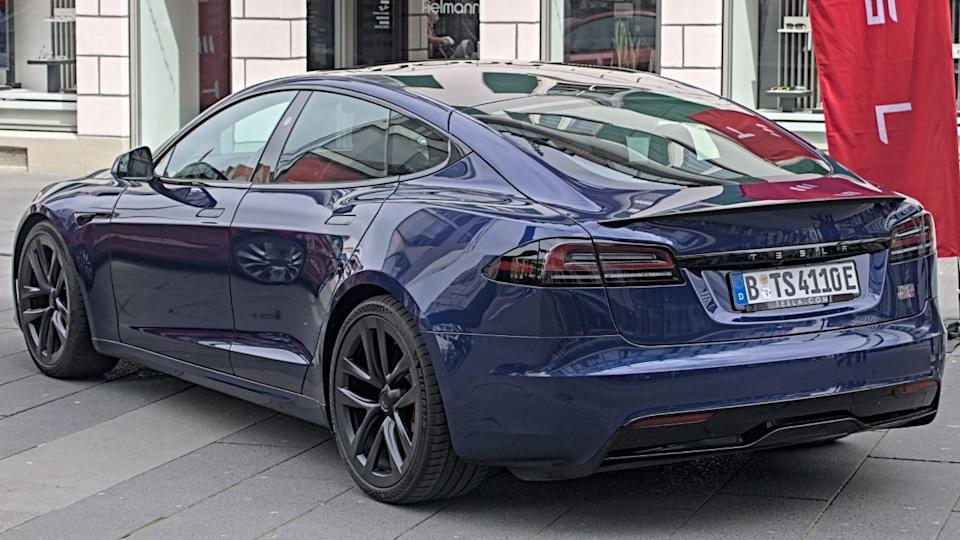
Alexander-93, Own work, CC BY-SA 4.0
Tesla’s flush-mounted door handles have been part of the Model S since its original launch and remain one of the sedan’s most recognizable design features. They help give the car its sleek look and may offer some aerodynamic benefit, but they also depend on powered components in ways traditional mechanical handles do not.
That distinction is central to the new lawsuit. The complaint argues that when low-voltage power is unavailable after a collision or another failure, the vehicle’s powered door functions can create an added obstacle during an already chaotic situation. Tesla does provide manual releases, but the lawsuit says the rear-door setup is too hidden and too difficult for an average passenger to find quickly under stress.
While this case focuses on the Model S, concerns about powered door systems are not purely hypothetical. In September 2025, the National Highway Traffic Safety Administration opened a preliminary evaluation into 2021 Tesla Model Y vehicles after complaints that electronic door handles became inoperative due to low battery voltage, in some cases leaving children inside and forcing adults to break windows to regain access.
Escalating Safety and Regulatory Scrutiny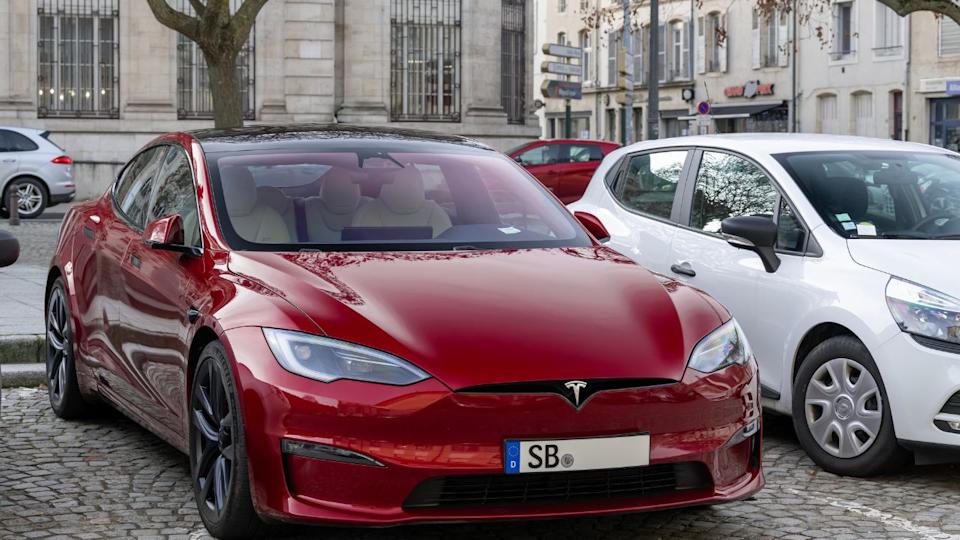
Alexandre Prévot from Nancy, France, Tesla Model S, CC BY-SA 2.0
The broader issue has drawn attention well beyond this one lawsuit. Regulators and safety advocates have increasingly questioned whether electronically dependent door systems introduce unnecessary risk when a vehicle loses power after a crash or fire. The concern is simple: when something as basic as opening a door depends on electricity, failure of that system can turn a convenience feature into a potential safety problem.
That debate is now influencing policy overseas. As Reuters and the Associated Press reported, China will require clearly visible, mechanically operable interior and exterior door handles on new vehicles beginning January 1, 2027. Existing approved models have until January 1, 2029, to comply. That does not amount to a blanket ban on retractable handles, but it does mean electronic systems will no longer be allowed to replace mechanical access points entirely.
For automakers, that is a notable signal. China is the world’s largest EV market, and changes there often shape supplier decisions and future design trends elsewhere. If regulators in other countries move in a similar direction, hidden or electronically dependent door-handle systems could face tougher scrutiny globally.
The Legal Landscape and Industry Implications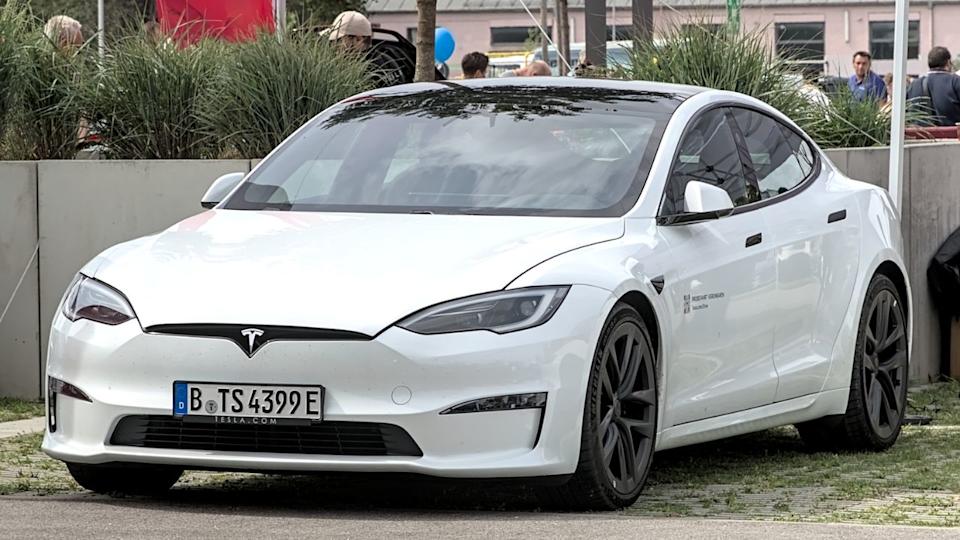
Alexander-93, Own work, CC BY-SA 4.0
Tesla has faced criticism over its door designs before, and the latest complaint adds to a growing body of litigation and regulatory attention focused on emergency egress in modern EVs. That does not mean the company has been found liable here; this is still a newly filed complaint, and Tesla will have the opportunity to contest the allegations in court.
Still, the case underscores a larger industry question. Carmakers have spent years replacing familiar mechanical controls with electronic interfaces in the name of cleaner design and added convenience. But when those systems govern something as basic as exiting a vehicle, regulators, courts, and consumers may demand more obvious and reliable backup solutions.
As EVs become more common, the tension between futuristic design and old-fashioned mechanical redundancy is likely to become a bigger issue, not a smaller one.
Read More
12 Pickup Trucks That Are Totally Worth the Money
SUVs That Will Last at Least 15 Years (No Problem!)