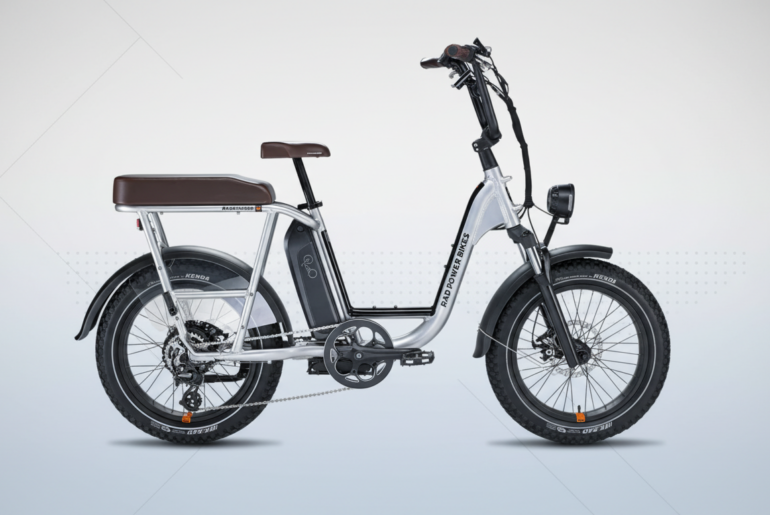
Electric bicycles, or e-bikes, are becoming more popular across Southwest Florida, offering an easy, eco-friendly way to get around. But safety experts and parents are raising concerns about how fast these bikes can go , and whether young riders fully understand the rules of the road.
After WINK News reported on e-bikes in Naples, several parents reached out, saying they worry about children riding these faster, heavier bikes without proper guidance or supervision.
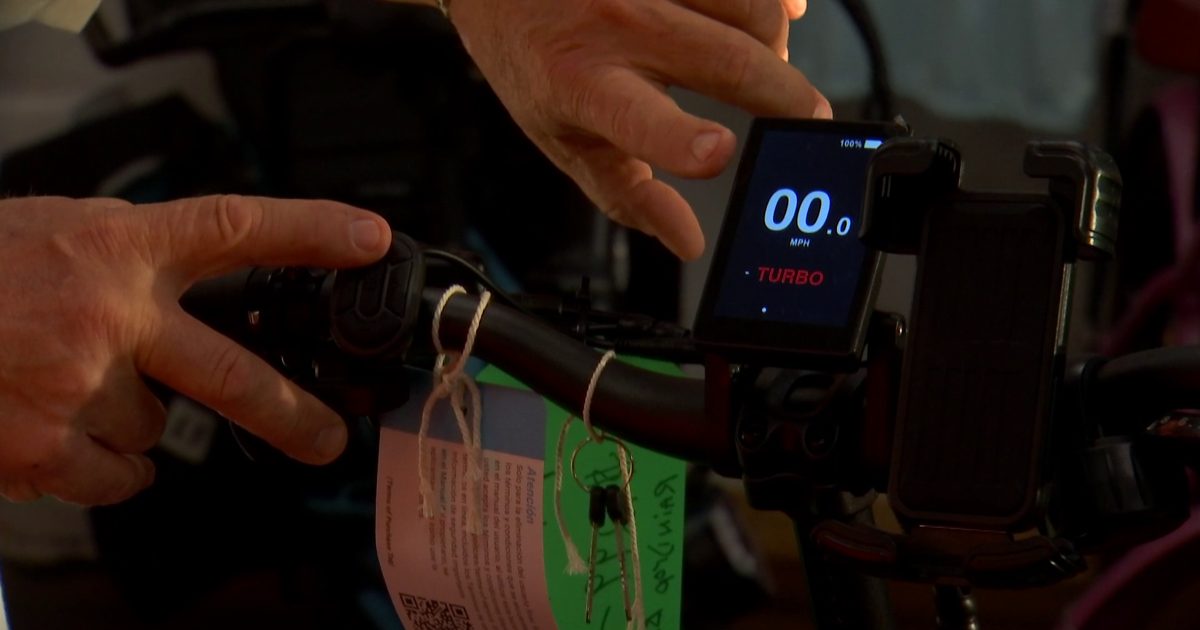
To get a closer look, reporter Haley Jacobs visited Bimini Bay E-Bikes and Trikes in Cape Coral, where owner Brian Johnson explained how e-bikes operate and how riders control speed.
“This allows you to change the classification of the bike from class one, which is pedaling up to 20 miles an hour with pedal assist, no throttle. Class two, which would be throttle up to 20 miles an hour, pedal assist up to 20 miles an hour. Class three, which would be throttle up to 20 miles an hour, and pedal assist up to 28 miles an hour,” Johnson said.
He also explained that riders can use different modes, eco, tour, sport, and turbo, to control how fast they go, with turbo mode reaching up to 28 miles per hour with pedal assist. “A lot of people think you don’t have to exercise on an e-bike. You absolutely can, or you can just use the throttle and go faster,” he said.
Some riders, however, say it’s possible to exceed those speeds. “You can buy upgrades for the controller, basically the brain of the bike, and kids just replace them. The bike goes way faster,” said local e-bike rider Dustin Riley Smith. “They are definitely faster than 30, and kids are making them go 80 or 90 miles per hour.”
New video sent to WINK News shows an e-bike speeding along Immokalee Road near Willoughby Acres in Naples, demonstrating exactly what many neighbors have been concerned about.

Michelle Avola-Brown, executive director of the Naples Pathways Coalition, said modifying the speed of e-bikes is simple and poses serious safety risks. “It may be rated for 20 miles per hour, but it can go 30 or 40 plus,” she said. “When they go beyond manufacturer limits, that’s not an e-bike anymore. That is closer to being a moped, which requires a license and insurance.”
Avola-Brown stressed that parental guidance and education are critical. “Safety starts with education, both for parents and kids,” she said. “Parents need to ride with their children on a regular bike first, teaching them to stop at stop signs, obey traffic lights, and use bike lanes when available. Kids’ brains are still developing, and they may not fully judge speed or distance. An e-bike is heavier and takes longer to stop, so much of the responsibility falls on the parents.”
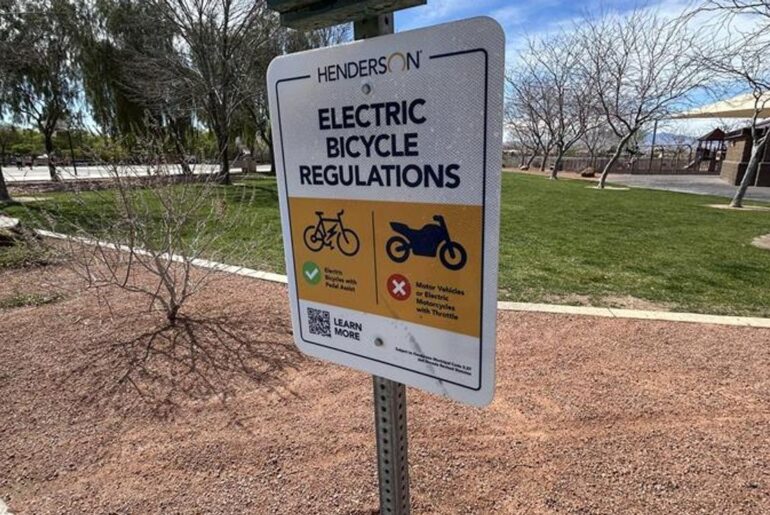
Florida law does not set a statewide minimum age to ride a standard e-bike, meaning minors can operate them without a license or registration. Riders under 16 are required to wear a helmet. Local governments can also create stricter rules, including minimum age, ID, or training requirements.
Safety experts say the combination of faster bikes, modifiable speed settings, and inexperienced riders makes education and supervision more important than ever. With parents involved, young riders can enjoy e-bikes safely, but without proper guidance, the risks increase quickly.