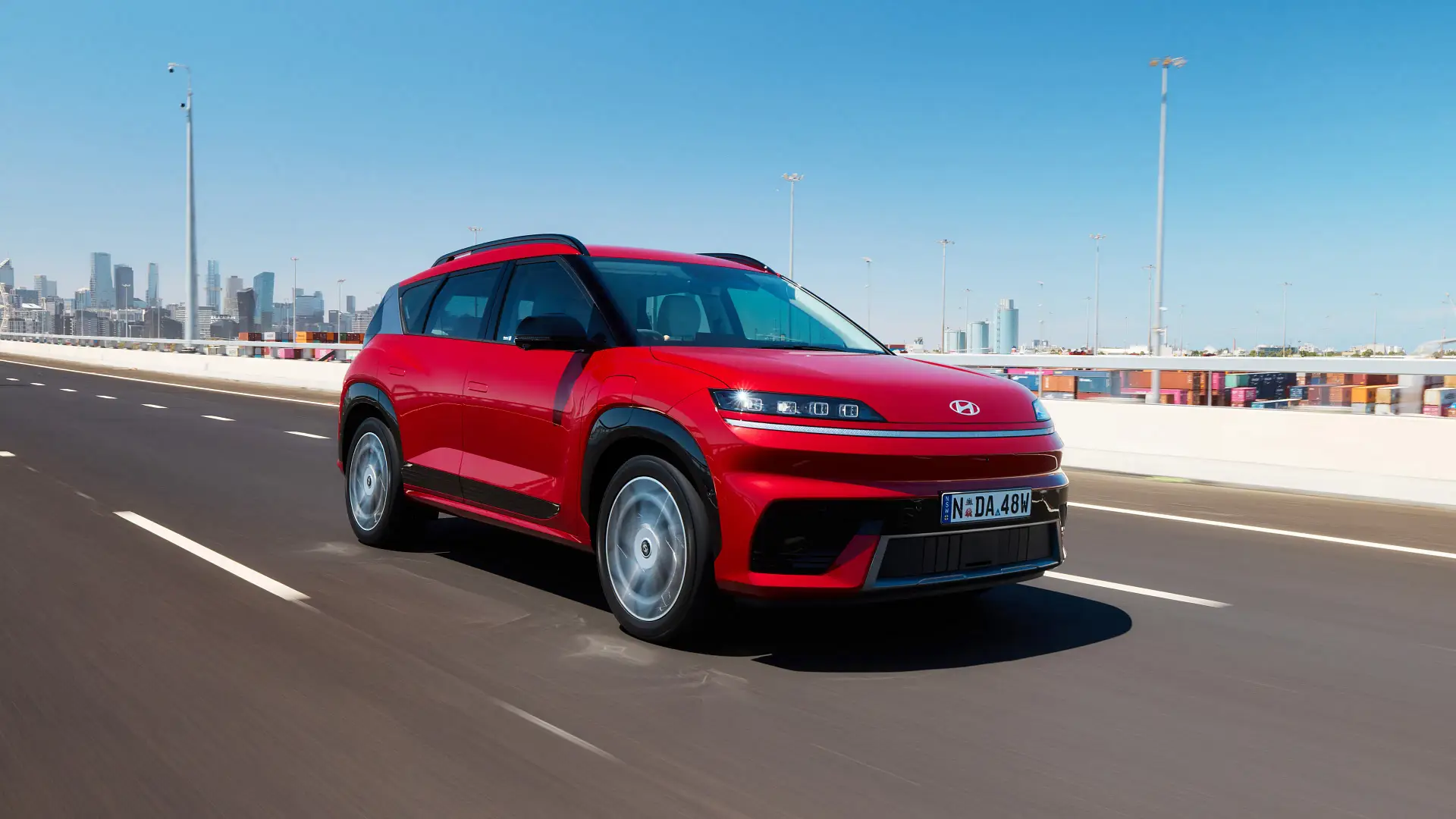
Hyundai sold just 1882 electric vehicles last year, but says the new Elexio mid-sized SUV and government incentives will change that.
 Electric Cars

Hyundai sold just 1882 electric vehicles last year, but says the new Elexio mid-sized SUV, government incentives, and supporting the dealer model will change that.

In 2025, just 1882 out of 77,208 vehicles sold by Hyundai were fully-electric, resulting in the brand copping a $4.2 million fine under new emissions standards.
Hyundai wasn’t even in the top 10 for EV sales, with just 1882 examples sold; sister company Kia was third, with 8159, behind leaders Tesla and BYD.
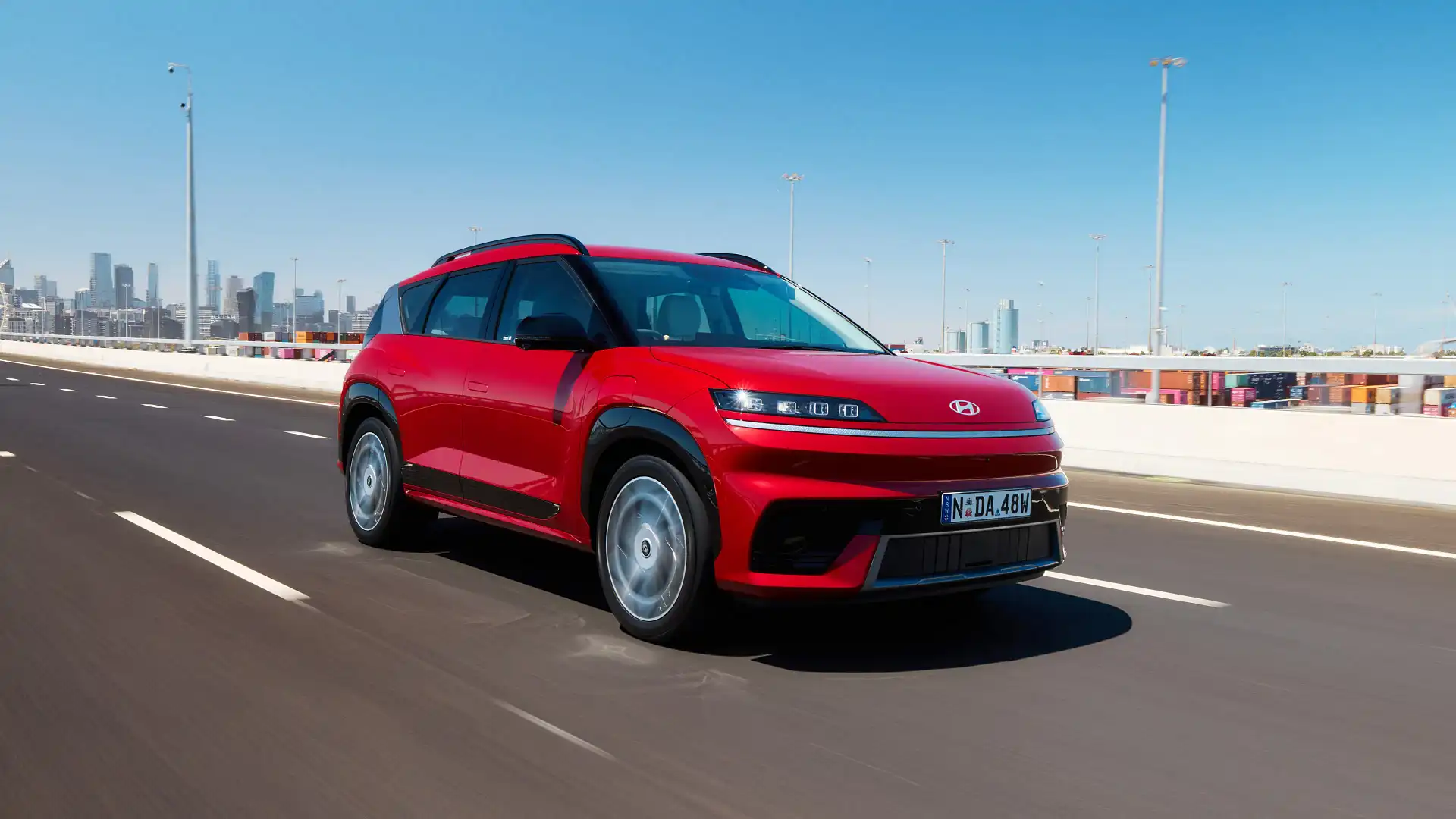
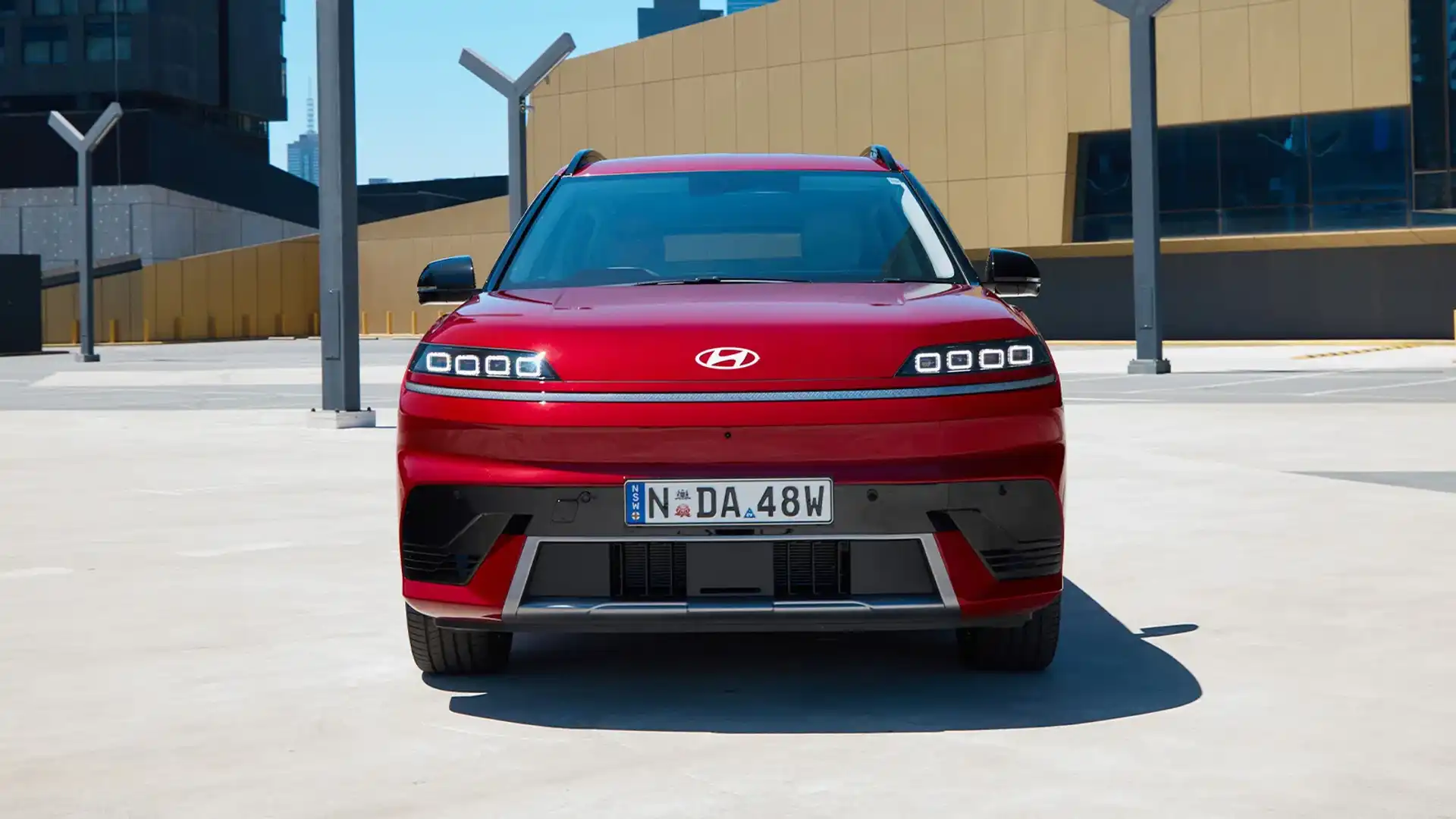
Speaking at the launch of the new Hyundai Elexio, an electric mid-size SUV the brand says will help boost volume, Chief Operating Officer at Hyundai Australia, Gavin Donaldson, said the results weren’t what they should be.
“We haven’t done the huge volume that probably we should have. That’s the reality,” he told Australian media, including Drive.
“Having the portfolio that we do, we should be stronger in EVs. Now, some of that’s got to do with the history of how we operated our [sales] model early [for Ioniq 5].”
When it arrived in 2021, the Ioniq 5 SUV was originally sold directly to consumers via the Hyundai website, in tranches of a few hundred cars at a time due to severe supply chain constraints, including global semiconductor shortages and overwhelming demand.
“We did disengage a bit of our dealer network, and we probably disengaged some of our customers [through that],” Donaldson added. “We learnt a lot from our direct-to-consumer model, and there’s a lot of that that we take forward.”
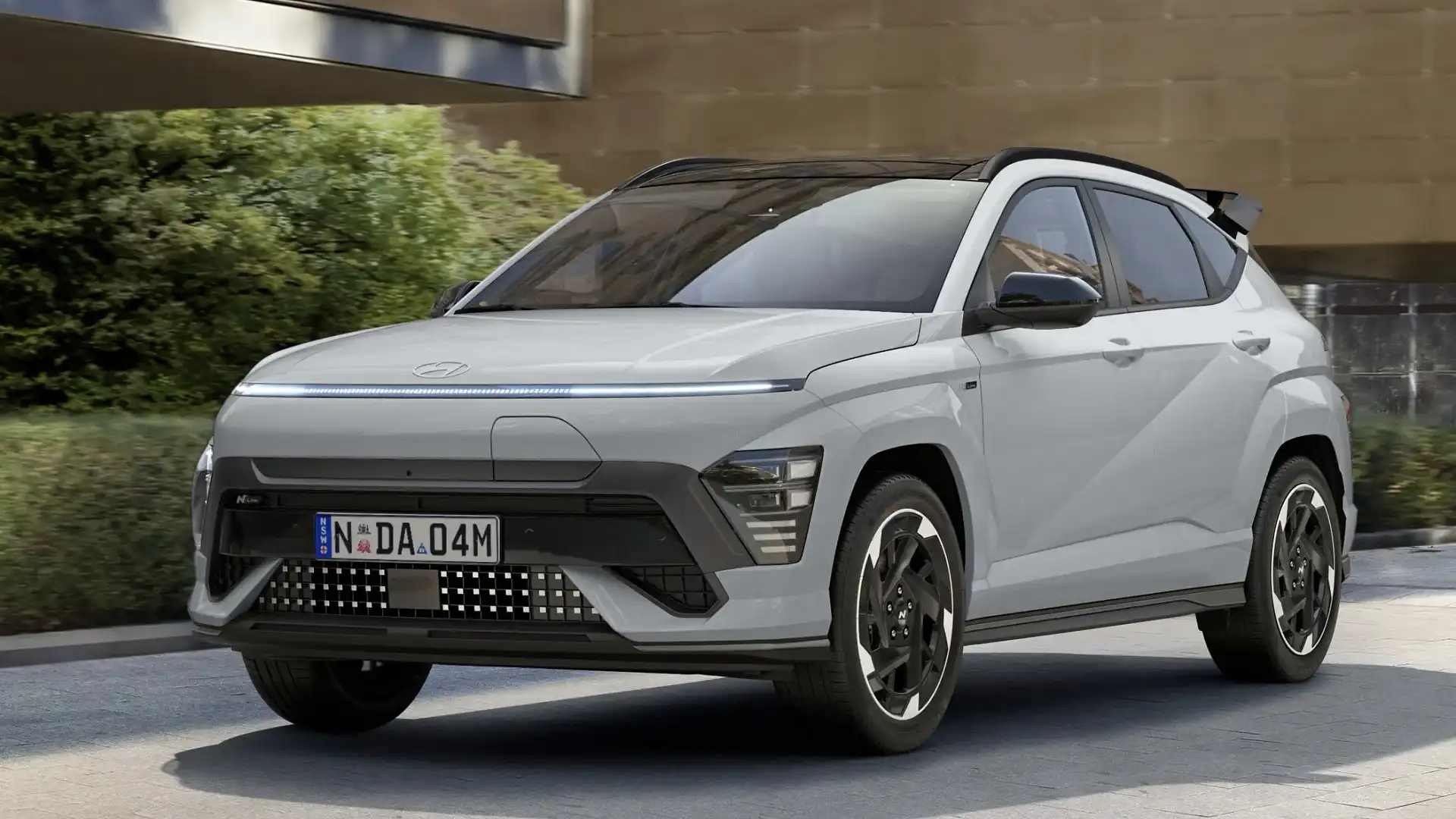
The brand ditched the approach in 2023, and all models are now sold through dealerships as before.
Donaldson said he expects the Elexio to be the top-selling electric vehicle due to its medium-SUV size, Australia’s favourite new-vehicle segment, helping to bolster overall EV sales.
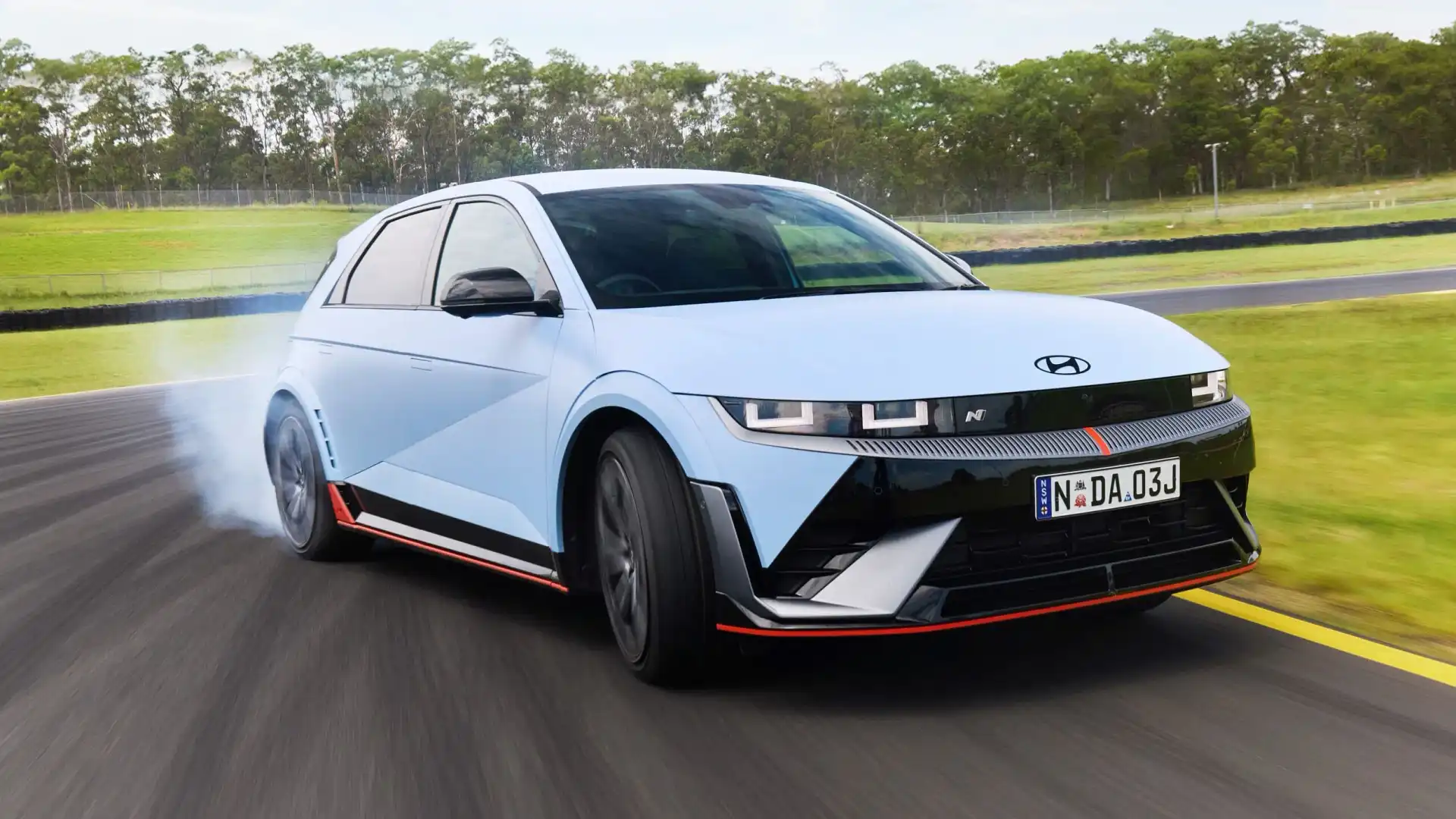
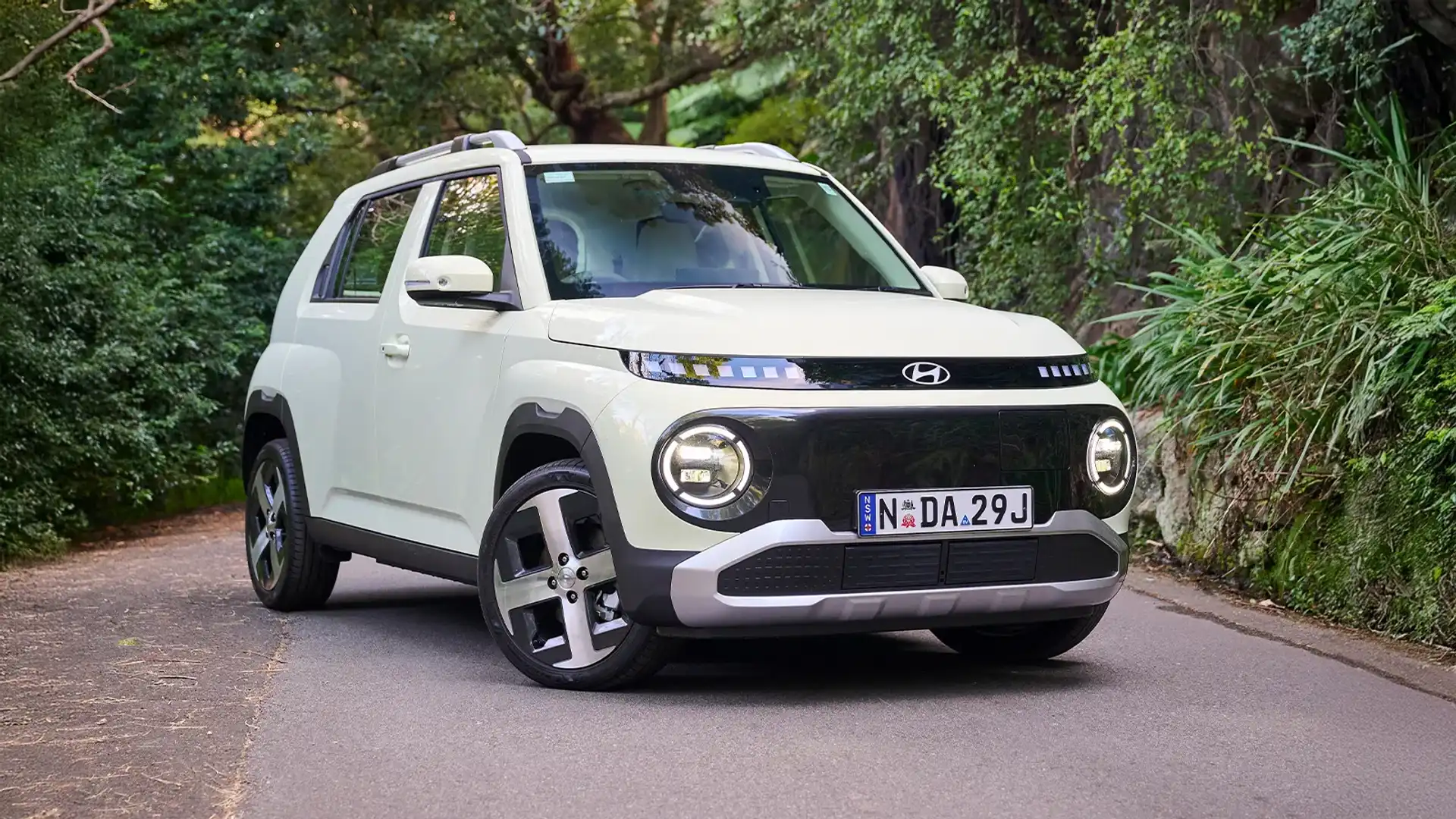
Last year, the top-seller was the Ioniq 5 with 626 examples sold, followed by the Kona Electric (541) and Inster (467).
Hyundai will need to do more to avoid further fines in future years under the New Vehicle Efficiency Standard (NVES), especially if it wishes to continue with its N performance sub-brand, which, said Donaldson, was a key reason the car maker didn’t meet its targets in 2025.
NVES fines are levied at $50 per gram per kilometre of CO2 over the limit set for a car maker’s model range as a whole, so, in theory, it can continue to sell higher-emitting vehicles as long as it sells enough fully-electric or hybrid cars to balance them out.
If fines are not paid on time, the amount doubles.
NVES is due to be reviewed later this year, and Donaldson said the brand will adapt with whatever changes come its way, although hybrid and not full-EV will remain its focus for at least the next couple of years.
“We have the ICE (internal combustion), hybrid and EV mix. We can play in all three,” he said.
“But it’s important to note that hybrid is still our number one strategy for 2026 and 2027. ICE is still gonna be stronger than our EV sales; EVs just play a part.
“I think we’re in a really positive spot to actually continue to take advantage of the NVES if we do it correctly.
“I’m conscious about government policy. We don’t set the policy. Between 92 and 93 per cent of our volume this year will be driven by ICE and hybrid. We’re in a position that if the government adapts or changes, we can go either way.
“We’ll work with whatever incentive programs – or non-incentive programs – that are in place.”
In recent weeks, Hyundai and sister company Kia have benefited from a new incentive program funded by a Federal Government entity.
Clean Energy Finance Corporation (CFEC) has invested $60 million to bring down the cost of financing for buyers of certain Hyundai and Kia electric vehicles.
The rates, which will range from 0.5 per cent to 1.0 per cent, will apply to Hyundai and Kia EVs priced below the current Luxury Car Tax (LCT) threshold of $91,387.
These models include the Hyundai Inster, Kona Electric, Elexio and Ioniq 5, and the Kia EV3, EV4, EV5 and EV6.
Asked if it was fair that Hyundai and Kia’s EV sales are propped up by the Federal Government when other brands’ sales aren’t, Donaldson said they had been “proactive” in securing support.
“Both companies are being proactive and working with the Government to understand how they get the benefit out of it, especially Hyundai Capital.”