South Korean giant SK, the company that helped kickstart Georgia’s push to become a hub for electric mobility manufacturing, is cutting nearly 1,000 jobs at its Commerce plant amid tepid demand for battery-electric vehicles.
SK Battery America announced March 6 that it would lay off 958 workers “to align operations to market conditions,” according to a statement provided to Global Atlanta, which continued:
“We appreciate the contributions of employees and will be working with those affected during this transition. SK Battery America remains committed to Georgia and to building a robust U.S. supply chain for advanced battery manufacturing. We are pursuing a range of future customers, including the Battery Energy Storage System arena.”
The company will still retain about 1,600 workers at the $2.6 billion site, which the Atlanta Journal-Constitution reported received an incentives package valued at a combined $300 million from both state and local governments.
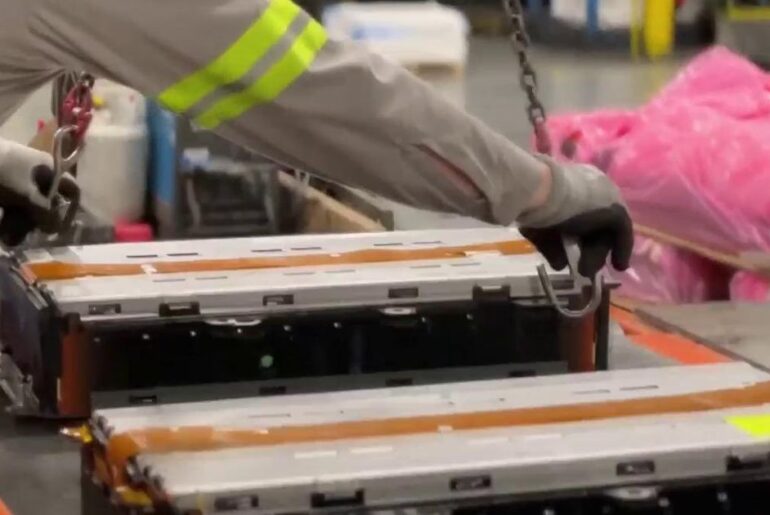
SK Battery announced the layoffs in a WARN notice filed with the Technical College System of Georgia. The top roles affected are assembly stacking operators (137 jobs), assembly nothing operators (130) and formation operators (129). Employees’ last day worked is Friday, but they will receive full pay for another 60 days, according to a letter sent by Chief Human Resources Officer Chuck Moore.
The SK project was announced in 2017 during the waning days of the Nathan Deal administration, with newly elected Gov. Brian Kemp picking up the baton and pushing for the state to press the accelerator in its efforts to drive supplier investments.
That was long before the Inflation Reduction Act of 2022, which created a complex landscape for SK, as it was still relying heavily on materials from China. To qualify for the full $7,500 tax credit under the IRA, a battery had to be both assembled in the U.S. and made from a minimum 50 percent content sourced from the U.S. or select trading partners.
With President Trump’s arrival for a second term in office, the landscape got clearer: The One Big Beautiful Bill Act, Mr. Trump’s massive budget bill signed last July 4, removed the purchase incentives.
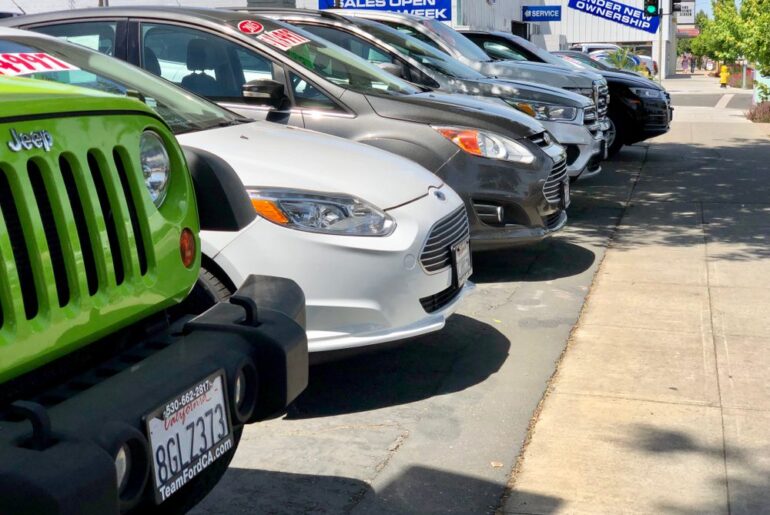
Demand for new electric vehicles has cratered since, with Cox Automotive research pointing to a 30 percent decline year over year in January.
It’s unclear whether this portends more trouble in the EV space, where Georgia is counting on a number of future investments that have yet to materialize.
SK On is working with Hyundai on a $5 billion battery joint-venture plant in Cartersville, where an SK spokesperson said the company is “unaware of any changes.” Work continues on a $4.3 billion LG-Hyundai site on the footprint of the Korean auto maker’s Metaplant near Savannah.
That site was the subject of a fateful September Immigration and Customs Enforcement raid that created a diplomatic spat with Korea after nearly 500 people were detained, causing work to pause for two months.
Georgia’s U.S. senators, both Democrats, blamed Trump policies for Friday’s job cuts.
“The administration in Washington has decided to put politics over people and slash the clean energy investments that helped bring these good-paying manufacturing jobs to our state. On top of that, they’ve also made manufacturing in Georgia more expensive with their harmful tariff taxes,” said Sen. Raphael Warnock.
U.S. Sen. Jon Ossoff, a Democrat who wrote the solar incentives in the IRA and has traveled on multiple trade missions to Korea, had warned Mr. Trump’s policies threatened the EV boom in Georgia.
“Let’s be clear: these were battery manufacturing jobs and now they’re gone,” Mr. Ossoff said in a statement cited by the Associated Press. “As predicted, Trump’s war on electric vehicles is hurting Georgia’s economy. We were booming and building new plants. Now Georgians are losing their jobs.”
Georgia’s Republican Gov. Brian Kemp, who traveled to Korea in October to calm nerves after the ICE raid, has enjoyed a strong relationship with Hyundai, SK and other Korean investors, often pointing out that their commitments were made before the IRA’s passage.
He told Global Atlanta just after meetings in Seoul that Biden-era incentives were an inflationary market distortion that artificially propped up electric-vehicle demand. Stalled EV ecosystem projects across the state were too reliant on the government’s largesse, he added.
“Their whole business model up on incentives, versus, if we let the market work with the companies that were coming before, they would have still built the supply chains out,” the governor said at the time.
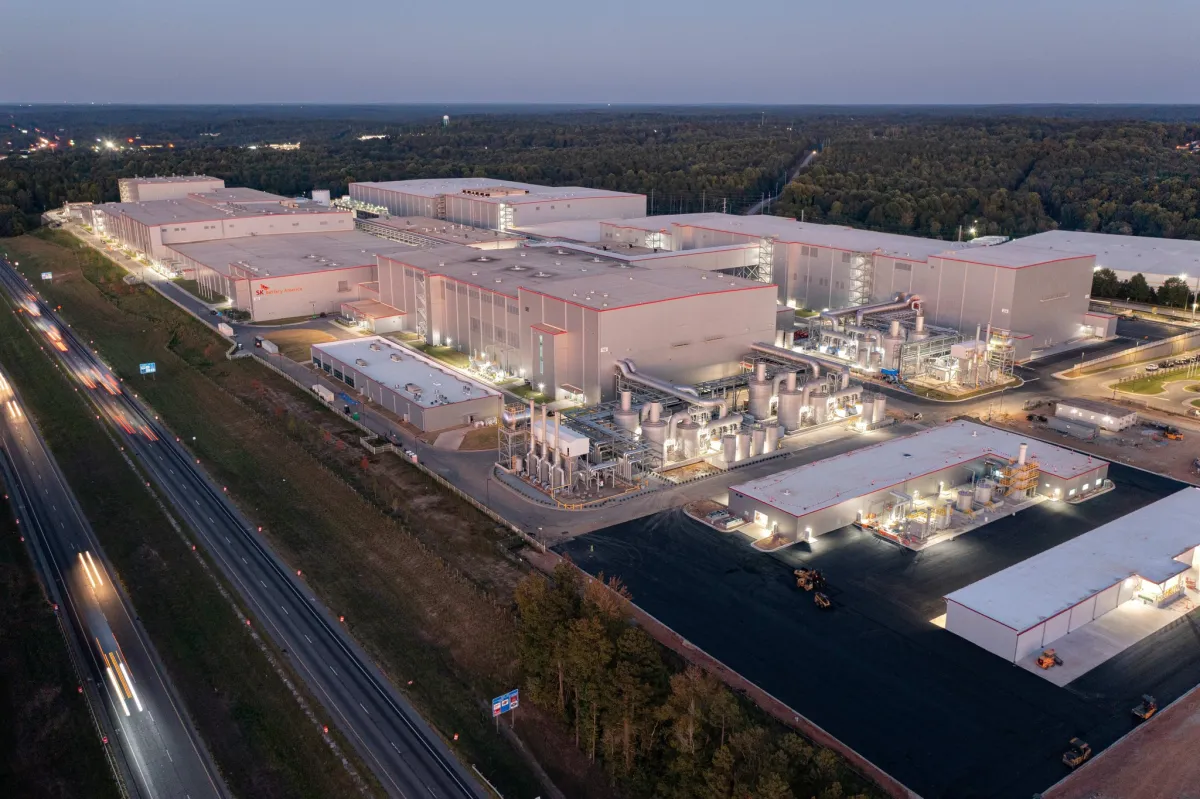
The SK plant in Commerce spans 2.7 million square feet, represents $2.6 billion in capital investment, and maintains 22 GW in production capacity, enough to power 300,000 all-electric vehicles.
See the WARN notice below:
AS-SENT-State-Dislocated-Workers-Letter-03.06.2026-1
From the archive: