
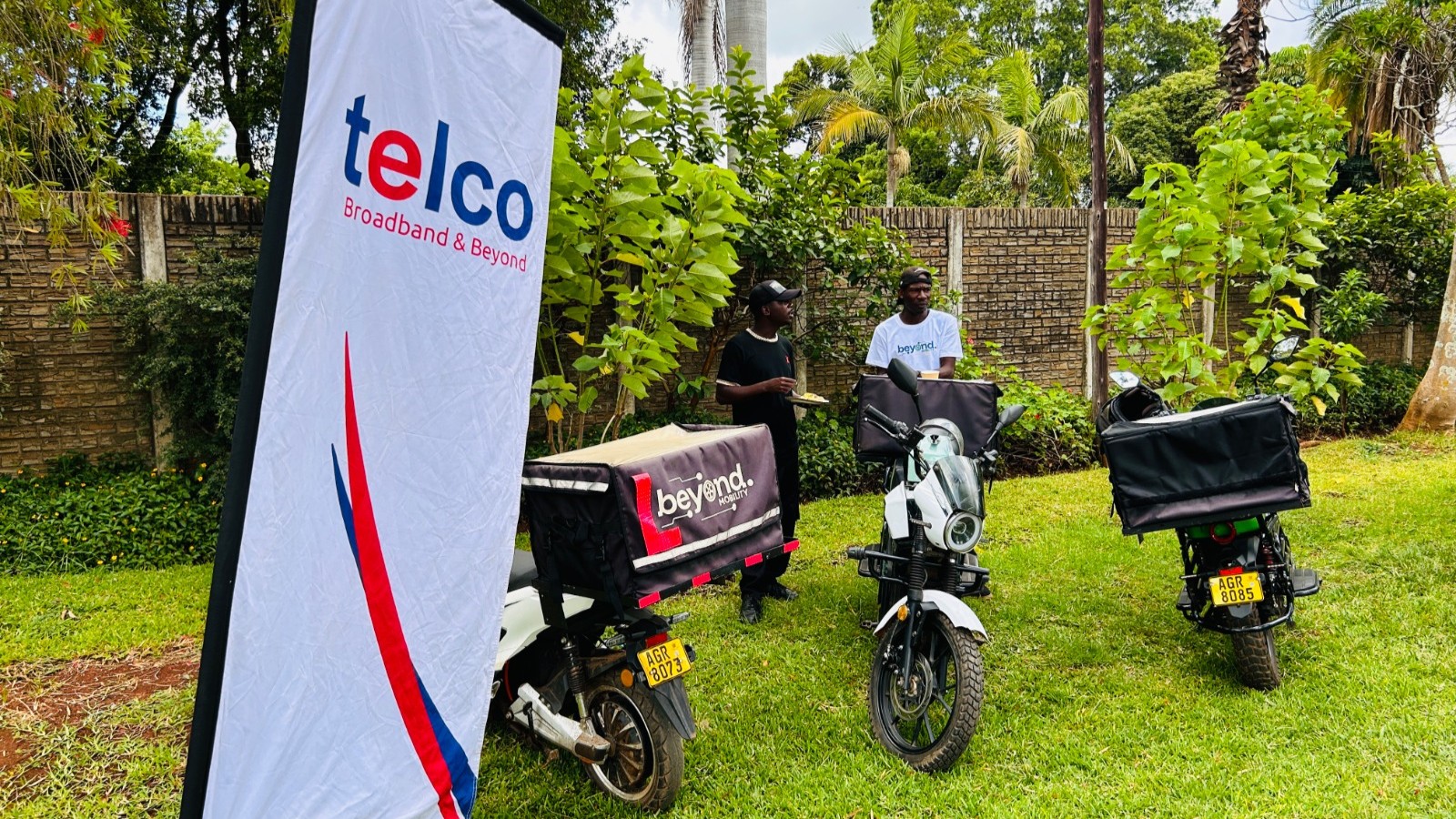
Zimbabwe is getting a new kind of electric mobility system, one built around battery swapping instead of charging.
The idea is simple. Instead of plugging in an electric bike and waiting hours for it to charge, a rider pulls out the batteries and swaps them for charged ones. The whole thing takes less than a minute.
The system is being rolled out by Telco Holdings together with Beyond Mobility.
And while the bikes are part of the story, the battery model is really the interesting part.
If you’d rather watch, we did a video on this:
You own the bike, not the batteries
Each electric motorcycle costs $2,200, though the company says cheaper models are coming.
If you don’t want to buy outright, there are leasing options:
$6 per day
$37.50 per week
$150 per month
$50 refundable deposit
Battery swaps are paid separately.
But riders don’t actually own the batteries.
Instead, the companies keep ownership of them and manage the whole battery pool.
That matters because lithium batteries degrade. According to the Telco, some electric bikes on the market need their batteries replaced after about a year, at a cost of around $250.
With this model, riders never deal with that. They just keep swapping batteries, and the operator takes care of replacements when the batteries wear out.
Swapping costs $3
Each bike carries two batteries.
When they run low, riders go to a swap station and exchange them for charged ones.
A full swap costs $3 for both batteries, or $1.50 each.
The batteries also have built-in trackers, and the system records which rider takes which battery. That helps prevent theft and keeps the system organised.
First focus: delivery and logistics
The rollout isn’t starting with everyday commuters.
Phase one is targeting businesses like:
Security companies
Parcel and courier services
Food delivery
Medical and lab logistics
These businesses run bikes all day, which makes them a good test case for electric fleets.
The companies say phase two will eventually target regular commuters, especially people who currently spend about $2 a day on public transport.
The rollout plan
The initial rollout will focus on three cities:
Harare
Bulawayo
Victoria Falls
The target for 2026 is:
50 charging and swap stations
400 bikes
About US$4 million invested in infrastructure and fleet.
The goal is to keep riders within 5–7 kilometres of a swapping station.
There’s also a partnership with Zimpost, which has 245 locations across the country. Those sites could eventually host swap stations, helping expand the network faster.
There’s also some tech behind it
The bikes aren’t just electric, they’re connected.
Each one has built-in tracking that allows fleet managers to:
See where bikes are in real time
Lock or unlock them remotely
Monitor how they’re being used
That makes the system useful for companies managing multiple riders.
The real question: do the numbers work?
Electric motorcycles themselves aren’t new.
What’s different here is the attempt to build a whole ecosystem around them – bikes, batteries, swap stations, and fleet software.
The companies say riders could see 30–40% lower operating costs compared to petrol bikes.
Whether that actually holds up will decide if this scales.
If riders end up taking home more money, electric bikes could quickly become common in delivery fleets.
If the numbers don’t work, it’ll be much harder to grow beyond the initial rollout.