
Follow us today…


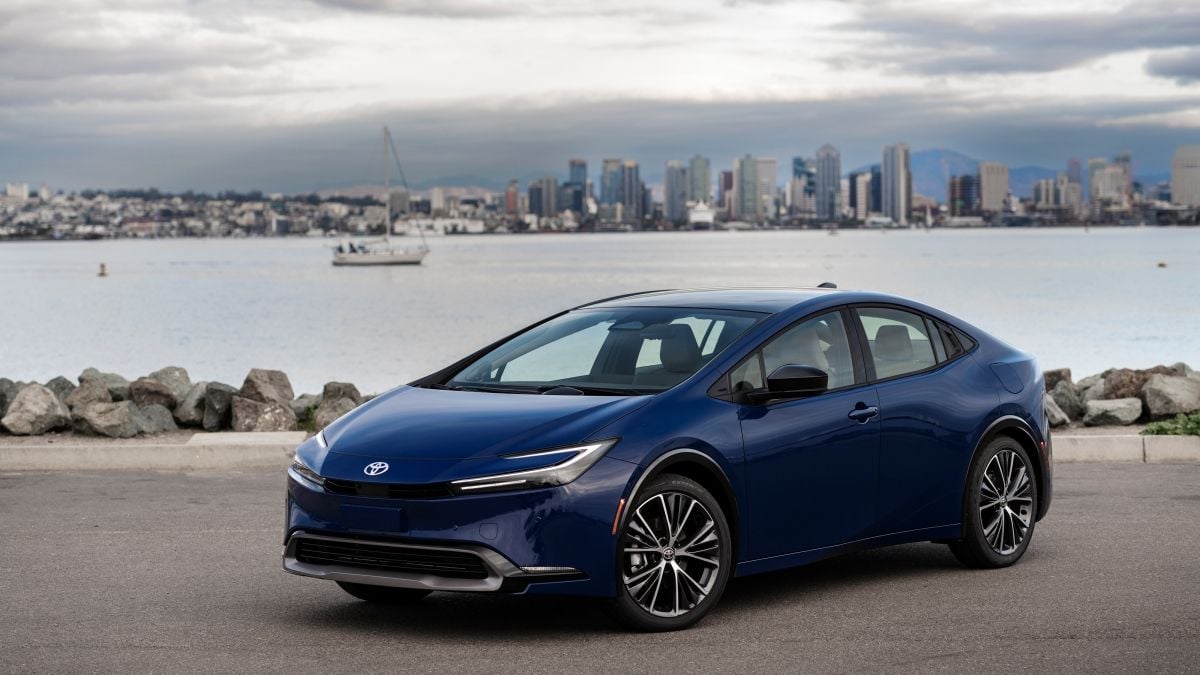
Toyota Prius effectively pioneered modern-day hybrid vehicles. Since its initial debut in December 1997, there have been five generations of the mass-produced hybrid model. The current one has been around since the 2023 model year, but things have changed since the original. Toyota is doing a lot of things right at the moment. On one hand, it decided to go back to being an enthusiast-centric brand thanks to the efforts of Gazoo Racing, which brought back models like the GR Supra, and soon the GR Celica, and GR MR2.
On the other hand, Toyota still retains strong presence in the BEV segment, while successfully refocusing on hybrid instead of electric-only vehicles. There are a few key reasons why Toyota hybrids are the most successful on the market. What started with the Prius quickly spilled over to other models of the brand, including the RAV4, Camry, and even Toyota’s bestseller, the Corolla. Sadly, this meant that the Prius sales took a hit, in recent years.
Prius sales peaked in the period 2012-2014, with over 200,000 units sold annually. To put things in perspective, Toyota sold a total of 272,902 Priuses in the period 2020-2025, making it one of Toyota’s models that saw the largest fluctuations in sales in recent times. It doesn’t help that the Prius has jumped in price over the years, but I think for the first time, the model has reached its true potential.
The fifth generation of the popular Japanese model introduced a lot of firsts, and having driven four of the five generations, here are four things about the Prius PHEV that make it worth paying the $33,775 MSRP (over $40,000 for the range-topping AWD model).
The electric range
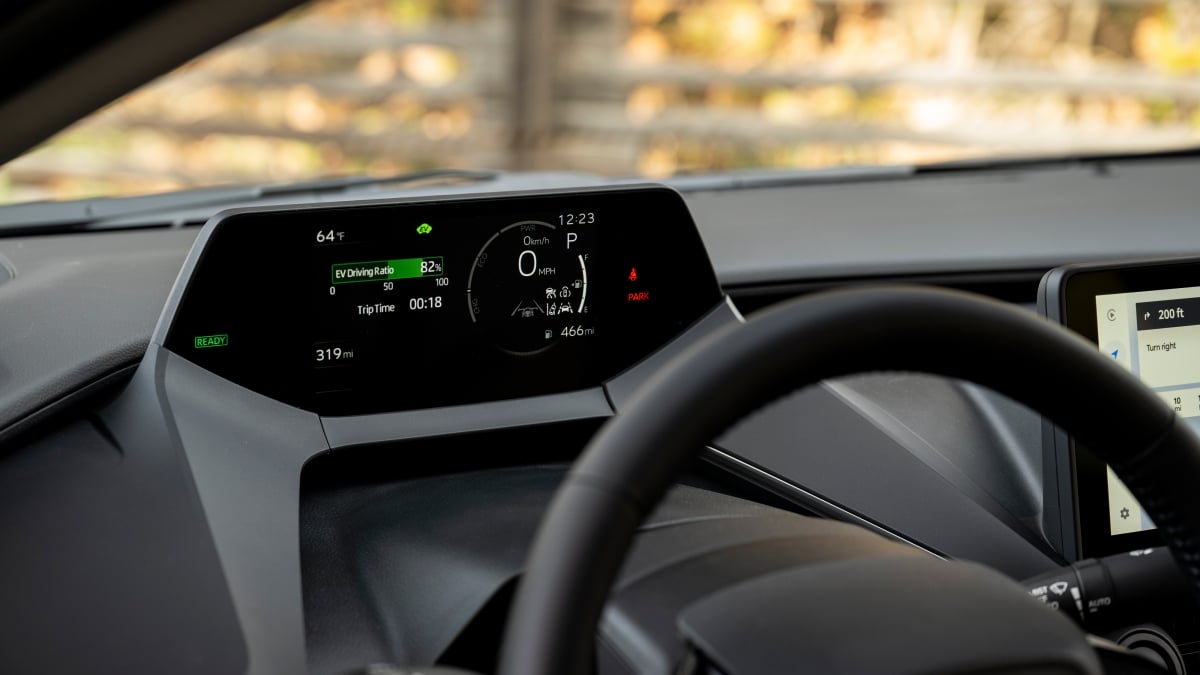
The current Prius plug-in hybrid has an impressive range of 39-45 miles of electric range, with some testers claiming up to 54 miles. This means that most commutes can be done without burning a drop of gasoline. EPA ratings show up to 127 MPGe combined. Even without the electric motor, you can still get up to 52 MPG combined, making the Prius an extremely frugal form of transportation. Using a Level 2 charger, you can recharge the 13.6-kWh battery in four hours.
The design
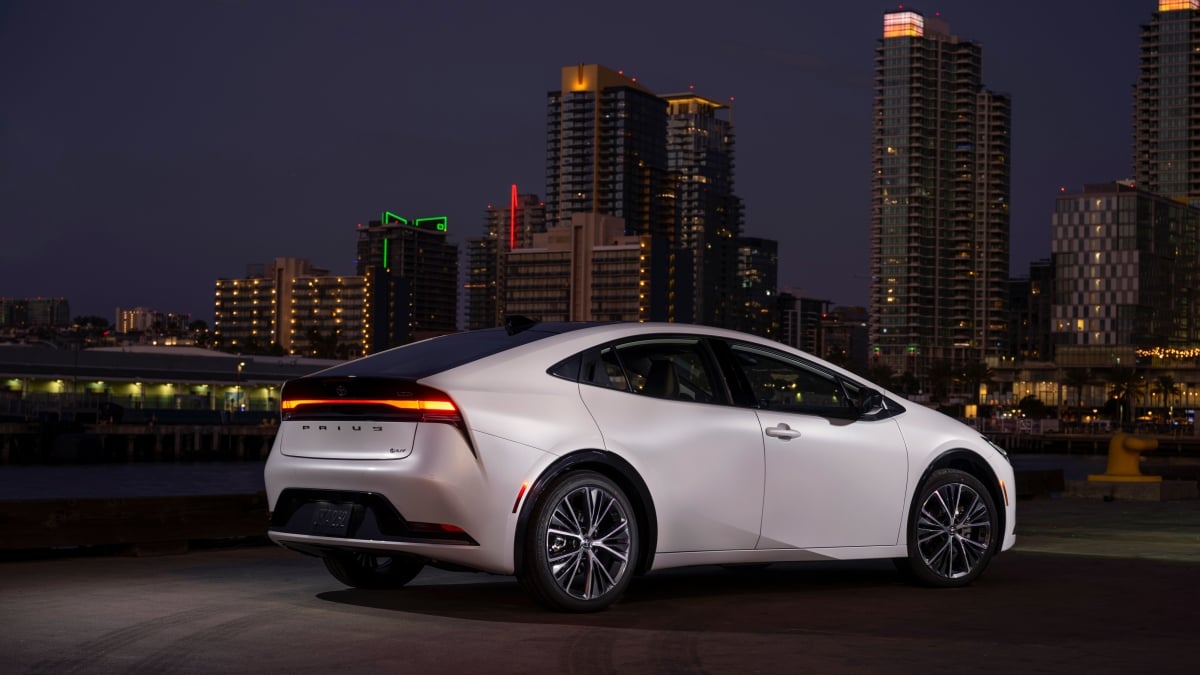
While looks are subjective, I think we can agree that the current Prius finally looks the part. I think for all its great qualities, the previous generation was… let’s just say, function over form. The fifth-generation Prius’s tapered lines give it a more aggressive look without sacrificing interior space.
The cabin is surprisingly spacious for a compact hybrid car, and visibility is great. It is also worth mentioning that the Prius is more spacious than the more affordable Corolla, and has a bigger trunk – 20.3-23.8 cubic feet or 50.4, after folding the rear seats. Meanwhile, the Corolla offers 13.1 cubic feet (sedan) or up to 23.0 cubic feet (hatchback).
The warranty
Toyota has been a bastion of reliability for decades. It is no surprise that the Japanese carmaker confidently offers a 10-year warranty for the hybrid battery and an eight-year warranty on the hybrid components. The Prius also comes with a three-year/ 36,000-mile bumper-to-bumper warranty, five-year/ 60,000-mile drivetrain warranty, and five-year/ unlimited miles corrosion coverage.
Despite Toyota being among the carmakers with the most service recalls in 2025, the Prius is still a perfect example of the company’s philosophy, which hinges on cars built to last.
The performance
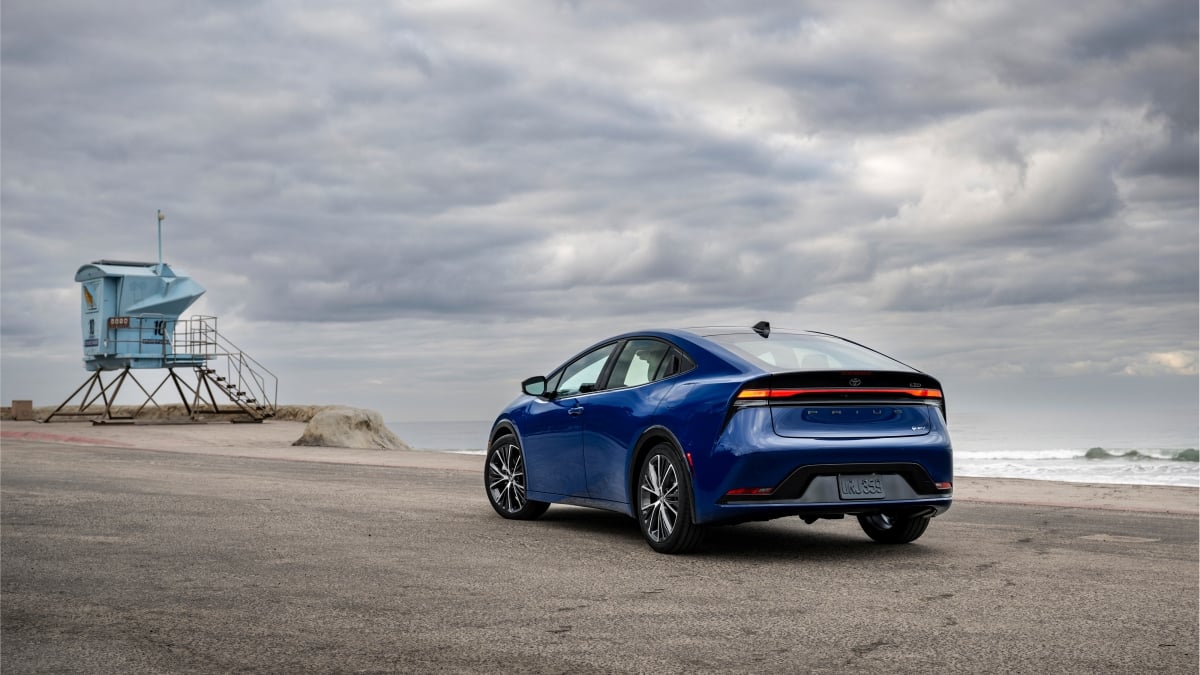
One of the last cars you would associate with performance is a Toyota Prius, but the truth is, the current model, in its more powerful variants, is decently quick. The Plug-in hybrid Prime model can sprint to 60 mph in as little as 6.4 seconds, which is on par with some hot hatchbacks from the not-so-distant past. All-wheel drive is optional at a cost of $1,400.
What are your thoughts on the Prius? Would you get one over the Corolla? Would you go for the regular or Prime variant, given the price difference of around $5,000? Share your thoughts in the comment section below.
About the author
Dimitar Angelov has been an automotive journalist since 2014. His passion for cars and motorcycles led him to take up classic car restoration at the Classic Car Museum in Malta. While living there, he also graduated with a Master’s in Media and Communications. Aside from Torquenews, his work can also be seen on Topspeed.com, HotCars.com, Motorheads.com, Jalopnik.com, and his own website, Ridereverie.com, where he also includes motorcycle content.
Other relevant experience to the automotive scene include working at a Toyota dealership, professional driving, and automotive insurance. Dim is happy to get behind the wheel of any car and share his impressions. You can follow Dimitar on X, LinkedIn, Instagram, and Facebook.
Experience
2012-2017 and 2025-Present: Insurance Advisor – ANG Univers and Generali Insurance Group
2016-2016: Car salesman at Toyota dealership
2014-Present: Automotive journalist, blogger, vlogger, test driver
Education
Bachelor’s degree in International Economic Relations
Master’s degree in Marketing
Master’s degree in Media and Communications
Dimitar Angelov has been quoted in the following publications:
Image source: 2026 Toyota Prius Press
Follow us today…