More than two months after a widespread power outage left hundreds of Waymo cars stalled in city streets, the company struggled to assure San Francisco officials that it could avoid a similar failure during another emergency.
At a Board of Supervisors hearing Monday, apologetic Waymo spokespeople said they had upgraded automated alerts to better flag major problems, such as when stoplights go dark during a blackout. The robotaxi company also said it had increased staffing, but did not provide specifics and indicated it would continue relying on first responders to move malfunctioning driverless cars out of the way.
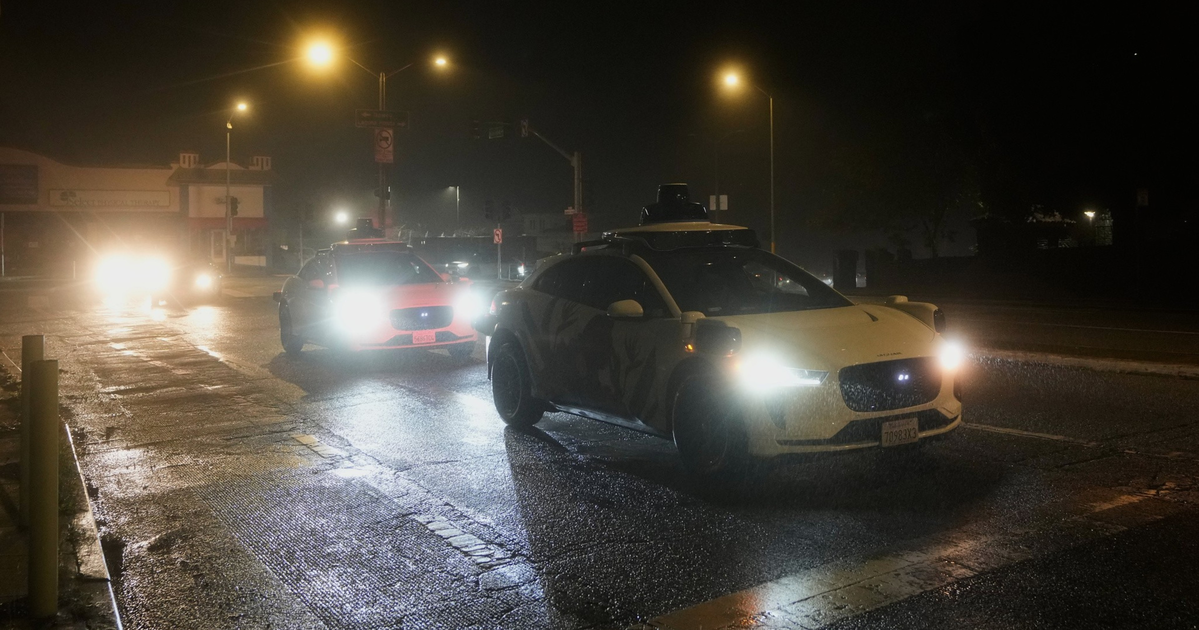
The PG&E power outage on Dec. 20 left one-third of San Franciscans without electricity for hours, and left some parts of the city in the dark for days. Many complained to 311 and on social media (opens in new tab) about confused Waymos blocking traffic.
Michael Magee, public policy manager of Waymo, acknowledged that corporate officials didn’t proactively contact the city about the outage. The lack of communication was clear early on during the blackout — Mayor Daniel Lurie had texted Waymo’s co-CEO when the power went out but at first received only emoji replies.
“We acknowledge today, again, that we did not meet our standards during the outage,” Magee said.
Waymo’s fleet stopped 1,593 times (opens in new tab) for two minutes or more during the outage, according to company data shared with the California Public Utilities Commission last month. Waymo had to send staffers or tow trucks to retrieve 64 of its Jaguar I-PACE electric cars during the blackout. In two cases, city first responders had to get behind the wheel.
The city’s 911 dispatch center began receiving reports of marooned Waymos between 3 p.m. and 8 p.m. on Dec. 20, Carroll said at the hearing. Dispatchers called Waymo 31 times, and one dispatcher was kept on hold for 53 minutes, she said.
Despite Waymo’s profuse apologies during the hearing, city officials said they’re concerned that the autonomous fleet could tie up first responders during life-or-death emergencies.
 San Francisco officials expressed disappointment that Waymo is relying on first responder to help restart stalled robotaxis. | Source: Tayfun Coskun/Anadolu via Getty Images
“In a sense, they’re becoming a default roadside assistance for these vehicles, which we do not think is tenable,” said Department of Emergency Management executive director Mary Ellen Carroll.
Waymo spokesperson Sam Cooper said staff have trained 1,000 San Francisco first responders to better manually take over Waymos, but admitted that this status quo is “not acceptable.”
“Frankly, what I’m hearing mostly is that you kind of still expect our first responders to do roadside assistance, and you are just going to help us train them better to do that,” Supervisor Bilal Mahmood said.
Waymo officials explained how their vehicles and staff were unprepared for the power outage’s ramifications on their ramifications.
Waymo’s cars are designed to treat disabled traffic plights as a four-way stop, Cooper said. As darkness fell and the vehicles failed to see the switched-off traffic signals, the stalls mounted. Getting the cars moving again required a “confirmation check” from one of Waymo’s 70 remote assistance operators, a Waymo spokesperson said after the hearing. These operators, however, can’t remotely drive the vehicle — that still requires a person in the driver’s seat.
The surge of stalled vehicles created a backlog for Waymo’s staff, leaving some cars sitting idle for longer than expected, said Chinmay Jain, director of product management. There were reports of some Waymos blocking streets for 15 minutes.
Waymo pushed out a software update intended to make the cars less reliant on human operators when encountering disabled lights.
The company also said it “improved escalation protocols” to make sure “the right people are aware” during outages, but did not share details about this plan when repeatedly asked.
The company also deflected some blame onto PG&E, saying the utility provided inaccurate power restoration times.
When asked how much Waymo would have to increase its remote operator staffing to ensure the backlog issue doesn’t happen again, Magee demurred.
“I don’t have a specific percentage on that,” he said.