Britain has gone electric. Last September, almost 75,000 pure battery electric vehicles (BEVs) were sold in the UK — up 29.1 per cent from the previous September. That’s quite the surge. And, according to the Society of Motor Manufacturers and Traders, it means that every fifth car now registered on our roads is a future-facing electric model.
Such is the demand that a new wave of home charger start-ups has emerged — brands independent of motor manufacturers that are rolling out wallboxes designed specifically to complement the sleek, refined forms of modern electric motors.
The chargers offered by Tesla, BYD and others electric carmakers are often unsightly white boxes that are almost clinical in appearance. Others, like those from Zaptec or Hypervolt, lean too far into the space age — all LED lightning bolts and data-heavy displays. Porsche’s polished aluminium option bucks the trend to an extent, but it’s the independent, unaffiliated brands that have sparked the most creative designs.
Simpson & Partners Home Series V3
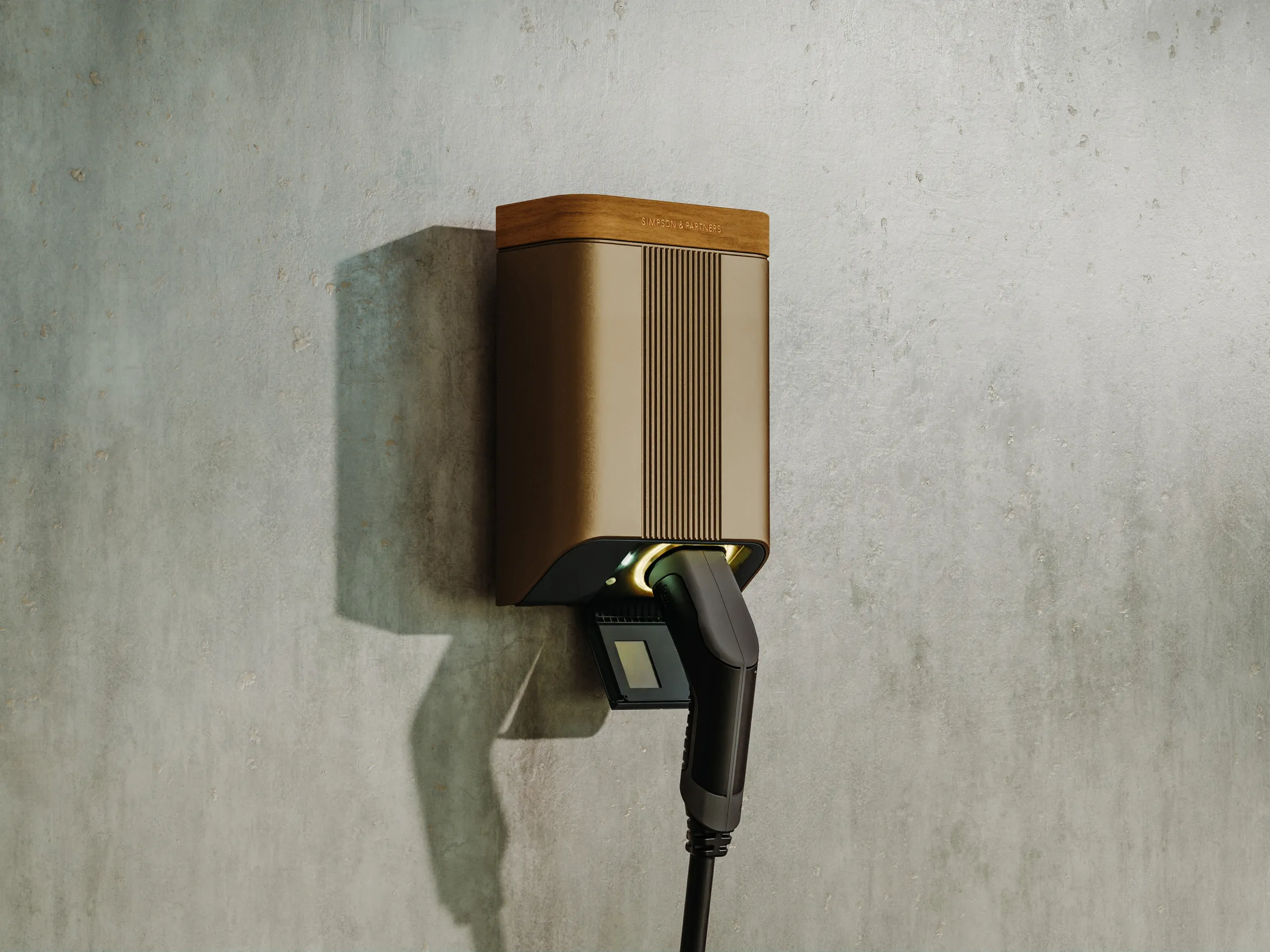 Simpson & Partners’ wall-mounted unit, from £649
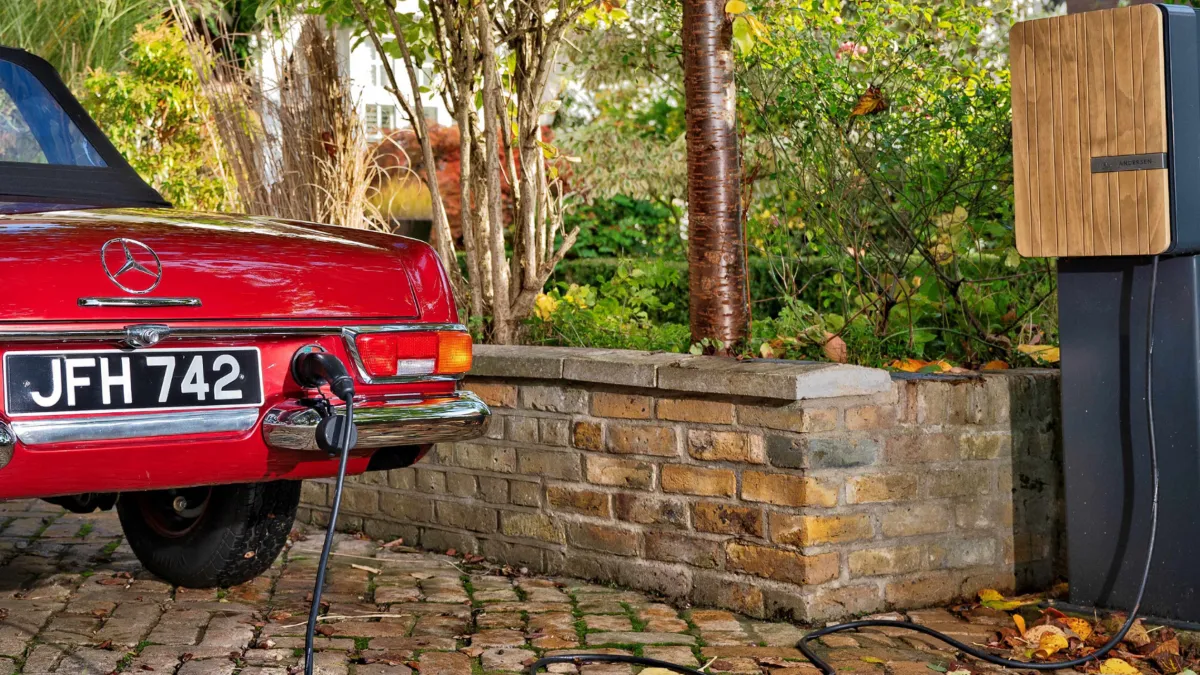
In the Cotswolds, Simpson & Partners treats chargers less as car accessories and more like pieces of furniture or architecture. The co-founders Mandy and David Simpson studied the minimalist designs of Bang & Olufsen and Dieter Rams when creating their wall-mounted unit (now in its third generation) and avoided exposed screws, glossy surfaces and distracting screens.
David, who has a background in engineering, insisted on the charger’s low-profile plug angle to streamline the unit, while Mandy — a fashion designer by training — discovered a rot-resistant, sustainable timber called Accoya at a London trade show, one of several materials available for the charger’s lid, alongside anodised aluminium and plastic. The best bit? It also comes in a freestanding version, with colour-matched stand and hook. From £649, Simpson & Partners
Easee One
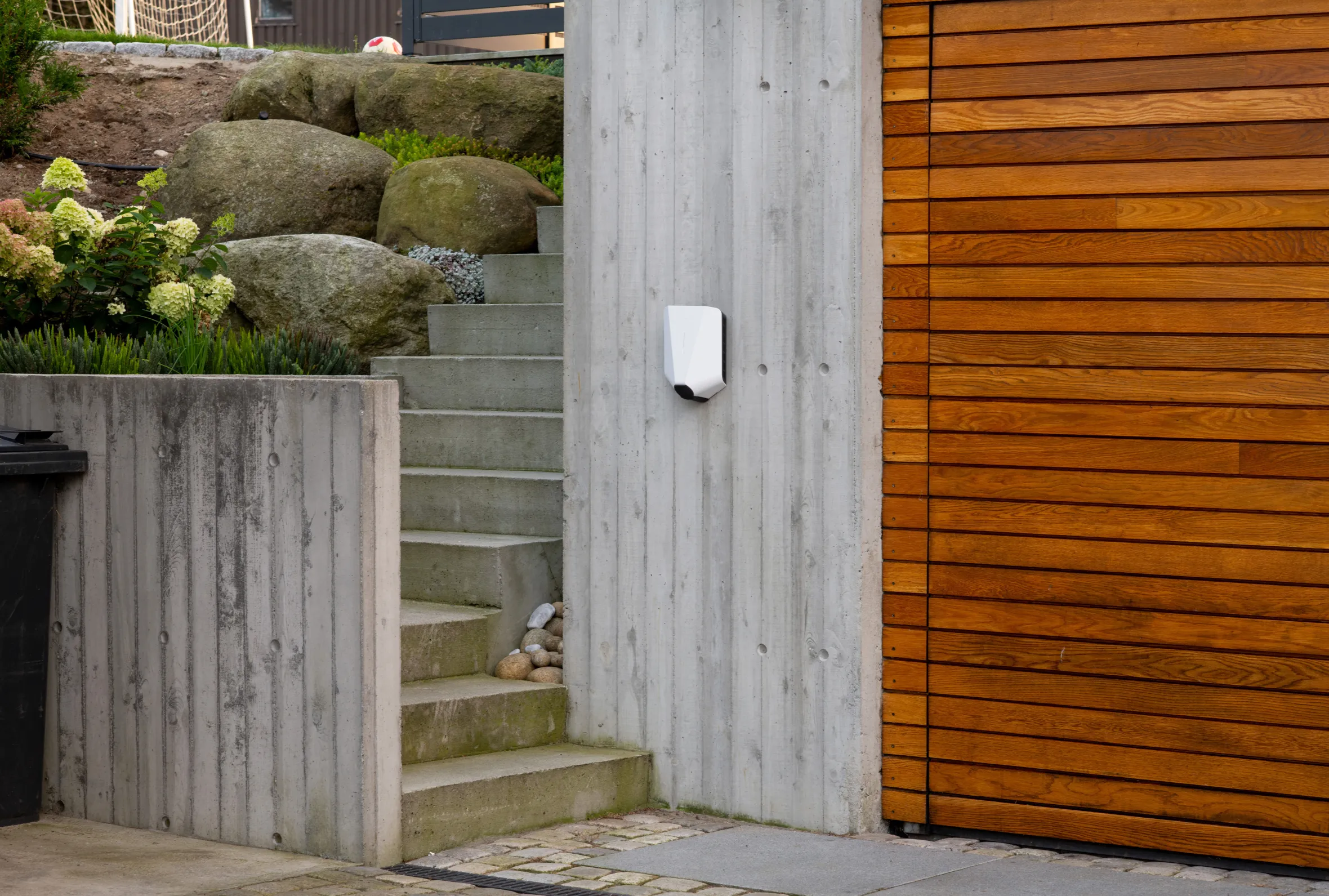 Easee One, notable for its compact size, £745
From its base in Norway, the suitably Scandinavian brand Easee has so far equipped more than one million European homes with its minimalist universal chargers. The flagship Easee One was designed with durability and clean lines in mind after customers told the co-founder Steffen Molgaard that many marque-specific units felt “clunky and industrial”. “They didn’t match the care they had put into choosing their car,” Molgaard says.
That feedback informed key design choices, from the interchangeable faceplates (available in colours including navy blue and anthracite grey) to the compact size of the charger, which is just 25cm tall and 10cm deep. These pared-back proportions aren’t simply an aesthetic choice — smaller, less obtrusive chargers also require fewer materials to build, and thus align with the brand’s sustainability goals. From £745, Easee
Andersen A2
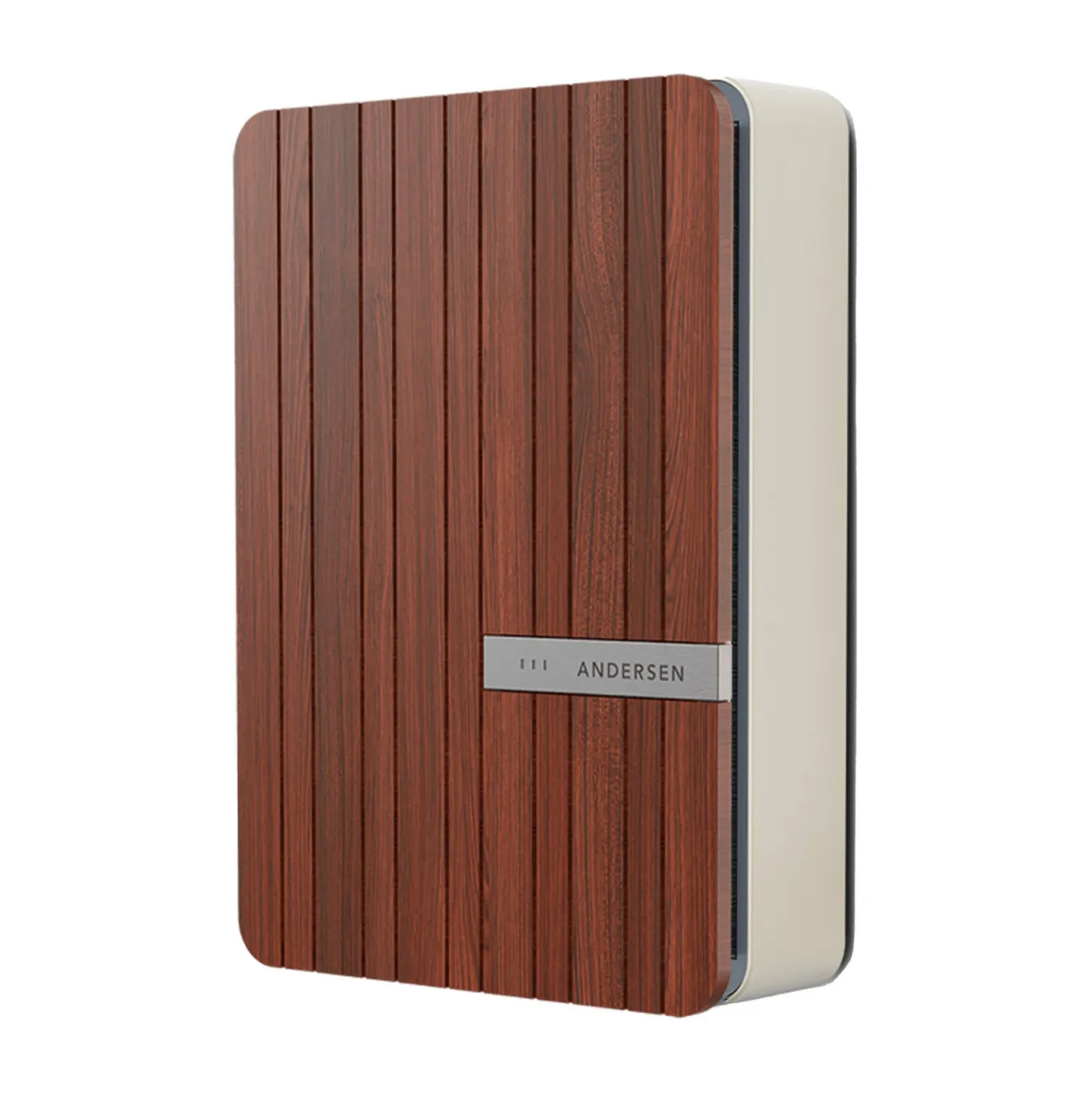 Andersen A2 in French walnut and putty stone, £1,199
Based in Bedfordshire, Andersen has been building EV chargers since 2015. Now run by David Martell (also the creator of the UK’s largest charging network, Chargemaster), the company has spent the past decade launching a series of high-end, design-led models including the Andersen Quartz Vision, with its 4.3-inch digital display. The standout, however, is the Andersen A2, customisable in both colour (with shades including Highland Green and Balmoral Blue) and materials (from pine to carbon fibre).
The company has also partnered with carmakers such as Jaguar Land Rover and Porsche, and recently collaborated with Coat paints on a suite of exclusive colours. Andersen even ran a sustainable design competition for university students — the winning team came up with a charger clad in a bio-resin composite made from coffee grounds. But the most impressive feature of the A2 is also one of the simplest: a hidden charging cable that spools back into the unit when not in use. From £1,199, Andersen
Cord Zero
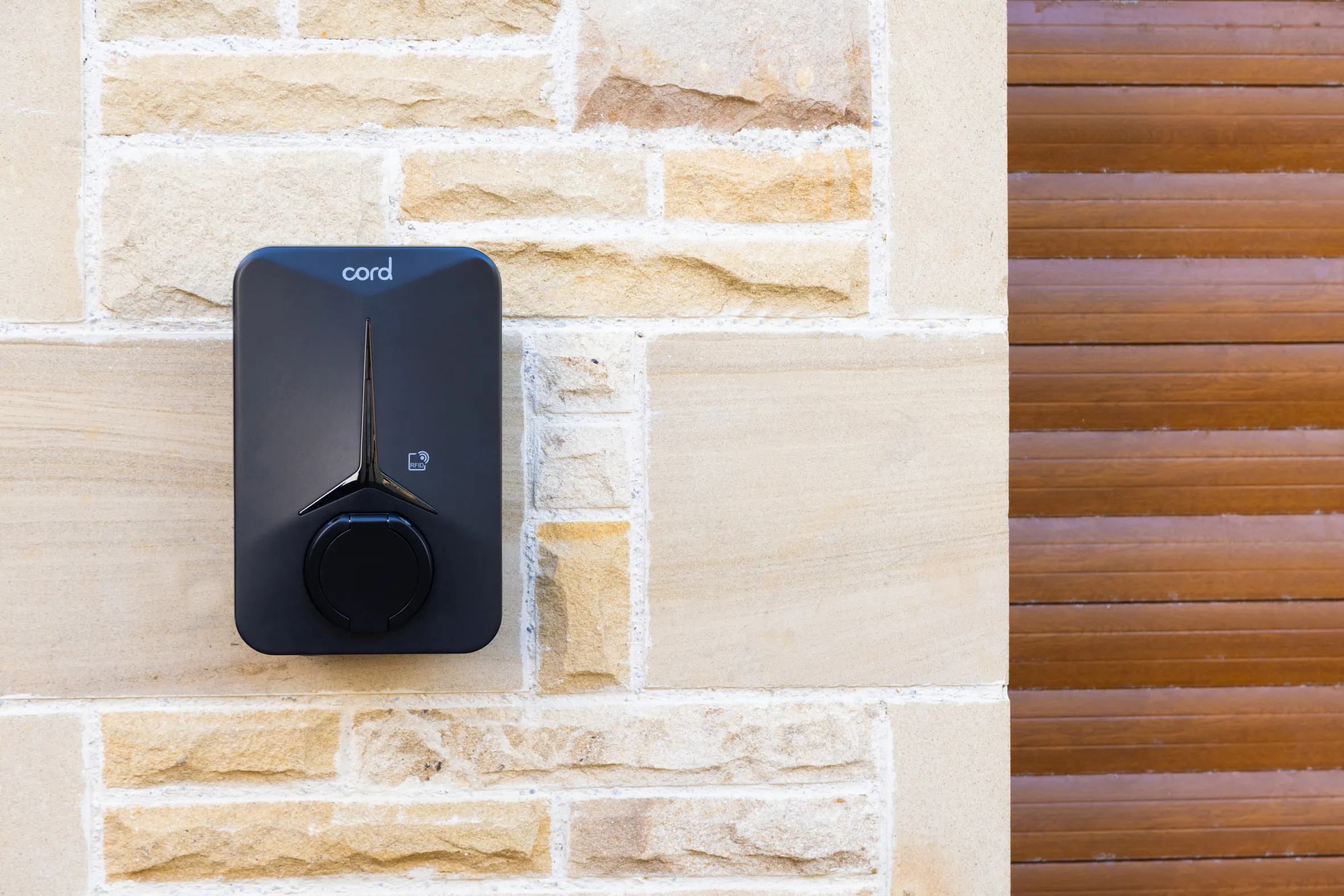 Cord Zero, which draws on Scandinavian design principles, £475
Some models from this Birmingham-based brand (including the Cord Lite) fall into the same space-age design traps as cheaper chargers. But the Cord Zero is a matt, monochrome option that the co-founder Paul Tomlinson intended to be “a natural extension of the EV itself”. Like the Simpson & Partners charger, the design draws on Scandinavian design principles — “clean lines, functional simplicity” — but also owes a debt to high-end consumer electronics.
“The goal was to create something you’d be proud to have on your wall, not hide away,” Tomlinson explains. The Zero also pairs with an app for scheduling charges and tracking electricity usage. But while such technological features are handy, Tomlinson admits that aesthetics were the priority. No longer did he want to hear people complain about the “ugly boxes” ruining their driveways, he says. But his mission is ongoing — next up, a premium brushed aluminium finish. From £475, Cord
![BYD unveils stunning flagship EV SUV for the first time [Images]](https://www.evshift.com/wp-content/uploads/2026/03/1772556943_BYD-flagship-electric-SUV-770x515.jpeg "BYD unveils stunning flagship EV SUV for the first time [Images]")